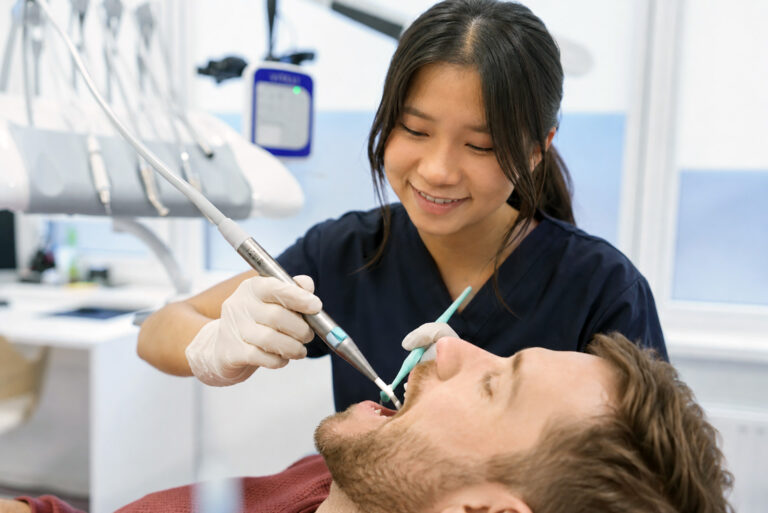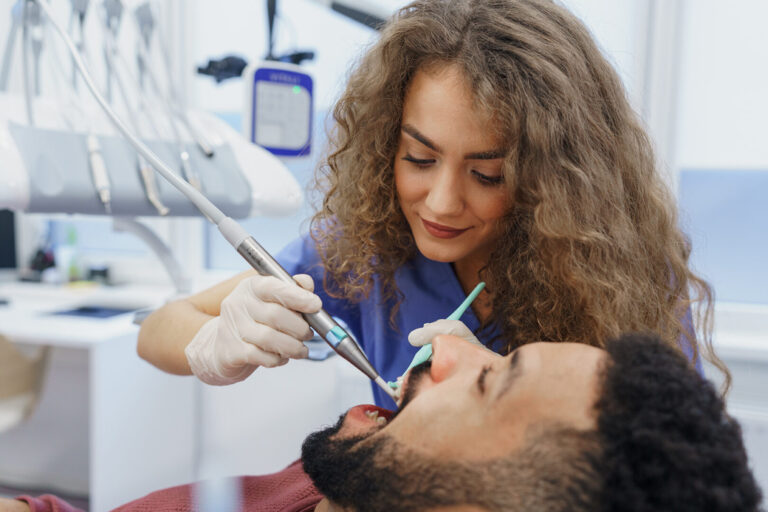
Regular dental check-ups are one part of routine dental care for maintaining optimal oral health. Daily brushing and interdental cleaning remain essential, but they cannot prevent or identify every cavity, failing filling or early sign of gum disease.
A dental check-up is a routine examination of your teeth, gums and mouth. It helps spot early signs of tooth decay, gum disease, damaged dental work and any unusual changes before they may cause troublesome symptoms.
Many patients have a dental check-up every 6 to 12 months. The right interval depends on your oral health and risk of future dental disease. Some need appointments every 3 to 4 months.
What is a Dental Check-Up?
A dental check-up assesses your current oral health and plans any needed care.
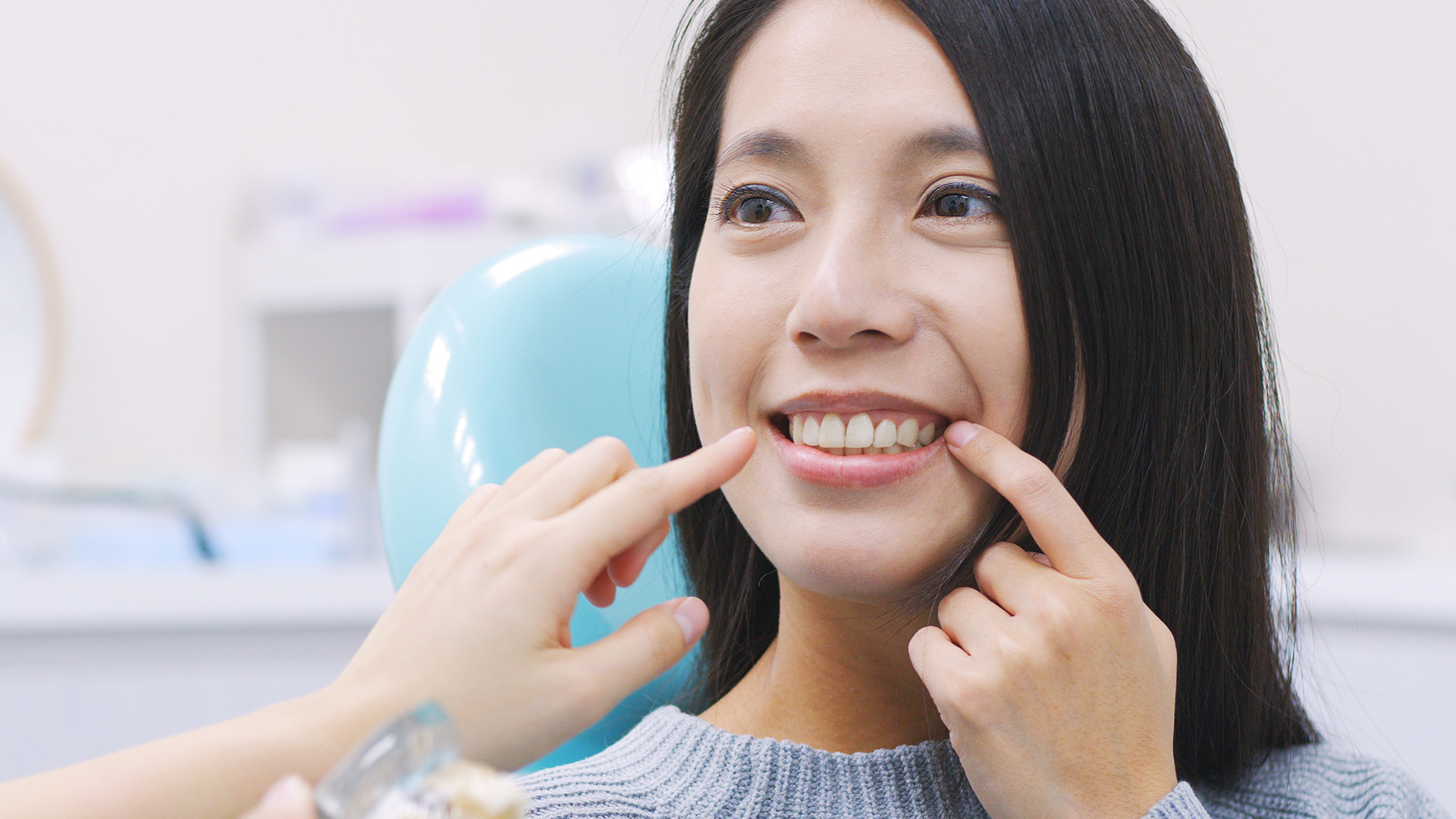
The examination usually includes a review of your dental and medical history, an examination of your teeth and gums, an assessment of the tissues in and around the mouth, and a discussion of the findings with the patient.
A routine dental check-up is not the same as dental treatment. Professional cleaning, fluoride application, fillings, and other procedures may be advised or provided at the same visit, but they serve different purposes. The dental check-up is an assessment, while dental treatment can follow that assessment. Your dentist will explain the findings, options and costs before proceeding with any additional dental care.
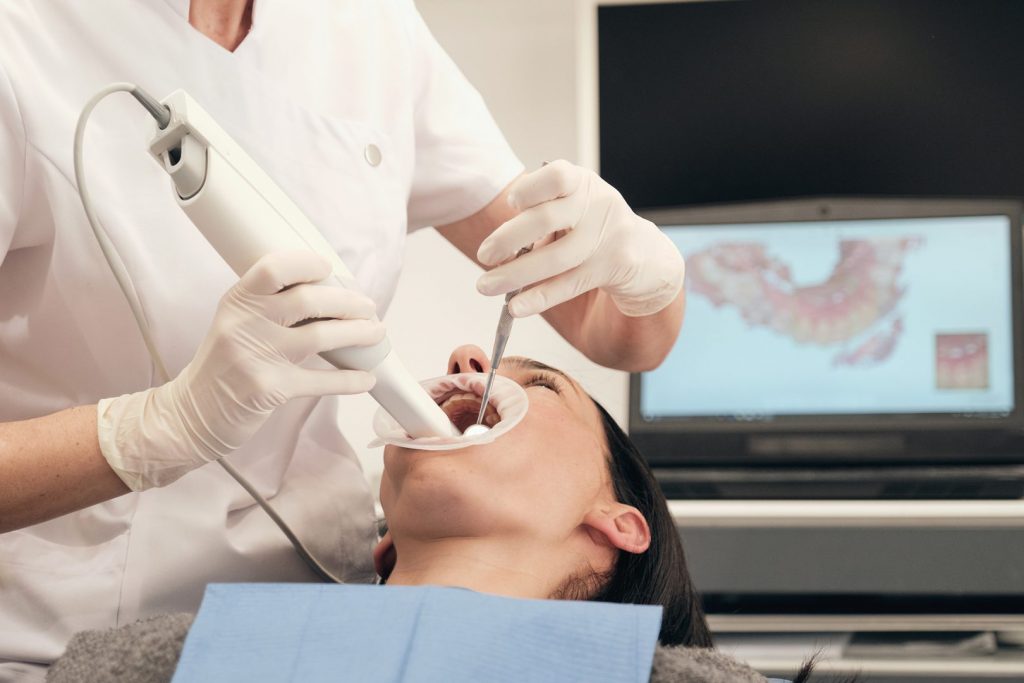
What Happens during a Routine Dental Check-Up?
A routine dental check-up follows a structured examination of your medical history, teeth, gums, bite and oral tissues.
Review of Your Health and Concerns
The dentist begins by asking about tooth pain, sensitivity, bleeding during brushing, dry mouth, or jaw discomfort. They will ask about medical conditions, allergies, tobacco use, and medicines or supplements, as these can affect your oral health and the dental treatment planning.
Examination of the Teeth and Existing Dental Work
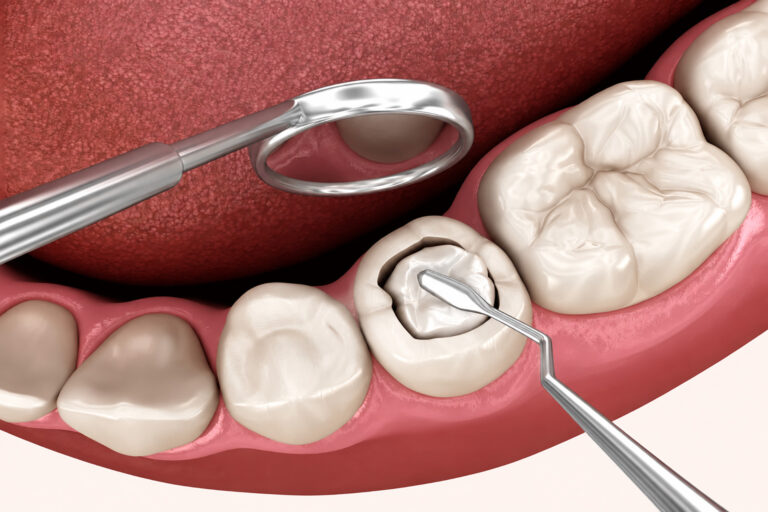
The examination checks for decay, cracks, tooth wear or infection. The dentist also assesses any fillings, crowns, bridges, implants and dentures, and may review your bite and jaw movement.
Gum Health Assessment
The dentist checks for plaque, tartar, redness, swelling, recession and bleeding. If needed, the dentist may use a periodontal probe to measure the spaces between the teeth and gums. The findings help distinguish healthy tissue from tissue affected by gingivitis or periodontitis, which can damage the supporting bone.
Early detection allows timely care for gum disease before it causes further damage. Good and regular oral hygiene helps control plaque. The examination does not itself treat gum disease.
Oral Cancer Screening
An oral cancer screening is part of a thorough dental examination. The dentist will check the lips, tongue, cheeks, palate, floor of the mouth, neck and the surrounding tissues for persistent ulcers, lumps, swelling, and unusual red or white areas.
The examination supports early detection, but oral cancer screening cannot confirm oral cancer. An unusual area may need review, referral, or a biopsy for laboratory testing to determine the cause.
Dental X-rays when Needed
Dental X-rays are not required at every visit. We recommend them based on your symptoms, disease risk, examination findings, and any previous images.
X-rays may reveal dental issues such as decay between the teeth or beneath a restoration, bone changes, infection around a root, impaction and some developmental changes, guiding further dental treatment.
Findings and Next Steps
At the end, the dentist will explain the findings. If care is recommended, the dentist will discuss its purpose, alternatives, likely risks, and fees before you decide on the appropriate treatment. They will also point out which areas of your oral health may need more attention during your regular home care.
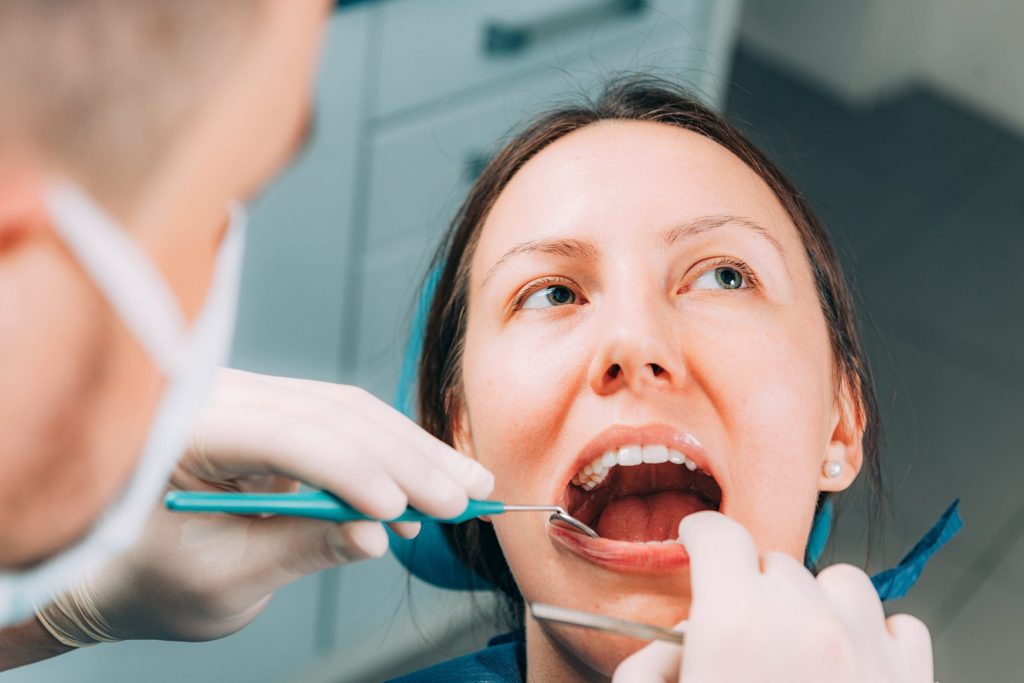
Why Are Regular Dental Check-Ups Important?
Regular dental check-ups help you catch oral health problems early and track changes in your dental health over time.
Many dental problems, including early tooth decay and gum disease, may not hurt and go unnoticed before they start to cause real damage to your teeth. Finding a small cavity, gum inflammation, or a damaged filling sooner may allow simpler dental care. Preventive care may reduce the likelihood and cost of more complex treatment later, although no preventative measure can prevent every dental problem.
Check-ups also allow advice on brushing, fluoride, diet, tobacco use and interdental cleaning to be tailored to your needs.
Does a Dental Check-Up include Cleaning and Fluoride?
A dental check-up is an examination, while professional cleaning and fluoride are separate preventive procedures that may be provided during the same visit. You might get a dental check-up and cleaning in one session, but that is not necessarily the case.
Professional cleaning removes plaque and some surface stains. It also removes tartar. If appropriate, the dentist may recommend regular dental maintenance or a scale and polish.
Topical fluoride treatments, such as varnish or gel, can strengthen enamel and reduce the risk of decay. Dentists recommend them based on factors such as recent cavities, dry mouth, exposed roots, diet, and at-home fluoride use.
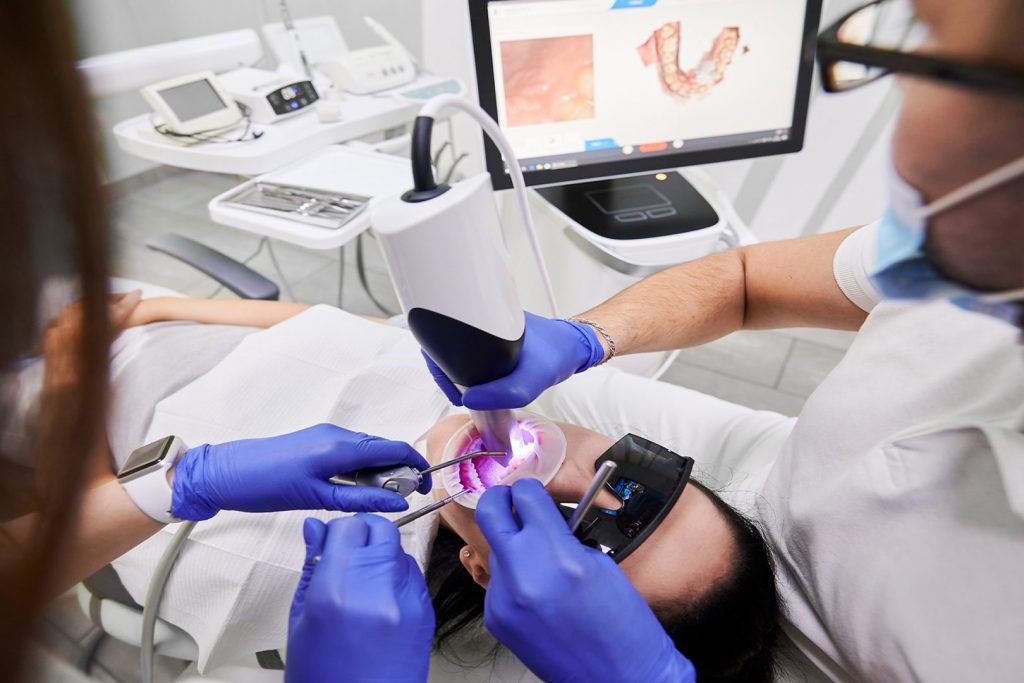
How Often Should You Go For Dental Check-Ups?
Dental check-up frequency should be based on your current oral condition, overall health, and risk rather than one fixed timetable for everyone.
In Singapore, regular check-ups commonly occur every 6 to 12 months. A 6-monthly check-up may suit many, but it is not a universal rule. Adults with stable oral health and a low risk of disease may sometimes be reviewed every 12 to 24 months, though it is best to hear from your dentist before deciding this on your own.
Your dentist may recommend shorter intervals for patients with active gum disease, frequent decay, heavy tartar, dry mouth, tobacco use, certain medical conditions, or difficulty maintaining oral hygiene. These intervals may also relate to treatment or periodontal maintenance rather than a routine check-up.
Your dentist should review the interval after each examination because your overall oral health risk can change.
How Long Does a Dental Check-Up Take?
A routine dental appointment commonly takes about 30 to 45 minutes when the check-up includes a straightforward professional cleaning.
An examination alone may be shorter. However, a first visit involving several dental issues, X-rays, detailed gum measurements or treatment planning may take longer. The clinic can advise how much time to allow when you arrange the visit.
Oral Health and Overall Health
Good oral health supports comfort, nutrition, speech, and quality of life, all of which support overall health.
Poor oral health is associated with some systemic conditions, but these links are complex. Diabetes and gum disease have a two-way relationship. Diabetes can increase the risk of gum disease, while gum inflammation can make blood glucose harder to manage. Gum disease is also associated with cardiovascular disease, but it is unclear whether gum disease causes heart disease or whether dental care prevents it.
Dental visits can help manage oral risks related to medical conditions. They do not replace medical screening or treatment.
Dental Check-Up Cost in Singapore
Dental check-up costs in Singapore vary by clinic, the type and complexity of the examination, and whether you add X-rays, cleaning, fluoride, or other dental services.
A dental check-up at TEETH @ Tiong Bahru costs between $32.70 and $163.50. Eligible patients may pay lower out-of-pocket fees for subsidised basic dental services at public clinics.
TEETH @ Tiong Bahru is a participating CHAS dental clinic. From 1 October 2025, the maximum CHAS subsidy for a dental consultation is:
| Card or scheme | Maximum consultation subsidy per claim |
| CHAS Orange | $13.50 |
| CHAS Blue | $20.50 |
| Merdeka Generation | $25.50 |
| Pioneer Generation | $30.50 |
MediSave does not cover routine dental check-ups. Separate MediSave or Flexi-MediSave rules may apply to certain eligible dental procedures, but they do not make the routine dental examination claimable.
Dental insurance and employee plans may cover dental check-ups, cleaning or specified additional treatments, subject to panel rules, limits and exclusions. Check your policy before your visit.
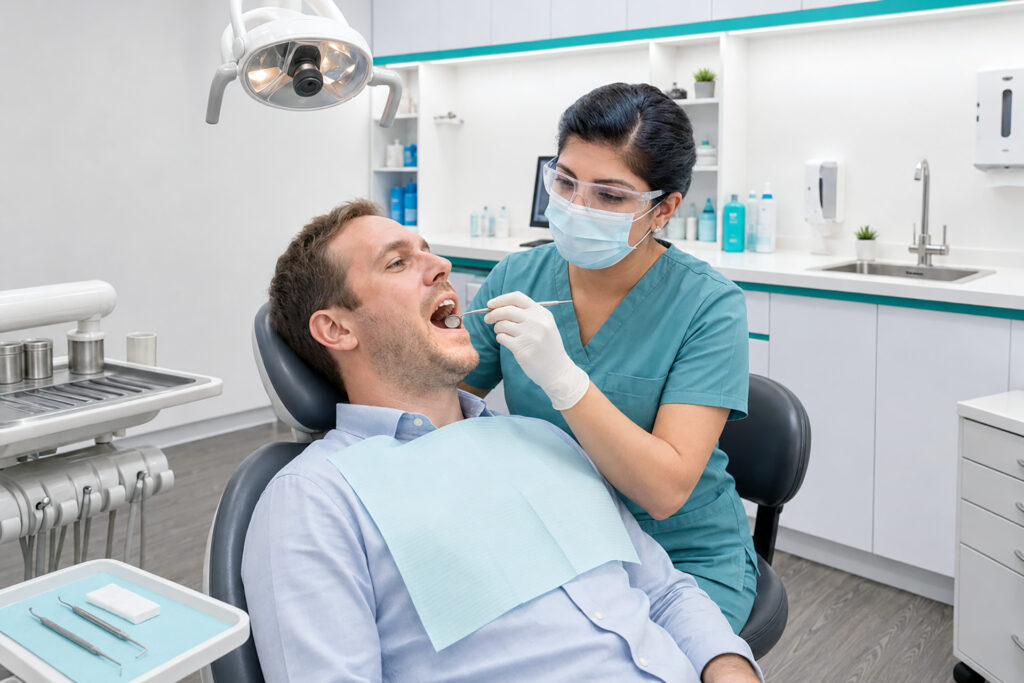
How to Care for Your Teeth between Dental Check-Ups
Maintaining good oral health depends on good oral health habits at home and regular dental check-ups, which help reduce the risk of dental problems.
An effective oral hygiene routine helps keep your gums healthy. Good oral hygiene includes regular brushing and flossing every day. Brush twice a day with fluoride toothpaste. Limit how often you have sugary foods and drinks, avoid tobacco, and follow advice given for dentures, implants, braces or dry mouth. Your dentist may give you personalised recommendations on proper brushing and flossing techniques. These preventive measures complement professional dental care rather than replace it.
When Should You See a Dentist before Your Next Check-Up?
Don’t wait for a routine appointment if you develop symptoms that may need an earlier assessment.
Arrange a dental visit if you have toothache, a broken tooth, persistent sensitivity, bleeding or swollen gums, a loose tooth, ongoing bad breath, jaw pain, or a mouth ulcer, lump, red patch or white patch in your mouth that lasts more than two weeks.
Seek urgent care for facial swelling, uncontrolled bleeding, significant dental trauma, fever with a dental infection, or difficulty breathing or swallowing.
Dental Check-Ups at TEETH @ Tiong Bahru
A dental check-up at TEETH @ Tiong Bahru focuses on tooth examination, risk assessment and a clear explanation of the findings.
Our dentist will check the teeth, gums, existing dental work and oral tissues, and recommend X-rays only when clinically indicated. If cleaning, fluoride, or treatment may be helpful, we discuss these as separate steps so you understand the purpose and likely fees before deciding.
If you are due for a routine check-up or have noticed a change in your mouth, you can book an assessment appointment at our clinic in Tiong Bahru.