
What Is Pericoronitis?
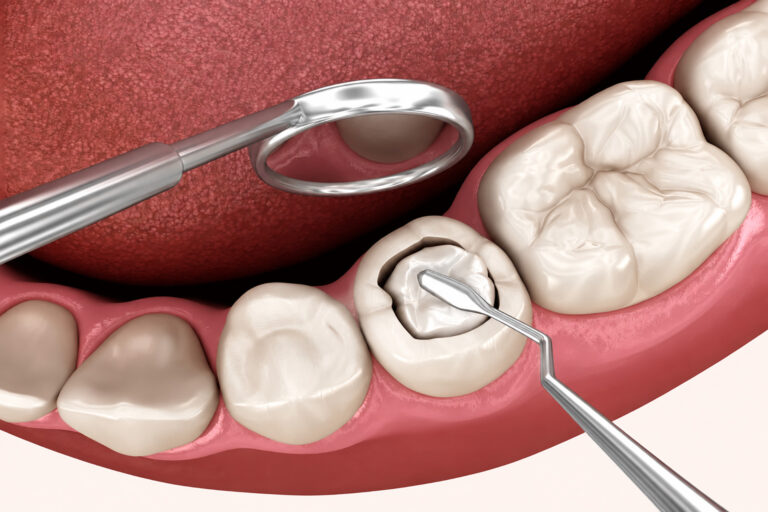
Pericoronitis is the inflammation or infection of the gum tissue around a partly erupted tooth, most often a lower wisdom tooth.
Pericoronitis of the wisdom tooth is most common in the late teens and twenties, when third molars, the third and final set of adult teeth, are erupting through the gum tissue. Food, plaque and bacteria can collect under this flap. Because the area is difficult to clean, the gum can become swollen, painful, and infected.
The condition may be mild and short-lived, or it may become a more serious pericoronitis infection with pus, swelling and difficulty when opening the mouth.
Symptoms of Pericoronitis
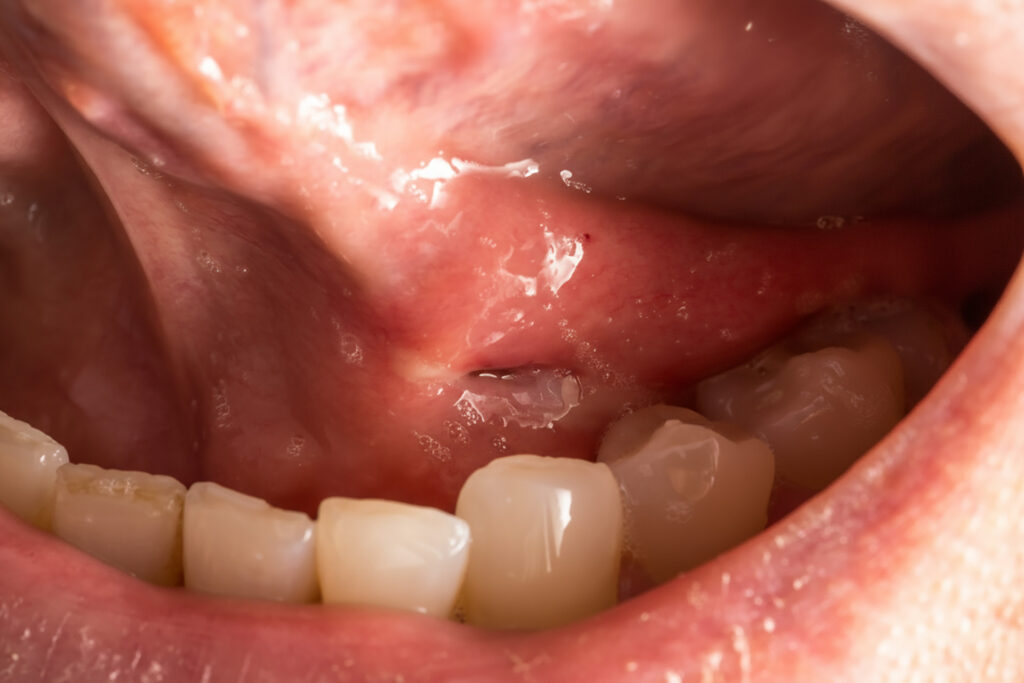
Pericoronitis symptoms often develop over a few days and may include gum swelling, intense, throbbing pain around the affected tooth, swollen lymph nodes, fever, pus discharge from the area, difficulty chewing and swallowing, facial swelling, bad breath, and jaw stiffness. Signs will vary by severity and will evolve over time:
- Mild symptoms may include a dull ache around the back tooth, tenderness when chewing, and an unpleasant taste in the mouth.
- The gum may look red, swollen, tender to the touch or slightly lifted over the tooth.
- Some people may notice bleeding when brushing or when food gets caught between the gums and the teeth.
- Acute pericoronitis is more painful, with severe pain and swollen tissue around the molar, and more severe symptoms if left untreated.
- Severe cases may cause a fever and swollen lymph nodes, which can suggest that the infection is spreading beyond the gum.
- Pericoronitis pus may appear if the infection collects under the gum or drains from the tissue, causing an off-taste and odour.
- A pericoronal abscess can form when pus collects under the soft tissue covering the crown of the partly erupted tooth, affecting the soft tissues surrounding the molar.
If swelling spreads into the face, throat, or jaw, urgent dental care is needed.
What Causes Pericoronitis?
The main causes of periocoronitis are bacteria and food trapped under the gum tissue around a partially erupted tooth. A partly erupted wisdom tooth creates a space that is hard to brush or floss properly. Poor oral hygiene allows food particles and plaque to collect. Bacteria multiply in this space, triggering inflammation. Over time, the area may become infected.
Risk factors include:
- Poor oral hygiene
- Excess swollen gum tissue over the third molar
- A tilted or impacted tooth
- Stress
- Pregnancy
- Diabetes
- Dental caries on the adjacent tooth
- Gum disease
- Smoking
- Conditions that weaken the immune system
A balanced diet low in sugary foods can also help reduce bacterial growth. Sugar feeds oral bacteria and can make plaque control more difficult, especially around a partly erupted wisdom tooth.
Pericoronitis during pregnancy needs careful assessment. Hormonal changes can make gums more reactive to plaque and inflammation. Treatment may involve careful cleaning, rinses and pain management, with more invasive treatment planned only when needed and coordinated with medical advice.
When to See a Dentist
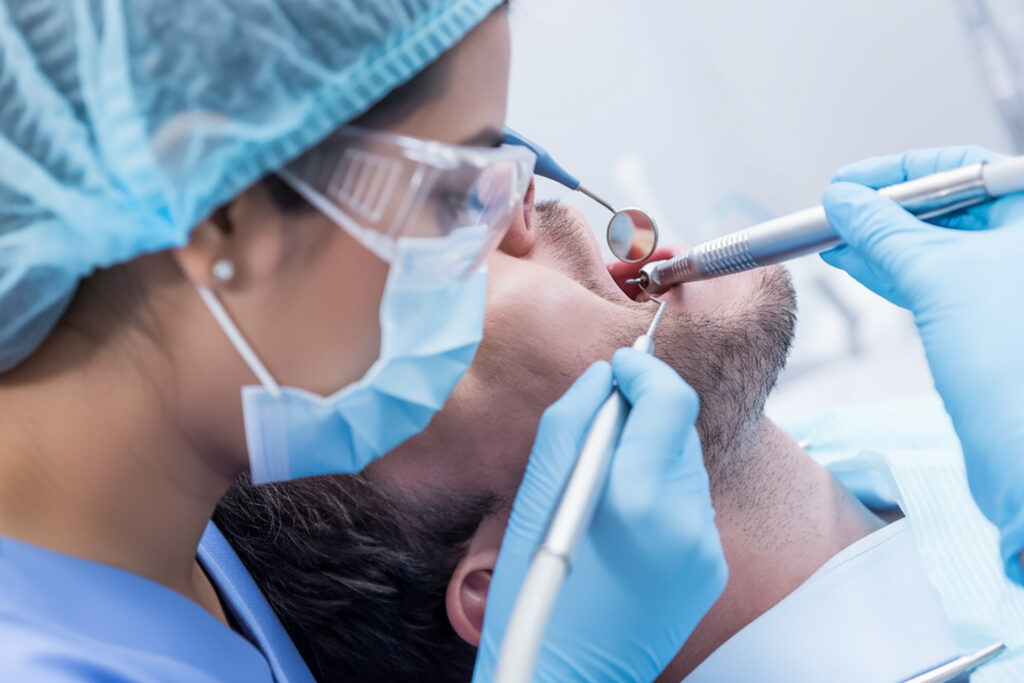
You should see a dentist if pain, swelling, pus, bleeding or difficulty opening your mouth develops around the affected area.
Mild irritation may improve briefly with careful cleaning, but recurring swelling around the third molar should not be ignored. You should also seek a review if bad breath keeps returning from the same area.
See a dentist immediately for urgent care if you have a fever, facial swelling, swollen glands, jaw spasm, trouble swallowing or difficulty breathing. A wisdom tooth infection that spreads can become severe. Rare, but a deep neck infection from a wisdom tooth infection can be life-threatening.
Diagnosis of Pericoronitis
Dentists diagnose pericoronitis by examining the area around the molar and taking X-rays to assess the tooth’s position and the surrounding bone.
Your dentist will ask about pain, swelling, bleeding, taste, fever and whether the problem has happened before. They will examine the gum flap, check for trapped food or pus, and assess whether the affected wisdom tooth has not fully erupted, is impacted, or is difficult to clean.
Dental X-rays are often used to see the position of the affected wisdom tooth, the shape of the roots and whether the tooth has enough space to erupt properly. X-rays also help rule out other causes of pain, such as tooth decay, gum disease, a cracked tooth, or an infection of the tooth pulp.
Diagnosis after clinical examination is important because treatment depends on whether the episode is mild, acute, recurrent or severe.

Pericoronitis Treatment at Home
Pericoronitis treatment at home may ease mild symptoms, but it does not replace dental care if an infection, pus or more severe symptoms develop.
Home remedies for pericoronitis include warm saltwater rinses to flush the area and soothe the gum, and over-the-counter pain relievers to relieve any discomfort, if they are suitable for you.
Gentle brushing around the back tooth is important, even if the area feels tender. Use a soft-bristled toothbrush angled towards the gum line to help clean around the gum line without causing extra trauma. An alcohol-free antibacterial mouthwash may help reduce bacteria.
Soft, cool foods can be more comfortable while the gum is inflamed. Avoid hard, sticky, spicy or very hot foods, as these can irritate the gum or lodge under it.
Home care may temporarily reduce symptoms, but it cannot remove deeply trapped debris, drain an abscess, or correct an impacted wisdom tooth. If symptoms keep returning, get professional pericoronitis treatment, which may sometimes include oral medicine.
Non-Surgical Management of Pericoronitis
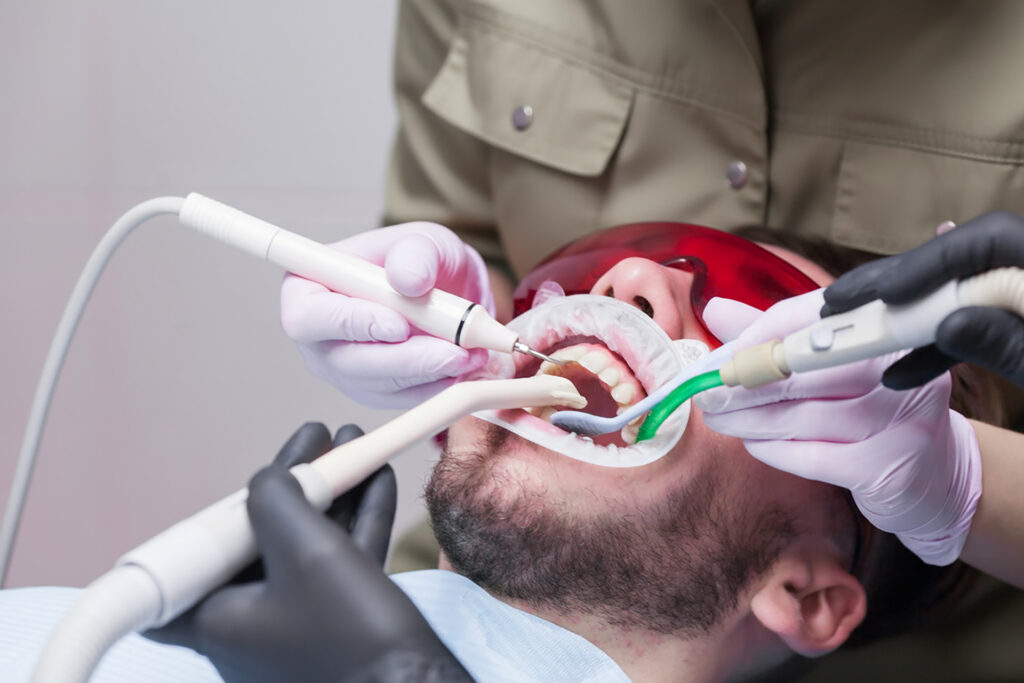
Non-surgical treatment for pericoronitis focuses on professional dental cleaning of the infected area to reduce bacteria and control pain and swelling.
Your dentist may irrigate the area to flush out food, plaque and bacteria. They may also clean around the tooth and remove tartar if present. This can quickly reduce irritation and help the gum settle.
If the infection is more established, oral antibiotics may be prescribed for gum infections. Antibiotics are usually used when there is spreading swelling, fever, swollen lymph nodes or signs that the infection is not limited to the gum.
A prescription antibacterial mouthwash, such as chlorhexidine, may be used for short-term bacterial control. It should be used as directed, as prolonged or incorrect use can cause staining or changes in taste.
Non-surgical treatment can calm an active flare-up, but it may not prevent recurrence if the molar remains incompletely erupted and difficult to clean.
Surgical Options for Pericoronitis
Surgical treatment, sometimes a minor oral surgery, may be needed when pericoronitis is severe, recurrent or caused by a third molar that cannot erupt properly. Oral surgery options range from minor surgical procedures to tooth extractions. Surgical intervention is chosen based on the tooth position and infection history. An early extraction is sometimes preferred to prevent a recurrence.
- Pericoronitis surgery may involve removing the gum flap over the tooth. This procedure is called an operculectomy. It can reduce the pocket where bacteria and food become trapped. However, the gum flap can sometimes grow back, especially if the third molar remains incompletely erupted or poorly positioned.
- Wisdom tooth removal surgery is often recommended if the tooth repeatedly causes pericoronitis, is impacted, or is unlikely to erupt into a position that can be cleaned. Wisdom tooth extraction by a dental professional is the only treatment that completely eliminates pericoronitis from that tooth because it removes the partly erupted tooth and the gum pocket where bacteria collect.
After surgery, discomfort, swelling and mild bleeding are expected for a short period and should improve with proper aftercare.
Risks and Recovery of Pericoronitis
Untreated pericoronitis can spread into nearby tissues and cause a serious infection, while treated cases often improve within days to two weeks.
The duration of pericoronitis depends on the severity and treatment. Chronic pericoronitis can develop if acute episodes recur, though it is milder day to day but flares up repeatedly. If left untreated, chronic pericoronitis may need surgical intervention to cure the condition.
Symptoms can last from a few days to two weeks. Mild cases may settle within a few days after professional dental cleaning and better home care. With treatment, many cases improve within one to two weeks. Severe pericoronitis can last longer, especially with abscess formations, worsening infections, or a wisdom tooth that needs removal. If left untreated, severe pericoronitis may lead to deeper infections.
Risks include a pericoronal abscess, recurrent infection, facial swelling, difficulty swallowing and the spread of infection into deeper spaces of the jaw or neck. Untreated pericoronitis can also lead to cellulitis, which is a spreading infection of the soft tissues. This is why fever, swollen glands, severe pain, pericoronitis pain and difficulty opening the mouth need urgent review.
Recovery after surgery depends on the complexity of the procedure. Soreness, swelling and mild bleeding may occur, but symptoms should gradually improve. Follow-up is important if the pain worsens or swelling returns.
Prevention of Pericoronitis
Pericoronitis cannot always be prevented, but maintaining good oral hygiene around the back teeth and attending regular dental checkups reduces the risk of infection around erupting molars.
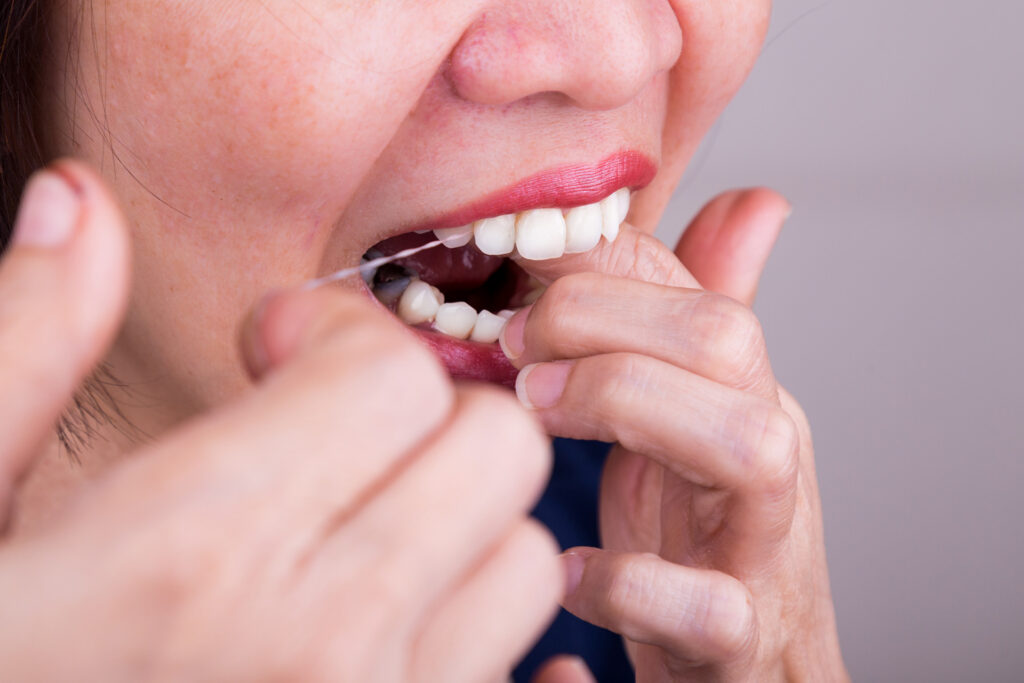
- Brush twice daily and clean carefully around the back teeth. Use a soft-bristle toothbrush angled towards the gum line, especially around a partly erupted wisdom tooth. This helps remove plaque near the gum line without injuring the tissue.
- If a wisdom tooth is incompletely erupted, it may need extra attention because food can collect under the gum. A dentist may recommend a small toothbrush, an oral irrigator, or an antibacterial mouthwash to help keep the area cleaner.
- A balanced diet low in sugary foods helps reduce bacterial growth and food particles around the gum, supporting oral health. Avoiding smoking also supports gum healing and lowers the risk of repeated gum infection.
- Regular dental check-ups and dental treatment help monitor wisdom tooth eruption and support oral health. If X-rays show that a wisdom tooth is impacted or unlikely to erupt properly, early discussion can help prevent recurrent infections.
How TEETH @ Tiong Bahru Can Help
TEETH @ Tiong Bahru can help by diagnosing the cause of pericoronitis, relieving acute symptoms and planning care to prevent any recurrence.
Care may include cleaning and irrigation, pain-relief advice, antibacterial mouthwashes, antibiotics when appropriate, or referral for wisdom-tooth removal if the tooth is likely to cause a recurrent infection. The aim is to treat the current inflammation and reduce the chance of future flare-ups. Schedule a consultation with one of our dentists at TEETH @ Tiong Bahru today.
FAQs about Pericoronitis
Does pericoronitis go away on its own?
Mild pericoronitis may settle for a short time when a wisdom tooth is erupting, but it often returns if food and bacteria continue to collect under the gum flap. A dental review is recommended, especially if pain, swelling or pus is present.
How do you cure pericoronitis?
Pericoronitis is treated by cleaning the infected area, controlling bacteria and pain, and removing the cause when needed. Recurrent cases may need an operculectomy or wisdom tooth removal.
What is the main cause of pericoronitis?
The main cause of pericoronitis is food and bacteria trapped under the gum flap around a partly erupted wisdom tooth.
Is pericoronitis a dental emergency?
It can be. Severe pain, fever, facial swelling, difficulty swallowing, difficulty breathing or trouble opening the mouth should be treated as urgent.
Should I be worried about pericoronitis?
You should take it seriously. Many cases are manageable with early care, but untreated infection can spread and become more serious.
What are the three stages of pericoronitis?
There is no universal three-stage system. In patient terms, it is often described as mild or chronic irritation; acute pericoronitis with pain and swelling; or severe pericoronitis with abscess or spreading infection.