What Is Periodontitis?
Periodontitis is an infection-driven inflammatory disease and a serious form of gum disease that damages the gums and the supporting bone around the teeth.
It often begins quietly, which is why many do not realise it is progressing until they notice bleeding gums, gum recession, or loose teeth. Good treatment can control the disease, and the earlier it is identified, the easier it is to manage.
If plaque buildup is not removed well enough from the teeth, it can harden into tartar and trigger gingivitis, the mildest form and most reversible stage of gum disease. When inflammation continues, and a deeper attachment and bone support begin to break down, the condition becomes periodontitis, recognised as one of the most prevalent oral health problems affecting adults.
Poor oral hygiene, hormonal changes, chewing tobacco, poor nutrition and immune system conditions can all contribute to developing periodontitis. Periodontitis has been linked to systemic diseases, including cardiovascular disease, diabetes complications, and chronic obstructive pulmonary disease, making systemic health an important consideration in treatment planning. Hormonal changes during pregnancy or menopause can also affect gum health and accelerate gum inflammation.
One reason periodontitis is often missed is that it may progress with very little pain at first. Patients may present with symptoms that resemble acute periodontitis, but by the time the teeth feel mobile, or the gumline has receded noticeably, there may already be significant tissue and bone loss.
Periodontitis Symptoms
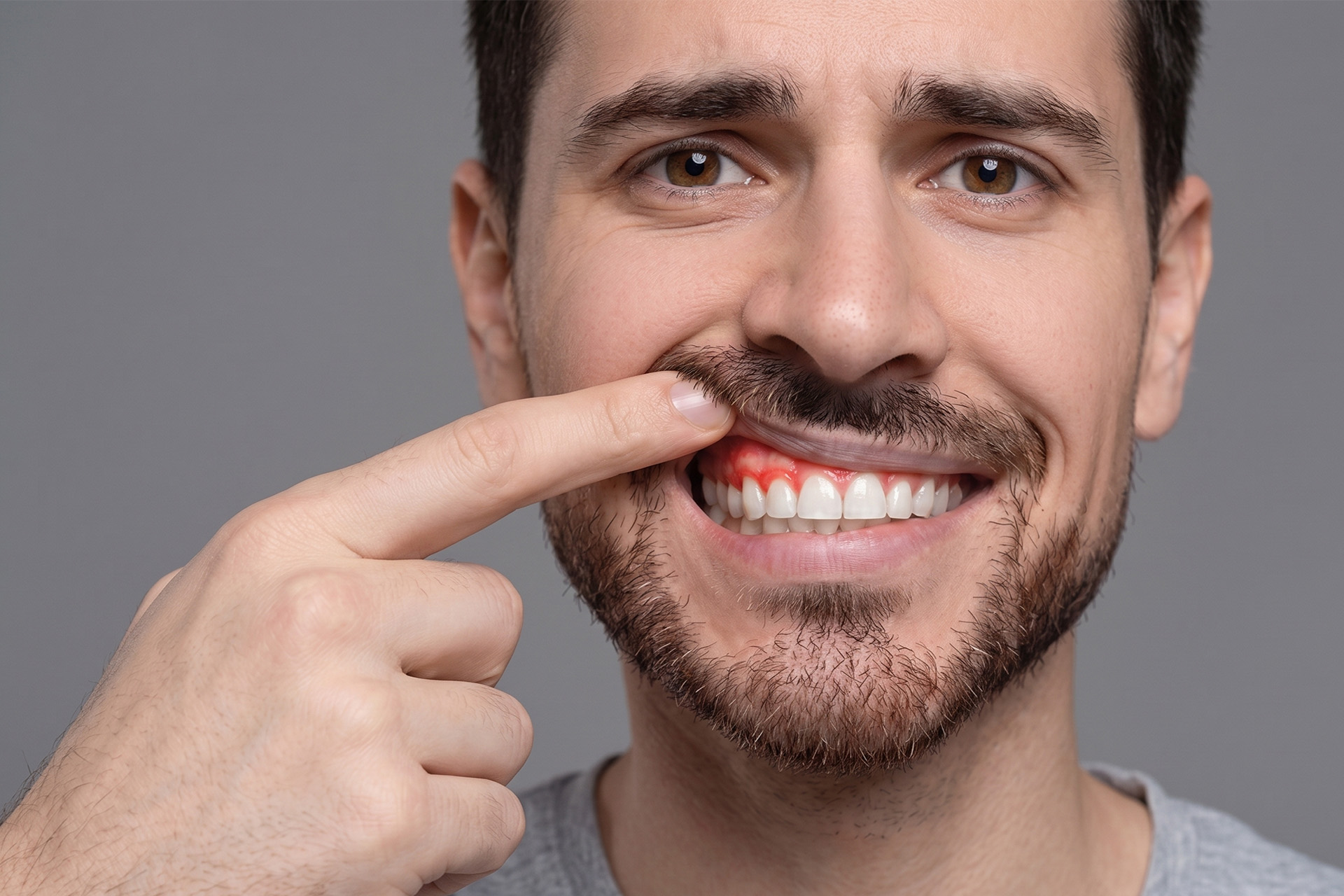
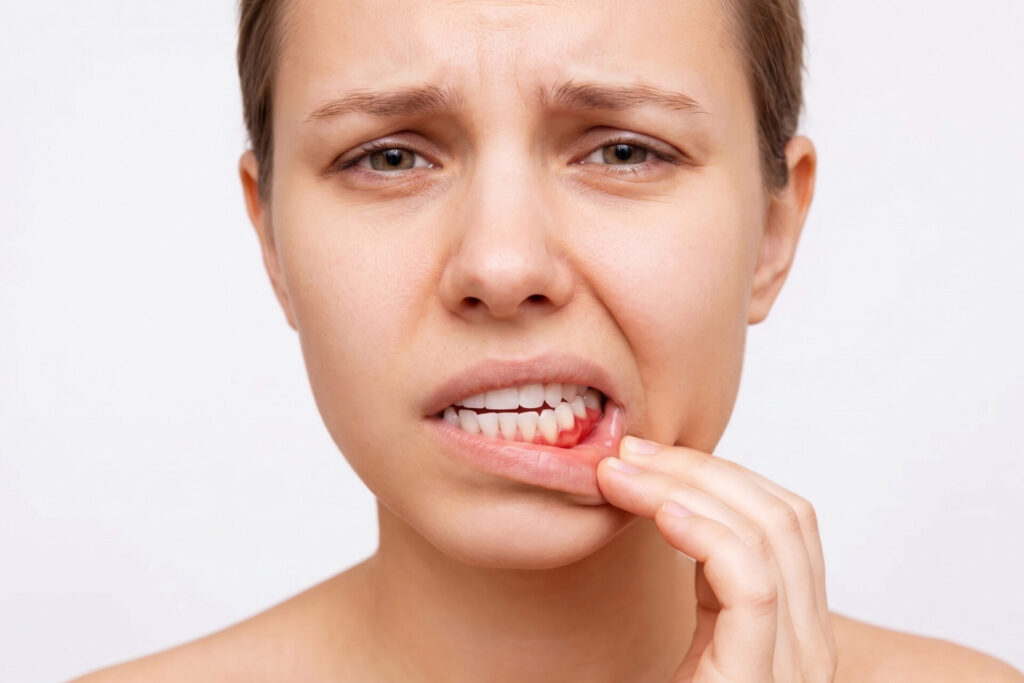
Common symptoms of periodontitis include swollen or puffy gums, bleeding when brushing or flossing, red or purplish gums, persistent bad breath, tenderness, pus around the gum line, gums pulling away from the teeth, and new spaces appearing between teeth. Some may also notice that their teeth no longer fit together the same way when they bite, or that a denture feels different.
The disease is often painless in its earlier phase. That means mild bleeding can be the only warning sign in early periodontitis or mild periodontitis. As more support is lost, teeth may feel loose, drift out of position, or become uncomfortable to chew with. In more aggressive cases of periodontitis, a periodontal abscess can develop, causing a sudden, painful flare-up with swelling and pus.
Periodontitis Stages
In periodontal care, clinicians often assign both a stage and a grade. Staging reflects the amount of damage and treatment complexity, while grading reflects the likely rate of disease progression and the effect of risk factors such as smoking and diabetes. The stage can range from Stage I (the least severe) to Stage IV (the most severe).
- Stage I is often close to what is referred to as ‘early periodontitis’ or ‘mild periodontitis’. The gums may bleed, periodontal pockets may be slightly deeper than normal, and early attachment loss or bone loss may be starting, but the teeth are usually still stable.
- Stage II is a more established disease, with deeper periodontal pockets and more obvious tissue breakdown that still needs active periodontal treatment before it worsens.
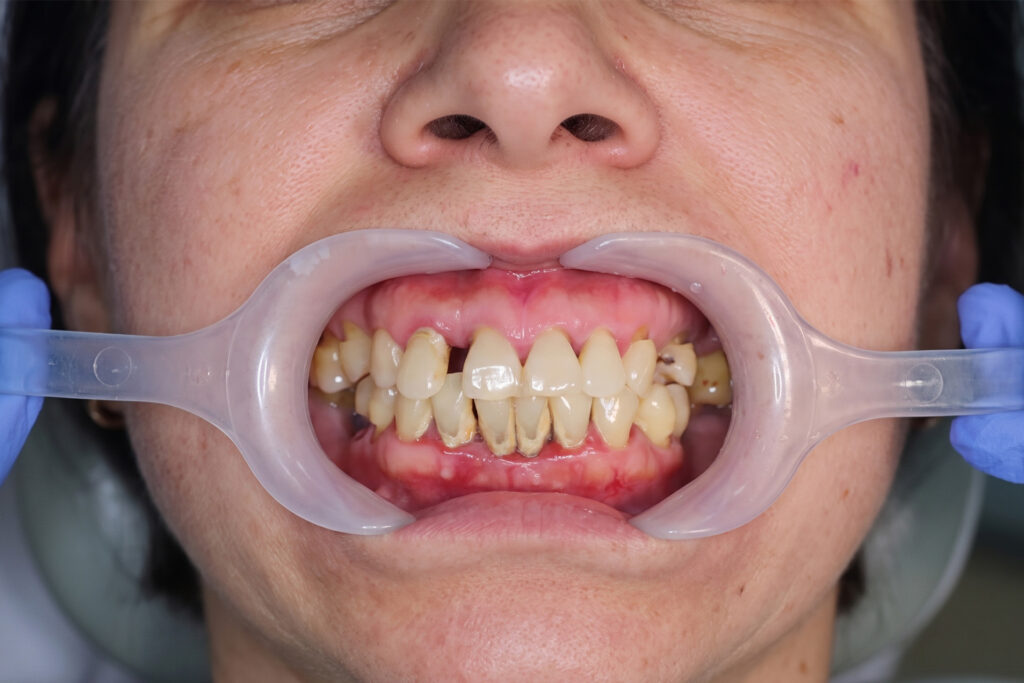
- Stages III and IV are more advanced forms of periodontitis. At this point, there may be marked bone loss, deeper gum pockets, gum recession, tooth mobility, bite changes, and difficulty keeping certain areas clean. The affected teeth and the surrounding gums may be severely compromised. More complex treatment is often needed, and some teeth may become difficult to save if support is too far gone. If severe periodontitis is left untreated, it can lead to tooth loss and broader oral health problems.
When to See a Dentist
You should see a dentist if your gums bleed repeatedly, your teeth feel loose, or your gumline appears to be shrinking.
A dental review is sensible if you have bad breath that does not settle, visible gum recession, pain when chewing, pus, or teeth and gums that show signs of deterioration. Because periodontitis can be silent for some time, regular dental visits also matter even when you do not have obvious symptoms.
Prompt care matters because earlier treatment can reduce the risk of long-term damage. That may mean coming in when the gums first start bleeding rather than waiting for pain or looseness to appear.
Diagnosis
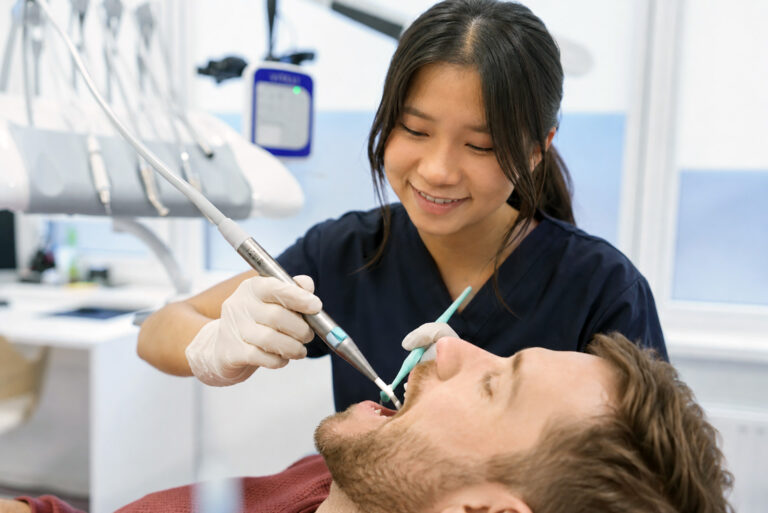
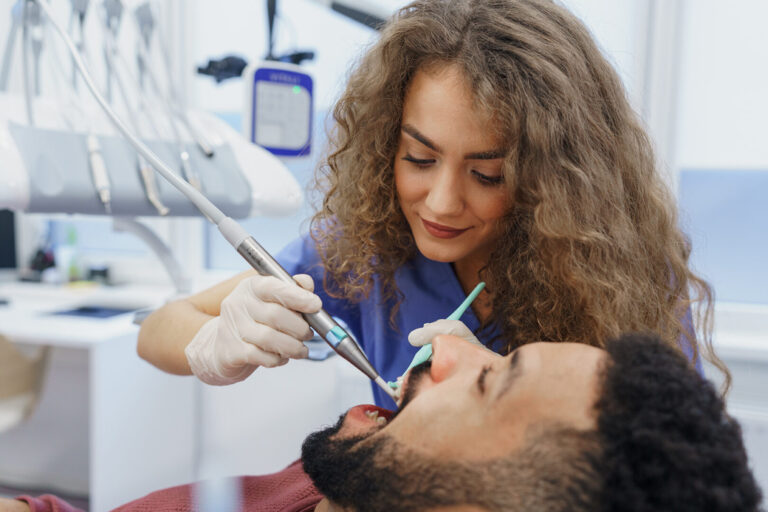
Dentists diagnose periodontitis by looking for signs of inflammation, bleeding, recession, plaque and tartar build-up, and tooth mobility. A periodontal probe, which works like a small measuring ruler, is used around the teeth to check periodontal pockets. In a healthy mouth, periodontal pockets are usually about 1 to 3 mm deep. Periodontal pockets deeper than 4 mm may indicate periodontitis. Deeper gum pockets allow bacterial infection to take hold below the gum line and accelerate bone loss. X-rays help show whether bone loss has occurred around the teeth.
Your dentist will consider your medical history, smoking or vaping habits, diabetes, medicines that dry the mouth or affect the gums, and family history. When periodontitis affects many teeth across the mouth, it may be described as generalised periodontitis.
Non-Surgical Management
Non-surgical treatments are the first step for many cases of periodontitis and aim to reduce the bacterial load and stop further breakdown.
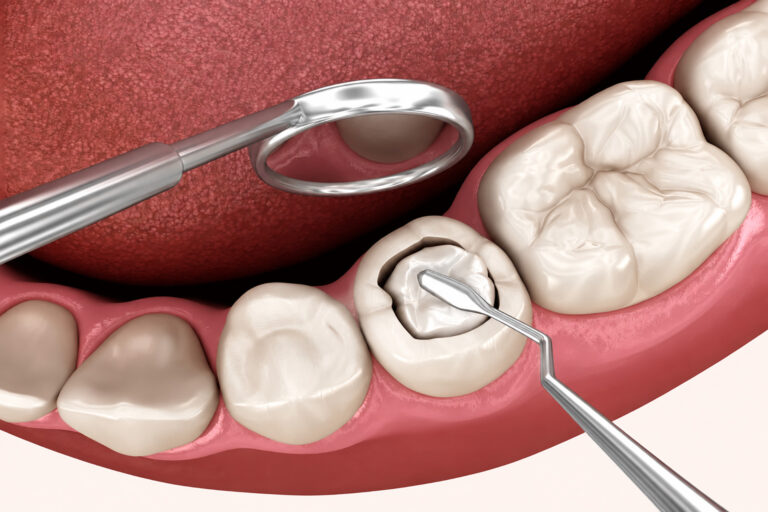
The foundation of care is deep professional cleaning, usually through professional scaling and root planing. This removes plaque, tartar, and bacterial deposits from above and below the gum line, then smooths tooth surfaces so the gums can heal more effectively. Dentists or dental professionals may also review brushing and interdental cleaning techniques, discuss smoking cessation, and address general health factors such as diabetes control. In milder cases, a dentist may prescribe oral antibiotics as an adjunct to help control bacterial infection, and oral antibiotics are sometimes used alongside scaling to improve outcomes.
A question many ask is whether home treatment for periodontitis is enough. Home care is essential, but it is not enough on its own once established periodontitis is present. Good oral hygiene, including brushing twice daily and cleaning between the teeth, is essential for keeping teeth and gums healthy between professional visits.
Maintaining good oral hygiene helps slow down the disease progression, but home care cannot remove deep tartar or repair established bone loss. Poor oral hygiene remains one of the most controllable risk factors, so oral hygiene guidance is always part of periodontitis treatment. Saltwater rinses or over-the-counter products may soothe the mouth, but they will not replace professional treatment for periodontitis.
Maintenance is one of the most important parts of treating periodontitis. Once the gums improve, patients still need regular reviews and professional cleaning, as gum disease can recur if oral hygiene slips or risk factors persist. This long-term maintenance phase is central to keeping the disease stable and maintaining healthy gums. It is also worth knowing that once inflamed gum tissue heals, it can shrink back slightly, making recession or ‘longer-looking’ teeth more noticeable even though the tissues are healthier.
Surgical Options
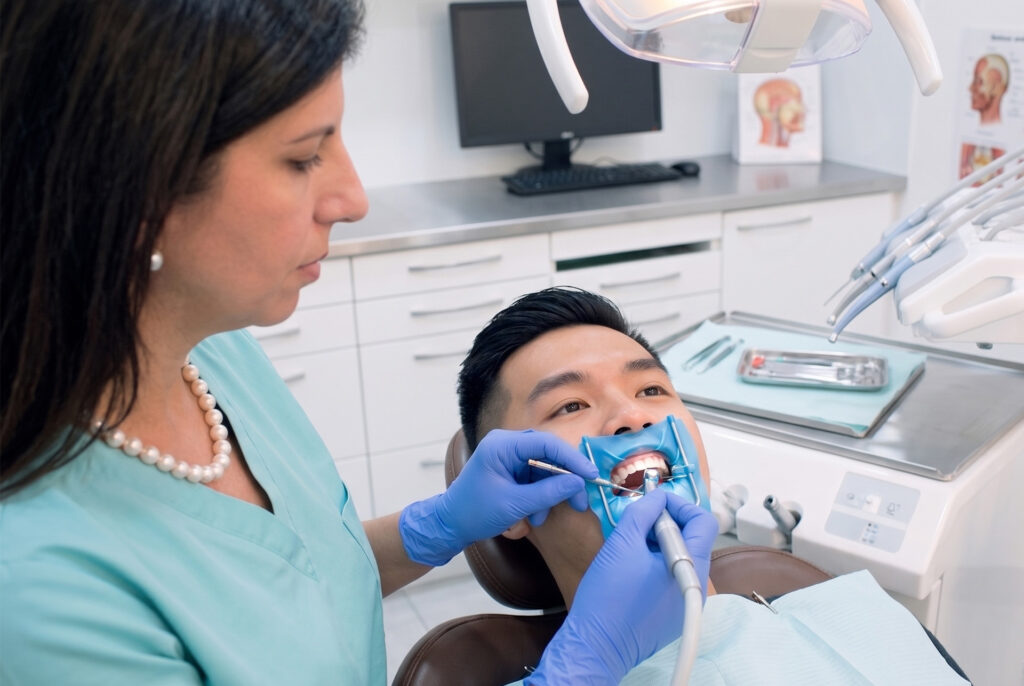
If periodontal pockets remain too deep after the initial treatment, a periodontist may recommend periodontal surgery, also called pocket reduction surgery or open flap debridement. These surgical procedures involve gently lifting the gum tissue to improve access to root surfaces and deeper areas, allowing them to be cleaned more thoroughly. Where bone has been lost, osseous, or ‘pocket reduction’ surgery or other surgical procedures may smooth irregular bone, and regenerative procedures may be considered in selected cases for affected teeth. Soft tissue grafting can also help where gum recession is pronounced. For patients who have lost teeth due to severe periodontitis, dental implants may eventually be considered once the disease is well-controlled.
Not everyone with periodontitis needs periodontal surgery. Sometimes, non-surgical treatments are effective enough to stabilise the gums, especially when the condition is caught early.
Risks and Recovery
Left untreated, periodontitis can lead to gum or tooth abscesses, ongoing pain, tooth recession, tooth mobility, and eventual tooth loss, which can affect chewing, speech, and overall oral health. There is currently no way to fully cure periodontitis once bone support is lost, but consistent professional treatment and good oral hygiene can stabilise the condition and reduce its impact on oral health.
After non-surgical treatment, mild tenderness, slight bleeding and temporary sensitivity are common for a short time. After surgery, swelling and soreness may be more noticeable for a few days, depending on the procedure. Recovery is usually more predictable when patients maintain consistent oral hygiene, avoid tobacco, attend follow-up visits, and follow the maintenance schedule provided by their dentist.
How TEETH @ Tiong Bahru Can Help
Patients seeking information about gum disease or guidance on treating periodontitis will find that effective treatment requires a structured plan from a qualified dental professional. At TEETH @ Tiong Bahru, the goal is to help patients understand what is happening, what can be controlled, and what daily oral hygiene will make the biggest difference over time.
TEETH @ Tiong Bahru can help by diagnosing periodontitis early, accurately measuring it, and developing a realistic treatment plan for you.
That kind of structured care matters because successful treatment depends on partnership. Professional debridement, possible periodontal referral, and consistent oral hygiene all work together. When bleeding gums, recession or mobility are assessed early, there is usually a better chance of stabilising the condition and keeping teeth functional for longer.
If you are looking for periodontitis treatment, believe your gums are receding, or want to know more about prevention, make an appointment with TEETH @ Tiong Bahru to better serve your long-term oral health.