
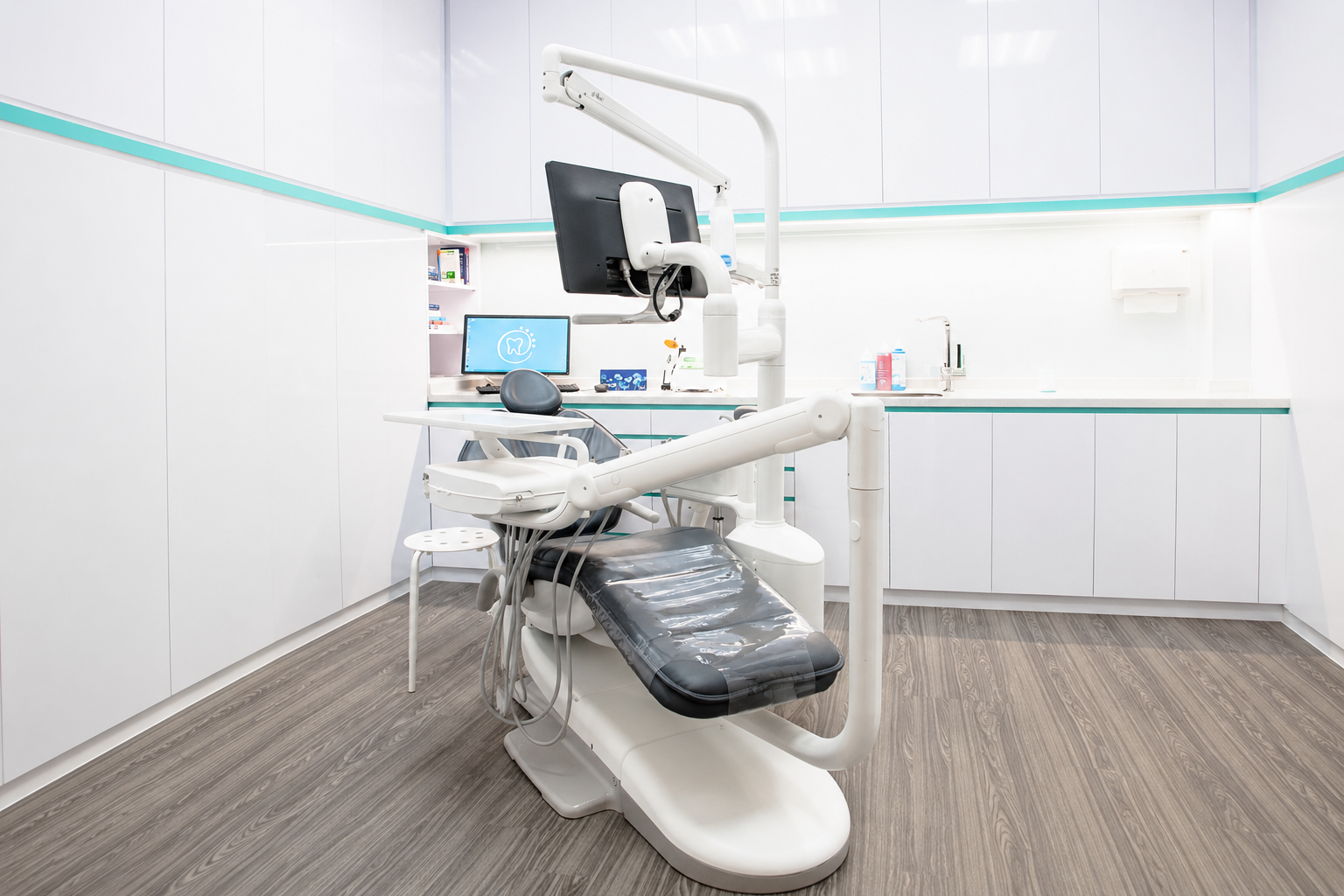
Reviews every 4–8 weeks.
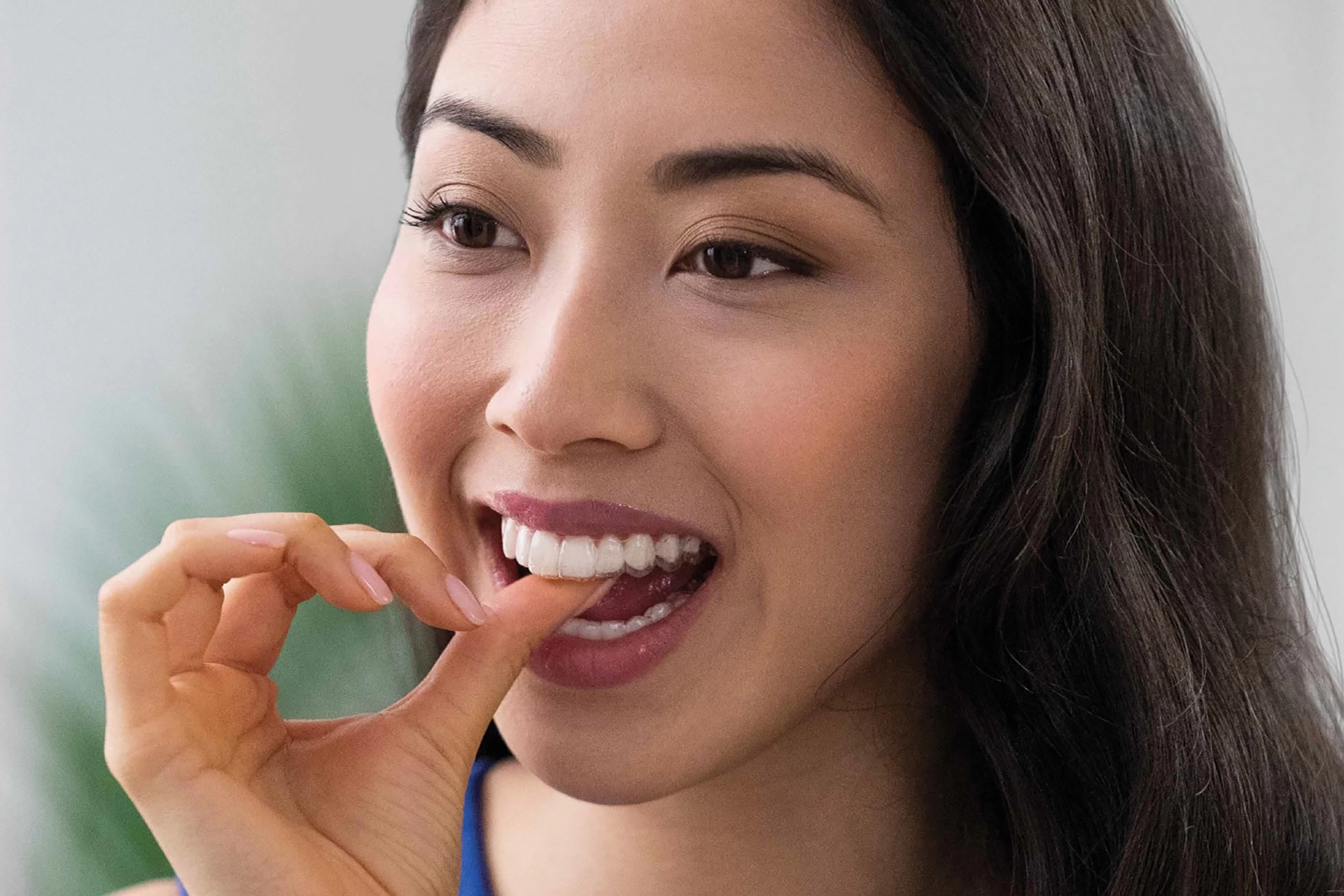
Invisalign® and OneSmile aligners.
Children, teens and adults.
Block 11A Boon Tiong Road
Dental braces, sometimes called teeth braces, are orthodontic appliances that gradually move misaligned teeth and improve how the upper teeth and lower teeth meet. Teeth braces in Singapore may be used for children, teenagers and adults, but the right appliance and treatment plan depend on the patient’s bite, jaw position, orthodontic needs and oral health.
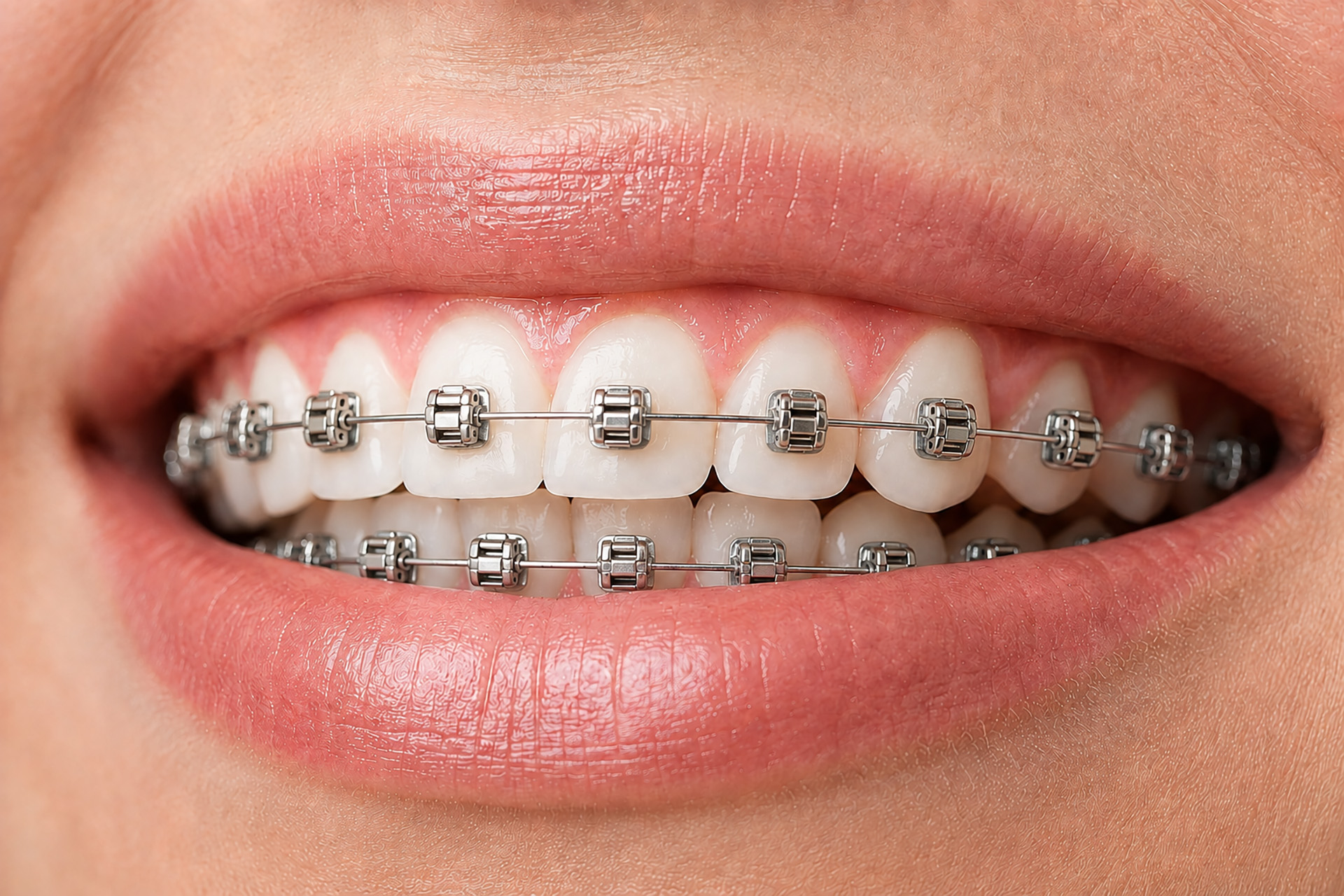
Brackets are bonded to the teeth and connected by an archwire that guides tooth movement, stage by stage.
The body remodels the bone around each tooth, allowing teeth to move gradually towards their desired positions.
Clear aligners use a planned series of removable trays. Each moves the teeth a small distance before the next continues.
Staged reviews let the dentist monitor progress, adjust the appliance and check the health of teeth and gums.
Dental braces can treat many dental conditions involving tooth position and bite, which is how the upper and lower teeth meet. Treatment may change the upper teeth, lower teeth or both arches. Dental braces alone cannot correct every problem. Misaligned jaws or complex orthodontic issues may need growth-related treatments, assessments by a dental specialist, or jaw surgery.
01
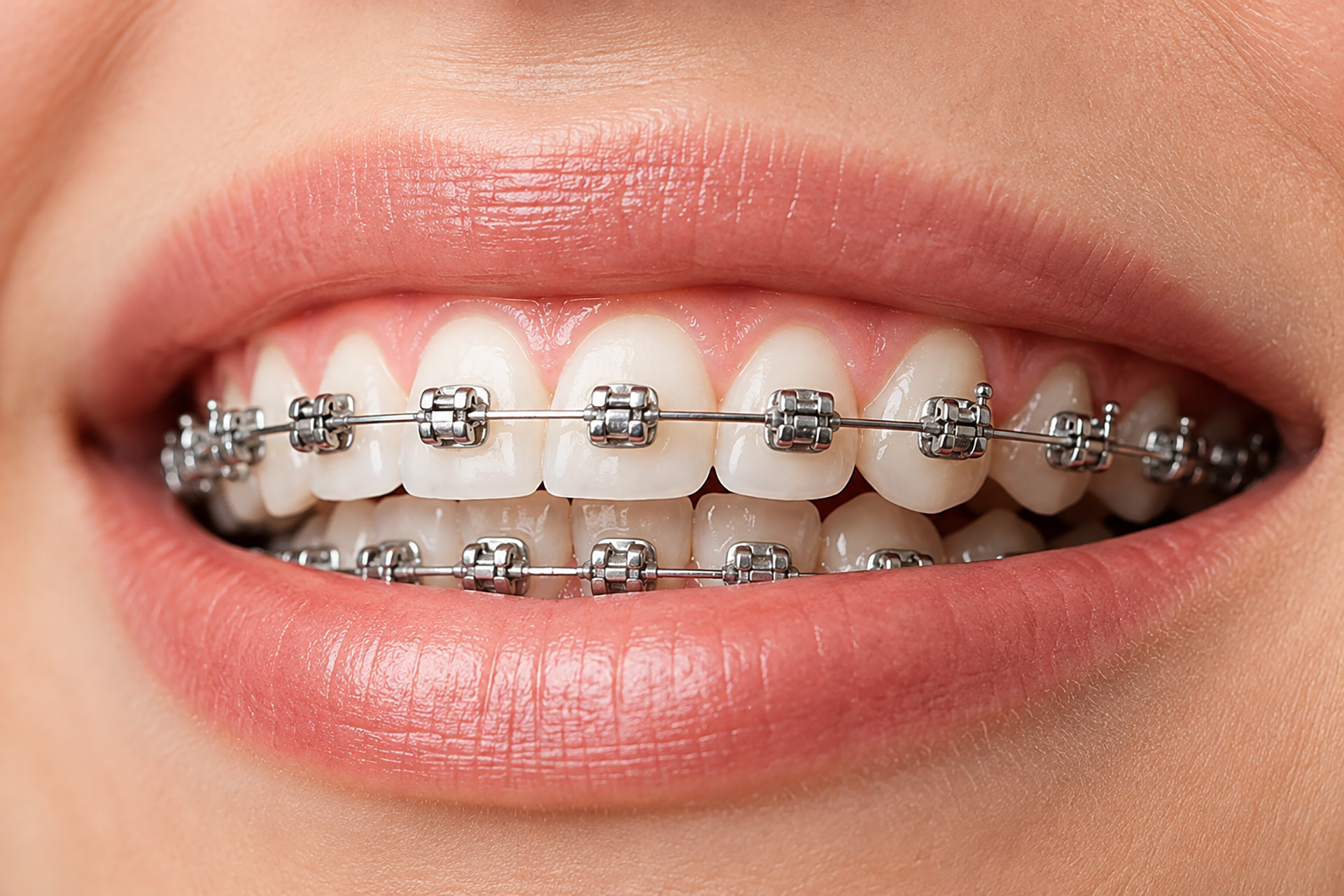
Metal brackets, wires and sometimes colourful rubber bands, attached throughout treatment.
02
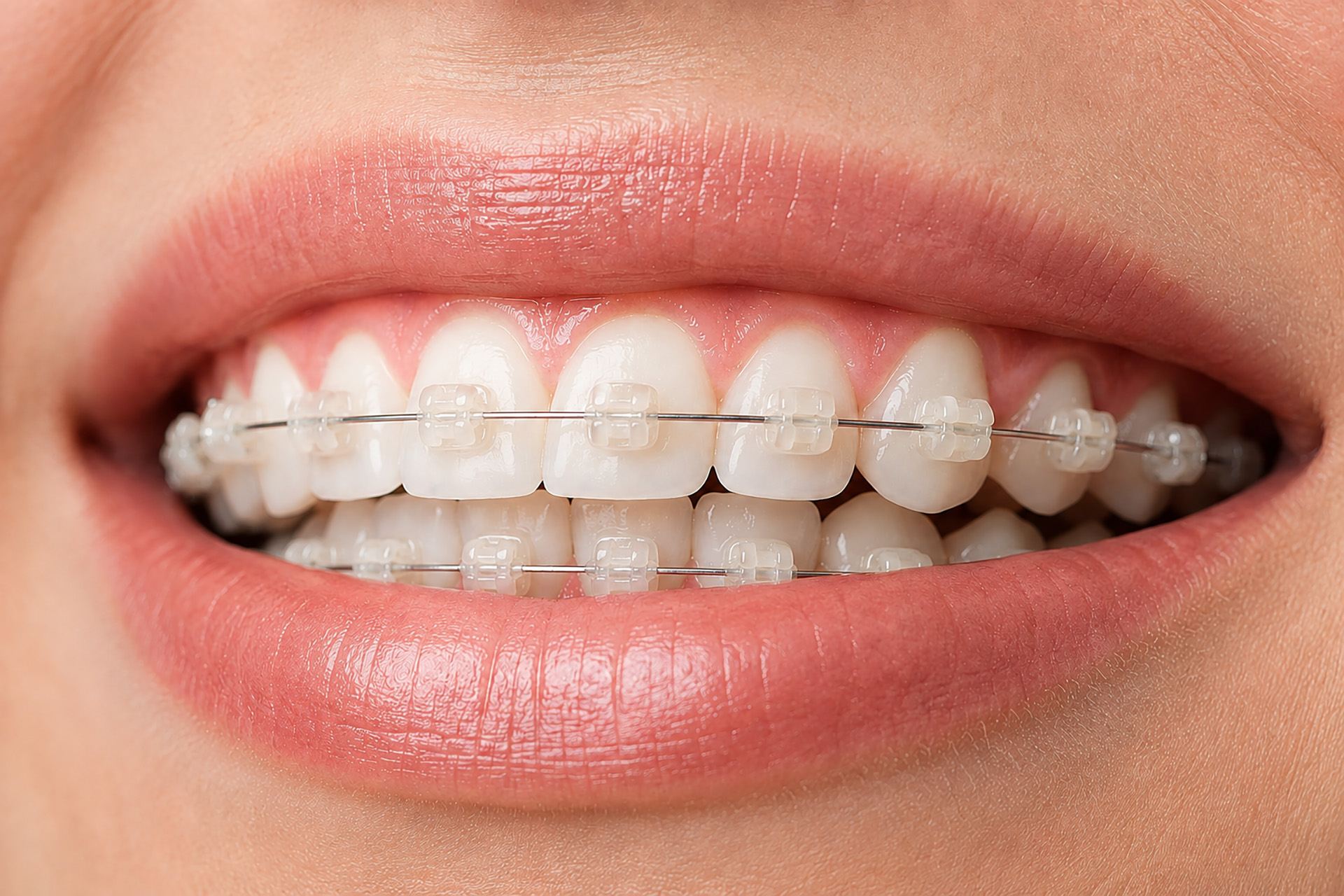
Tooth-coloured ceramic brackets that blend with natural teeth, more discreet appearance.
03
Fixed appliances with a built-in slide mechanism holding the archwire instead of elastic bands.
04
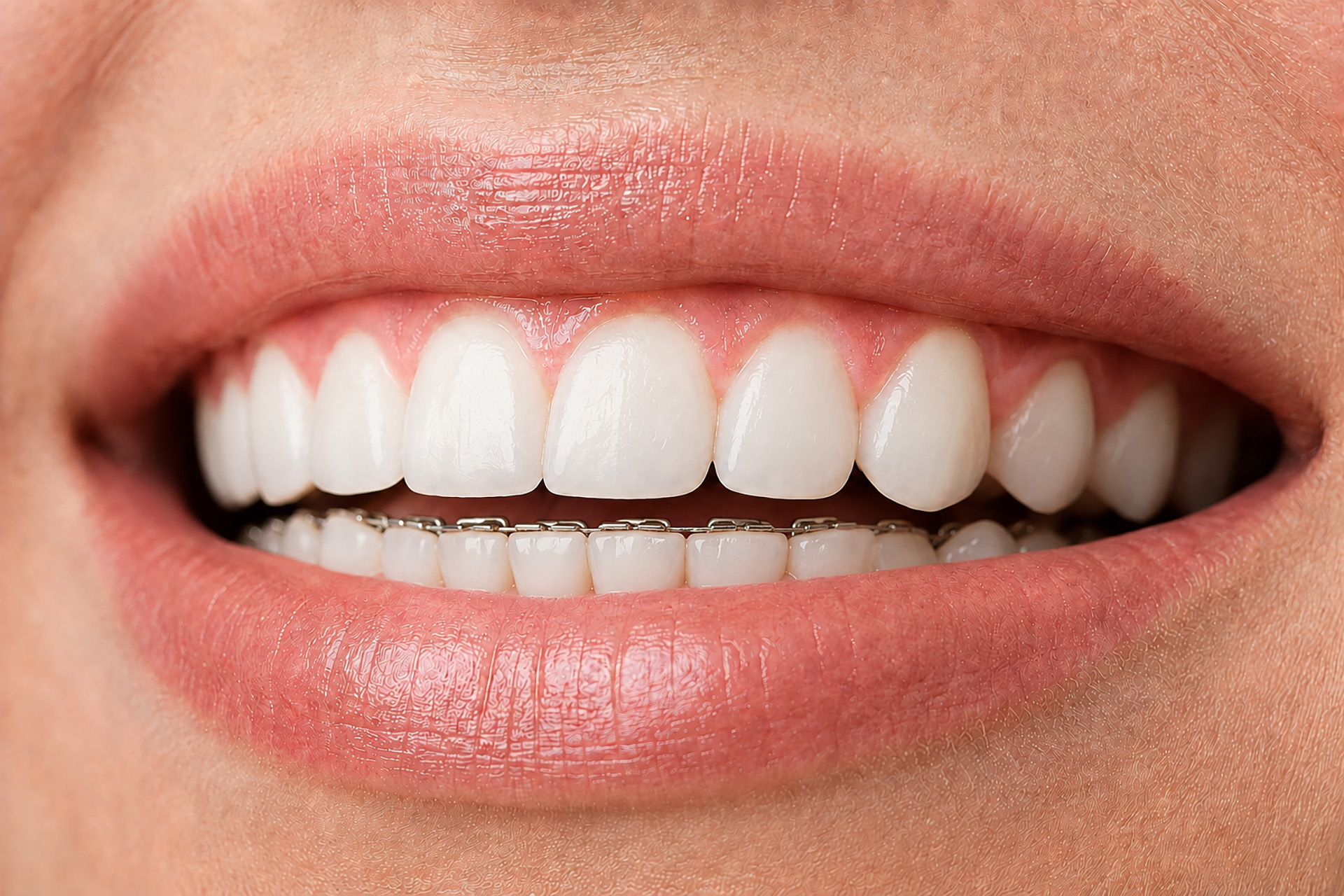
Fitted behind the teeth, hidden from view. They require specialised training to fit and adjust.
05
Removable trays, rather than brackets and wires, are worn for a prescribed number of hours each day.
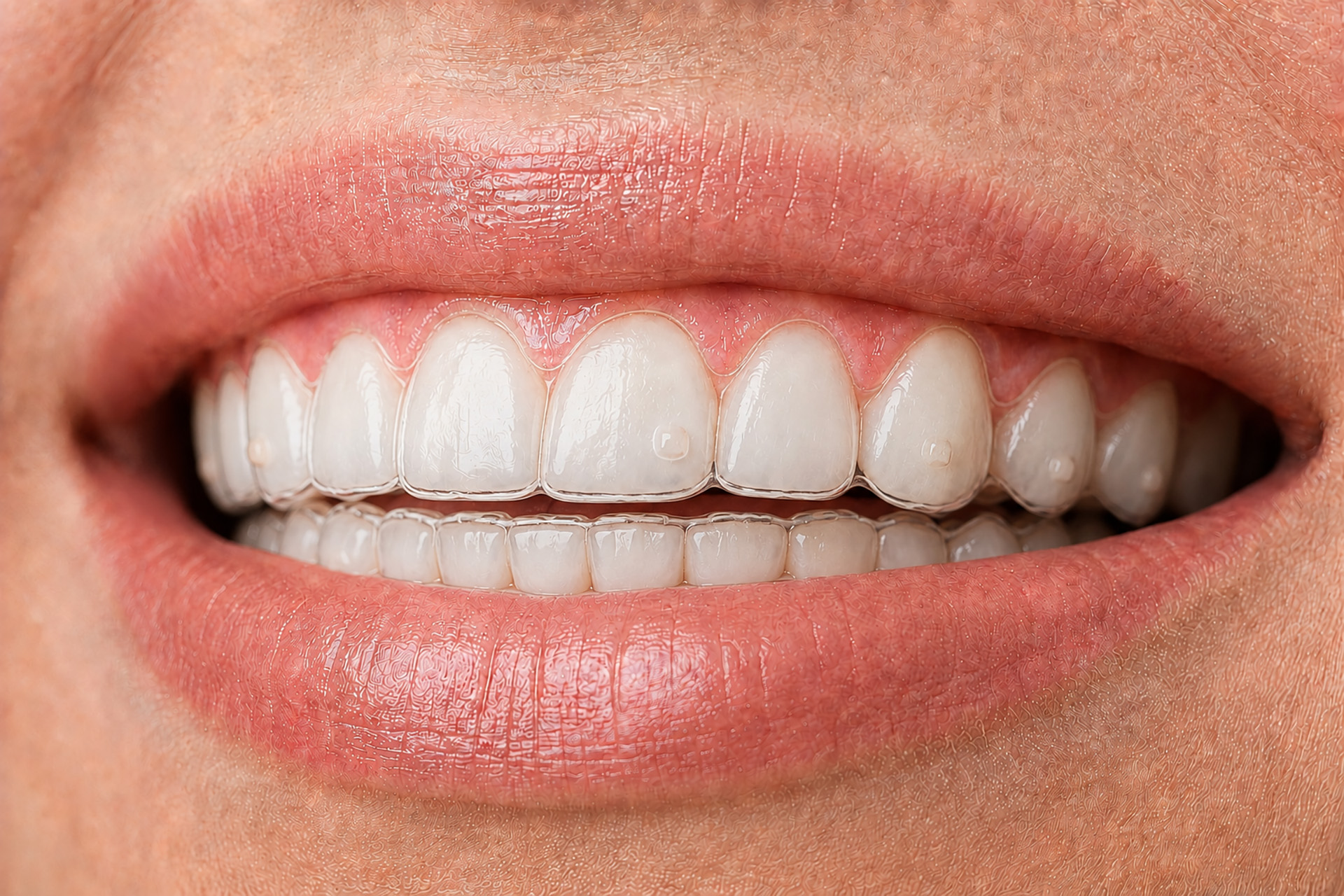
The choice depends on the required tooth movements and how consistently you can use the appliance. Traditional braces work continuously; clear aligners are removable and less noticeable but require consistent daily wear.
Some alignment issues can be treated with either approach, while others need fixed appliances. An assessment is needed before recommending an option.
Globally established clear aligner system. From $3,270 to $9,265 incl. GST.
A value-focused aligner option. From $2,398 to $6,104 incl. GST.
Concerned about visibility? Adults may ask about ceramic appliances or aligners at their assessment.
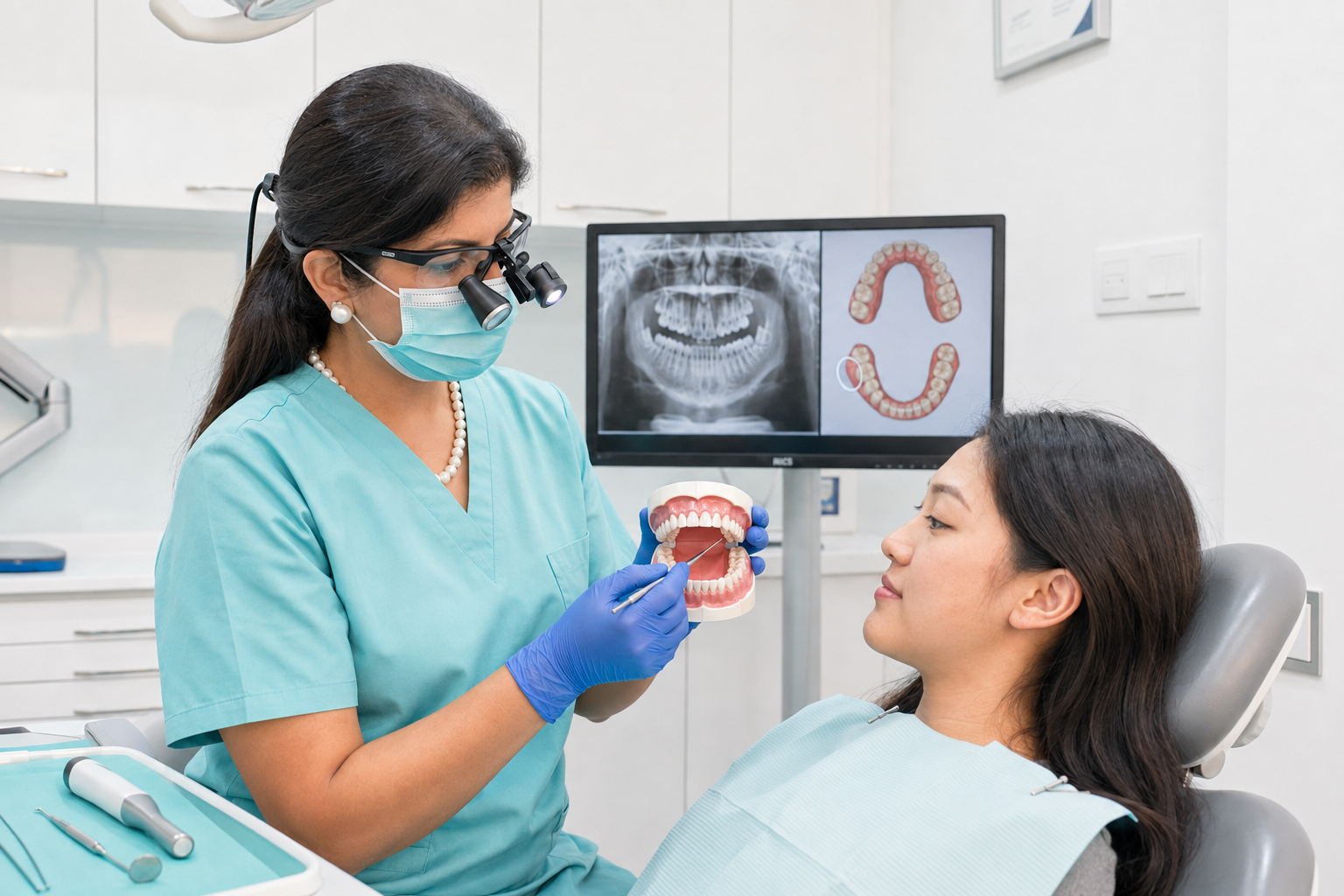
1 · Assessment & records
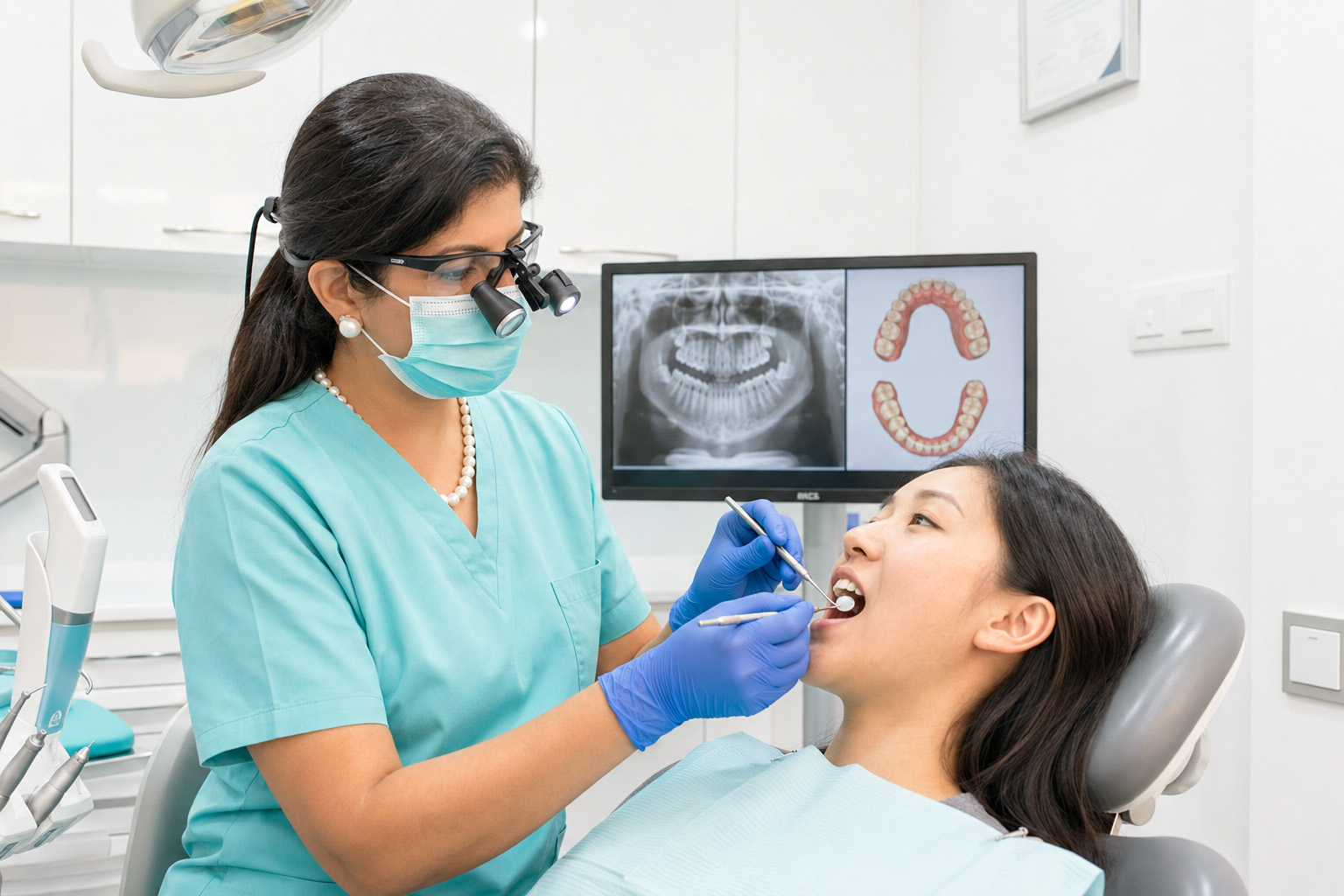
The dentist examines your teeth, bite and gums. Photographs, X-rays, scans or impressions help plan and decide when to start.
2 · Preparation
Decay and gum disease are managed first. Some patients need a tooth extraction to create space, but not in every case.
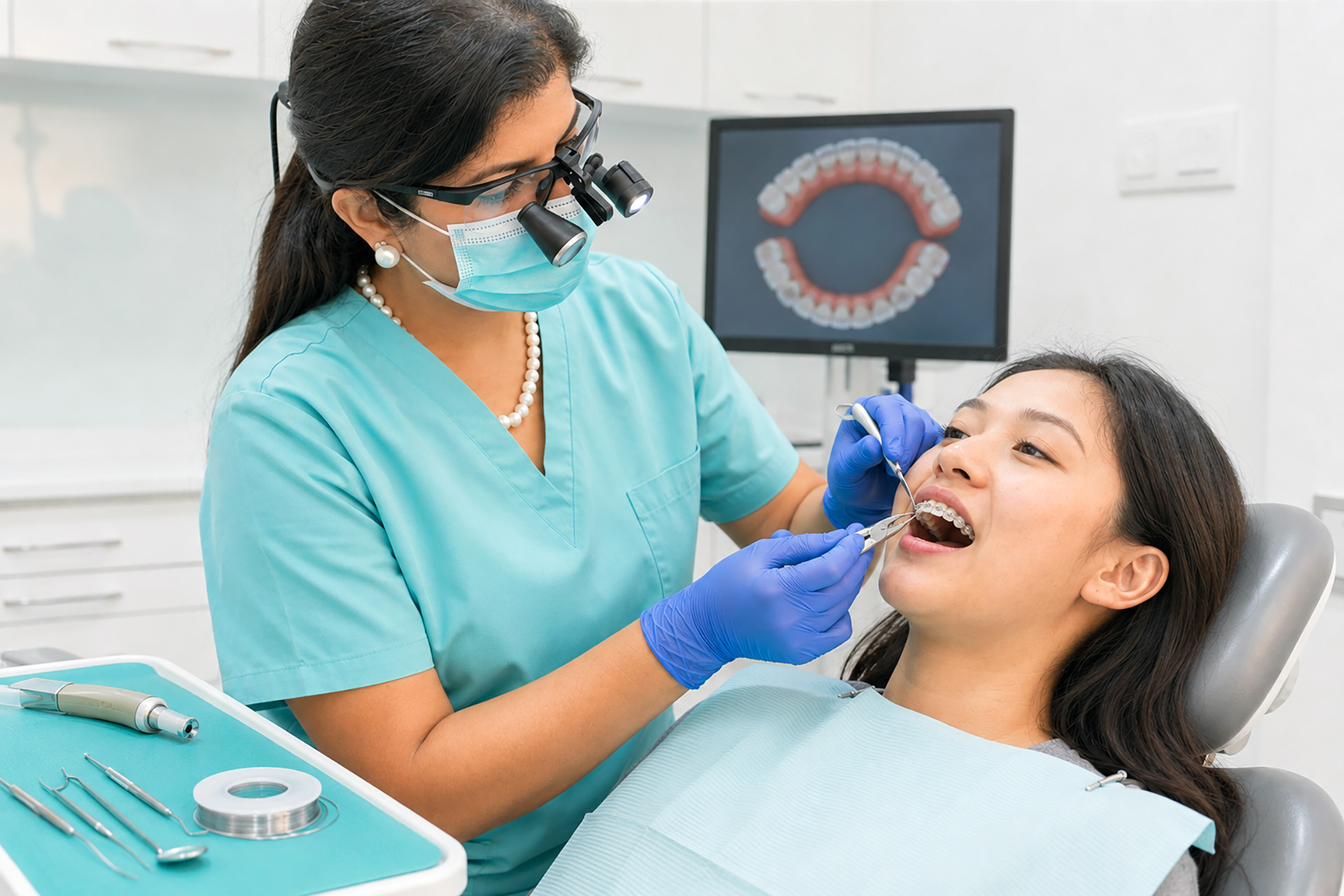
3 · Fitting & reviews
Teeth are cleaned before placing brackets and the archwire. Follow-ups every four to eight weeks check progress and make adjustments.
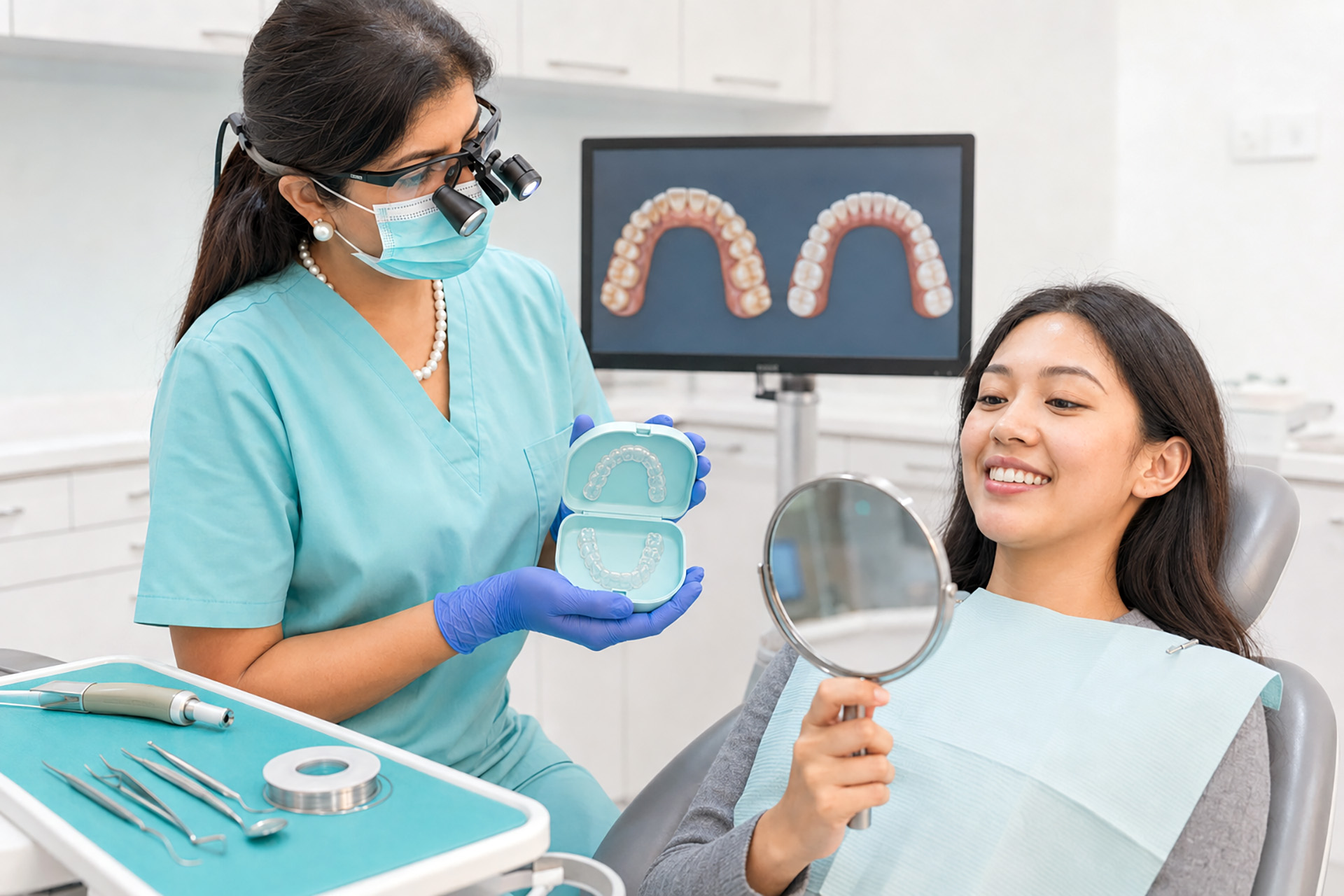
4 · Retention
Once teeth are straightened, appliances come off. You’ll wear a retainer as advised, often long-term, because teeth can keep moving.
The cost of dental braces in Singapore depends on the appliance, complexity, treatment duration and services included in the fee. At TEETH @ Tiong Bahru, the price of braces is:
Treatment brace prices in Singapore may vary depending on the complexity of your case. Mild, moderate, and complex cases cost different amounts.
Extractions, replacement appliances, or additional records may increase the cost. People searching for cheap braces in Singapore should compare the total course of care, not just the initial fee.
CHAS and MediSave generally do not cover routine orthodontic treatment. Some related dental procedures may qualify separately, while insurance and employer benefits vary.
Under-18s at selected clinics · includes consult, X-ray, study model & GST; excludes retainer. $19.60 sterilisation fee per visit.
Every mouth is different. These answers are general. Your assessment at TEETH @ Tiong Bahru covers what applies to you.
People with crooked teeth or bite concerns who have healthy teeth and gums. Good oral hygiene matters because brackets can trap plaque. A dental health check comes first. Dentists usually manage cavities, active gum disease, and other issues before tooth movement begins. Tell your dentist about loose or injured teeth, restorations, medicines and health conditions that may affect bone or healing.
There is no single ideal age for braces. The ideal age depends on the orthodontic problem and the patient’s dental and jaw development. An early assessment may identify orthodontic problems involving tooth eruption, jaw growth or the bite, but dental brace treatment may not need to begin immediately. Many young people start comprehensive treatment between 10 and 13 years old. Dental brace treatment often begins after age 12, when most permanent teeth have emerged. Some permanent teeth appear earlier or later. Adults can also wear braces if their teeth and gums are healthy. Learn more about braces and early orthodontic treatment for children
The time needed for dental braces varies. Dental brace treatments can take between 1 and 2.5 years and often last 18 to 24 months. Some cases take 15 to 36 months. Treatment duration depends on the movement required, bite problems, growth, oral health and the patient’s response to the treatment.
Complex cases, breakages, missed visits, and not wearing prescribed elastics can delay the patient’s progress. Adults may need longer treatment times than children because gum support, missing teeth, or restorations can affect planning. Individual responses can also extend the treatment time.
Dental braces commonly cause temporary soreness or irritation after fitting and adjustments, but severe or persistent pain should be assessed. Orthodontic wax and suitable pain relief may help with short-term discomfort when advised by dental professionals.
People who wear dental braces are at higher risk of plaque buildup. Possible complications include tooth decay, white marks on the tooth enamel, gum inflammation or recession, shortened tooth roots, and unwanted tooth movement after treatment. Careful cleaning, regular dental reviews and following the appliance instructions help reduce some risks.
| Scheme | Are braces covered? | What may be covered separately? |
|---|---|---|
| CHAS | No. Orthodontic treatment, braces and routine adjustment visits are not listed as subsidised CHAS dental procedures. | Eligible services such as consultations, X-rays, scaling, fillings or extractions may qualify under their respective claim rules. |
| MediSave | Generally no. MediSave cannot usually be used for optional or cosmetic orthodontic treatment. | A medically necessary, MediSave-claimable surgical procedure related to treatment may be covered separately. This does not mean the braces themselves are covered. |