What Is Gingivitis?
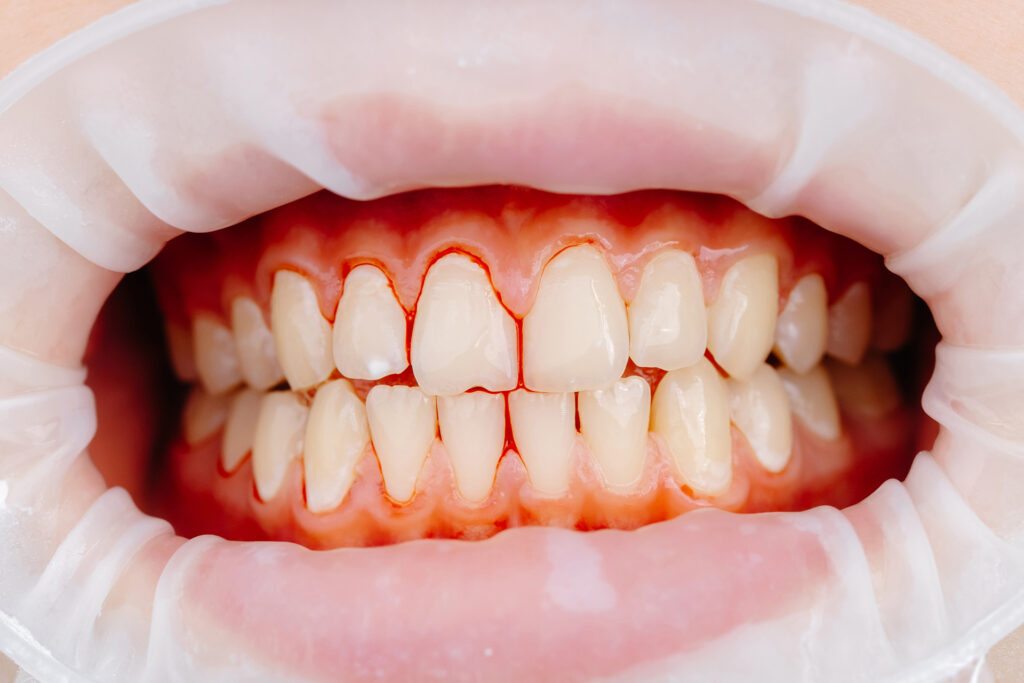
Gingivitis is the earliest stage of gum disease, characterised by red, swollen, bleeding gums. It is not usually contagious, but it can become serious if left untreated. The good news is that gingivitis is reversible when caught early and treated correctly. However, if left unaddressed, it can progress to periodontitis, a more severe condition that may lead to tooth loss and other health issues. Unfortunately, many people seek treatment only after it reaches this stage.
The primary cause of gingivitis is plaque, a sticky film of bacteria that accumulates on teeth. If you don’t remove plaque through proper brushing and flossing, it hardens into tartar and irritates the gums. Other factors, such as hormonal changes, certain medications, or underlying health conditions, can also increase the risk of gingivitis.
At TEETH @ Tiong Bahru, we focus on both treating and preventing gum disease. Our dentists use advanced techniques to remove plaque and tartar, reduce gum inflammation, and promote gum health. With early detection and professional care, we can reverse gingivitis, helping you maintain healthy gums and a confident smile for life.
What Should You Know about Gingivitis?
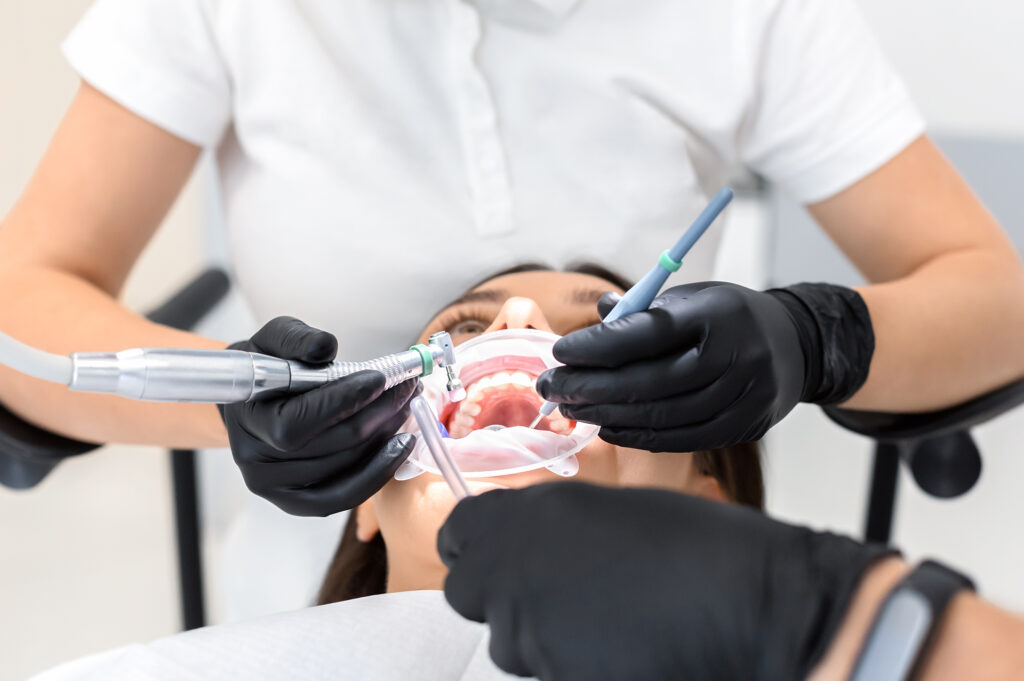
Our teeth go deeper into our gums than we can see. Where they connect, a small space can form where debris or bacteria can accumulate. If you don’t maintain good oral hygiene, bacteria build up, increasing the risk of infection and gingivitis.
Acute and chronic gingivitis are common gum diseases. It’s easy to spot healthy gums vs gingivitis. When the gums are affected, they become swollen, tender and irritated. Infection often results from poor oral hygiene, which allows unwanted bacteria to accumulate in the mouth. Over time, this can lead to more severe dental conditions. If you have gingivitis, treat it promptly to prevent it from progressing to a more severe condition, such as periodontitis.
Gingivitis is highly treatable, but like most conditions, itis best to prevent it with a rigorous daily dental care routine.
What Are the Symptoms of Gingivitis and Periodontitis?
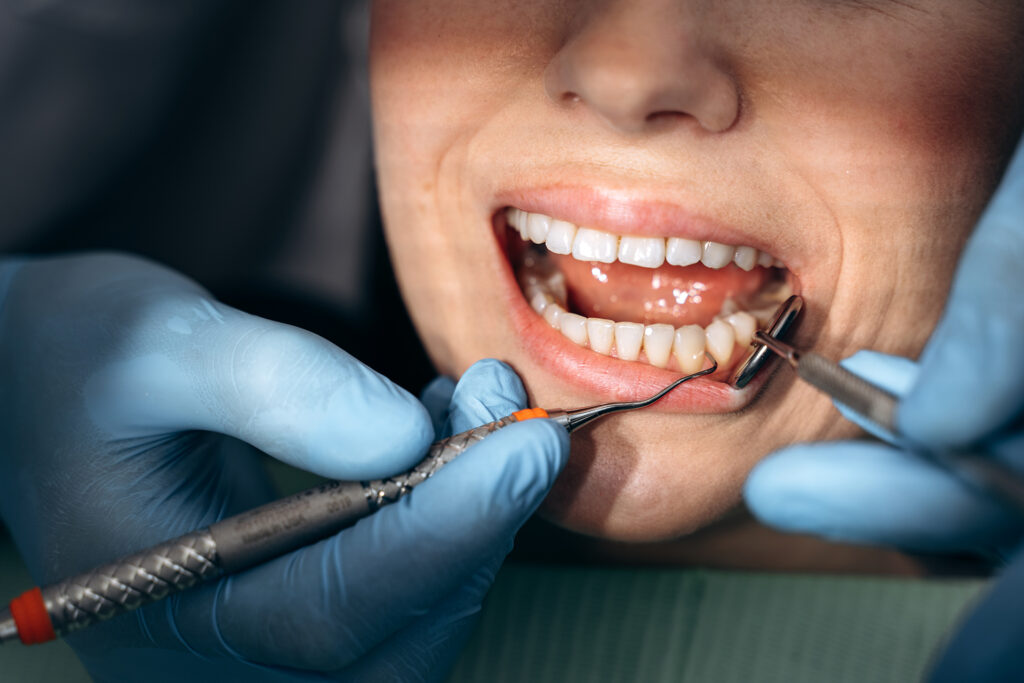
Gingivitis can progress to more serious periodontal disease, characterised by a buildup of dental plaque and calculus (also known as tartar) on the teeth. Gum recession and swollen, bright-red gums are common symptoms of periodontal disease, including periodontitis.
Symptoms of gingivitis and signs of gum disease include:
- Your gums are becoming red, sensitive, swollen, or start to bleed when you brush or floss your teeth
- Gums peeling away from your teeth, causing your teeth to become loose
- Change in how your teeth fit together when you bite (malocclusion)
- Partial dentures that don’t fit, creating pain when biting
- Persistent bad breath that does not go away even after brushing your teeth
If you want to learn how to cure gingivitis, you need to understand its causes and how to prevent it, including periodontitis treatment.
What Causes Gingivitis?
Poor oral hygiene commonly causes gingivitis and gingival recession. However, gingivitis can also strike those who maintain a good dental regimen. Researchers have found that hormonal changes, such as those during pregnancy, increase the risk of gum inflammation. Additionally, crowded or overlapping teeth make maintaining dental hygiene difficult, as it is challenging to brush or floss certain areas in the mouth. Other common factors include diabetes, certain drugs, tobacco use, poor diet, and/or a hereditary predisposition.
Some forms of gingivitis that cause swollen gums aren’t caused by plaque buildup. They may be caused by certain medications, viruses, or fungi, such as thrush, an impacted tooth, or a tooth that hasn’t fully emerged. In the last case, the gum flap over the tooth can trap debris, leading to gingivitis.
Periodontal disease, on the other hand, typically begins with gingivitis itself. It is also influenced by different factors, but is primarily caused by gingivitis. This means that periodontal disease is within a patient’s control, as long as they work to prevent gingivitis and treat infections and gum problems as they arise.
Gum Disease Stages
Gum disease, also known as periodontal disease, develops in several stages, each with increasing severity and impact on your teeth and gums.
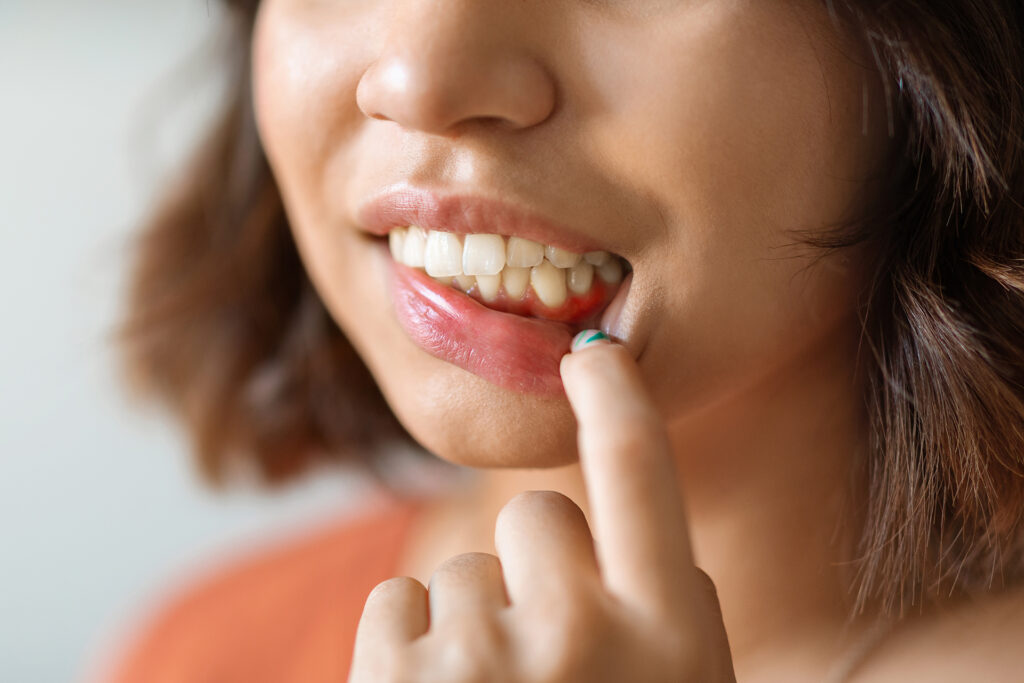
- Gingivitis: The earliest stage of gum disease, caused by plaque buildup along the gum line. Gingivitis is characterised by red, swollen, bleeding gums, especially when you brush. At this stage, the disease is still reversible with proper oral hygiene and professional care.
- Early Periodontitis: If you leave gingivitis untreated, it can progress to early periodontitis. Here, the infection begins to affect the bones and tissues that support your teeth. You may notice small pockets forming between your teeth and gums, which can trap more plaque and bacteria.
- Moderate Periodontitis: As the disease advances, bone loss and pocket depth increase. This makes it more challenging to maintain good oral hygiene and keep your teeth and gums clean. You may experience gum recession, loose teeth, and increased sensitivity.
- Advanced Periodontitis: In the final stage of gum disease, significant bone loss occurs, and teeth may become very loose or even fall out. The gums may recede further, and you may require extensive dental treatment to restore your oral health. Advanced periodontitis can also impact your overall health if not addressed promptly.
Recognising the stage of gum disease you are in is the best way to seek timely treatment and protect your teeth and gums from further damage.
Gingivitis Prevention
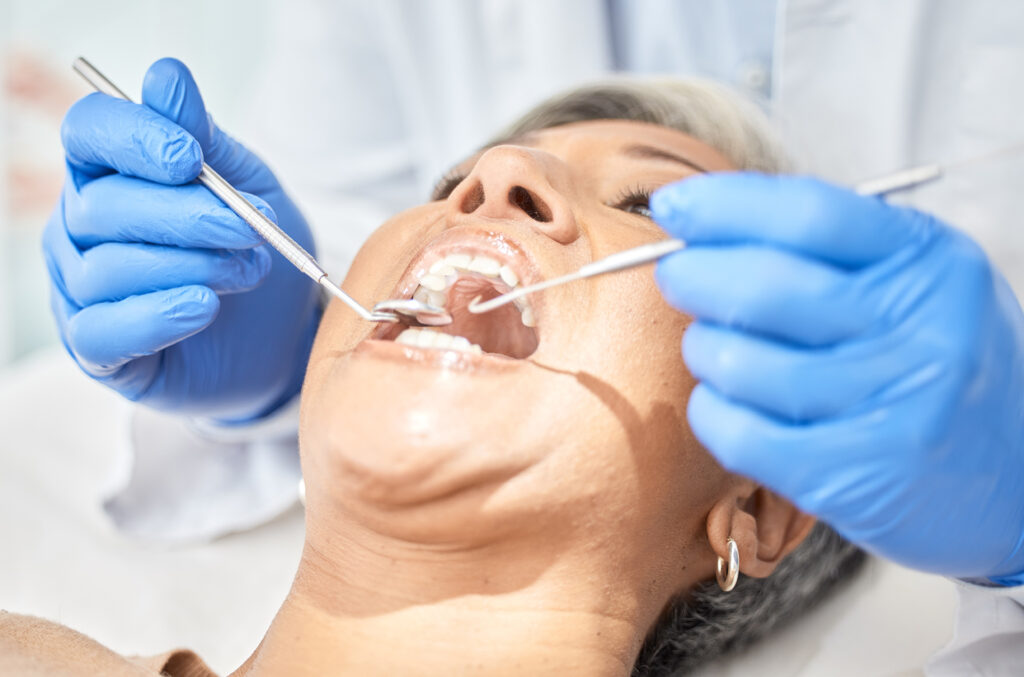
Preventing gingivitis involves maintaining daily oral hygiene routines, scheduling regular professional cleanings, and managing underlying health conditions to reduce the risk of recurrence or the worsening of gum issues.
Periodontitis is a prevalent and irreversible inflammatory condition and represents a significant concern for public health. Severe periodontitis affects over 11% of adults and is an essential cause of tooth loss, negatively impacting speech, nutrition, quality of life, and self-esteem, and has systemic inflammatory consequences. Periodontitis is preventable, and treatment reduces tooth loss and improves quality of life. Successful treatment of gingival swelling requires behaviour change to address lifestyle risk factors (e.g., smoking) and, most importantly, to attain and sustain high standards of daily plaque removal.
While mechanical plaque removal remains the bedrock of successful periodontal disease management, the threshold for plaque accumulation to trigger periodontitis is low in high-risk patients. Such patients may benefit from adjunctive agents to prevent periodontitis.
Diet and Nutrition for Healthy Gums
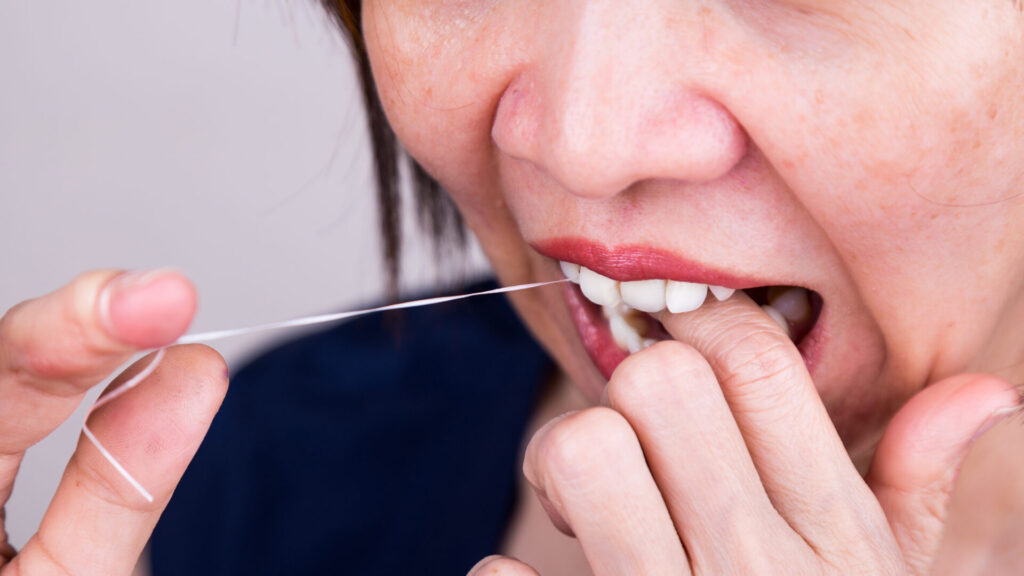
A nutritious diet is a powerful tool in fighting gum disease. The foods you eat can directly impact the health of your gums and teeth, helping to prevent disease and support healing.
- Vitamin C is essential for gum health, as it helps your body produce collagen, a protein that gives structure to your gums and other tissues. Citrus fruits, strawberries and bell peppers are excellent sources of Vitamin C.
- Calcium is vital for maintaining the strength of your teeth and jawbone. Dairy products, leafy greens, and almonds are rich in calcium.
- Vitamin D helps absorb calcium, which is crucial for strong teeth and bones. You can get vitamin D from sunlight, fortified dairy products and fatty fish such as salmon.
- Omega-3 Fatty Acids have anti-inflammatory properties that can help reduce gum inflammation and support healing. Foods such as walnuts, flaxseeds and fatty fish are good sources.
Incorporating these nutrients into your daily diet can help maintain healthy gums and lower your risk of gum disease. Remember, a balanced diet not only benefits your oral health but also your overall well-being.
Lifestyle Changes to Support Gum Health
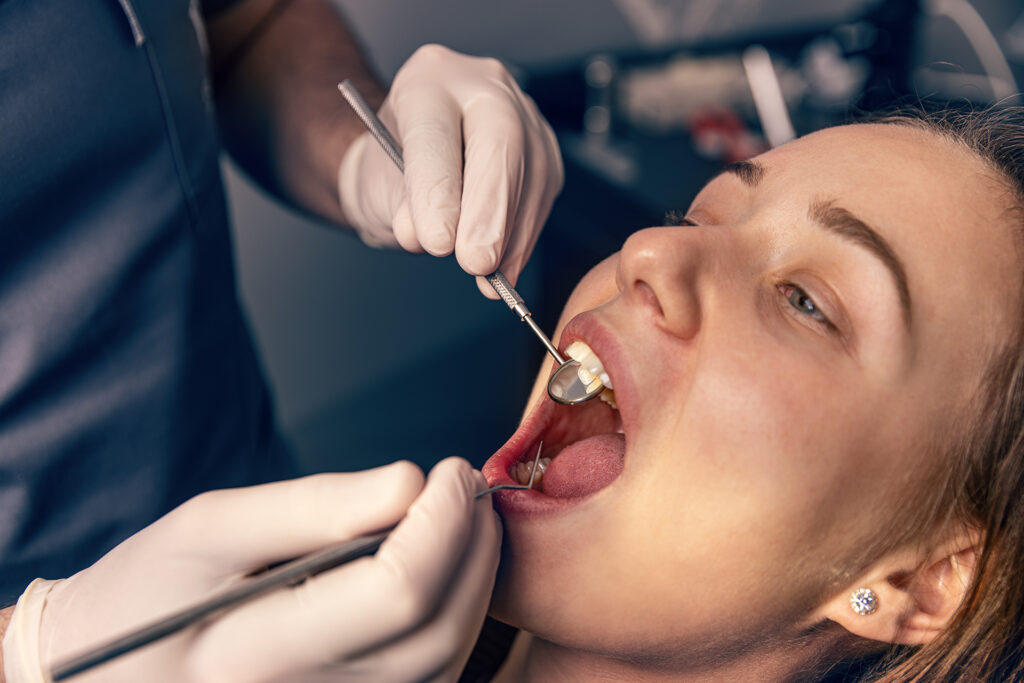
Positive lifestyle changes are a key part of preventing and managing gum disease. Simple adjustments to your daily habits can significantly impact the health of your mouth and gums.
- Quitting Smoking: Smoking is a significant risk factor for gum disease and can make it harder for your gums to heal. If you are a smoker, quitting is one of the best ways to protect your oral health.
- Reducing Stress: High stress levels can weaken your immune system, making it harder for your body to fight infections, including gum infections. Practising stress-reducing activities such as meditation, yoga, or regular exercise can be beneficial.
- Maintaining a Healthy Weight: Being overweight or obese can increase your risk of developing gum disease. Eating a balanced diet and staying active can help you maintain a healthy weight and support your gum health.
- Limiting Sugary and Acidic Foods: Foods high in sugar and acid can contribute to plaque buildup and increase your risk of gum disease and tooth decay. Try to limit your intake of these foods and choose healthier snacks, such as fruits, vegetables, and nuts.
By adopting these lifestyle changes, you can help prevent gum disease and support the long-term health of your teeth and gums.
Treatment of Gingivitis
Unfortunately, gingival recession cannot be reversed. The goal of gingivitis treatment is to maintain good oral hygiene and prevent further damage.
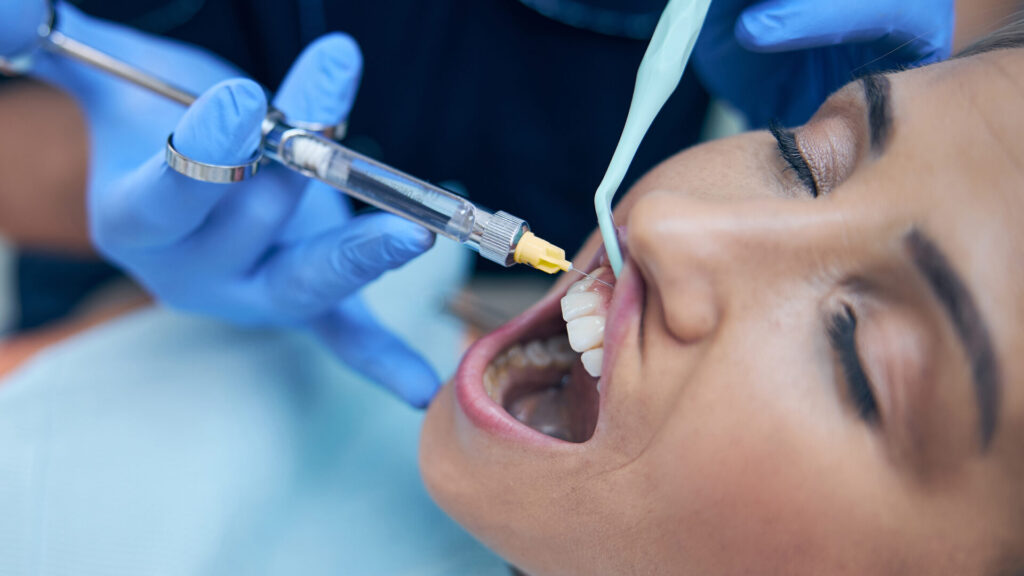
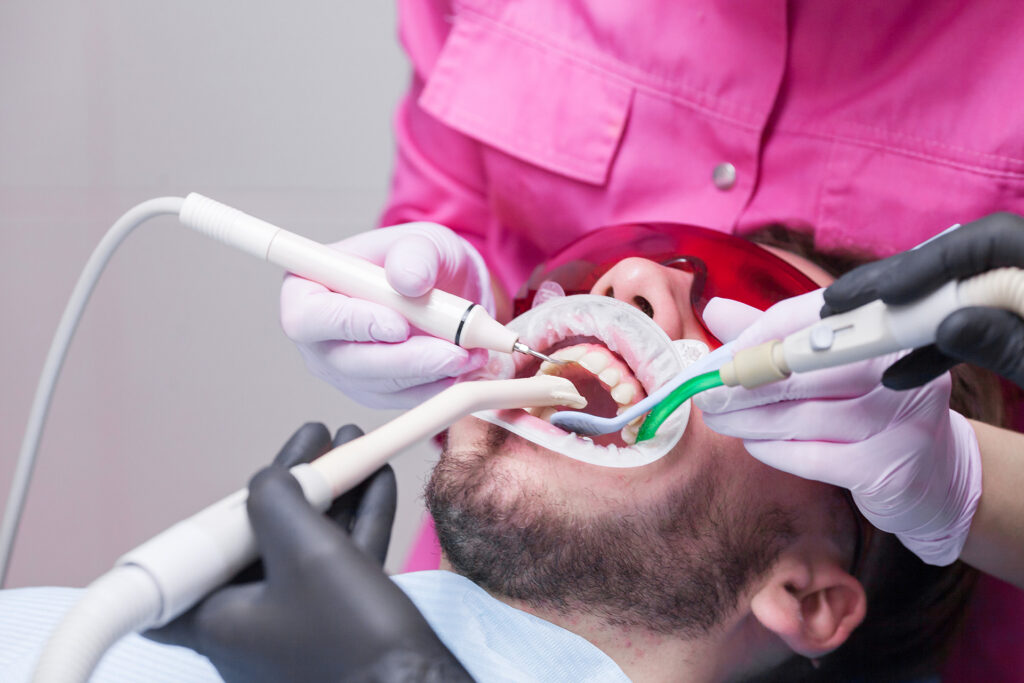
Damaged tissue will not grow back, but specific dental hygiene steps can help prevent further gum recession. The first step in treating gingivitis is to thoroughly clean the affected area to remove all debris. Using an ultrasonic scaler, your gingivitis treatment dentist will remove any plaque or hardened tartar that you cannot remove at home.
Scaling is critical to the cleaning process, as your dentist safely removes the accumulated plaque from your gum line. Some patients with more severe gum deterioration may opt for a local anaesthetic during scaling, as periodontal disease makes the gums more sensitive.
If you smoke, work on cutting back as much as possible as an initial step towards the treatment of gingival recession. Degradation of gum tissue strength is caused by harmful compounds in tobacco that increase the risk of needing to get gingival recession treatment.
Some individuals may require gum surgery to correct the damage caused by periodontitis. Gingival recession surgery may be an option if other measures are not effective, so consider beforehand how you would like it handled if an issue arises. This can include reshaping the gums, bone grafting, or stimulating gum regeneration.
After your gingival recession treatment, your dentist will teach you how to maintain gum health and, if needed, schedule follow-up appointments and regular dental visits to support a safe recovery.
Home Remedies for Gingivitis
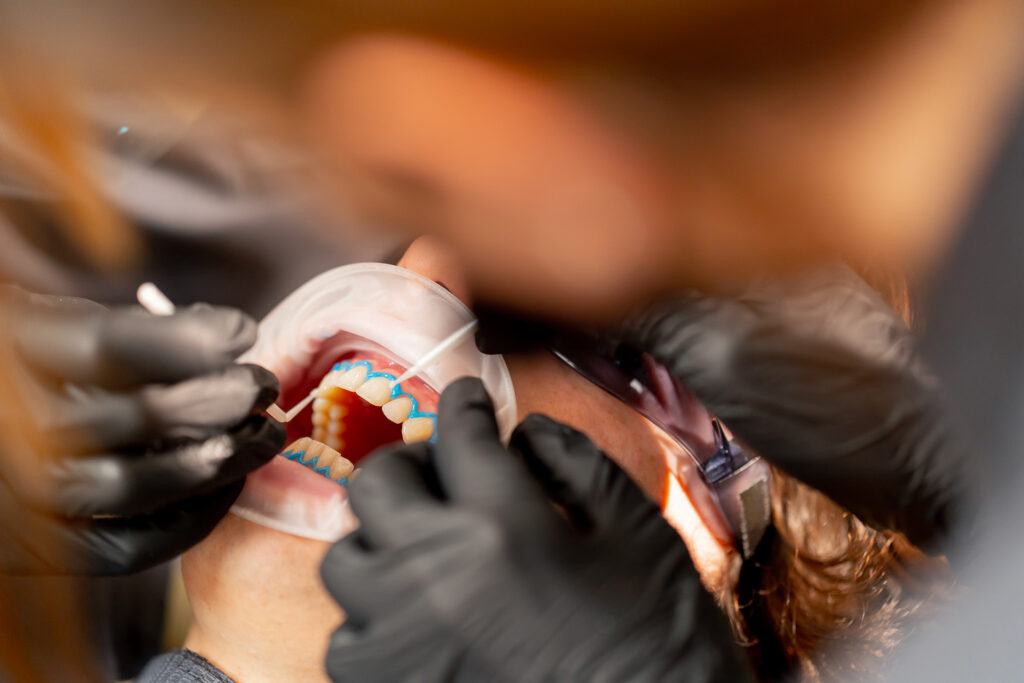
In addition to professional dental care, several gingivitis remedies can help manage symptoms and support gum healing at home.
- Salt Water Rinse: Rinsing your mouth with a warm salt water solution two to three times a day can help reduce swelling and kill bacteria in your mouth. Simply dissolve half a teaspoon of salt in a glass of warm water, swish it around your mouth for 30 seconds, then spit it out.
- Coconut Oil Pulling: Swishing a tablespoon of coconut oil in your mouth for 10–15 minutes can help reduce plaque and bacteria, freshen your breath, and soothe inflamed gums. Spit the oil out and rinse your mouth with water afterwards.
- Tea Tree Oil Mouthwash: Add a few drops of tea tree oil to a cup of water and use it as a mouthwash to help reduce bacteria and gum inflammation. Do not swallow the mixture, as tea tree oil should not be ingested.
- Aloe Vera Gel: Applying pure aloe vera gel directly to the gums can help soothe irritation and reduce inflammation. Use this remedy several times a day for optimal results.
These home remedies can complement your oral hygiene routine, but they should not replace regular brushing, flossing, and professional dental care. If you experience persistent gingivitis symptoms, consult a dental professional for a thorough evaluation and treatment.
Professional Care for Gum Disease
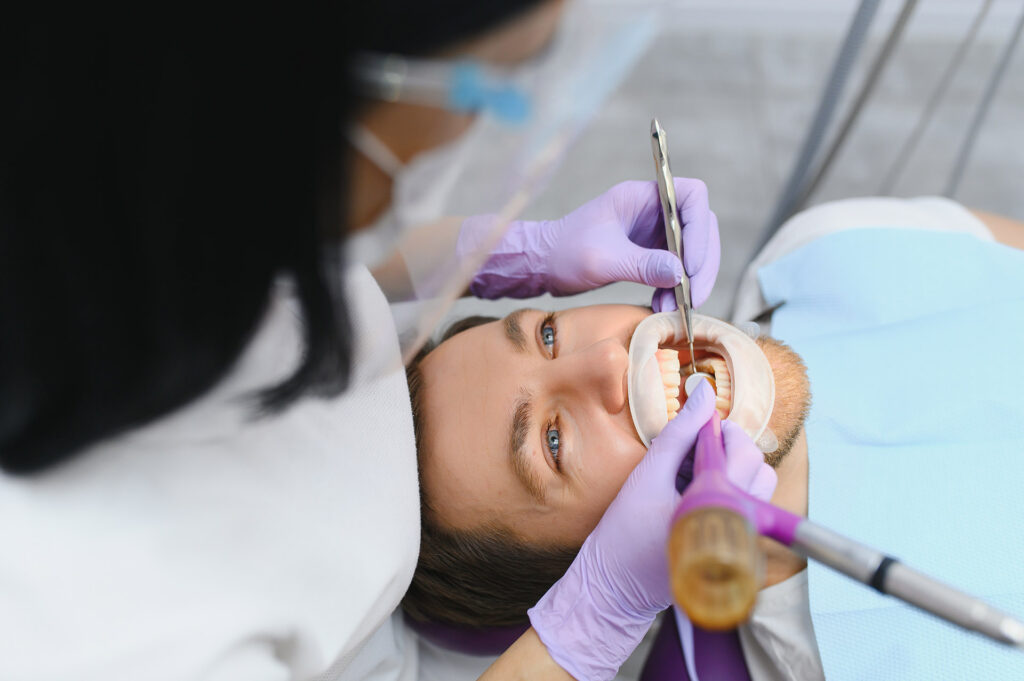
While good oral hygiene and home care are essential, professional dental care is crucial for treating and managing gum disease effectively. Your dentist has the tools and expertise to address gum disease at every stage and help you maintain healthy teeth and gums. When seeking gingivitis treatment, Singapore residents can expect comprehensive care tailored to their specific needs, though treatment may vary depending on the severity of their condition.
- Regular Dental Check-Ups: Visiting your dentist regularly for check-ups and professional cleanings is the best way to catch gum disease early and prevent its progression. Your dentist can spot signs of gum disease that you may overlook at home.
- Scaling and Root Planing: This deep-cleaning procedure removes plaque and tartar below the gum line, smoothing the tooth roots to help your gums reattach to your teeth. Scaling and root planing are often recommended when signs of gum disease are present that cannot be managed with regular cleaning alone.
- Antibiotic Therapy: In some cases, your dentist may prescribe antibiotics to help control bacterial infection in the gums. These can be applied directly to the gums or taken orally, depending on disease severity.
- Surgical Intervention: For advanced gum disease, surgical treatments may be necessary to repair damaged gum tissue and bone. Procedures can include flap surgery, bone grafts, or guided tissue regeneration to restore your oral health.
If you have concerns about gum disease or notice any symptoms such as bleeding, swelling, or receding gums, see a dentist as soon as possible. Early intervention is the most effective way to prevent further damage and maintain the health of your teeth and gums for life.
Gingivitis Treatment Cost
When considering the cost of gingivitis treatment in Singapore, it is important to understand the difference between mild-to-moderate gum care and treatment for more advanced gum disease. For patients diagnosed with periodontitis, or advanced gum disease, full-mouth treatment costs $1,308.00; per-tooth treatment is $76.30 to $109.00, plus medication.
Both treatments address bacterial buildup beneath the gums, prevent gingivitis from progressing to more serious gum disease, and restore oral health. Your dentist will choose between them based on the severity of gum inflammation and the level of cleaning needed, which they determine during your dental check-up.
How TEETH @ Tiong Bahru Can Help
Periodontal disease, like most illnesses, is best treated early. Early detection and treatment of gingivitis are critical to managing both acute and chronic cases.
Treating gingivitis starts with proper, consistent dental hygiene. This includes:
- Regular visits to the dentist
- Using fluoride toothpaste twice a day
- Flossing your teeth daily
- Eating a well-balanced diet to achieve and maintain good dental health
- Lifestyle changes like giving up smoking
Gum disease is a serious problem that, if left untreated, can lead to tooth loss and other health problems. However, gum disease is still reversible in its early stages.
If you are experiencing symptoms of gum disease, such as red, swollen, and bleeding gums, please contact TEETH @ Tiong Bahru today for a consultation in Singapore for gingivitis treatment. We can help you get your oral health back on track and, with gum disease treatment, prevent its progression.