What Is Gum Disease?
Gum disease, also called periodontal disease, is an infection and inflammation of the gums and supporting structures around the teeth. It begins when dental plaque builds up along the gum line, triggering inflammation. Over time, the gum infection can spread deeper beneath the gums and affect the surrounding bone.
In its earliest and mildest form, gum disease is called gingivitis. At this stage, the gums may look red, swollen or bleed easily, but there is no permanent bone loss yet. If the infection progresses, it becomes periodontitis, in which gum pockets, gum recession, and loose teeth may develop. Gingivitis is reversible, but established periodontal disease is usually managed rather than fully reversed. This is why it is important to have a trusted dental team for managing your gum disease symptoms and treatment.

Gum Disease Symptoms
Symptoms of gum disease often start quietly, which is why many people do not realise there is a problem until the disease is more advanced. Symptoms often include bleeding gums when brushing or flossing, red or swollen gums, and persistent bad breath. Some may also notice tenderness or a bad taste in the mouth. As gum disease is often painless in its early stages, it is easy to dismiss these changes as minor irritations, even though they may, in fact, be warning signs of infection.
As periodontal disease progresses, symptoms become more obvious. The gums may pull away from the teeth, making them look longer, a sign of receding gums. Puffy gums and shaky teeth can also develop. Teeth may feel sensitive, be painful to chew on, be loose, or shift position. In more advanced cases, pus may appear around the gum line, and tooth loss can follow if the condition is left untreated.
Gum Disease Causes and Risk Factors
Gum disease usually begins with plaque and tartar buildup, but several health and lifestyle factors can increase the risk of the disease.
The main cause is plaque, a sticky film of oral bacteria that accumulates on tooth surfaces every day. If plaque is not removed thoroughly, it hardens into tartar, allowing the bacteria to irritate the gums. Poor oral hygiene is one of the most common contributing factors. This is why home cleaning and professional cleaning are vital in treating gum disease.
Some people are at higher risk than others. Smoking is one of the strongest risk factors and can also make gum disease treatment less effective. Diabetes, hormonal changes, stress, certain medications, immune system problems, poor nutrition, and genetics can all increase the risk of periodontal disease as well. Other risk factors include systemic diseases such as rheumatoid arthritis and heart disease. While periodontal disease is not contagious in the traditional sense, the oral bacteria that contribute to it can be shared through saliva.
For many adults, bleeding gums may feel easy to put off, but smoking, diabetes, and missed cleanings can allow a mild problem to progress quietly.
Stages of Periodontal Disease
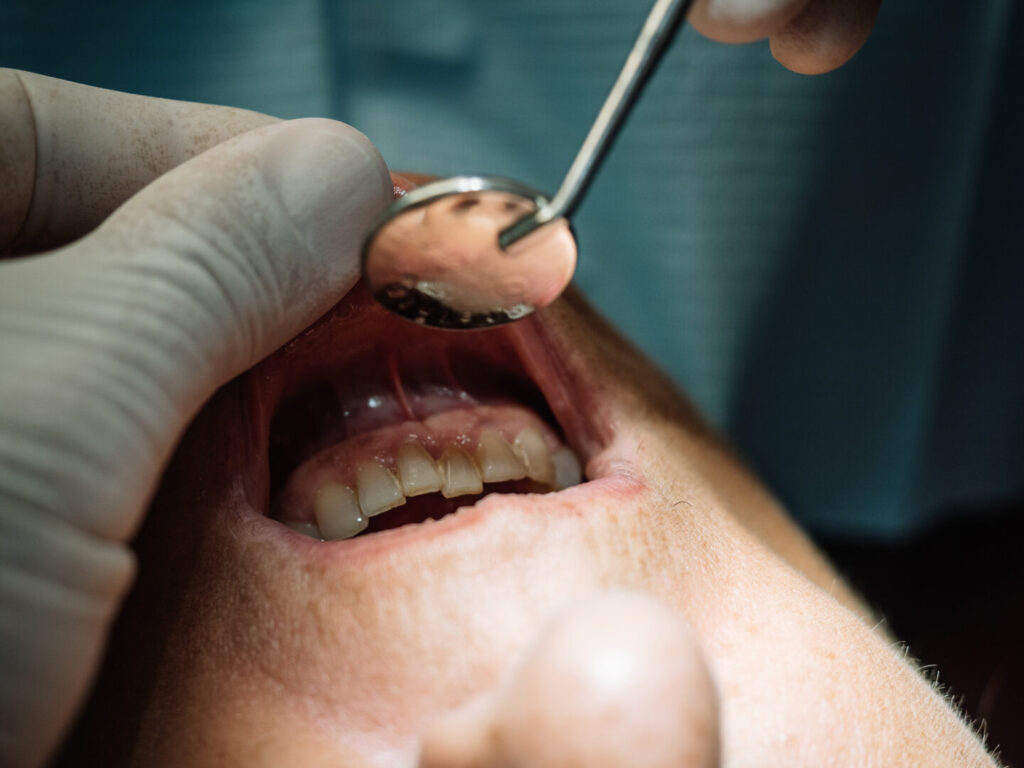
The first stage of periodontal disease is gingivitis, the mildest form of gum disease. This form often causes bleeding, redness, and swelling without affecting the underlying bone.
The second stage is periodontitis, in which the gums begin to detach from the teeth and pockets form.
The third stage is advanced periodontitis, in which the supporting bone and soft tissues break down further, and loose teeth may develop. As more support is lost, treatment becomes more complex.
When to See a Dentist
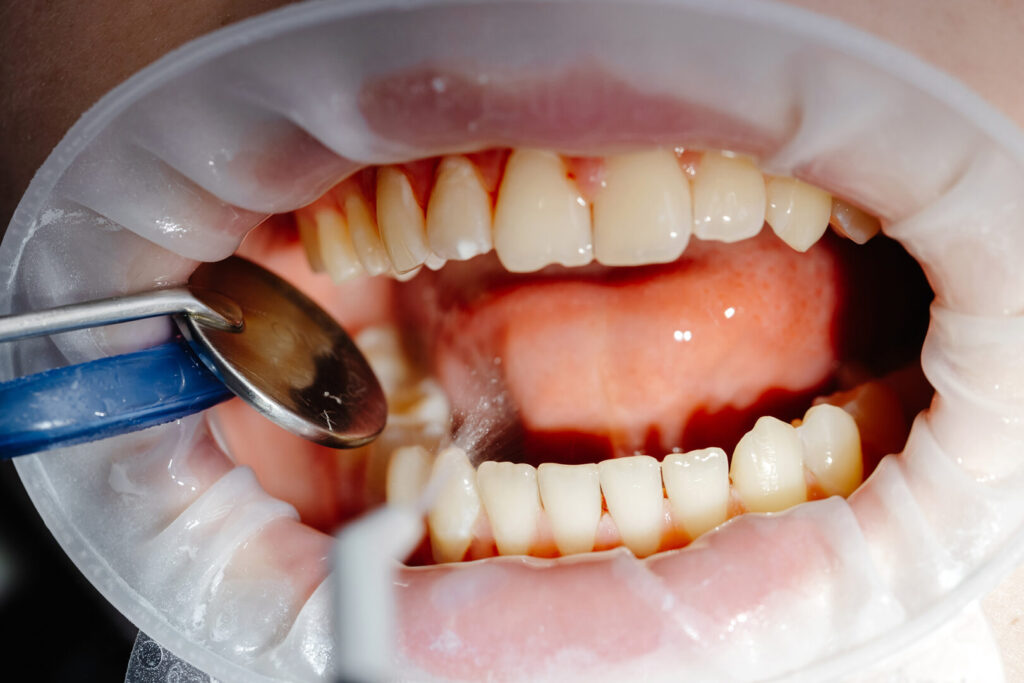
You should see a dentist if your gums bleed regularly, look swollen, feel sore, or if your teeth seem loose or different when you bite.
Do not wait until you have pain before booking an appointment. Gum disease is often painless in its early stages, which is one reason it is so often missed. If you have recurrent bleeding when brushing, bad breath, visible gum recession, or teeth that appear to drift apart, there is a greater need for a dental visit. Seeing your dentist regularly and practising proper oral hygiene helps to prevent gum disease before it becomes a larger problem.
You should also seek care promptly if chewing becomes uncomfortable, a tooth feels mobile, or swelling and pus appear near the gumline. These can be signs of more advanced gum disease that, left untreated, can lead to serious oral health consequences.
Diagnosis
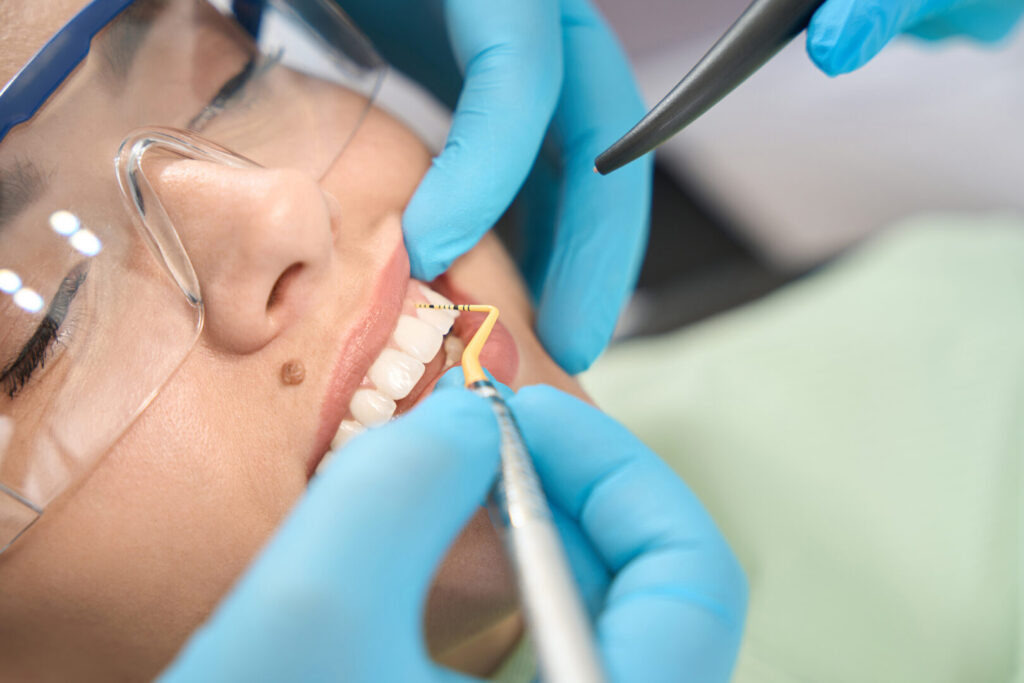
Dentists diagnose gum disease by examining the gums, measuring pocket depths, reviewing your medical history, and taking X-rays when needed.
A dental specialist will look for visible inflammation, bleeding gums, plaque build-up, gum recession, and tooth mobility. One important part of the diagnosis is the periodontal probe, a small instrument used to measure the depth of the gum pockets around each tooth.
Deeper periodontal pockets can suggest a more advanced disease. X-rays help show whether bone has already been lost. Medical history matters too. Smoking, diabetes, medications, and general health conditions can affect both disease severity and treatment planning. This is why periodontal treatment is not only about cleaning the teeth.
Non-Surgical Management
Non-surgical management is the first-line treatment for gum disease for many patients and aims to reduce infection and prevent the disease from worsening.
If the disease is limited to mild gum disease (gingivitis), professional cleaning and improved oral hygiene may be enough to reverse it. That means removing plaque and tartar, improving brushing and interdental cleaning, and returning for regular dental check-ups. At this stage, nonsurgical treatment can be more conservative because the gum tissue is not yet severely damaged.
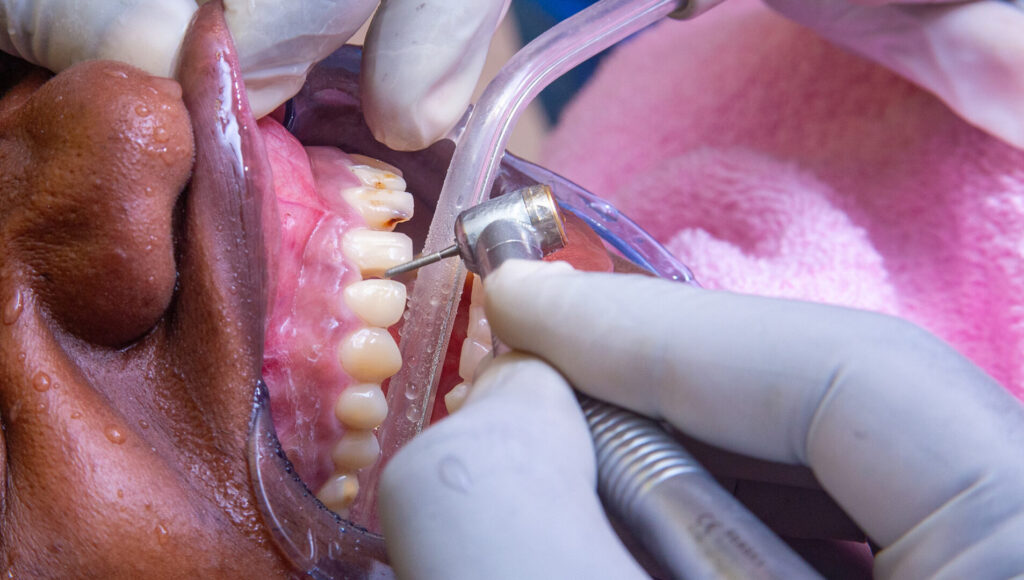
For more established diseases, non-surgical treatment usually involves scaling and root planing, a deep dental cleaning procedure that removes plaque, tartar, and bacterial deposits from the gum line and smooths the root surfaces, making it harder for bacteria to reattach to tooth surfaces. A key part of periodontal disease treatment is reassessment. After the initial therapy, the gums are reviewed again once healing is complete to assess whether pocket depths have decreased and whether any areas remain active. This review stage is important because not every site responds in the same way, and it helps guide the next step in care.

Surgical Options
Surgical options are considered when deep gum pockets, persistent inflammation, or gum tissue loss cannot be managed well with non-surgical care alone.
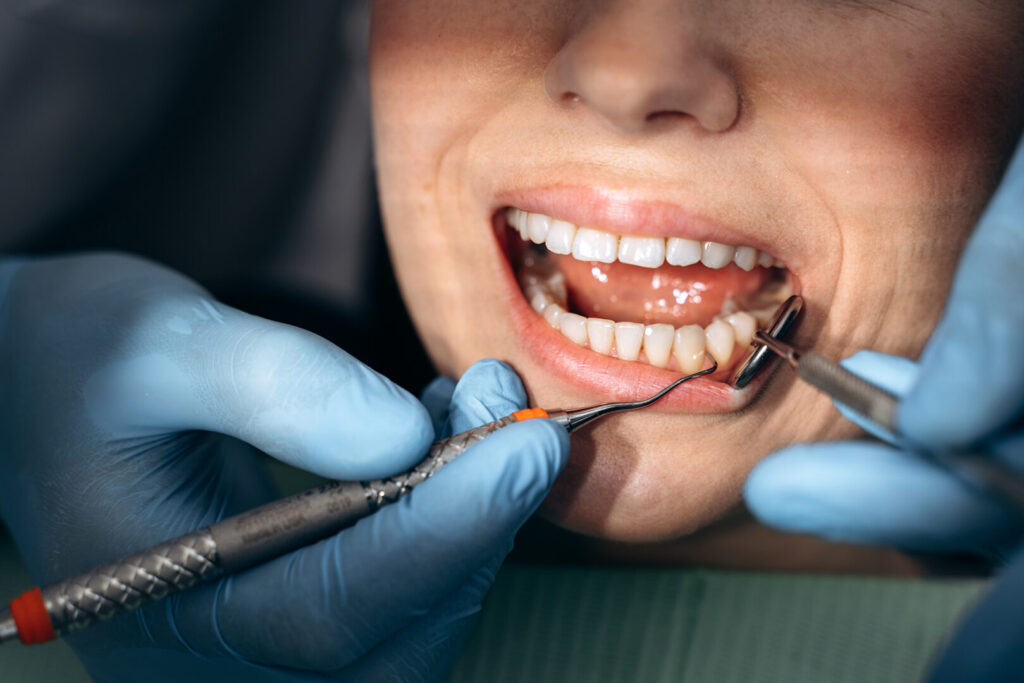
In more advanced cases, a gum specialist may recommend pocket reduction surgery, also called open flap debridement. In this procedure, the gums are gently lifted so the root surfaces can be cleaned more thoroughly and, if necessary, the area can be reshaped to support long-term gum health.
Where gum recession or bone loss is significant, regenerative procedures may also be used. These can include bone grafting, gum grafting, or guided tissue regeneration in selected cases. Surgical treatment is not needed for everyone with gum disease, but it can play an important role when oral health is at serious risk.
Risks and Recovery
Recovery after gum disease treatment depends on the severity of the disease and the type of treatment performed. Long-term disease control depends heavily on maintenance.
After non-surgical treatment, it is common to have some tenderness, slight gum soreness, and short-term sensitivity as the gum tissue settles. After surgery, swelling and discomfort may be more noticeable for a few days. In both cases, careful oral hygiene and follow-up matter.
One of the most important points to understand is that even if advanced gum disease is controlled, the lost bone and support around the teeth are not always fully restored. That means care is often about stabilising the disease, reducing infection, and preventing further breakdown, rather than restoring the gums to their original state.
Periodontal Disease Treatment Cost in Singapore
The cost of periodontal treatment in Singapore varies depending on the severity of the gum disease, the number of affected teeth, and the individual’s response to care. At TEETH @ Tiong Bahru, each course of non-surgical gum treatment is $1,308.00 for a full mouth, or $76.30 to $109.00 per tooth.
Non-surgical options are generally more affordable than surgical procedures. While gum disease treatment costs vary, early intervention is a worthwhile investment. Promptly managing gum disease can help prevent the significantly higher costs associated with advanced dental issues, including tooth loss and replacement. This means the gum disease treatment Singapore clinics provide is usually more straightforward and less costly when treated early.
We encourage patients to schedule a consultation to understand their personalised treatment plan and associated costs. Many insurance plans offer partial coverage for medically necessary periodontal care, and our TEETH @ Tiong Bahru team will help you navigate your benefits to maximise both value and clinical outcomes.
Preventing Recurrence
Preventing recurrence means keeping plaque levels low, practising good oral hygiene, and attending regular dental check-ups even after your treatment is complete.
Good oral hygiene at home remains essential for preventing gum disease and keeping your teeth healthy by brushing thoroughly with fluoride toothpaste, cleaning between the teeth, and not smoking and, where relevant, keeping diabetes well controlled. To prevent periodontal disease from returning, routine professional maintenance is equally important, as even successful treatment can fail if the gums are not monitored and cleaned over time. Regular dental checkups with a dental professional or dental hygienist help maintain oral health and keep gums healthy over the long term.
How TEETH @ Tiong Bahru Can Help
TEETH @ Tiong Bahru can help by diagnosing gum disease early, carefully assessing its severity, and providing the right mix of oral hygiene guidance, non-surgical care, and referrals where needed.
Patients seeking to treat gum disease in Singapore often want a clear answer to two questions: how serious is it, and can it be controlled? The first step is a proper assessment, including gum measurements, clinical examination, and X-rays, as needed. From there, treatment can be tailored to whether the condition is mild gum disease or a more advanced form.
At TEETH @ Tiong Bahru, this means focusing not only on the active infection but also on the oral health habits and risk factors that contributed to its development. The goal of periodontal disease treatment is to help patients achieve cleaner, healthier gums that are easier to maintain over time. That practical, long-term approach to gum health is what gives treatment the best chance of lasting success. Give us a call to make your appointment and take the first step towards long-term oral health.