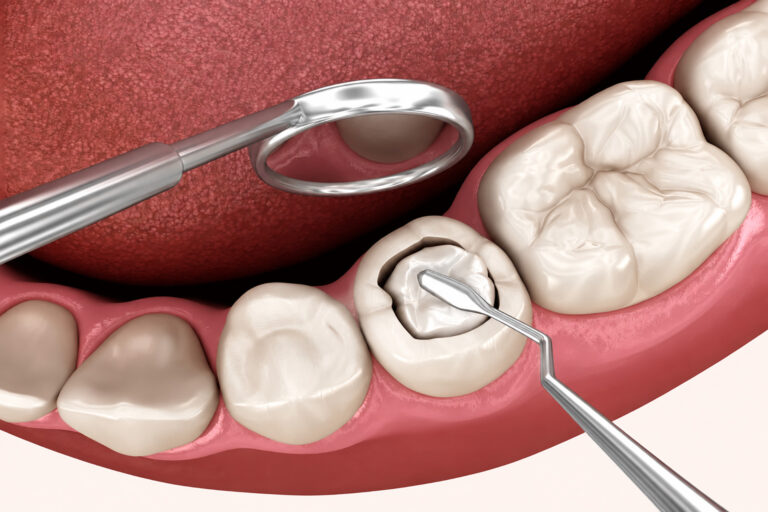

What is a Dental Filling?
A dental filling, also called a tooth filling, restores a tooth affected by decay, a small crack or wear by removing the damaged area and sealing the space with a specialised filling material. This common dental procedure is one of the most routine tooth restorations. Dental filling options include composite resin fillings, glass ionomer, and, in suitable cases, porcelain fillings. The filling restores the tooth’s shape and natural structure, allowing you to bite and chew normally.
For tooth decay, the dentist removes the diseased tissue from the decayed tooth before placing the dental filling in the cavity. This stops further decay within the treated area and seals the cavity, protecting the existing tooth structure. However, a dental filling does not make the filled tooth immune to new decay or further tooth decay around its edges.
Fillings are used when enough healthy tooth remains to support the repair. Treating a small cavity preserves more of the natural tooth structure and may prevent further damage to the dental pulp, which contains nerves and blood vessels. Untreated decay can progress to toothaches, dental abscesses, further damage, and even eventual tooth loss.

What Are the Signs that You May Need a Filling?
Common signs that you may need a dental filling include:
- Persistent or intermittent toothache
- Sensitivity to hot or cold food and sweet foods and drinks
- Pain when biting or chewing
- A visible dark spot, pit or small hole
- Food repeatedly becoming trapped in one area
- A rough, chipped tooth, small holes or a cracked tooth surface
- A loose, worn, fractured or missing existing tooth filling
Symptoms vary with the location and depth of the damage, and early decay may cause no discomfort. These symptoms do not always mean a filling is suitable. Sensitivity may come from gum recession, enamel wear or a crack, while lingering pain may indicate pulp inflammation.
How Does a Dentist Diagnose Tooth Decay?
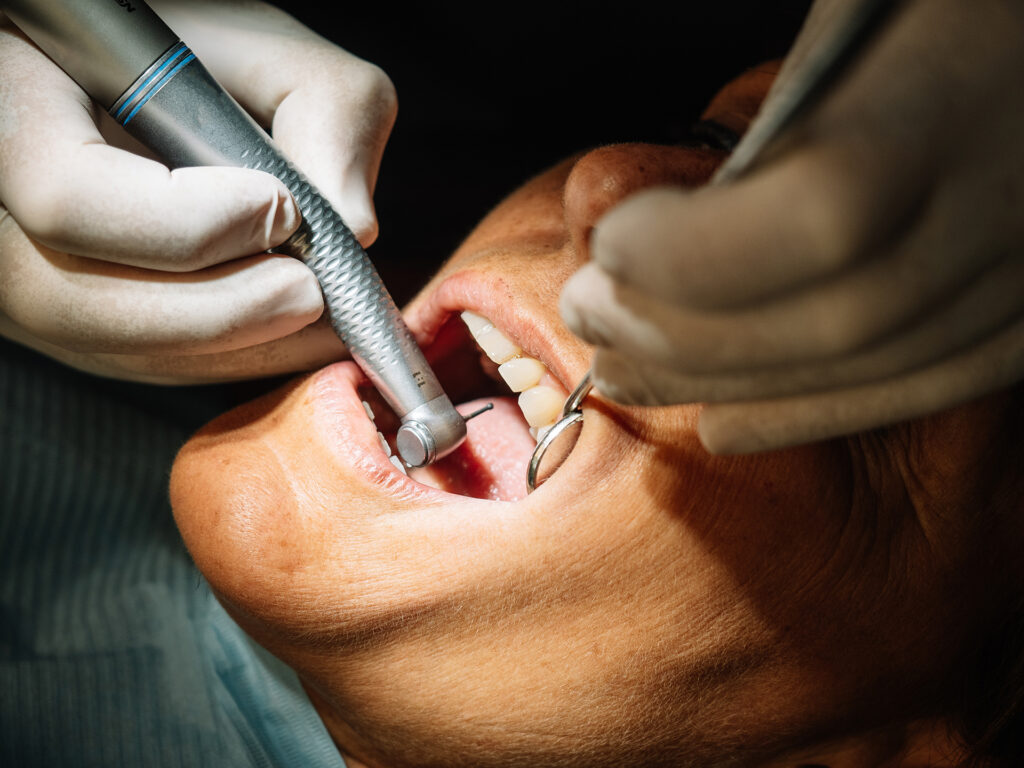
A dentist diagnoses a tooth cavity or damaged tooth by reviewing the symptoms, examining the mouth and using dental X-rays when hidden or deeper tooth decay is suspected, looking for discolouration, openings, weakened enamel, fractures and changes around existing dental restorations.
X-rays can reveal decay between the teeth or beneath an intact tooth surface, show how close it is to the pulp and identify signs of root infection. Early decay, an open cavity and an infected tooth require different care.
Standard cavity management involves clearing decay and restoring the tooth with an appropriate material. A large cavity may require a dental crown, while decay involving the pulp may need root canal treatment.

What Are the Types of Dental Fillings?
The main types of dental fillings are direct fillings placed in the mouth and indirect fillings or restorations, made to fit the tooth. Each type of dental filling suits different needs, and the right type of filling depends on the cavity. Dental filling material selection depends on the cavity size and position, the remaining tooth structure, biting forces, natural appearance, and the cost.
Composite Resin Fillings
These tooth-coloured composite fillings match your natural tooth colour. Composite fillings bond well and provide good durability and fracture resistance for small- to mid-sized fillings in the front or back teeth.
Glass Ionomer
This tooth-coloured filling cement releases fluoride and bonds to the tooth structure. It may suit small cavities, root surfaces, children’s teeth, or areas that carry less biting pressure.
Dental Amalgam Fillings
Dental amalgams contain mercury, silver, tin and copper. Its silver appearance does not match the natural tooth colour. The use of dental amalgams is gradually declining and being phased out in Singapore, mainly because of environmental concerns about mercury disposal.
Porcelain or Ceramic Fillings
Porcelain and ceramic fillings resist staining, offer a natural appearance and can be matched to the tooth’s colour. Inlays and onlays, along with porcelain or ceramic partial crowns, may cover much or most of a tooth when damage is too extensive for a direct filling.
Temporary Filling Materials
These protect a tooth between stages of care, during monitoring or while an indirect filling is made. They are not permanent repairs.

What Happens during a Dental Filling Procedure?
The dental filling procedure involves:
- Numbing: The dentist applies a local anaesthetic for comfort during the filling procedure. For a shallow restoration, the dentist may discuss whether numbing is necessary.
- Decay removal and preparation: The dentist removes the decayed portion of the tooth and cleans and shapes the space. For bonded composite fillings, the dentist may etch the tooth surface with an acid gel.
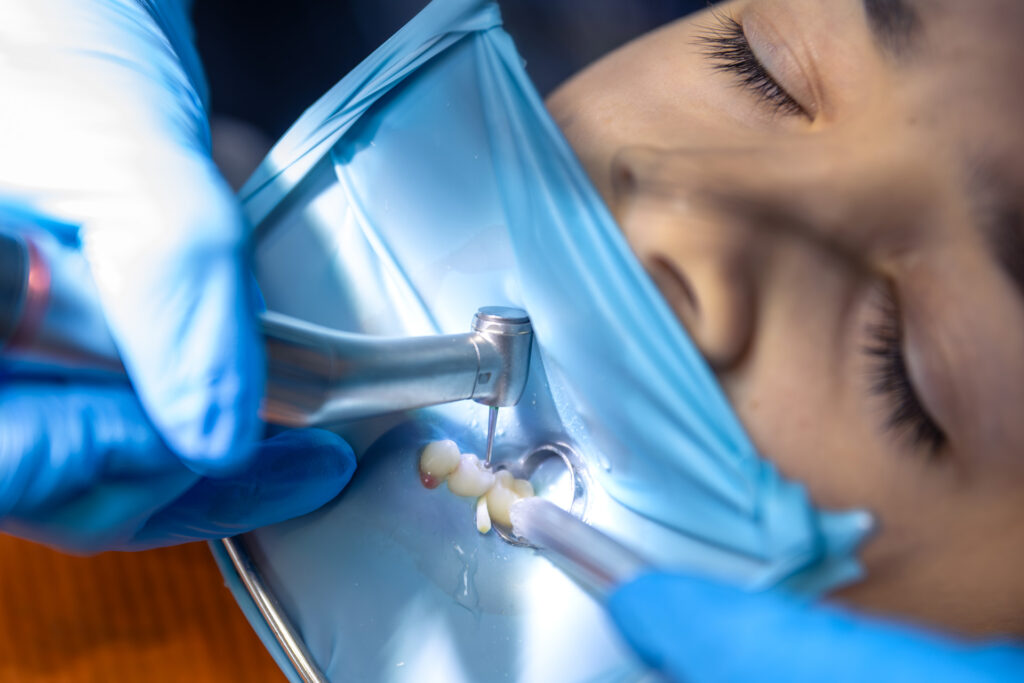
- Application and curing: The dentist places and shapes the filling material. The dentist layers composite resin fillings and hardens them with a specialised curing light. Other filling materials are set chemically, while porcelain fillings are fabricated in a laboratory and bonded differently to the affected tooth.
- Polishing and bite check: To complete the dental filling procedure, the dentist smooths rough edges and checks the bite with marking paper. The dentist adjusts high points so the teeth meet naturally.
A straightforward dental filling appointment in Singapore typically takes 30 to 60 minutes, depending on the number of teeth being treated, the size of the cavity, and the filling material.

Is a Tooth Filling Procedure Painful?
A dental filling procedure should not be painful during placement because a local anaesthetic numbs the area. You may notice pressure or vibration during the procedure. Report sharp discomfort so the dentist can check the tooth and consider more anaesthetic. Wait until numbness wears off before eating to avoid biting your cheek, lip or tongue.
Mild pain, tooth sensitivity or a toothache after a dental filling can occur afterwards and may take a week or two to settle. Toothpaste for sensitive teeth may reduce your tooth sensitivity to hot or cold food and temperature.
Contact the clinic if the filling feels high, biting pain persists, sensitivity worsens, or throbbing pain develops. Severe decay reaching the nerve may cause extreme tooth sensitivity and severe pain. Facial swelling, fever, severe pain or difficulty swallowing requires prompt assessments.
How Long Do Dental Fillings Last?
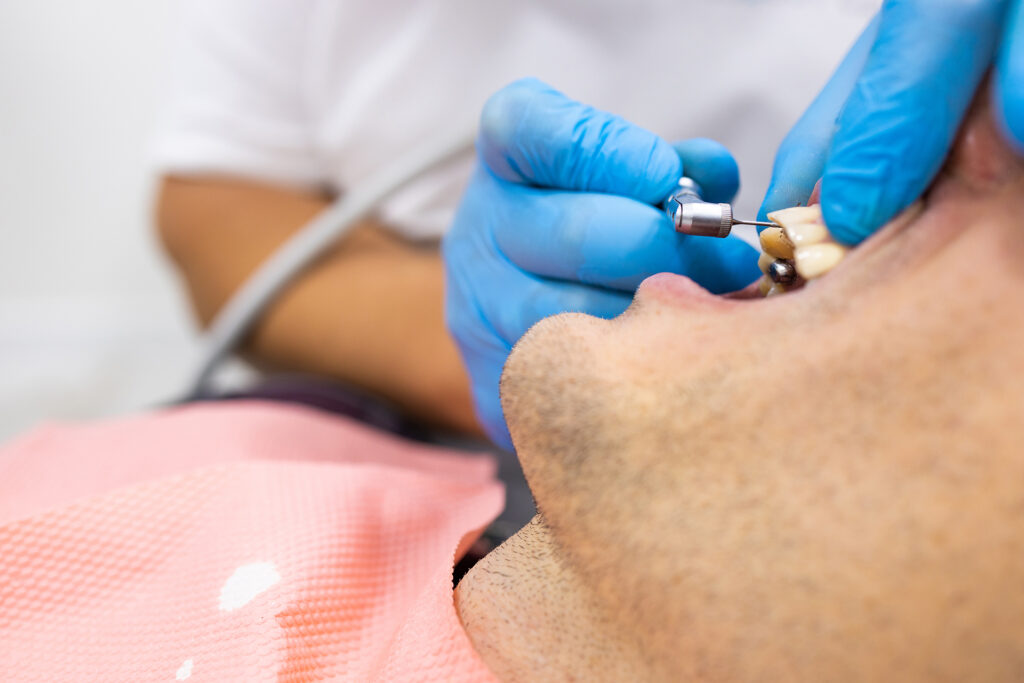
A tooth filling may last from 7 to 20 years or more. Longevity depends on:
- The material used
- The size, depth and location of the restoration
- The amount of natural tooth supporting it
- Biting and grinding forces
- Diet and good oral hygiene
- Decay risk and dry mouth
- Maintain daily oral hygiene
- Regular dental review and regular dental check-ups
A dental filling may need to be replaced if it chips, cracks, wears, loosens, or develops an edge gap. Warning signs include a changed bite, sharp edge, food trapping or a new sensitivity. If the tooth filling falls out, keep the area clean, avoid chewing on the spot and arrange an immediate dental appointment.

What Is the Cost of a Dental Filling in Singapore?
Prices at TEETH @ Tiong Bahru generally range from $87.20 to $185.30 per tooth, depending on the material and the size or location of the cavity.
Factors affecting the dental filling prices in Singapore include the tooth surfaces involved, access, removal of an old restoration, imaging, and other required procedures. Direct composite restorations are also prepared differently from indirect restorations, such as laboratory-made porcelain inlays or onlays.
Dental insurance benefits vary, so check your personal limits and documentation with your insurer.

When Is a Filling Not Enough to Repair a Tooth?
A dental filling may not be enough when extensive tooth decay or a fracture has substantially weakened the tooth or reached the pulp. Also, an oversized filling without adequate support may leave the remaining tooth vulnerable to fracture. Alternatives may include:
- Extraction, sometimes followed by a dental implant, when the tooth cannot be predictably restored.
- Fluoride and monitoring for an early non-cavity area that may still remineralise
- An inlay or onlay, since inlays and onlays offer more coverage than a direct filling can provide
- A dental crown or partial crown when the tooth requires broader structural protection
- Root canal treatment when the pulp is irreversibly inflamed or infected, often followed by a suitable tooth restoration or dental crown

How TEETH @ Tiong Bahru Can Help
TEETH @ Tiong Bahru can manage a dental filling by assessing the tooth, selecting a suitable restoration, checking the bite, and monitoring the repair.
To lower the chance of requiring a dental filling:
- Brush twice daily with a fluoride toothpaste to maintain good oral hygiene.
- Clean between teeth each day with floss or another recommended aid.
- Limit frequent sugary snacks and drinks, especially between meals.
- Drink water regularly and discuss persistent dry mouth with your dentist or doctor.
- Avoid biting very hard objects and consider a dental assessment if you grind your teeth.
- Attend dental reviews and regular dental check-ups to maintain your oral health
- Watch your wisdom teeth for decay too.
Regular examinations allow a dentist to check on your dental and tooth filling margins and identify early changes that may not cause pain.
If you’re experiencing a toothache, tooth sensitivity, visible dark areas or small holes in a tooth, including the front teeth, contact TEETH @ Tiong Bahru today for an evaluation.
Frequently Asked Questions
How much does a dental filling cost in Singapore?
A dental filling at TEETH @ Tiong Bahru generally costs $80.25 to $171.20 per tooth. The material, cavity size, tooth position and complexity will influence the final fee, while X-rays or additional procedures will be charged separately if required.
How long does a dental filling last?
A dental filling may last from 7 to 20 years, or more. The material, restoration size, tooth position, biting forces, daily oral hygiene, and decay risk will affect when repair or replacement may be needed.
Is dental filling painful?
A dental filling is usually not painful because the dentist numbs the area with a local anaesthetic. Pressure and vibration are possible during the procedure, and mild sensitivity afterwards may last for several days. A dentist should assess persistent, severe, or worsening pain.
Is it better to get fillings or not?
It is better to place a filling when a tooth has a cavity or has limited damage that cannot be repaired on its own, and when the tooth can support a restoration. Very early decay may sometimes be managed without drilling, while deep decay may require a crown, root canal treatment or a tooth extraction. A dental examination will determine the appropriate option.