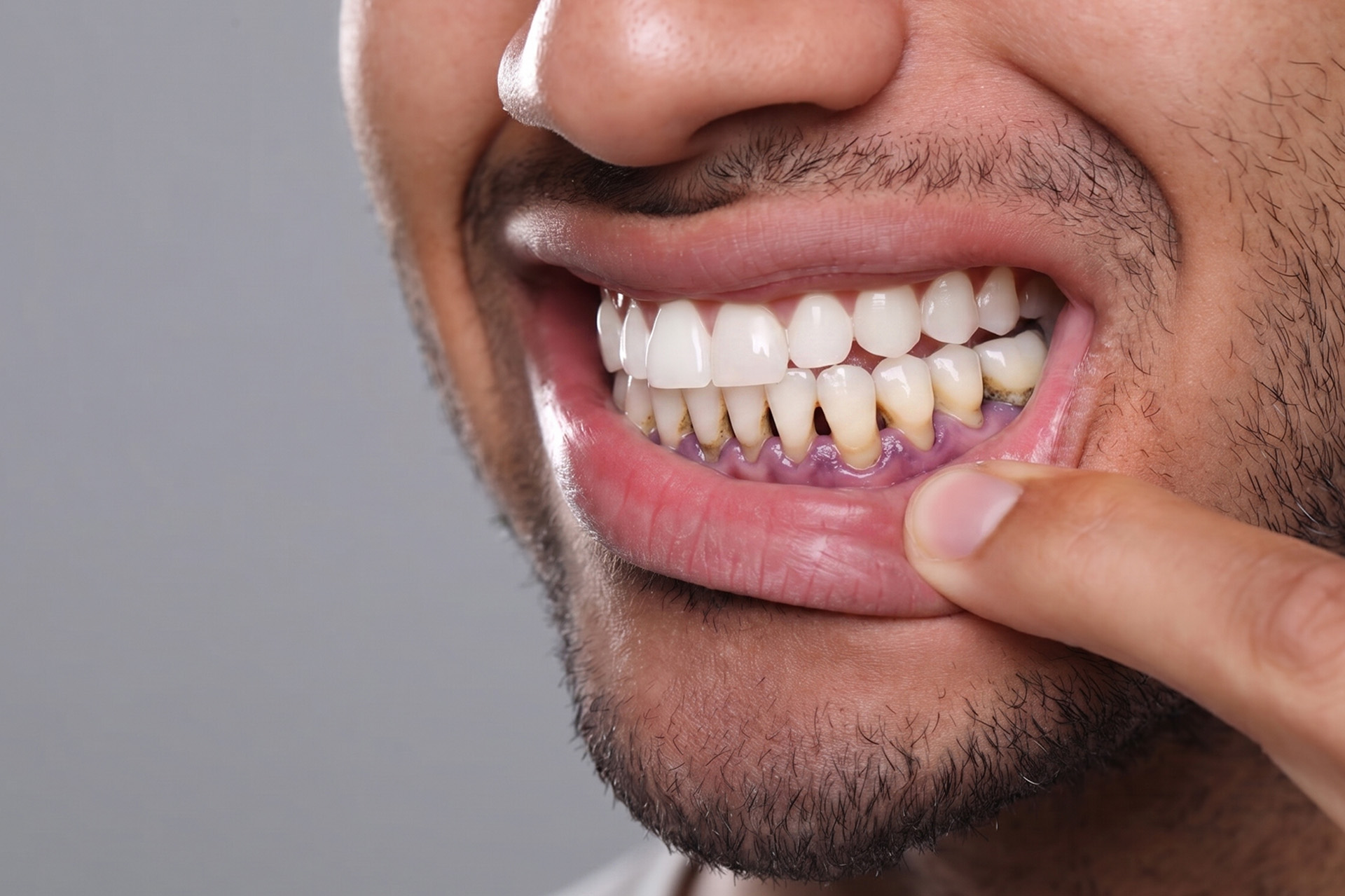
What Is Gum Recession?
Gum recession often develops silently without pain, which is why regular dental check-ups are crucial. The gum tissue surrounding your teeth acts as a barrier, protecting the roots of your teeth and the underlying bone from bacteria and physical damage. When this protective tissue recedes, the result is tooth sensitivity, longer-looking teeth, tooth root exposure and changes in the gum line, increasing the risk of sensitivity, tooth decay, and even tooth loss.
These gingival recession symptoms, along with swollen, red or bleeding gums, especially when brushing or flossing, are warning signs that should not be ignored. Persistent bad breath and a bad taste in the mouth may also indicate underlying gum issues. Spotting gum recession early gives you the best chance to treat gum recession before it advances.
Fortunately, there are effective treatments for receding gums. These include non-surgical procedures, such as scaling and root planing, and surgical approaches, such as gum grafting (including soft tissue grafting), as well as lifestyle changes to support gum health and rebuild gum tissue.
To protect your oral health, you need to recognise the symptoms and treatment options so you can act fast if you suspect your gums are receding. By prioritising oral hygiene and scheduling regular dental visits, you can prevent gum recession and have healthy teeth and gums for life.
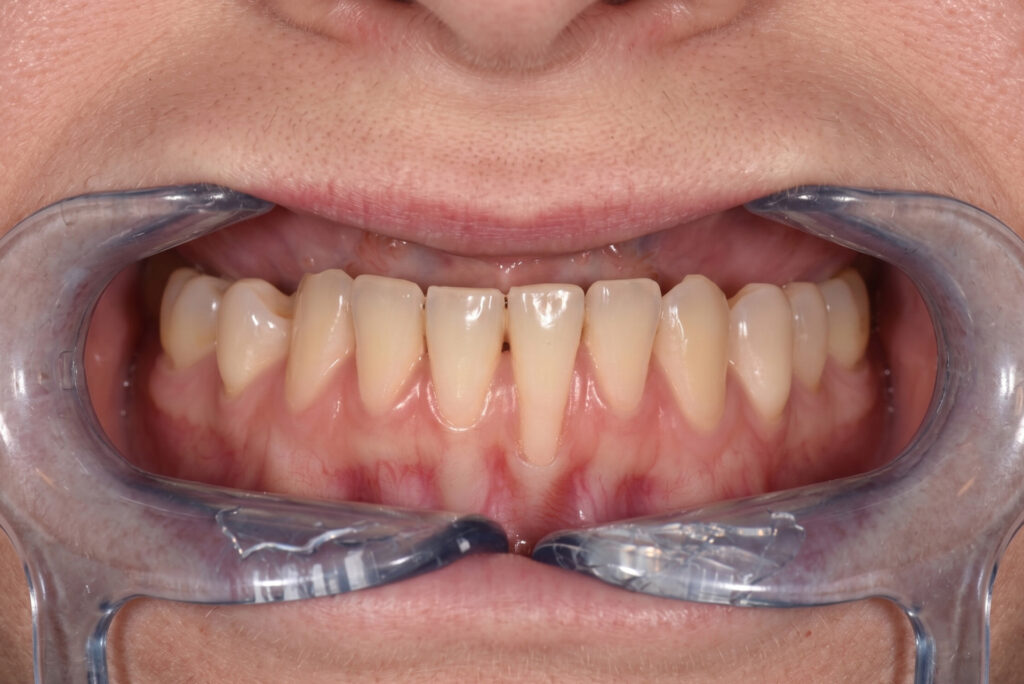
What Causes Receding Gums?
Several factors can cause receding gums, and it’s often a combination of issues that leads to gum recession.
The most common cause of gum recession is gum disease, which begins with the accumulation of plaque, a sticky film of harmful bacteria, which results from poor oral hygiene. Over time, plaque hardens into tartar, and this tartar buildup can lead to gum inflammation known as gingivitis. If left untreated, it can progress to periodontitis, a more advanced gum disease that destroys gum tissue and the bone that supports it. Severe periodontal disease can cause significant gum recession. As the gums pull away from the teeth, periodontal pockets form where harmful bacteria can thrive, exacerbating the condition.
Other causes include:
- Aggressive toothbrushing with a hard-bristle toothbrush can wear away gum tissue. It’s a common misconception that brushing harder cleans better. In reality, using excessive force can cause damage over time.
- Poor oral hygiene and insufficient dental care are other contributors. Not brushing and flossing regularly allows plaque and tartar to build up along the gum line, increasing the risk of inflammation and infection.
- Tobacco use, whether smoking or chewing, has also been linked to gum recession due to the reduced blood flow to the gums.
- Hormonal changes, especially in women during pregnancy, menopause or menstruation, can make gums more sensitive and prone to gum recession.
- Genetics also play a role. Some people are genetically more susceptible to periodontal disease and gum recession.
- Clenching or grinding your teeth (bruxism), misaligned teeth and abnormal tooth positioning put extra force on the gums and can also cause gum recession.
Recognising the causes of gum recession early matters. If you notice your gums receding, it is essential to identify the underlying cause to prevent further damage and protect your oral health.
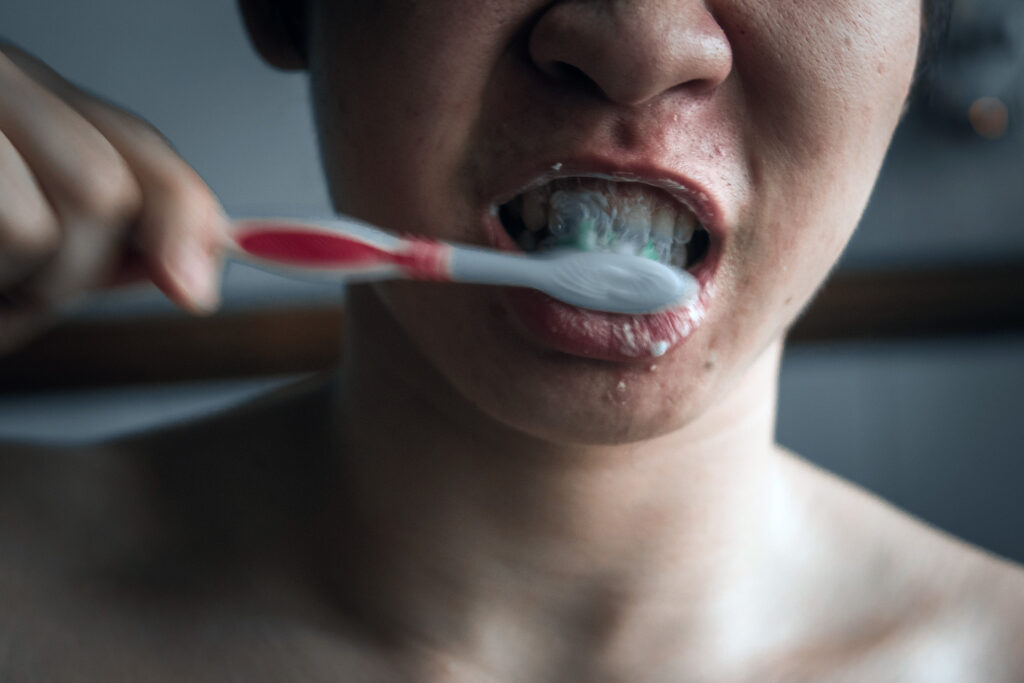
Receding Gums Treatment
The treatment for receding gums depends on the underlying cause and the extent of gum loss. In the early stages of mild gum recession, scaling and root planing, as well as the non-invasive solutions listed below, may help treat gum recession. Gingival recession treatment is matched to its severity:
| Non-Surgical Treatments | About the Treatment |
| Improved Oral Hygiene Practices | Emphasising proper brushing and flossing techniques to prevent further gum recession |
| Desensitizing Agents | Used to alleviate tooth sensitivity associated with exposed roots |
| Orthodontics | Correcting misaligned teeth to reduce stress on gums and prevent gum recession |
| Dental Bonding | Applying resin to cover exposed roots, improving the appearance |
| Deep Cleaning (Scaling and Root Planing) | Removing plaque and tartar from below the gum line to treat gum disease |
| Topical Antibiotics | Applying antibiotics directly to the gums to combat bacterial infections |
| Medications | Using antiseptic chips, antimicrobial mouthwash and enzyme suppressants to reduce bacteria and gum inflammation |
For more advanced or severe gum recession, surgical options such as gum grafting may be necessary to correct the gum recession:
| Surgical Options | About the Treatment |
| Pinhole Gum Rejuvenation | Minimally invasive procedure that restores gum tissue without grafts or sutures |
| Gum Grafting | Transplanting tissue to cover exposed roots, restoring the gum line |
Other treatments may include gum grafting and other periodontal surgery, such as regenerative procedures that stimulate bone and gum tissue regrowth, as well as connective tissue grafts or composite resins to cover exposed tooth roots and smooth root surfaces. Timely gum recession treatment is key to preventing further damage or complications. With prompt and proper care, you may be able to stop gum recession or even reverse it.
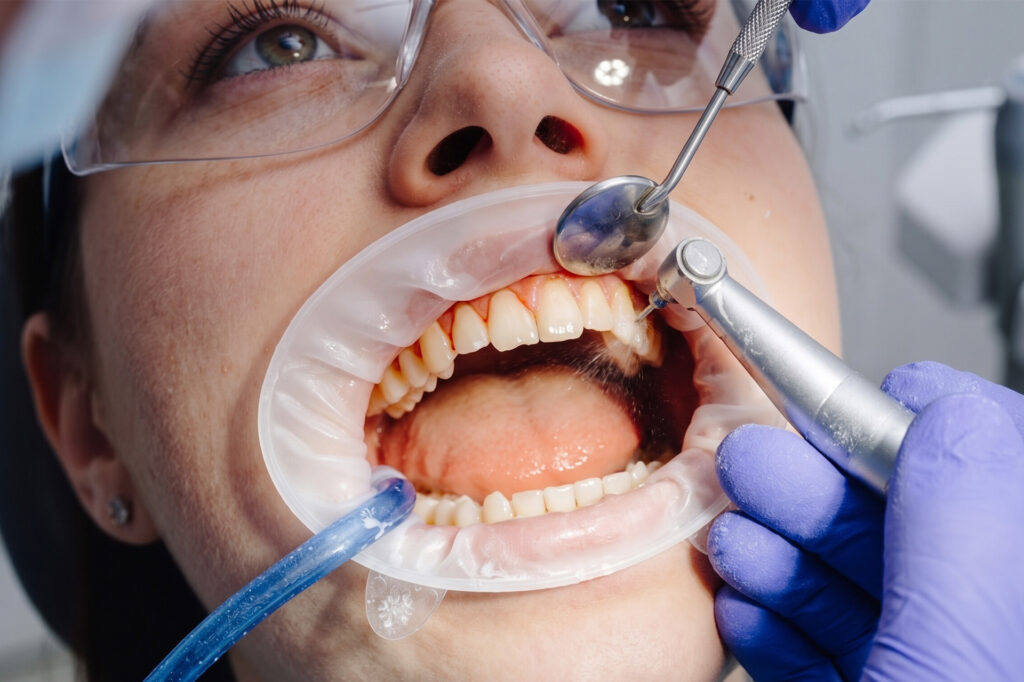
Home Remedies for Receding Gums
While professional dental care is necessary for managing gum recession, there are also home remedies that can help alleviate symptoms and promote gum health:
- Using a soft-bristled toothbrush and brushing gently can protect delicate gum tissue from further gum irritation.
- Adding an antimicrobial mouthwash to your daily routine can reduce bacteria, gum inflammation and gum irritation. Some people find that coconut oil pulling supports gum health by reducing harmful mouth bacteria.
- Eating a balanced diet rich in vitamins and minerals, especially vitamin C, supports the repair and maintenance of gum tissue.
- Flossing and good oral hygiene are key to healthy gums.
- If you have sensitive teeth due to receding gums, using a desensitising toothpaste can help.
Always consult your dentist before trying any new home remedies to ensure they are suitable for you and to avoid harm.

How to Prevent Receding Gums
Preventing receding gums starts with good oral hygiene. Brushing twice a day with a soft-bristled toothbrush, using proper brushing techniques and gentle circular motions, can help prevent gum damage. Flossing daily removes plaque from areas that brushing can’t reach.
Quitting smoking and staying away from tobacco products can help prevent gum recession and lower your risk of other oral health issues. A diet rich in Vitamins C and D supports your gums and the tissues that hold your teeth. Managing stress is also essential, as high stress can cause teeth grinding and negatively impact oral health.
It’s also worthwhile to limit sugary foods and beverages, such as hard candies, ice, sticky foods like caramel or dried fruits, sugary foods and drinks, and acidic foods and beverages, including citrus fruits and sodas. Drinking plenty of water throughout the day helps rinse away food particles and bacteria, supporting healthier gums.
Regular dental check-ups and professional dental cleanings by a dentist are essential for monitoring gum health, catching any early signs of gum recession or gum disease, and maintaining optimal oral health. Quitting tobacco products, managing stress (which can cause teeth grinding) and eating a healthy diet also support oral health.
If you’re not sure how to stop your receding gum lines from getting worse, your dentist can give you personalised advice and show you how to brush and floss properly for your needs.

Managing Tooth Sensitivity with Special Toothpastes
Tooth sensitivity is a common result of receding gums. When the gum layer pulls back, it exposes the dentin beneath the tooth enamel, which contains microscopic channels leading to the tooth’s nerve. As the enamel on teeth wears down, this exposure can cause discomfort when consuming hot, cold or sweet foods and drinks.
Using a toothpaste specifically designed for sensitive teeth can help manage this condition. These toothpastes contain compounds that help block the transmission of sensation from the tooth surface to the nerve. Your dentist can recommend a product that’s suitable for your oral health.
Orthodontics and Gum Recession
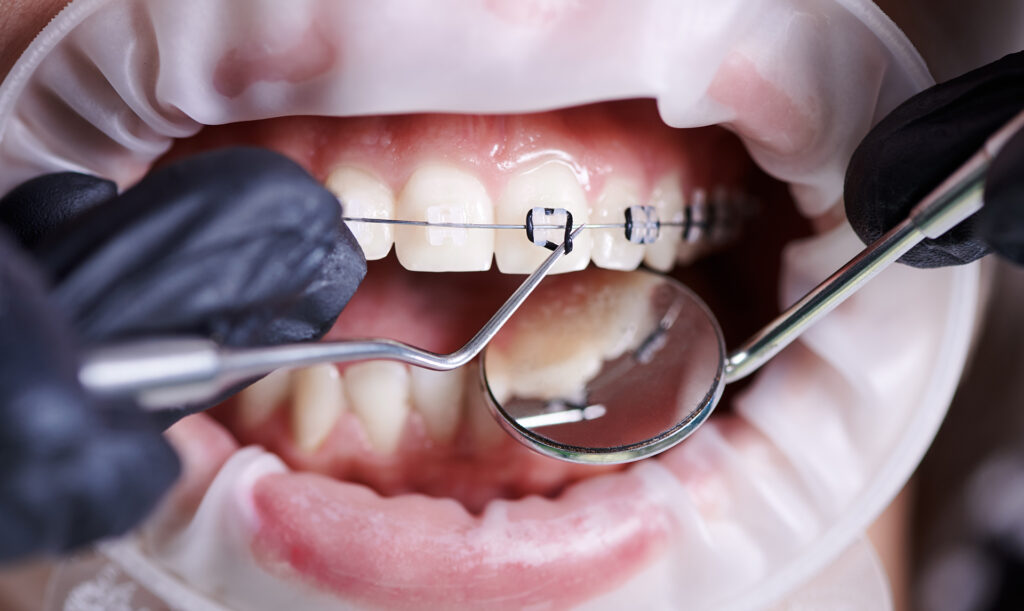
Orthodontic treatment, such as fixed braces or clear aligners, can impact gum health in several ways. While properly aligned teeth are easier to clean and less likely to accumulate plaque, poorly managed orthodontic care can cause gum recession.
If you have braces or are considering them and are worried about receding gums, it’s essential to work closely with both your orthodontist and your general dentist. They will help develop a treatment plan to help keep your teeth and gums healthy throughout your orthodontic journey.
Good oral hygiene is even more important during orthodontic treatment. Food particles can become trapped around brackets and wires, making brushing and flossing essential for maintaining oral health. Your dental team can also recommend tools, such as interdental brushes or water flossers, to make your tooth cleaning easier.
Can Receding Gums Fix Themselves?
While early gum inflammation can be reversed with good oral hygiene and professional dental cleaning, actual gum recession requires intervention to repair.
Ignoring signs of receding gums can lead to further exposure of the tooth root, increased sensitivity, and, ultimately, tooth loss. Left untreated, advanced gum recession can also lead to tooth mobility and loss of bone around the teeth and the connective tissue beneath them.
With proper care and treatment, you can stop the progression of gum recession, reverse early gum recession where possible, and protect your long-term oral health.
How TEETH @ Tiong Bahru Can Help
Receding gums is more than just a cosmetic issue. It’s a sign of gum disease. If left untreated, it can lead to undue sensitivity, aesthetic concerns and tooth loss.
If you’re worried about gum recession or want to know how to prevent it, don’t wait for your symptoms to worsen. Book an appointment with TEETH @ Tiong Bahru today to consult with our team and our gum specialists, and let us help you restore and protect your gum health.