What Is a Periodontal Pocket?
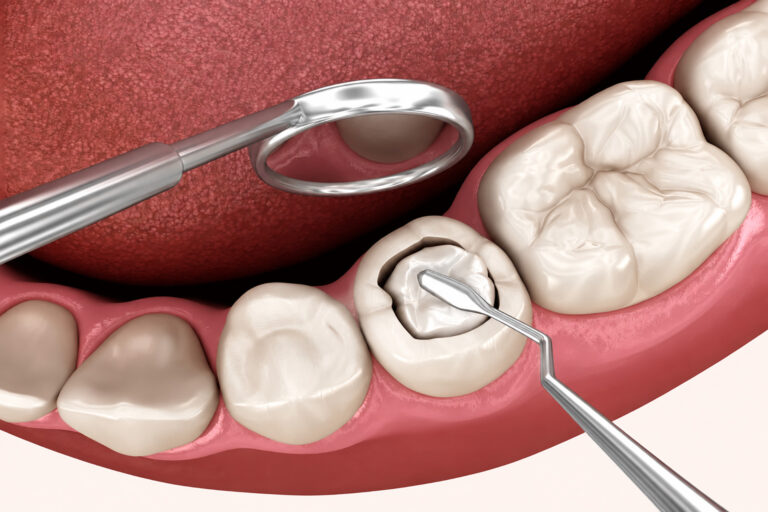
A healthy gum sulcus, or gingival sulcus, is usually about 1 to 3 mm deep. When plaque, a sticky film of bacteria and tartar, triggers ongoing gum inflammation, the gum tissue can begin to detach from the teeth, creating a deeper space that traps more bacteria, food debris and more plaque, making the area harder to clean. This is a periodontal pocket, an abnormally deep space between the tooth and gum caused by periodontal disease and loss of attachment between the gum and tooth. If left untreated, it can damage the underlying bone and increase the risk of tooth loss and tooth decay.
It helps to distinguish a true periodontal pocket from a gingival pocket. A gingival pocket, sometimes called a pseudopocket, happens when swollen gum tissue makes the crevice look deeper without loss of attachment or bone. A true periodontal pocket forms when the pocket epithelium and attachment have moved down the root surface, and the supporting teeth and surrounding tissues are damaged. This anatomical difference matters because the treatment goals and long-term outlook differ between periodontal and gingival pockets.
Symptoms
Pocket formation often goes unnoticed in the early stages because there is little or no pain, even as bacteria multiply below the gum line. What they notice instead is bleeding when brushing, red or swollen gums, bad breath, gums pulling away from the teeth, pain when chewing, or teeth that look longer than before. As the disease progresses, a deep periodontal pocket may trap bacteria more easily and increase the chance of tenderness, pus, a bad taste, loose teeth, or a discomfort when biting.
In Singapore, gum disease is common, with SingHealth noting that 90% of adult Singaporeans have some form of periodontal disease, ranging from gingivitis to periodontitis. That makes seemingly small signs, such as bleeding gums, worth taking seriously rather than treating them as routine.

When to See a Dentist
One reason periodontal pockets are often missed is that early gum disease may not hurt. You should see a dentist if your gums bleed often, look swollen, seem to be pulling away from your teeth, or if your breath stays unpleasant despite cleaning. Early detection matters because gum pockets caught early are generally easier to manage. A review is especially important if symptoms are worsening or if one area keeps trapping food and plaque.
Good oral health and gum health depend on regular dental visits to monitor pocket depth and risk factors such as smoking and diabetes. Treat gum disease early to protect your oral health and overall health.
Diagnosis
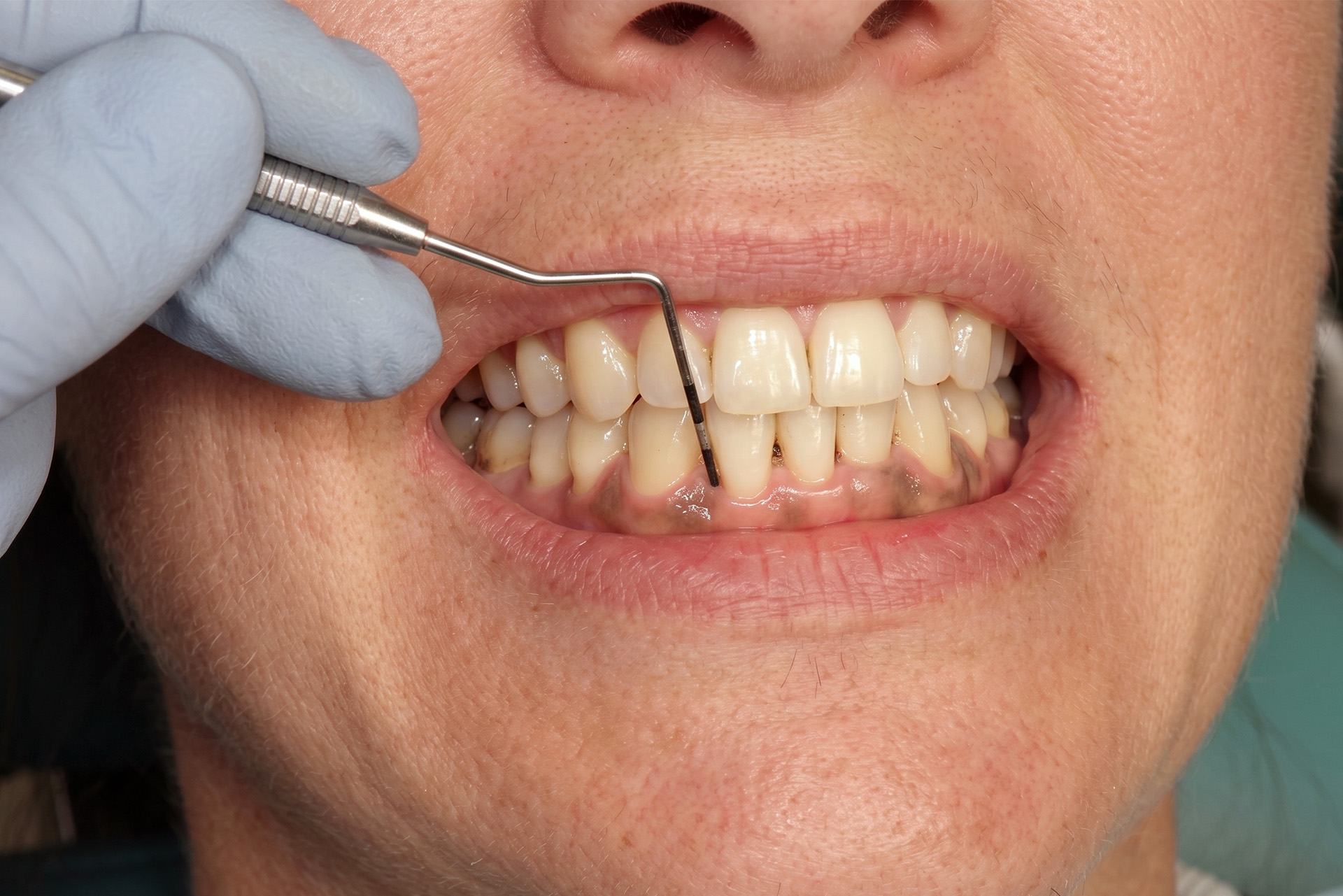
Dentists diagnose a periodontal pocket by measuring the space around the teeth with a periodontal probe, assessing the gums and bone, and then measuring the pocket depth in millimetres. Depths of 1 to 3 mm are generally considered healthy. Readings of 4 to 5 mm may suggest mild periodontitis; 5 to 7 mm, moderate periodontitis; and readings deeper than 7 mm may reflect advanced periodontitis or advanced gum disease.
Pocket depth measurement alone is not enough. Your dentist will also look at bleeding, puffiness, plaque and tartar, recession, tooth mobility, and visible attachment loss. If a gum pocket is deep or bone loss is suspected, dental X-rays may be taken to assess the extent of damage to the supporting bone around the teeth.
Non-Surgical Management
Non-surgical periodontal pocket treatment aims to reduce bacteria, inflammation, and pocket depth without excising the gum tissue. For smaller gum pockets, professional cleaning combined with improved oral hygiene and home care may be enough to reduce the swelling and help the gum tissue grow back around the teeth. Brushing twice a day with fluoride toothpaste, cleaning between the teeth, and using an antibacterial mouthwash or, when recommended, an antibiotic mouthwash and an antibacterial gel are central parts of early periodontal treatment.
For more established periodontal disease, the main treatment is scaling and root planing. This deep-cleaning procedure removes the buildup of bacteria, plaque, and tartar from both above and below the gum line. The main goals are to smooth the tooth surfaces and reduce inflammation in the mouth.
Generally, dentists can effectively clean gum pockets up to 6-7 mm deep using this method. However, the exact results depend on the type of gum disease, the patient’s daily oral care routine, and other risk factors like smoking or diabetes. In some cases, systemic antibiotics or other treatments may be added. An immune system weakened by systemic disease can slow recovery.
Patients often ask, do periodontal pockets heal? Not all pockets respond the same way. Shallow, inflamed gum pockets may shrink significantly when infection is controlled, but deeper, true periodontal pockets caused by attachment and bone loss do not simply return to normal on their own. In those cases, the goal is usually to reduce pocket depth, control oral bacteria, and maintain the area to protect long-term oral health.
Surgical Options
Surgery may be necessary when a periodontal pocket is too deep to clean effectively with non-surgical treatments. This allows the dentist or specialist direct access to the gum tissue and bone, especially in advanced cases involving significant bone loss or complex tooth root structures.
Periodontal pocket reduction procedures may also include bone grafting in suitable cases. Common options include an operation to make the pockets shallower and a periodontal flap procedure. In the flap procedure, the gum is carefully pulled back so the dentist can clean the roots of the teeth more thoroughly and address any problems with the bone. T
hese surgical treatment options address significant bone loss and give access to the underlying bone that cannot be reached through normal brushing. In selected cases, a gingivectomy may be used to remove excess infected gum tissue, and regenerative procedures may be added if the defect pattern is suitable. Systemic antibiotics may also be used when a periodontal abscess is present.
Risks and Recovery
If you do not treat periodontal pockets, the infection can linger, leading to bone loss, loose teeth, and eventually tooth loss. This untreated gum disease also contributes to overall health problems linked to inflammation throughout your body.
How well you recover after a periodontal pocket treatment depends on the starting pocket depth and the type of treatment. After non-surgical cleaning, you might experience a slight tenderness, minor bleeding, or temporary sensitivity until your gums settle. You will need to follow special instructions for brushing and flossing while you heal.
For long-term success, you must maintain excellent plaque control, keep your follow-up appointments, and manage risk factors like smoking and high blood sugar (if you have diabetes).
How TEETH @ Tiong Bahru Can Help
TEETH @ Tiong Bahru can help by matching periodontal treatment to its depth and cause. In practical terms, that means measuring pocket depths carefully, checking for bleeding and gum recession, assessing X-rays when needed, and deciding whether the best next step is a professional cleaning, scaling and root planing, periodontal pocket reduction procedures, or referral for periodontal surgery.
For patients in the Tiong Bahru area and surrounding neighbourhoods, early treatment at TEETH can make a real difference in oral health. A smaller periodontal pocket is often easier to stabilise than a long-standing deep periodontal pocket with significant bone loss. The aim is not only to treat the current infection and gum disease, but also to reduce the chance of recurrence by making the mouth easier to clean and the teeth easier to maintain over time.
If you notice a change in your gums or want to take preemptive action, call us today to schedule an appointment to support your long-term oral health.