What Is Root Canal Treatment?
Root canal treatment, also called root canal therapy or endodontic treatment, is a dental procedure that removes inflamed or infected pulp from inside a tooth, then cleans, fills and seals the root canal system.
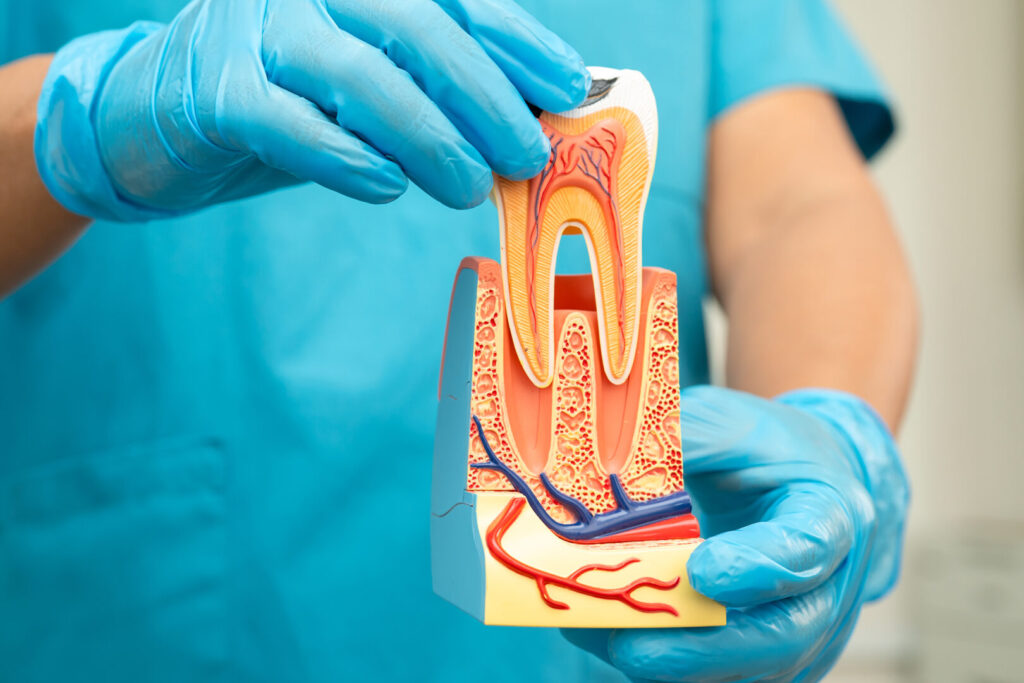
A tooth has hard outer layers called enamel and dentine. Inside these layers is soft tissue called the pulp, or the soft tissue inside the tooth’s root. The pulp contains nerves, blood vessels and connective tissue. It extends from the crown of the tooth, through the pulp chamber and into narrow channels inside the tooth’s root canals.
A root canal is needed when the pulp becomes infected, inflamed or dead. Infected or damaged pulp can lead to tooth infection. This can happen after deep or severe tooth decay, a cracked tooth, repeated dental work, trauma or a large leaking filling. If left untreated, pulp damage worsens. Once bacteria reach the pulp, the infection can spread through the root canal system and into the bone around the root.
Root canal treatment aims to remove the diseased pulp from the affected tooth, disinfect the inside of the tooth and seal the canals to reduce the risk of reinfection. After following these steps, the treated tooth is restored with a permanent dental filling or dental crown so it can continue to function.
When Root Canal Treatment Is Needed
Root canal treatment is needed when damage or infection has reached the pulp and the tooth cannot be treated with a simple filling alone.
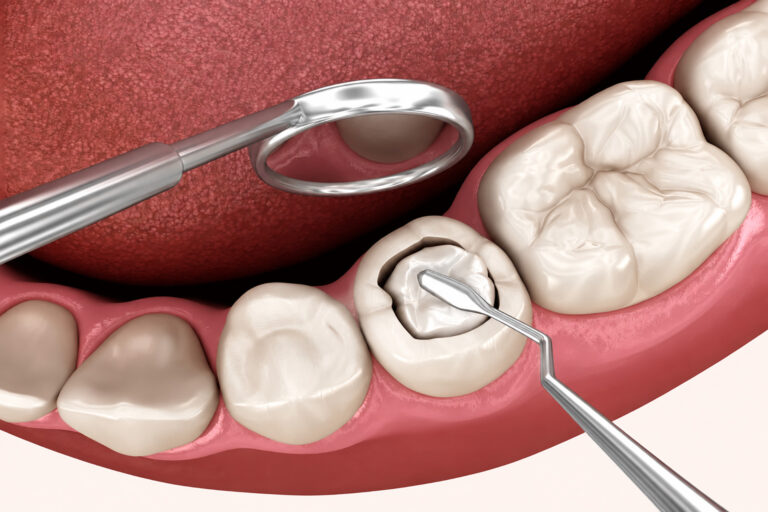
Tooth decay often starts in the enamel and, left untreated, may progress to tooth pain. If treated early, it may only need a filling. If decay spreads deeper into the dentine and tooth pulp, bacteria can irritate or infect the nerve tissue. At this stage, a filling alone may trap bacteria inside the tooth and allow the infection to continue.
Root canal treatment is needed when damage or infection has reached the pulp and the tooth cannot be treated with a simple filling alone, and may be recommended for:
- Deep decay that has reached the pulp
- A cracked or fractured tooth
- A tooth injury, even if the tooth looks intact
- A large old filling that has leaked or failed
- A dental abscess at the root tip
- Persistent pulp inflammation after repeated dental procedures
- Severe wear that exposes the inner tooth structure
Not every toothache means you need a root canal. Some pain can come from gum disease, a high filling, sinus pressure, grinding, or a small cavity. Medication can temporarily manage pain or infection, but it is not definitive if bacteria remain inside the tooth.
Symptoms That May Mean You Need Root Canal Treatment
Symptoms that may suggest a root canal problem include a lingering toothache or tooth pain, sensitivity to heat or cold, pain when biting, swelling, pus, or tooth discolouration. Persistent tooth pain and swollen gums are common, and a prolonged sensitivity may also occur.
Root canal symptoms can be constant or intermittent. Some patients have severe pain. Others have mild symptoms or no symptoms at all, especially if the pulp has already died.
Common signs include:
- Persistent toothache
- Pain when biting or chewing
- Lingering sensitivity to hot or cold temperatures
- Swollen or tender gums near the tooth
- A pimple-like bump on the gum
- Bad taste or pus near the tooth
- Tooth darkening or discolouration
- A loose feeling in the tooth
Pain may sometimes fade when the nerve dies. This does not always mean the tooth has healed. Infection can remain within the root canal system and continue to damage the surrounding bone.
Seek urgent dental care if you have facial swelling, fever, difficulty swallowing, difficulty opening your mouth or worsening pain. These can be signs that the infection is spreading.
Diagnosis
Dentists diagnose the need for root canal treatment by examining the tooth, testing the pulp and using X-rays to assess the root and surrounding bone. They may check for decay, cracks, swelling, gum pockets, loose restorations and pain when biting.
Several tests may be used:
- A cold test can show whether the tooth nerve is still alive and how it responds
- Tapping or pressure tests can show whether the tissues around the root are inflamed
- X-rays help reveal deep decay, bone changes, abscesses, root shape and previous dental treatment.
In some cases, the tooth may look normal from the outside. Diagnosis then depends on combining symptoms, tests and X-ray findings. This careful approach helps avoid unnecessary treatment and determine whether the tooth can be predictably saved.
The Root Canal Procedure
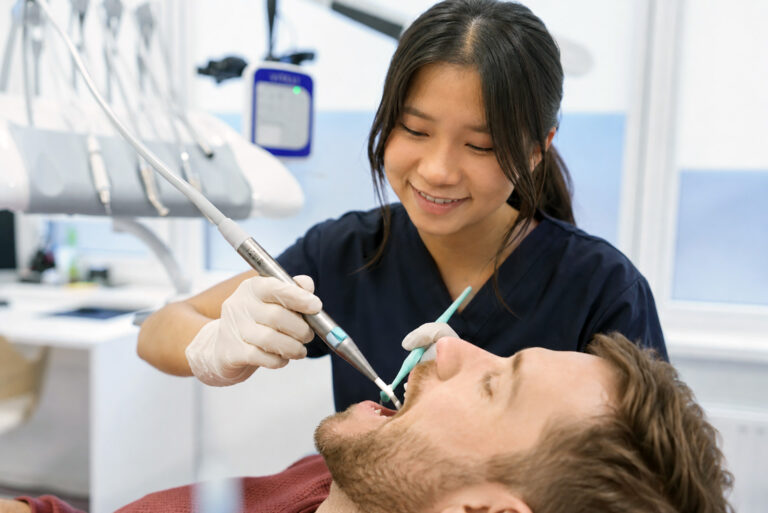
The root canal procedure is a common dental procedure that removes infected pulp, cleans and shapes the canals, fills them with a sealing material and restores the tooth.
A root canal treatment is commonly carried out over one or more visits, depending on the tooth, the number of canals, the level of infection and whether the tooth needs time to settle between appointments.
The typical steps include:
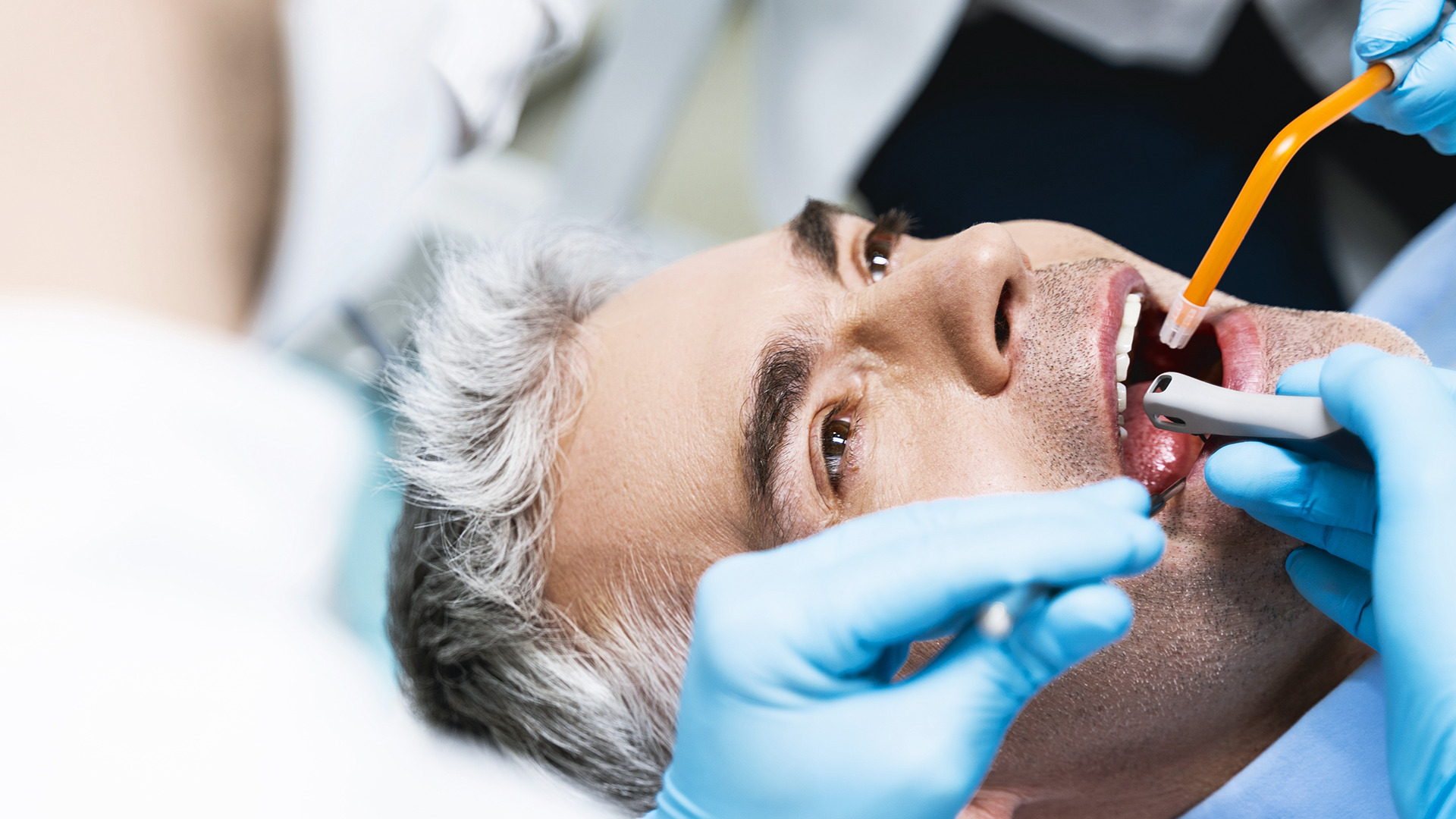
- Local anaesthesia is essential to numb the tooth and gum, keeping the area comfortable during the root canal procedure.
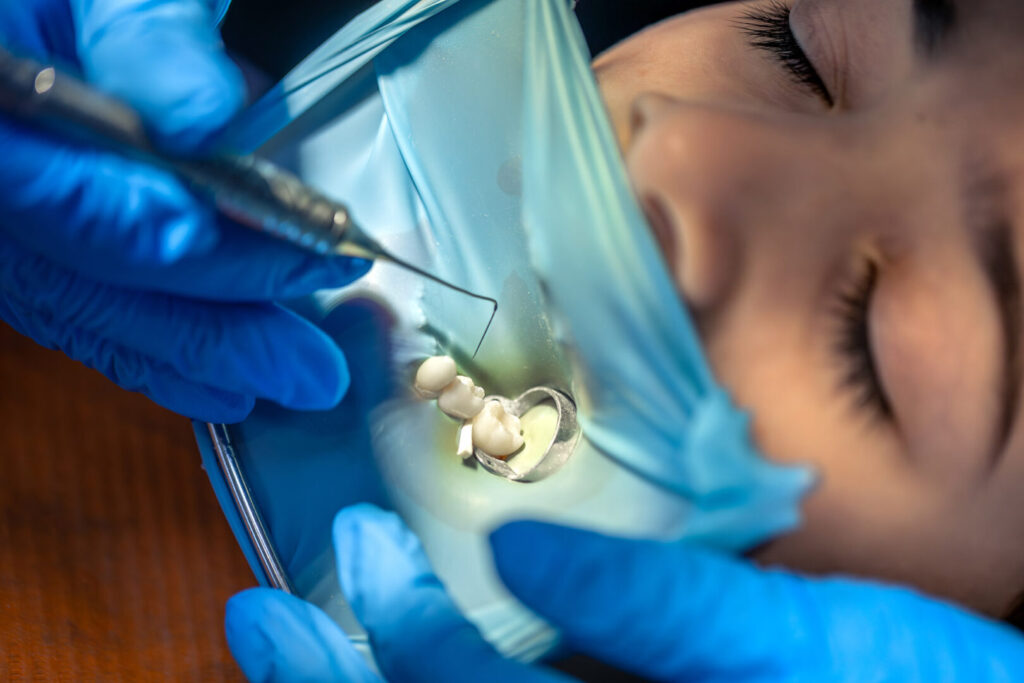
- A rubber dam is placed to keep the tooth clean, dry and isolated from saliva.
- A small opening is made in the tooth to reach the pulp chamber.
- The dentist removes infected or inflamed pulp tissue.
- Small rotary instruments clean and shape the canals.
- Antibacterial rinses flush debris and reduce bacteria.
- The canals are filled with a biocompatible material, often gutta-percha.
- The access opening is sealed with a temporary or permanent filling.
- A crown or final restoration is placed when needed.
Front teeth usually have fewer canals and may be simpler to treat. Molars often have several canals and more complex anatomy. This can affect treatment time and cost.
Is Root Canal Treatment Painful?
Usually not. In most cases, the pain comes from the infection before treatment, not from the procedure itself. Local anaesthetic helps keep the tooth comfortable while the dentist cleans the inside of the tooth.
After treatment, the tooth may feel tender for a few days. This is usually due to inflammation in the tissues around the root. You may have mild soreness when biting, especially if the tooth was painful before treatment. Most patients feel better within a few days after the procedure, though full healing can take a few weeks. Over-the-counter pain relief may be recommended if suitable for you.
Contact your dentist promptly if pain worsens, swelling develops, the temporary filling feels loose, or the bite feels high. You may need a small bite adjustment or review.
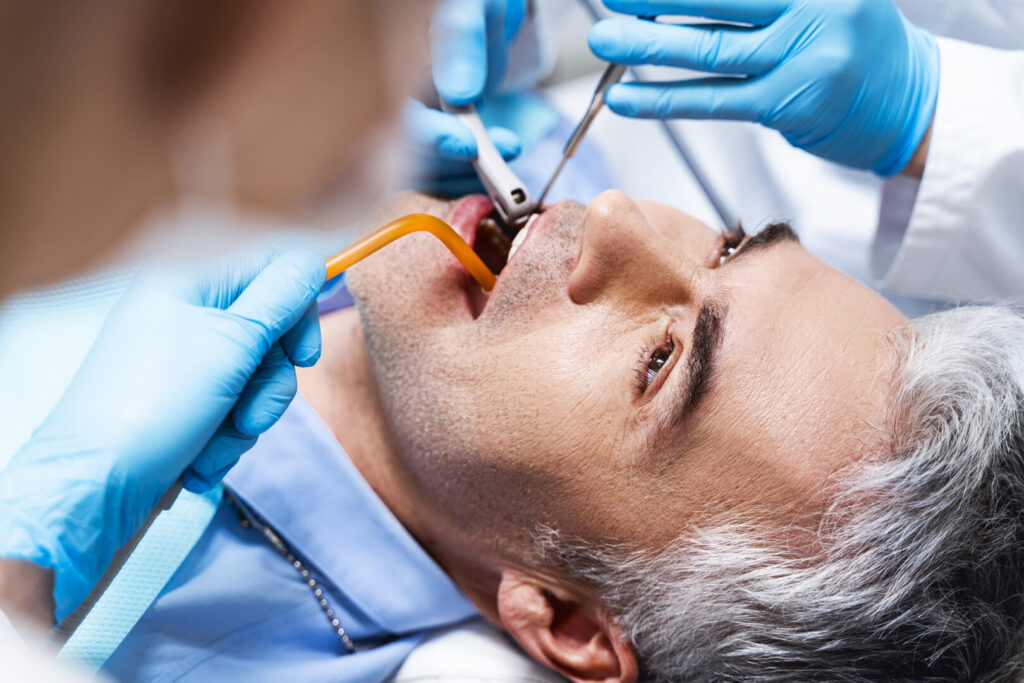
Benefits of Root Canal Treatment
Keeping a natural tooth helps maintain chewing function, supports the adjacent teeth and avoids the immediate need for tooth replacement. The restored tooth functions like other natural teeth, and it helps preserve the rest of the smile. A saved tooth also maintains bite balance.
Root canal treatment for an infected tooth can:
- Remove the infection and infected pulp inside the tooth.
- Reduce pain and swelling.
- Help prevent infection from spreading.
- Preserve the natural tooth root.
- Restore chewing function after final restoration.
- Avoid extraction where the tooth can be saved.
A permanent dental crown can be important for weakened back teeth. After crown placement, the root canal-treated tooth is much stronger. Many root canal failures that require extractions often involve teeth without a permanent crown.
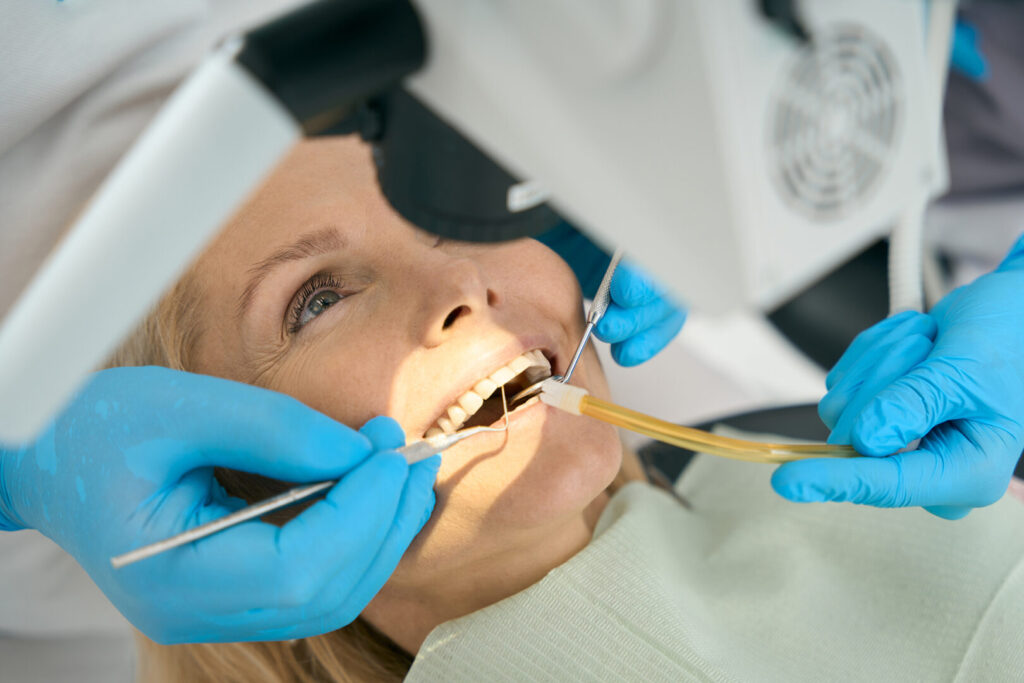
Root Canal Treatment Cost in Singapore
The cost of root canal treatment in Singapore depends on several factors, including the tooth’s location, the number of root canals to be treated, and the complexity of the treatment. The following root canal prices at TEETH @ Tiong Bahru exclude the cost of a final protective crown:
- Incisors, canines and premolars: the fee typically ranges from $491.00 to $872.00.
- Molars: which have more complex anatomy, can cost between $927.00 and $1,199.00.
Additional procedures or re-treatments may increase the overall cost of your root canal treatment. The price per tooth for a dental crown ranges from $1,308.00 to $1,635.00 (incl. GST), depending on the material. You’ll receive a clear cost breakdown before any treatment begins, allowing you to make informed decisions.
CHAS / PG / Merdeka subsidies (per treatment, as of 2026):
| Card Type | Front Tooth | Premolar | Molar |
| CHAS Blue | Up to $326.00 | Up to $2462.50 | Up to $584.50 |
| CHAS Orange | Up to $217.50 | Up to $308.500 | Up to $389.50 |
| Merdeka | Up to $331.00 | Up to $467.50 | Up to $589.50 |
| Pioneer | $336.00 | $472.00 | $594.50 |
In addition, from mid-2026, seniors aged 60 and above can tap on their Flexi-MediSave to offset up to $400.00 per year for root canal treatments and permanent crowns at CHAS dental clinics and public healthcare institutions.
We’ll review your CHAS card type, confirm the exact out-of-pocket amount before you commit, and ensure the root canal treatment cost fits your budget.
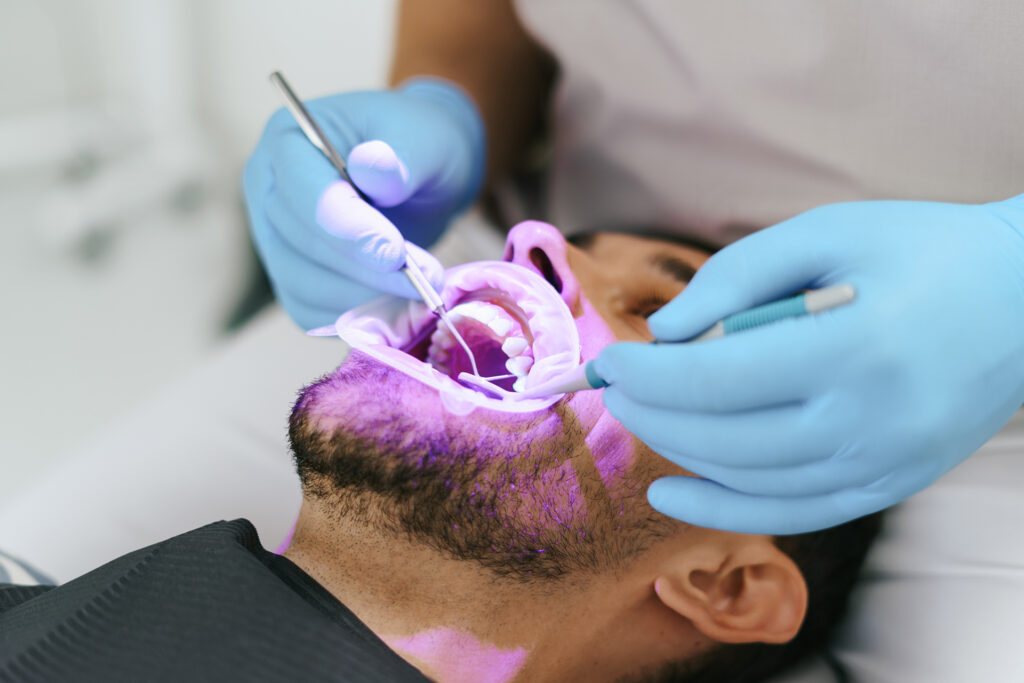
Aftercare and Recovery of Root Canal Treatment
After root canal treatment, protect the tooth from heavy chewing until it has been permanently restored.
Recovery from root canal treatment is usually straightforward:
- Soft foods are easier on the tooth and help during early healing.
- Most patients feel better within a few days.
- Avoid eating until the numbness wears off so you don’t bite your cheek or tongue.
- Maintain good oral hygiene to prevent further infection.
If the affected tooth has a temporary filling, avoid chewing hard foods on that side. The tooth may be weaker until the final filling or crown is placed. Excessive pressure before final restoration can increase the risk of fracture.
Aftercare includes steps to ensure proper healing:
- Brush twice daily with fluoride toothpaste.
- Clean between the teeth once daily.
- Avoid chewing hard objects such as ice or pens.
- Attend follow-up appointments.
- Complete the final restoration promptly.
- Return for a review if pain, swelling or looseness develops.
Root-filled teeth can still get decay or gum disease. They need the same daily care and dental reviews as other teeth.
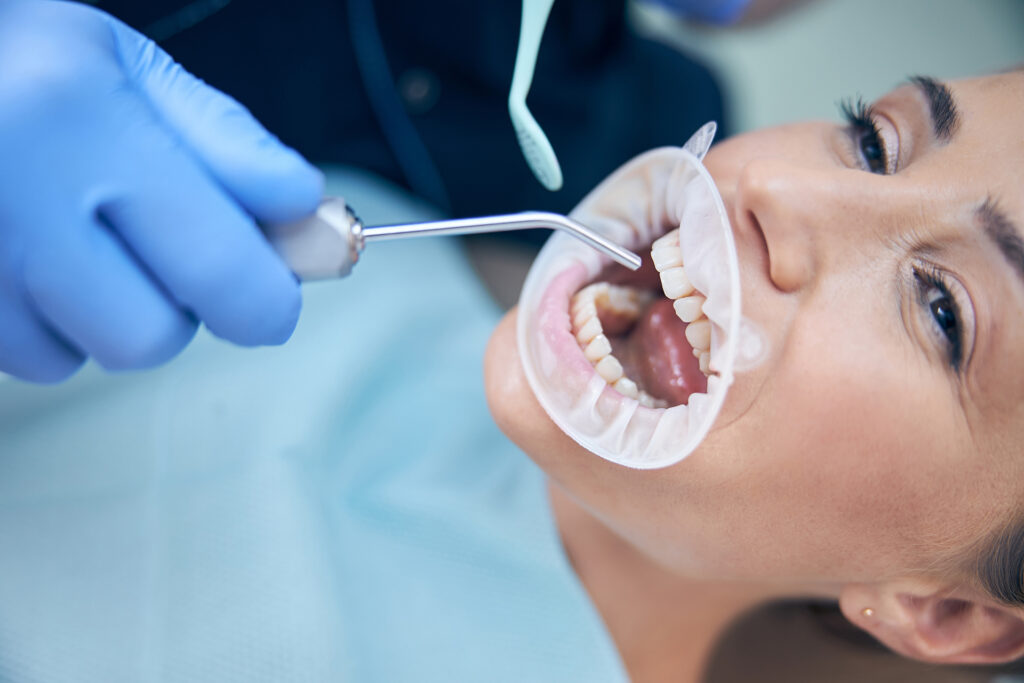
Risks and Possible Complications of Root Canal Treatment
Root canal treatment is generally safe and effective, but reinfections, fractures, or persistent symptoms can occur in some cases.
A tooth may not heal if bacteria remain in a hidden canal, if the affected tooth has an undetected crack, if the filling or crown leaks, or if new decay develops. Complex root canal anatomy can also make the treatment more challenging.
Possible complications include:
- Tooth extraction if the tooth cannot be saved
- Ongoing tenderness
- Reinfections
- Missed or blocked canals
- Tooth fractures
- Loose or leaking restorations
- Retreatment or dental surgery by a root canal specialist
Root Canal Retreatment and Surgery
Consider root canal retreatment or surgery when a previously treated tooth does not heal or becomes infected again.
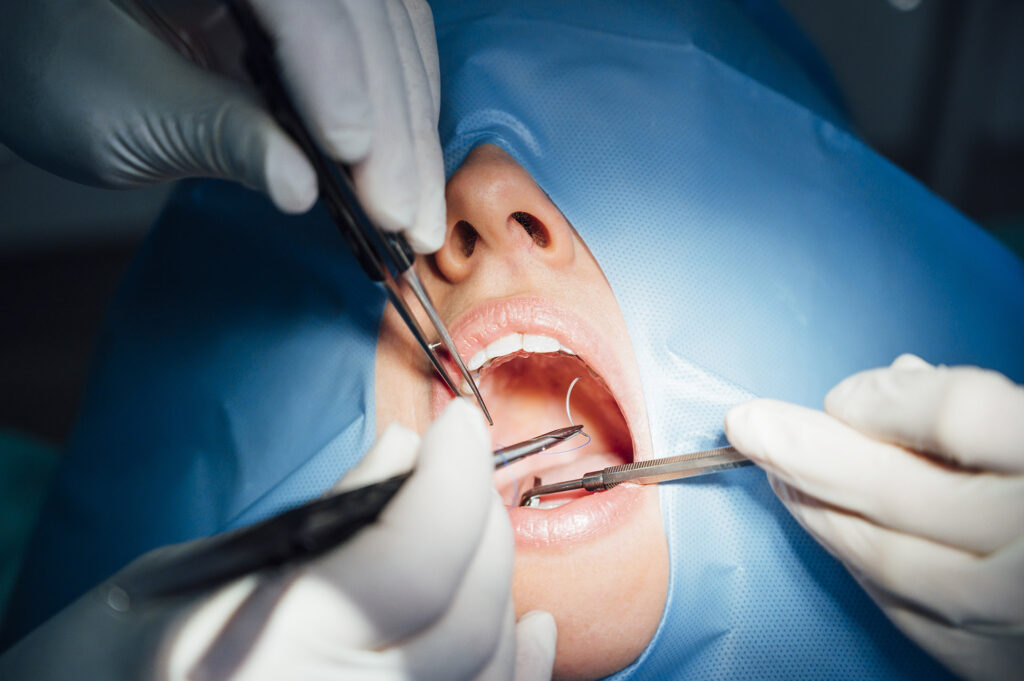
- Root canal retreatment involves reopening the tooth, removing old root filling material, cleaning the canals again and resealing them. It may be recommended if a tooth has new decay, a leaking crown, untreated canal spaces or persistent infections.
- Root canal surgery, also called apical surgery or apicoectomy, may be considered when infection remains around the root tip and cannot be managed through the tooth. During this procedure, the dentist or specialist accesses the root through the gum, removes infected tissue and seals the end of the root.
Surgery is often not the first step for most and is reserved for select cases. When feasible, non-surgical root canal treatment is preferred to save the tooth. Surgery may be a useful option when anatomy, blockage, previous treatment or persistent root-end infection makes standard retreatment less predictable.
Root Canal Treatment vs Tooth Extraction
Root canal treatment saves the tooth, while an extraction removes it and may require replacement with an implant, bridge or denture.
Extractions may be necessary if the tooth is badly cracked, has too little remaining structure, has severe bone loss or cannot be restored predictably. However, removing a tooth creates a space that can affect chewing, appearance and neighbouring teeth.
Replacing a missing tooth may involve a dental implant, a bridge, or a denture. These options can work well, but they involve additional costs.
Prevention
You can often reduce the need for root canal treatment by preventing deep decay, cracks, and untreated dental infection.
Regular dental check-ups can detect cavities, cracked fillings and early dental injuries before they reach the pulp. Early fillings, crown repair, and gum care may prevent the need for more complex treatments later.
Prevention starts with good oral hygiene: brush twice daily, floss daily, limit sugary foods and drinks, wear a mouthguard for contact sports, and use a night guard if you grind your teeth.
Don’t delay a review for toothache, swelling, a cracked tooth, or lingering sensitivity. Early care often means a simpler treatment.
How TEETH @ Tiong Bahru Can Help
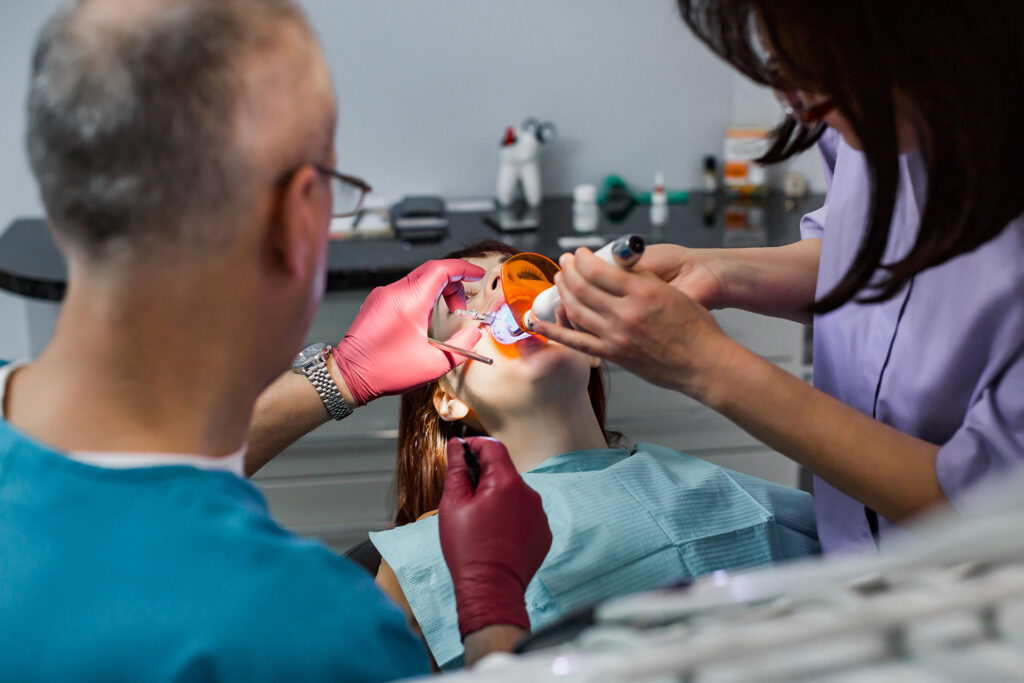
TEETH @ Tiong Bahru can assess tooth pain, diagnose pulp infections and provide root canal treatments or referrals when complex care is needed. A careful assessment helps determine whether the tooth needs a filling, root canal treatment, crown, periodontal care or extraction.
If you are seeking root canal treatment in Singapore due to tooth pain, swelling, or lingering sensitivity, contact TEETH @ Tiong Bahru.
FAQs about Root Canal Treatment
Can I go back to the office the same day after a root canal?
Yes, most patients do. The numbness from the procedure wears off within a few hours, and any mild soreness usually doesn’t stop you from desk work or light duties. We often see patients return directly to the office after a front-tooth treatment. If it’s a molar and you feel a bit tired from keeping your mouth open, taking it easy the rest of the day is fine, but it’s not required.
Will my tooth change colour after root canal treatment?
Front teeth sometimes darken slightly over the years because the nerve is gone, and tiny blood pigments can remain inside the tooth. It’s uncommon with modern techniques, but if it does occur, it’s easily fixed with a quick internal bleaching session (which takes one extra visit) or an external veneer.
What happens if I delay the crown after the root canal is finished?
Your tooth becomes much more brittle without its blood supply. We’ve seen patients fracture the temporary filling or even split the tooth in half by biting on something hard (such as crusty bread or ice) while waiting. A crown isn’t optional for back teeth. Delaying it by a few weeks is usually okay, but beyond 2–3 months, the risk of cracking increases sharply, and you might lose your tooth entirely. Protecting your tooth after the root canal is crucial.
Can I still get an MRI if I’ve had root canal treatment?
Everything we place inside the root canal (gutta-percha and sealer) is non-metallic and MRI-safe. Even older root canals from decades ago rarely cause issues today because modern fillings don’t contain metal. Just let the radiology team know you have dental work.
Is it safe to have a root canal while I’m pregnant?
Yes, especially in the second trimester. We use digital X-rays with lead aprons and thyroid shields, so radiation exposure is negligible. Local anaesthetic (lidocaine) is category B, perfectly safe for the baby. Many pregnant patients prefer to get a root canal done rather than live with pain or infection, which can actually be riskier for the pregnancy. If you are pregnant, we will coordinate timing with your obstetrician, depending on whether the first or third trimester applies.