
An erupted wisdom tooth is a wisdom tooth that has broken through the gum tissue and is visible at the back of your mouth. Eruption describes how far the tooth has emerged, rather than whether it is healthy or needs removal.
Wisdom teeth, or third molars, are permanent teeth that usually appear in the late teens or early twenties, commonly between ages 17 and 25. Many people develop four wisdom teeth altogether, although the number varies. A tooth that emerges upright, bites properly and can be cleaned may remain in place with regular dental monitoring. Not all wisdom teeth require dental treatment, but most require monitoring through regular dental check-ups.
Fully erupted, partially erupted or impacted?
These terms describe different aspects of a wisdom tooth’s position. A partially erupted wisdom tooth may still be moving into place if there is enough space, or it may be an impacted tooth because its path is blocked.
| Tooth position | What you may see | What it means |
|---|---|---|
| Fully erupted | The crown, the upper part of the tooth, has emerged through the gum. | The tooth still needs checks for decay, gum health, bite and cleaning access. |
| Partially erupted | Only part of the crown is visible; gum may cover the rest. | The tooth may be emerging normally or may be blocked from erupting further. |
| Impacted | The tooth may be partly visible or remain completely beneath gum or bone. | Its eruption is obstructed, or its position prevents normal emergence |
Partial eruption of a wisdom tooth does not, by itself, confirm impaction. An examination and, when indicated, dental X-rays help identify impacted wisdom teeth and establish whether there is enough room for normal eruption.
Wisdom tooth eruption symptoms
Some wisdom teeth emerge without symptoms. But in some cases, they can cause mild pressure or tenderness behind the last molar as the gum tissue changes around the emerging tooth. When a wisdom tooth starts to emerge, you may notice:
- A small white part of the tooth appearing through the gum.
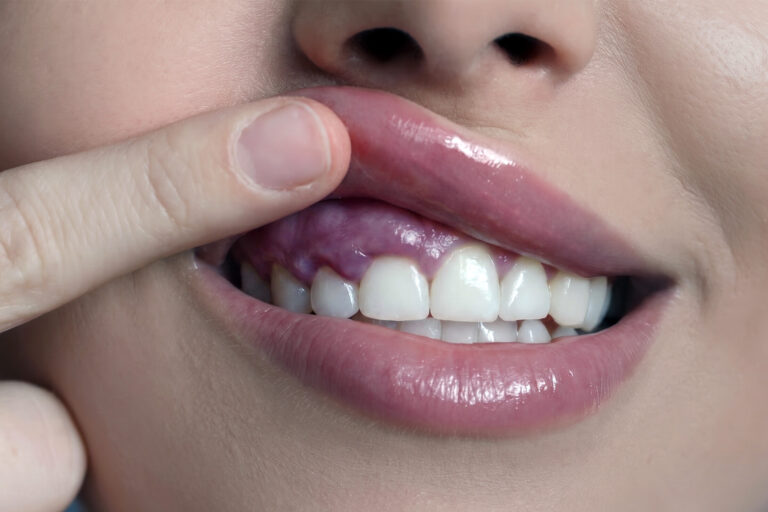
- A tender area or slight gum swelling behind the second molar.
- Discomfort when brushing or chewing near the emerging tooth.
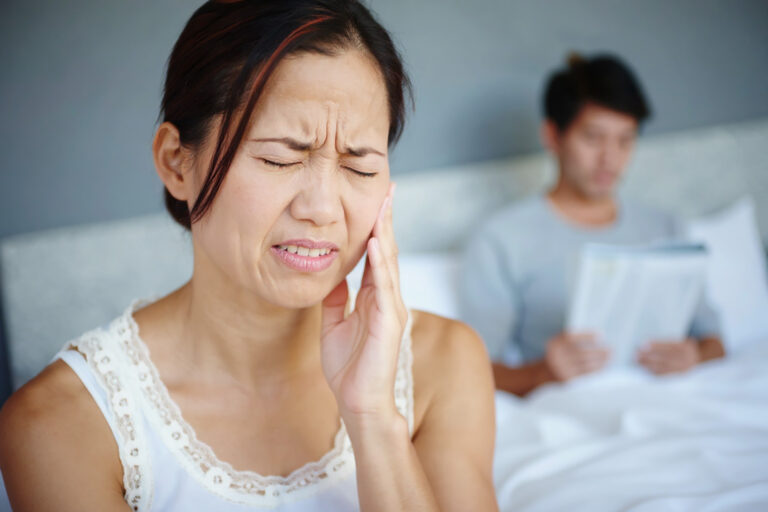
Wisdom tooth eruption pain should not automatically be assumed to be normal. Persistent or increasing jaw pain, repeated swelling, bad breath, an unpleasant taste or discharge may indicate decay or inflammation. A swollen gum around a wisdom tooth needs assessment if it persists or returns.
When to seek care
Arrange an assessment at a dental clinic for ongoing dental pain, bad breath, food trapping, bleeding or difficulty cleaning the area. Seek urgent dental care for severe pain, fever, worsening facial swelling, or marked difficulty opening your mouth, as this can signal a serious condition.
Difficulty breathing or swallowing, or swelling spreading into the neck, requires emergency medical attention. These are not expected features of uncomplicated eruption and may indicate a spreading wisdom tooth infection.
Why a partially erupted wisdom tooth needs monitoring
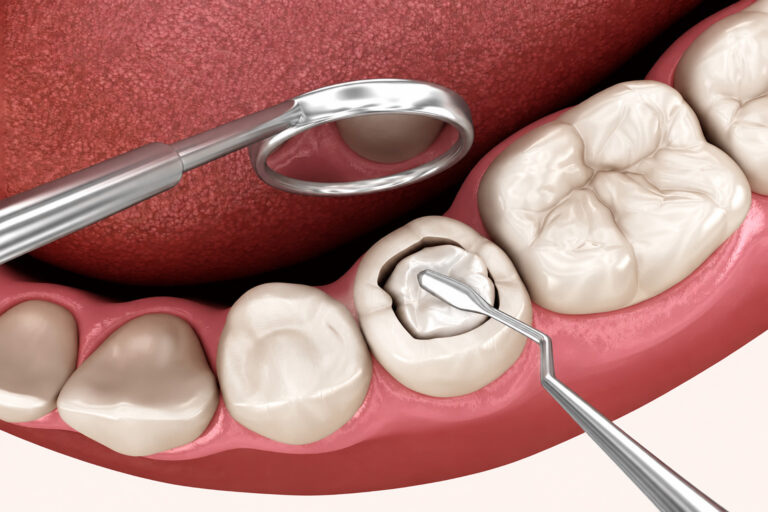
A partially erupted tooth may leave a flap of gum tissue over part of its chewing surface. The flap can trap food and plaque underneath, making it hard to brush the area. This may cause pericoronitis, inflammation or a gum infection around the tooth.
Erupted wisdom teeth can also develop cavities or gum disease (periodontal disease). Their position in the mouth makes the back surfaces and the gap beside the second molar difficult to clean. Tooth decay, also called dental caries, may affect the wisdom tooth, neighbouring teeth such as the second molar, or both.
A tooth that has stopped hurting is not necessarily free of disease. Regular oral health checks allow the dentist to assess cleaning access, gum health and any changes in the neighbouring tooth.
How dentists assess eruption
Your dentist or oral surgeon examines how much of the tooth is visible, its angle and whether the gum is inflamed. The assessment also considers tooth position, whether there is enough space, your bite, cleaning access and the health of adjacent teeth, especially the second molar, which is typically the most affected by an erupting wisdom tooth.
X-rays may be recommended to assess tooth and root position, check for obstruction, and look for decay or other changes in the wisdom tooth and nearby teeth that cannot be seen during the examination. Clinicians select imaging based on clinical findings; a scan is not automatically needed for every erupting tooth.
Monitoring or erupted wisdom tooth removal
Monitoring rather than wisdom tooth removal may be appropriate when the tooth is healthy, well positioned, and can be kept clean. A fully erupted wisdom tooth can function like any other molar and may not require any action. Review intervals depend on your oral health and the dentist’s findings.
Removal may be considered when there is:
- Repeated infection or gum inflammation around the tooth.
- Decay that cannot be treated adequately.
- Gum disease or damage affecting the tooth or nearby teeth, including the adjacent second molar.
- Persistent symptoms linked to the tooth after assessment.
A fully visible tooth may be suitable for a simple extraction under local anaesthesia rather than surgical removal. However, visibility alone does not determine difficulty. Whether you need a simple wisdom tooth extraction or wisdom tooth surgery also depends on root shape, access and nearby structures.
Your dentist or oral surgeon should discuss the benefits and risks of wisdom tooth extraction and continued monitoring, explain the planned procedure and provide an estimate for your fee.
Caring for an erupting wisdom tooth
General dental hygiene tips assist with an erupting wisdom tooth, with more care and attention to the back of the jaw where the wisdom teeth are. Brush twice a day with fluoride toothpaste, reaching the back and sides of the emerging tooth with a soft, small-headed toothbrush. Clean between the teeth where accessible. Ask your dentist to demonstrate a suitable technique if a gum flap can trap food or limited space makes cleaning difficult.
A gentle warm saltwater rinse may help keep the area clean while you arrange dental care. If you need an over-the-counter pain reliever, follow the label and check with a pharmacist or dentist to make sure it suits you. Choose soft foods if chewing causes jaw discomfort. Do not put aspirin directly on the gum or probe beneath it with sharp objects.
Antibiotics do not help a tooth erupt and are reserved for appropriate clinical indications, such as spreading infection or systemic illness. For localised inflammation, professional cleaning and irrigation may be sufficient. If wisdom tooth pain persists, arrange a dental assessment rather than relying on repeated pain relief.
At the TEETH @ Tiong Bahru dental clinic, a dentist can assess an erupting wisdom tooth and explain whether monitoring or dental treatment is appropriate.
Frequently asked questions
How do you know if your wisdom tooth has erupted?
You may see or feel a hard, white tooth surface at the back of your mouth, behind your second molar. A dentist can confirm whether it has erupted and how much has emerged. Seeing one cusp does not mean the entire crown has erupted.
What happens when your wisdom teeth erupt?
The chewing surface of these third molars moves through the gum towards its position behind the second molar. With enough room and a suitable angle, the tooth can become part of your bite alongside neighbouring teeth. If its path is blocked, it may remain partly erupted.
Is it bad if wisdom teeth erupt?
Eruption is part of normal tooth development. It becomes a concern when the tooth cannot be cleaned, bites against the gum or develops disease. A painless tooth can still need monitoring, and mild tenderness alone does not require tooth removal.
How long does wisdom tooth eruption pain last?
There is no reliable fixed duration for wisdom tooth eruption pain. Discomfort depends on whether the cause is temporary gum irritation, an impacted tooth, decay or infection. Symptoms may come and go without the tooth fully emerging. Persistent, worsening or recurrent jaw pain, especially with bad breath or an unpleasant taste, needs dental assessment.
Does an erupted wisdom tooth need to be removed?
Whether you have wisdom teeth removed depends on your oral health, the tooth’s health and position, cleaning access and effects on nearby teeth and tissues. Eruption alone is not a reason to remove a wisdom tooth. Assess each wisdom tooth separately.