What Is Gingivitis vs Periodontitis?
Gingivitis and periodontitis both begin with bacterial plaque around the teeth. However, gingivitis is early gum inflammation and affects only the gums, while periodontitis is a more advanced disease that involves serious damage to the soft tissues and bone that hold teeth in place.
In Singapore, gum disease is common enough that its early signs are easy to dismiss. Up to 90% of adult Singaporeans have some form of gum disease, ranging from gingivitis to periodontitis. This makes bleeding gums worth treating as a clinical sign rather than a minor nuisance.
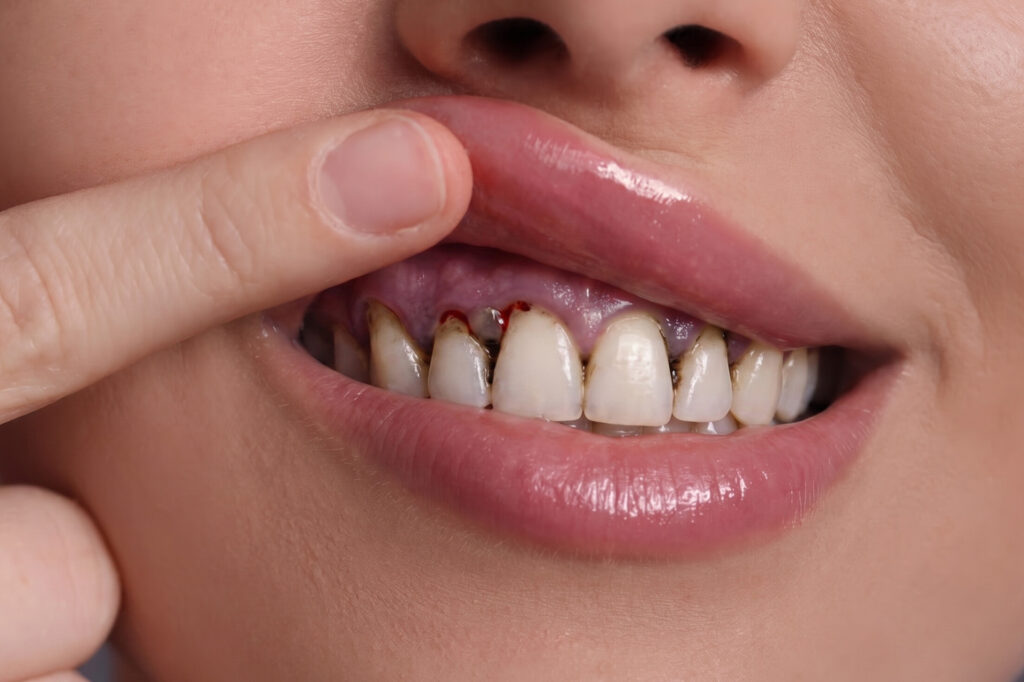
Gingivitis develops when plaque forms and tartar accumulates along the gum line, triggering inflammation in the superficial gum tissue. The result is red, swollen gums that bleed easily. These inflamed gums are tender, but there is no true loss of attachment or bone at this stage. As it involves inflammation confined to the surface, gingivitis is generally considered reversible with proper care and improved home care.
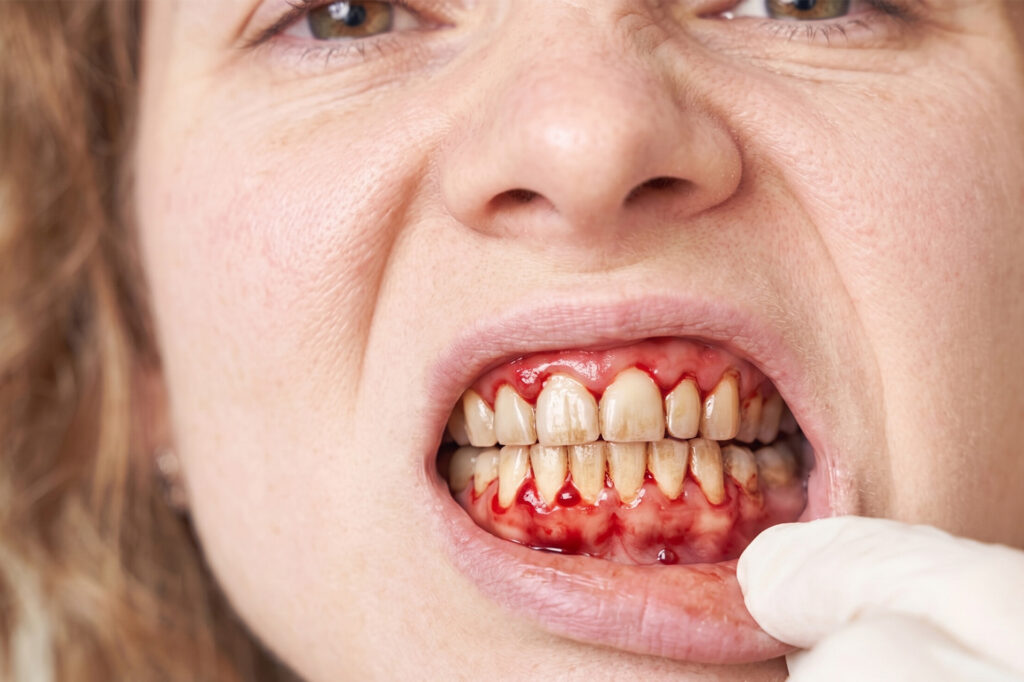
Periodontitis, on the other hand, happens when inflammation extends deeper and begins to damage the periodontal ligament, supporting bone and the supporting tissues around the tooth. As this progresses, gum pockets can form between the teeth and gums, the gum line may recede, and teeth may loosen.
Can Gingivitis Become Periodontitis?
Yes, gingivitis can progress to periodontitis if plaque-driven inflammation is left untreated and allowed to continue.
This progression does not happen in every person at the same speed, but untreated gingivitis creates the conditions for more destructive disease. Over time, persistent inflammation can cause the gums to detach slightly from the tooth, deepen the crevice around the tooth, and allow bacteria to colonise below the gum line. When gingivitis progresses and attachment and bone are lost, the condition is no longer simple gingivitis but early periodontal disease.
The likelihood of progression is influenced by more than brushing alone. Several risk factors play a role. Smoking, diabetes with unresolved high blood sugar, dry mouth, certain medications, poor oral hygiene, and a genetic predisposition can all make progression more likely and harder to control. Together with plaque-retentive areas around crooked teeth or restorations, these risk factors mean some people develop early periodontitis despite their reasonable efforts.
Symptoms
Gingivitis usually causes bleeding and swelling, while periodontitis can add receding gums, deep pockets, loose teeth and chewing discomfort.
In gingivitis, the earliest symptoms are often bleeding gums when brushing or flossing, redness, puffiness, and bad breath. Pain is often absent, which is one reason many people do not notice their symptoms early.
Periodontitis can start with similar signs, but later symptoms tend to be more serious. The gums may pull away from the teeth, causing gum recession; teeth may look longer as the gum pockets form; and chewing can become uncomfortable. In a more advanced stage, and unlike gingivitis, teeth may feel loose, shift position, or develop pus around the gum line.
When to See a Dentist
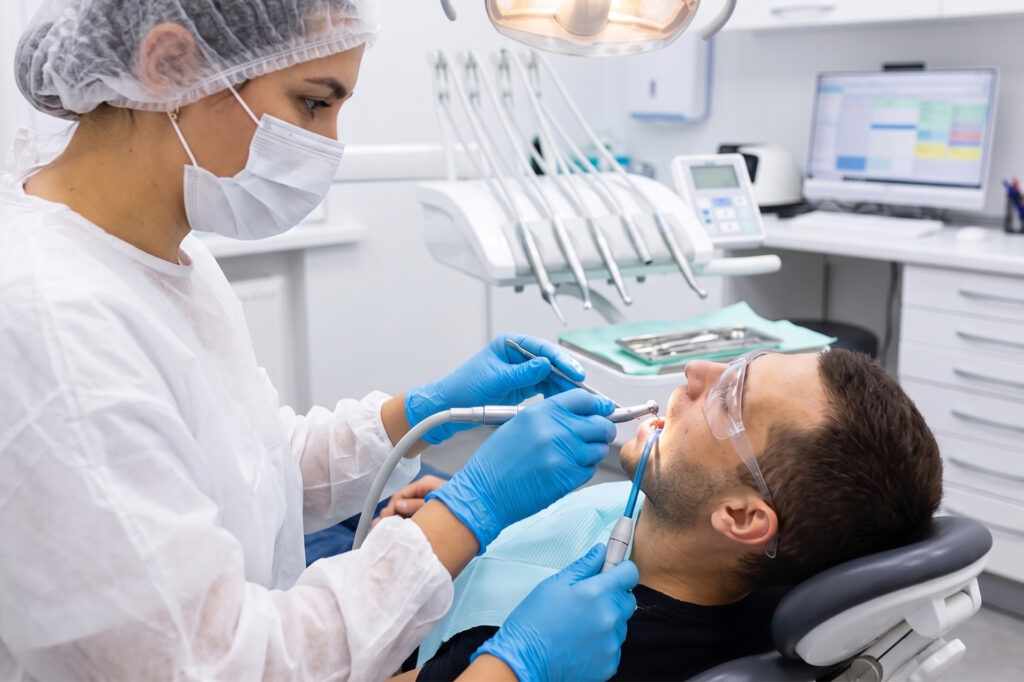
You should see a dentist if your gums bleed repeatedly, your breath smells persistently bad, your gums feel swollen, or your teeth seem longer or looser than before.
Bleeding gums should never be treated as normal, especially when they keep happening, as they are an early warning about your oral health. A dental review is sensible if the bleeding does not settle with improved cleaning within a short period, or if it is accompanied by gum recession, tenderness, food trapping, or a change in the way the teeth meet. The earlier the disease is identified, the easier it is to stop it from progressing, so seeing your dentist regularly and getting early treatment matters.
Urgent review matters even more if a tooth is mobile, there is pus near the gums, or one area feels persistently sore when chewing. Those signs are more consistent with periodontitis or early periodontal disease than with simple gingivitis and often require more than a routine cleaning.
Diagnosis
Dentists diagnose gingivitis and periodontitis by examining the gums, measuring periodontal pocket depths, and using X-rays when deeper disease is suspected.
Diagnosis starts with a visual examination of the gums and teeth. Dental professionals look for plaque buildup, tartar, redness, swelling, bleeding, recession, and mobility. A periodontal probe is then used to measure the depth of the gum crevice around each tooth. In gingivitis, gum pockets may still be shallow despite inflammation. In periodontitis, deeper probing depths and signs of attachment loss are more likely.
X-rays help confirm whether bone support has been lost. That step is important because the presence or absence of bone loss or bone damage is a major clinical divider between gingivitis and periodontitis.
Management and Treatment
Gingivitis treatment focuses on reversing inflammation, while periodontitis treatment focuses on controlling infection and preventing further breakdown.
For gingivitis, the main treatment is professional dental cleaning, along with improved home care and good oral hygiene. Removing plaque and tartar allows the gums to recover and return to a healthy state, and brushing the teeth regularly with fluoride toothpaste and cleaning between the teeth helps prevent inflammation from returning. If poor oral hygiene or local plaque traps, such as rough fillings or crowded teeth, contribute, those may also need to be addressed.
For periodontitis, treatment typically extends beyond the periodontium. Root surface debridement below the gumline is often necessary to control infection and disrupt bacterial deposits within periodontal pockets. The gums are then reviewed again after healing to see whether pockets have reduced and whether any sites remain active. Some patients also require more frequent maintenance, and selected cases may require periodontal surgery if deep pockets remain difficult to manage non-surgically.

Risks and Recovery
Untreated gingivitis can progress, while untreated periodontitis can lead to ongoing bone loss, loose teeth, and tooth loss.
Left untreated, the main risk of gingivitis is that it may become periodontitis. Ignoring periodontitis leads to continued structural damage. This advanced form of gum disease can loosen teeth to the point that they fall out or require removal.
Recovery is also different. Gingivitis often improves quickly once plaque is removed and daily cleaning improves, helping protect healthy teeth and support overall oral health. Periodontitis may also improve, but it usually requires longer-term maintenance and closer monitoring, depending on the stage of the gum disease, as patients with periodontitis remain at higher risk of recurrence.
How TEETH @ Tiong Bahru Can Help
TEETH @ Tiong Bahru can help by determining whether the problem is still reversible gingivitis or established periodontitis requiring deeper treatment.
The most useful way to think about gingivitis vs periodontitis is not which one sounds worse, but which stage you are at today and what can still be prevented. When gum disease is identified early, the chances of protecting the teeth, bone, and long-term comfort are much better. Good oral hygiene habits, dental flossing, and regular visits to your dental professional can help prevent gingivitis and protect gum health. Schedule your appointment today.