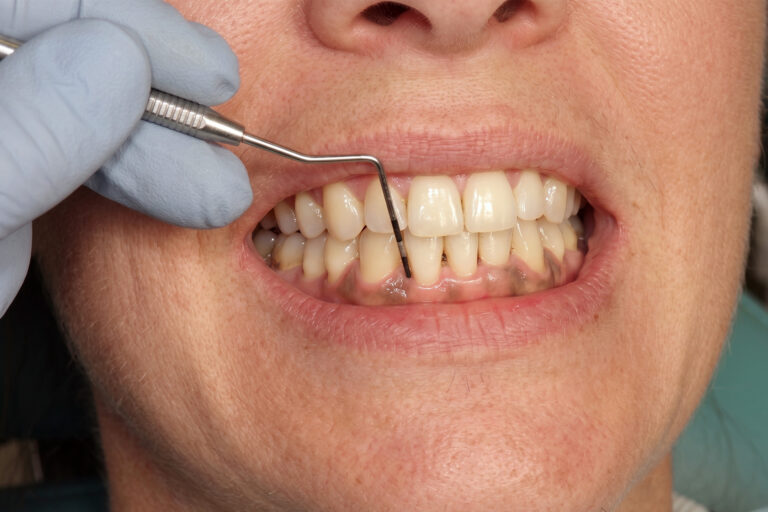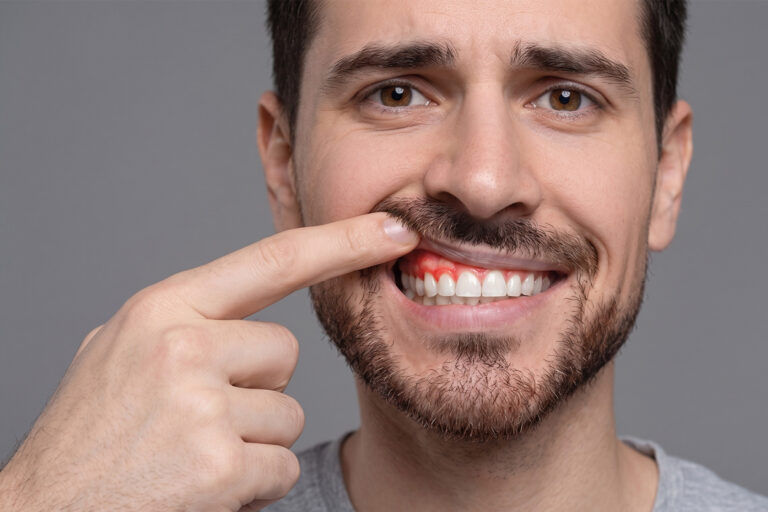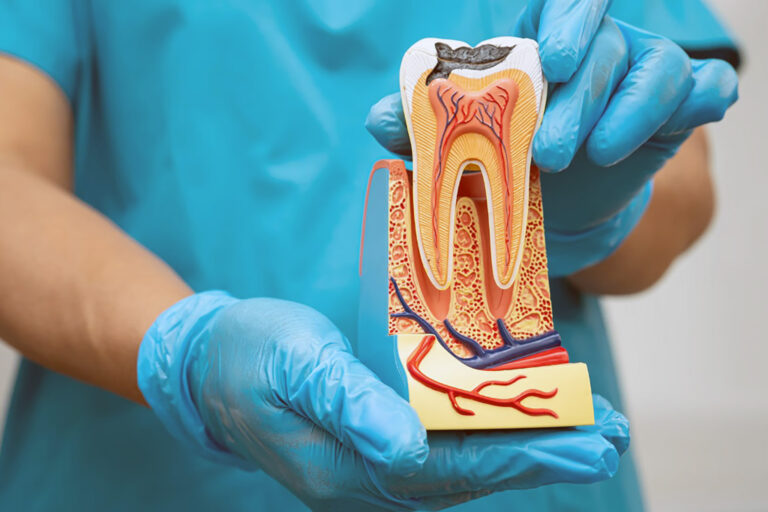
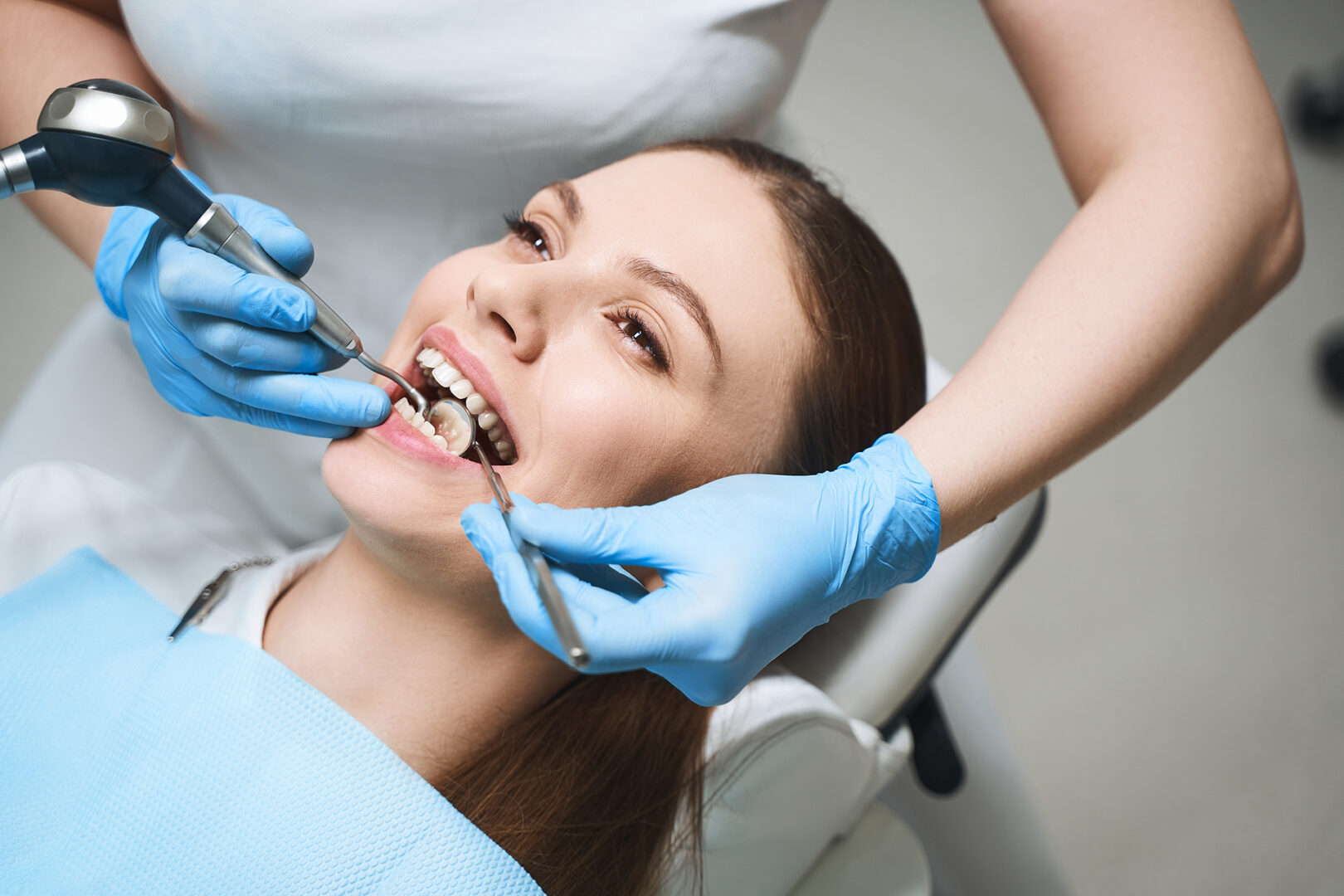
Gum recession is a common dental issue where the gum tissue around your teeth pulls back, exposing more of the tooth or its root. Thankfully, dental specialists have several treatment options for this condition.
What Is Gum Recession?
Gum recession is when the gum tissue around the teeth gradually pulls away, exposing more of the tooth or its root. This minor shift can lead to a chain of oral health problems, such as tooth loss. Imagine the gum line as a barrier. When it recedes, the exposed areas become unprotected, leading to sensitivity and decay. It’s not just a cosmetic issue. Gum health is key to oral and dental health.
Causes of Gum Recession
Gum recession has multiple causes, each contributing differently to the condition. Genetics play a significant role. If your parents had thin gum tissue, you might be predisposed to developing gum recession. If you have this genetic predisposition, taking preventive measures early on is more important.
Periodontal disease, a severe gum infection, is the leading cause of gum recession. If left untreated, it can damage soft tissue and destroy supporting bones in the mouth. This progression usually starts with gingivitis, gum inflammation and bleeding. As gums recede, they create periodontal pockets, making teeth more sensitive and susceptible to further damage.
Lifestyle habits also affect gum health. Tobacco use, whether through smoking or chewing, is a risk factor for gum recession. The harsh chemicals in tobacco irritate the gum tissue and reduce its ability to heal, accelerating gum line deterioration.
Aggressive tooth brushing is another common cause. While it’s important to keep your teeth clean, brushing too hard can wear down the gum tissue and cause it to recede over time.
Misaligned teeth can also cause gum recession. When teeth are misaligned, it’s hard to clean them effectively, leading to plaque buildup and gum irritation. This irritation can cause the gums to pull back from the teeth. Recognising these many causes can help you take proactive steps for healthier gums.

How to Manage Tooth Sensitivity from Gum Recession
Tooth sensitivity is a common problem among those with gum recession, mainly because exposed tooth roots are more prone to sensitivity. Enamel, which covers most of the tooth, is resistant to external stimuli. However, the roots are covered with cementum rather than enamel, which can lead to sensitivity. This can be quite uncomfortable, but there are ways to manage it.
One option is to apply fluoride varnish, which can help alleviate discomfort by strengthening the exposed roots. Using desensitising toothpaste containing active ingredients such as potassium nitrate or stannous fluoride can also reduce sensitivity. However, note that these products may take several weeks to show effects.
Beyond these treatments, maintaining good oral hygiene and using a soft-bristled toothbrush can help minimise further irritation and sensitivity, while addressing the underlying causes of gum recession.

Non-Surgical Treatments for Gum Recession
Non-surgical cosmetic dental treatments are effective for early-stage gum recession. Scaling and root planing are two such methods. These deep-cleaning techniques remove plaque and tartar below the gum line, which is important for gum health. This thorough cleaning allows the gums to reattach to the teeth, minimising further recession.
Another useful non-surgical treatment option is topical antibiotics. These are applied directly to the affected areas to combat bacterial infections that cause gum disease. Targeting the bacterial component stops gum recession and promotes healing.
Proper brushing techniques are also important, alongside these treatments. Using a soft-bristled toothbrush and avoiding aggressive brushing can significantly minimise gum irritation and prevent further recession. These non-invasive treatments provide a foundation for better gum health without the need for surgical interventions.
Surgical Treatments for Gum Recession
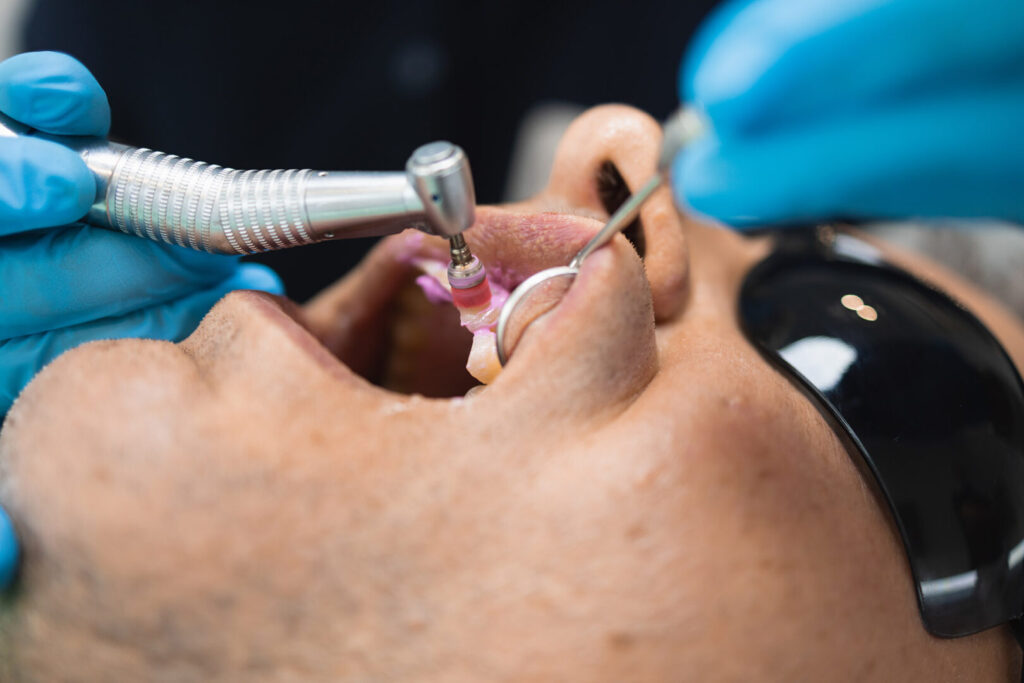
When non-surgical methods are not enough, surgical treatments may be necessary to treat severe gum recession. Gum grafting is one of the most reliable and effective surgical options. In this procedure, tissue is extracted from the roof of the mouth and grafted onto the receding gum areas. This covers the exposed roots and strengthens the gum tissue, providing long-lasting protection.
Gingival flap surgery is another helpful option for treating gum recession. In this procedure, the gums are lifted back to allow for the thorough cleaning of the roots and bone. Once cleaned, the gums are sutured back, promoting healing and reducing pockets.
Guided tissue regeneration is a more advanced surgical technique that promotes bone and gum tissue regeneration. A mesh-like fabric is placed between the bone and gum tissue, encouraging the body to regenerate lost bone and tissue. This treatment is helpful for severe cases of significant tissue and bone loss.
Recovery and Aftercare After Gum Surgery
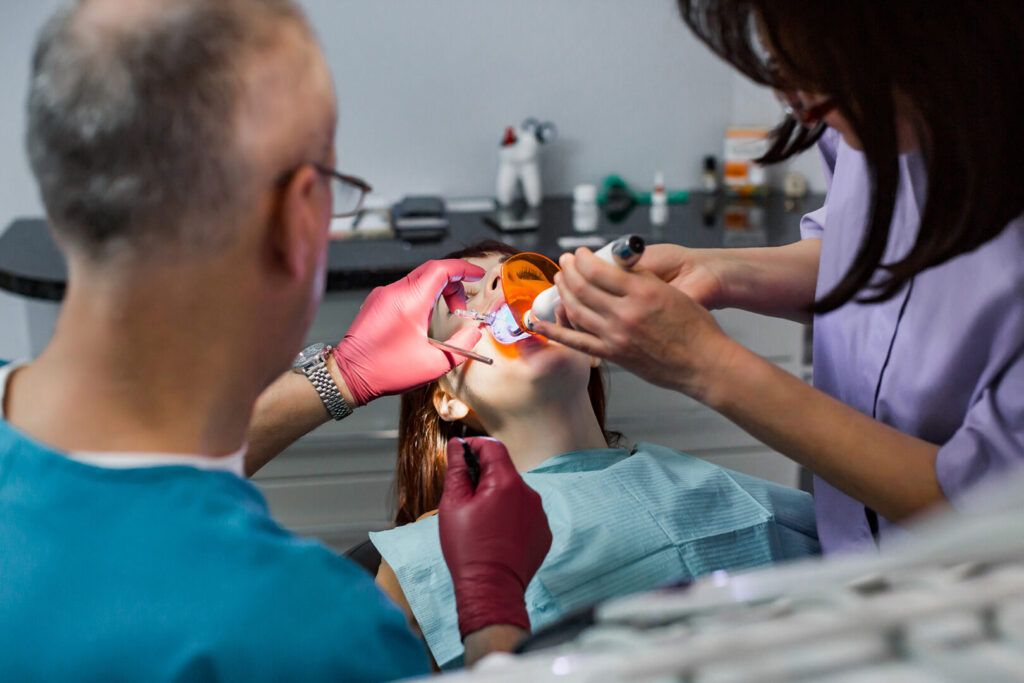
Recovery after gum surgery is a critical phase that should be handled carefully. It takes about two weeks to recover from gum grafting surgery. Some swelling and discomfort are normal but usually resolve within a few days. Using an ice pack on the face can help with swelling.
Over-the-counter painkillers can help with discomfort. Patients are advised to avoid strenuous activities for at least 1 week after surgery to reduce the risk of complications. Eating soft food minimises discomfort and promotes healing.
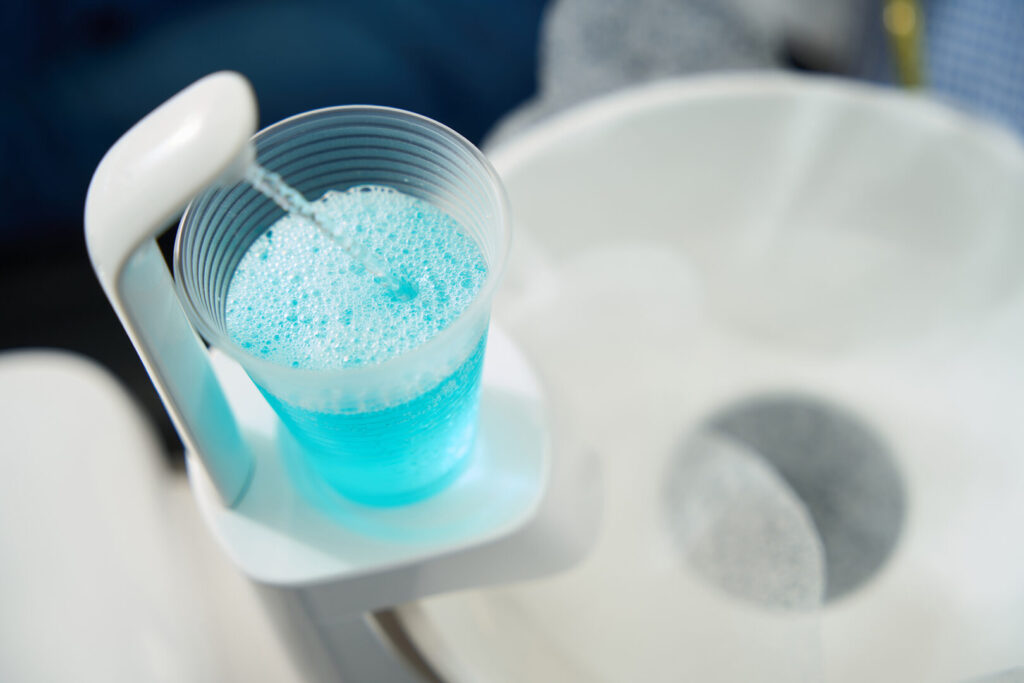
Cleaning the surgical site is crucial for recovery. Antibacterial mouthwash can help with cleaning and brushing, but applying it directly to the area should be avoided in the short term. Follow-up visits are important for monitoring healing and managing dressings or stitches. With proper aftercare, you can ensure a smooth recovery and better gum health.
How to Prevent Gum Recession
Preventing gum recession starts with good oral hygiene. Brushing at least twice daily with a soft-bristle toothbrush and flossing daily are fundamental practices that prevent gum problems and maintain gum health. Regular dental visits are also key to avoiding gum recession. Professional cleanings and check-ups can catch early signs of gum disease before they progress. Dentists can provide personalised advice and treatment to keep your gums healthy.
Implementing these habits into your daily routine is a proactive way to keep your gums healthy and prevent gum recession. Consistency is key to long-term oral health.
Cost of Gum Recession Treatment in Singapore
The cost of gum recession treatmentvaries depending on the type of treatment. Non-surgical treatments like scaling and root planing can cost $98.10 to $708.50. Regenerative treatments like pinhole gum rejuvenation start at $970. Surgical treatments are generally more expensive. Gum grafting can cost between $327.00 to $436.00. Some parts of gum surgery can be claimed under MediSave, providing patients with financial relief. CHAS cardholders can also get subsidies for dental care, including gum treatment.
Knowing the costs and the options can help you make informed decisions about your gum health. Investing in oral health is essential; knowing the price can make it easier.
Gum Recession Treatment at TEETH @ Tiong Bahru
Seeking early dental attention can make a big difference in the treatment of gum disease. You should see a dentist for symptoms like tooth sensitivity or longer-looking teeth. These symptoms may indicate underlying problems that require evaluation by a dental professional.
Pockets between teeth and gums should be addressed quickly to prevent further complications. Regular dental visits can catch potential gum problems before they become more serious. Proactive measures can prevent severe cases and maintain healthy gums.
Contact TEETH @ Tiong Bahru for gum recession treatment in Singapore, personalised care, and advice on your oral health.