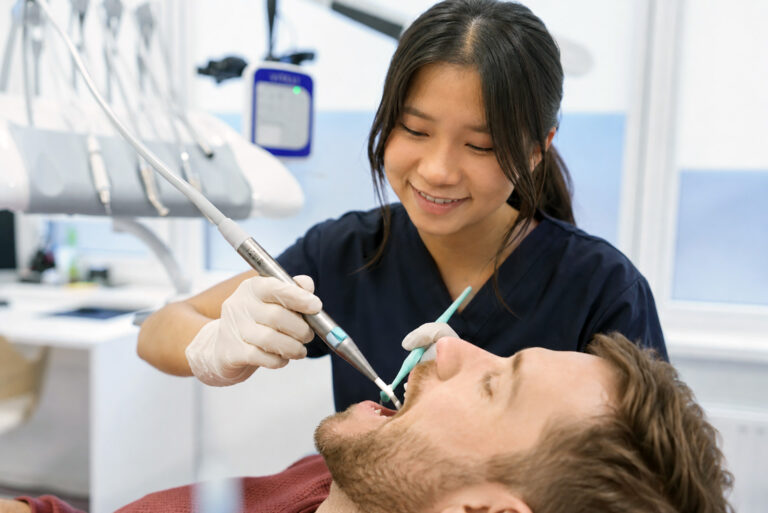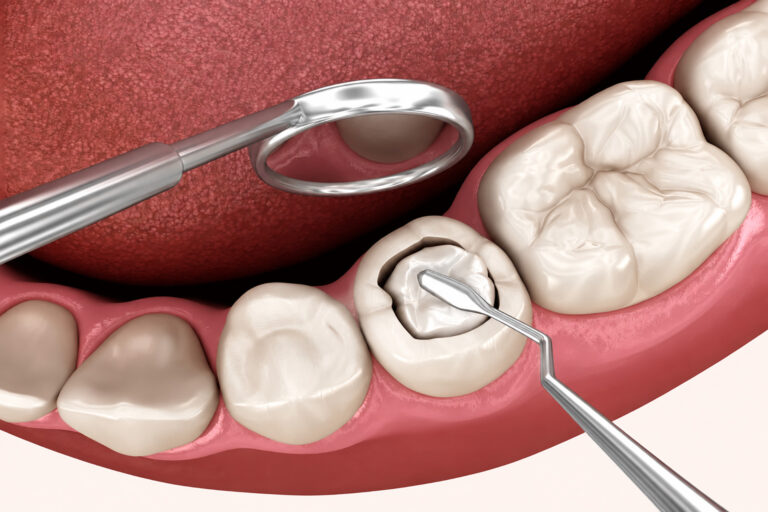
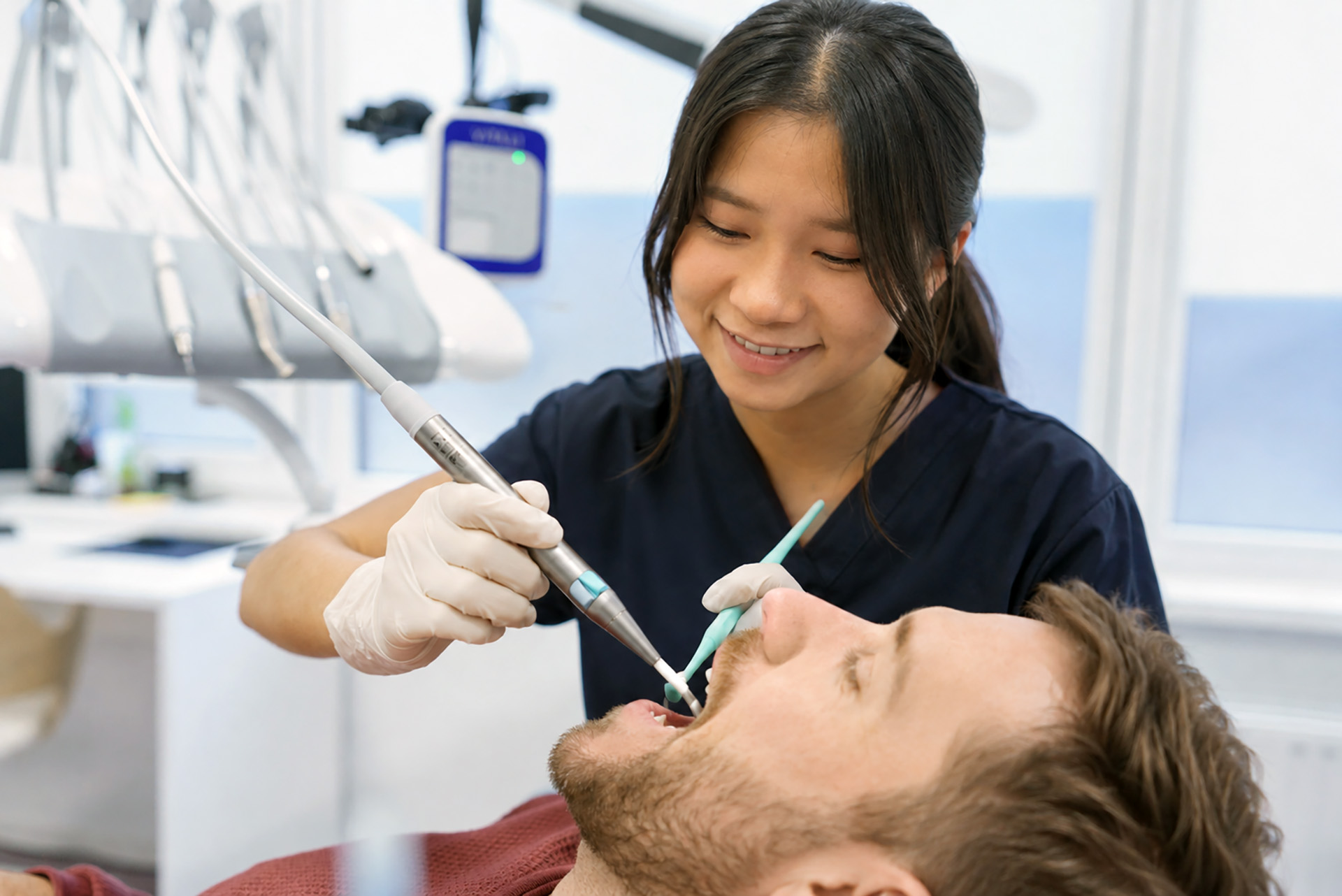
If you are comparing a scale and polish with a deep clean for your teeth, both are professional dental cleanings that remove plaque and tartar. However, they are not interchangeable dental treatments. The main difference between the two procedures is where and why the dental professional cleans your teeth.
- Scaling and polishing are routine preventive care procedures for those with generally healthy gums. A scale and polish cleans accessible tooth surfaces and gum margins.
- Deep cleaning is a therapeutic procedure used to treat gum disease when deposits extend below the gum line, and periodontitis affects the supporting tissues. In this case, the dentist will clean inside periodontal pockets in the gums and along affected tooth roots.
After a thorough examination, a dentist recommends the appropriate dental treatment.
| Question | Scale and Polish | Deep Cleaning |
| Main purpose | Routine preventive care | Non-surgical treatment for periodontitis |
| Area treated | Exposed tooth surfaces and accessible gum margins | Below the gumline and along affected root surfaces |
| Usually recommended for | Patients with generally healthy gums or mild deposits | Patients diagnosed with periodontal disease |
| Local anaesthetic | Often not needed | Commonly used in cases where deeper treatment may be uncomfortable |
| Number of visits | Usually one | One or more, depending on the areas treated |
| Follow-up | Risk-based routine care | Periodontal reassessment and maintenance |
| Typical duration | Often 30 to 60 minutes | Varies according to the extent of the periodontal disease |
What is a Scale and Polish?
A scale and polish is a routine dental cleaning procedure that removes plaque, hardened tartar and some surface stains from accessible tooth surfaces and around the gum line. The procedure supports good oral health when there is mild gum inflammation without attachment or bone loss.
During a scale and polish, a dentist uses hand instruments, an ultrasonic scaler, or both. Polishing with a rotating cup and mildly abrasive paste can leave your teeth smoother. However, it does not remove discolouration within the tooth enamel or change the natural colour of your healthy teeth. If you want to adjust your teeth colour, speak to your dentist about teeth whitening options.
A scale and polish may help prevent gum disease and tooth decay by removing deposits that brushing at home cannot. However, it does not treat periodontal disease once deposits and inflammation extend into the deeper pockets below the gum line.
A routine scale often takes 30 to 60 minutes, although the length of a dental hygiene appointment depends on the amount of plaque and tartar, tooth sensitivity and the individual’s dental health needs. Fluoride treatment may be recommended separately based on the patient’s risk of tooth decay.
What is Deep Cleaning?
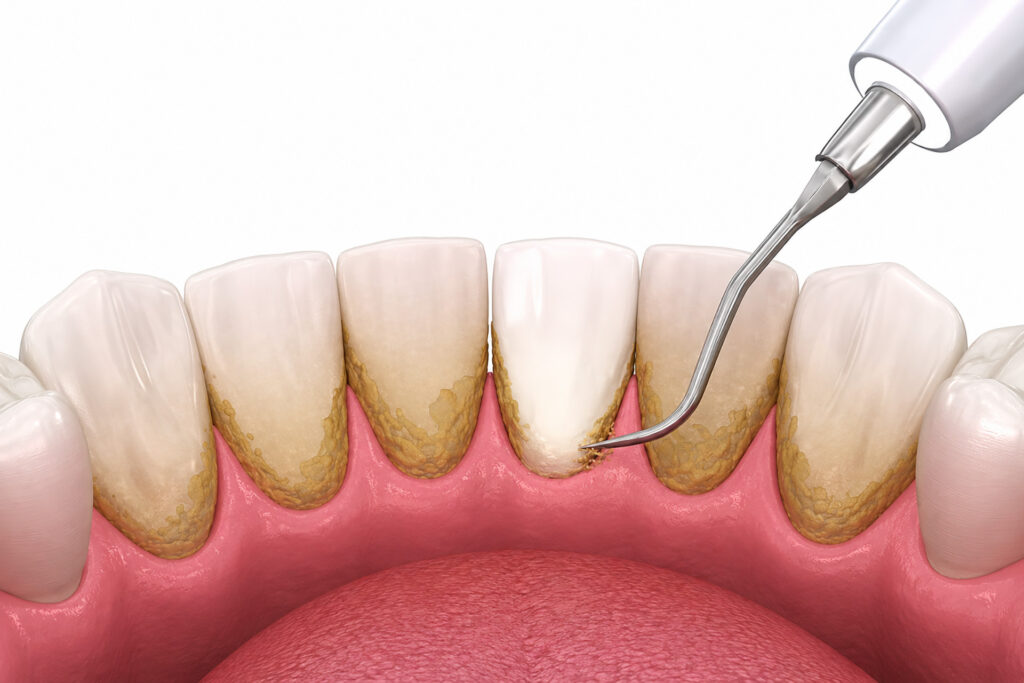
Dental deep cleaning is a non-surgical treatment for periodontal disease. It treats gum disease below the gum line and is not a routine cleaning for otherwise healthy gums.
The clinical term for deep cleaning is scaling and root planing. Scaling removes deposits above and below the gum line. Root planing cleans affected root surfaces within periodontal pockets.
Deep teeth cleaning removes harmful bacteria, plaque, and tartar from areas that toothbrushes and interdental brushes cannot reach. The aim is to give inflamed gum tissue a cleaner root surface so that it can heal naturally. As swelling settles, the gums may fit more closely around the teeth, helping them reattach. However, deep cleaning cannot replace bone that has already been lost.
Scaling and root planing is a more intensive procedure than a scale and polish. Local anaesthetic is commonly used, and deep dental cleanings may be completed in sections over multiple visits. The number of appointments depends on the areas affected, pocket depth, the patient’s tooth sensitivity, and the severity of gum disease.
Who May Need Deep Teeth Cleaning?
A deep cleaning below the gum line may be recommended after an assessment confirms periodontitis or another form of gum disease. Symptoms alone cannot show whether deep teeth cleaning is needed.
Signs that should prompt a dental assessment include:
- Bleeding gums during brushing or interdental cleaning
- Red, swollen or sore gums
- Gum recession
- Persistent bad breath
- Pus around the gum line
- Loose teeth or a change in the bite
- Pain when chewing
These signs may occur with gingivitis, periodontitis or other dental conditions. A dental professional considers bleeding, pocket measurements, clinical attachment loss, gum recession, tooth mobility and bone levels on dental X-rays where indicated.
Periodontitis damages the periodontal tissues and bones that support the teeth. Without proper management, this damage can lead to tooth loss. Deep cleaning may be part of care for mild, moderate or advanced gum disease, depending on the overall findings. No single symptom or pocket measurement alone determines the dental treatment.
Can a Scale and Polish Treat Gum Disease?
A scale and polish may help manage gingivitis, the earliest stage of gum disease, and reduce infection. Gingivitis causes gum inflammation without the loss of the supporting bone or connective tissue. Professional cleaning and good oral hygiene can often allow this inflammation to settle.
Gum disease becomes periodontitis when the gum attachment and bone around the teeth are damaged. A routine dental cleaning cannot adequately clean deeper periodontal pockets. Deep cleaning or other periodontal care may then be needed.
Deep cleaning aims to control periodontal disease and reduce the risk of further attachment loss, loose teeth and eventual tooth loss. It does not guarantee that advanced gum disease will stop progressing. Smoking, diabetes, oral hygiene, disease severity and periodontal maintenance affect the response. Your dentist will advise you on how to manage gum disease.
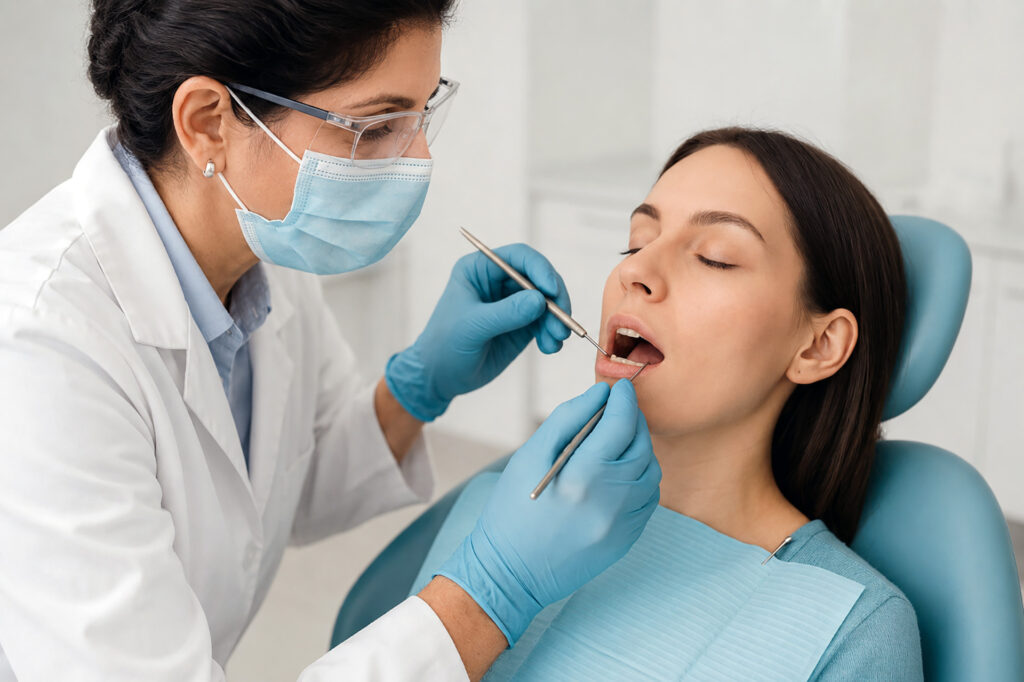
How Often is Each Regular Dental Cleaning Procedure Needed?
The timing of dental cleaning depends on your gum health, plaque levels, medical history and individual risk.
Many adults with healthy gums have a regular dental cleaning about every six months, although the interval may be shorter or longer. During those routine visits, we schedule a scale and polish based on your oral health needs, not a one-size-fits-all rule.
Deep cleaning is an active dental treatment, not a procedure repeated automatically at every hygiene appointment. Your dentist will discuss when a deep cleaning is necessary. After deep cleaning, the dental team reassesses bleeding, pocket depths, plaque control, and healing. Patients with a history of periodontitis may need periodontal maintenance, often every three to four months, but this is not the same as repeating full-mouth deep cleaning each time. After your assessment, your dentist will determine whether you need scaling and root planing and how often.
What Can You Expect After Treatment?
Most people return to usual activities after either form of teeth cleaning. Some may experience temporary tenderness or sensitivity.
After a scale and polish, teeth will feel cleaner and smoother. Mild gum tenderness or sensitive teeth may occur, especially when there is substantial tartar build-up or gum recession. However, this should pass after a few days.
Patients sometimes ask whether deep cleaning hurts more than a scale and polish. Local anaesthetic helps reduce discomfort during deep cleaning. Afterwards, gum soreness, minor bleeding and tooth sensitivity may last for several days. Existing spaces or recession may become more noticeable as gum inflammation and swelling decrease.
Maintain your oral hygiene by brushing with fluoride toothpaste and cleaning between the teeth as advised. A soft-bristled toothbrush may be more comfortable if the teeth or gums are sensitive, especially in the days after deep cleaning. Good oral hygiene and follow-up will support gum health after treatment.
Contact the dental clinic if you develop heavy bleeding, increasing swelling, severe pain, or symptoms that do not begin to settle.
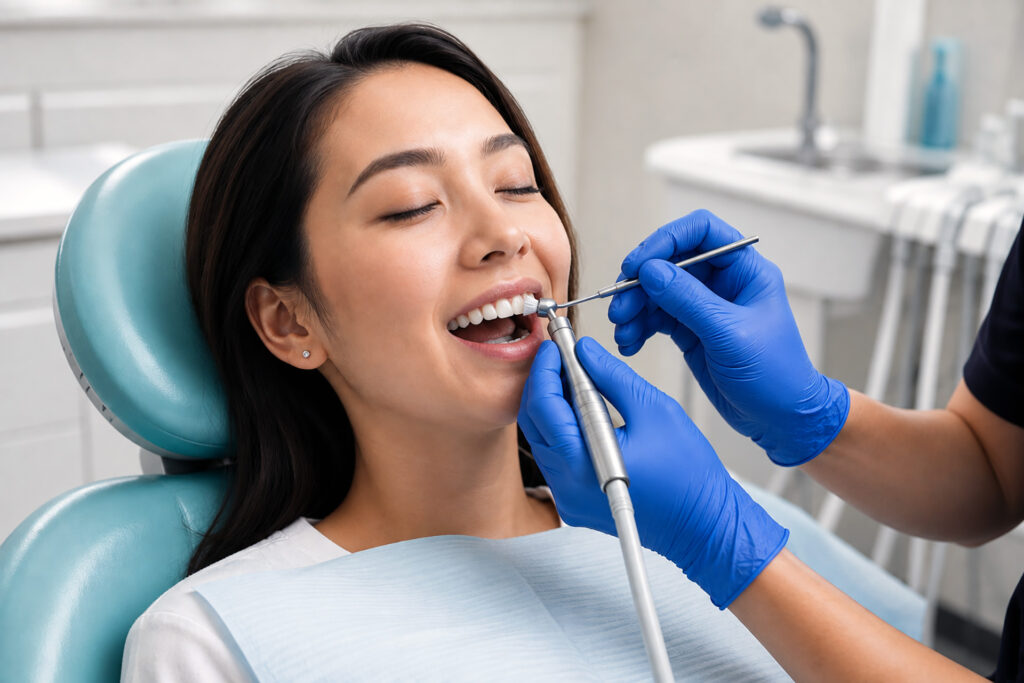
Deep Cleaning Cost
At TEETH @ Tiong Bahru, a standard teeth cleaning (scaling and polishing) typically costs $98.10 to $174.40 (inclusive of GST). For cases requiring deeper cleaning or periodontal treatment, the teeth cleaning price may be higher.
Which Dental Cleaning Do You Need?
The scale and polish vs deep cleaning decision depends on whether your gums are healthy, affected by gingivitis or damaged by periodontitis. If you have persistent bleeding gums, swelling, gum recession or persistent bad breath, an assessment at TEETH @ Tiong Bahru can identify the cause. The appropriate procedure is based on the condition of your gums and supporting tissues, not on a preference for one type of teeth cleaning. Make an appointment today.