Why Are My Gums Swollen?
The most common cause for swollen gums is gingivitis, an early form of gum disease caused by plaque buildup around the gum line. Other causes include food trapped under the gum, a dental abscess, hormonal changes, certain medicines, poorly fitting dentures, braces, oral infections or medical conditions such as diabetes.
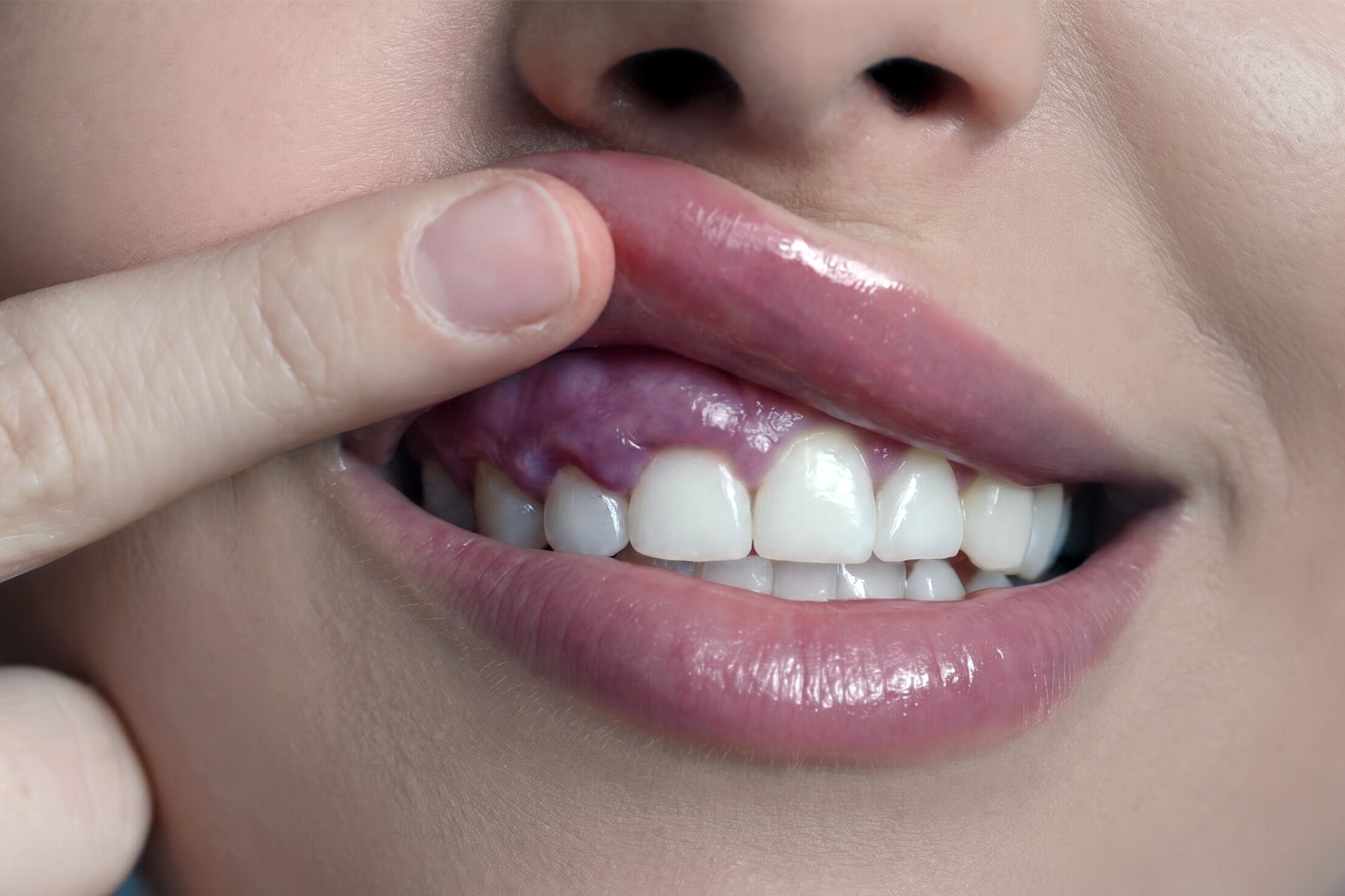
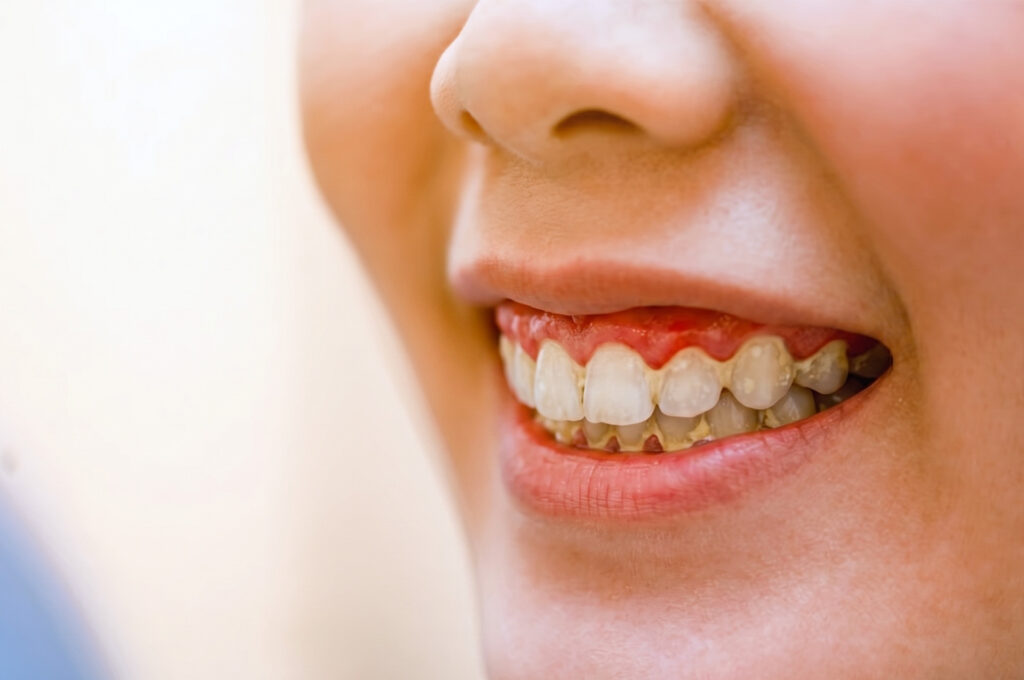
Healthy gums should fit closely and feel firm. Swollen gums appear enlarged, puffy, red, or tender because the gum lining is inflamed. They are common and should not be ignored if they persist, worsen, recur, or cause the mouth to feel sore. Swollen gums can be an early sign that oral health needs attention. When inflamed, they can look fuller, bleed more easily and feel sore when brushing, flossing or eating.
The right treatment for swollen gums depends on the cause. Some mild irritation improves with careful cleaning. Persistent swelling, painful swollen gums, or swelling in a single area needs a dental assessment.
Symptoms of Swollen Gums
The symptoms of swollen gums vary from person to person. Recognising the early symptoms helps protect the teeth and gums. Symptoms may include puffiness, redness, bleeding, tenderness, bad breath or pain around one or more sore areas and can affect one tooth or the whole mouth. If you have swollen gums around a tooth in one local area, the cause may be food trapped below the gum, a gum abscess, a cracked area, decay, a poorly fitting restoration, or a localised gum infection. If many areas are affected, gum disease, hormonal changes, medication effects or a broader health factor may be involved.
Swollen gums may look red, purple, shiny or smooth, and red swollen tissue is one of the first signs many people notice. Other symptoms, like a metallic taste or painful gums, can appear as the condition worsens, and untreated plaque can cause gum recession and bleeding. Light spots may appear during brushing or flossing. The area may feel tender to the touch or painful when chewing. Some notice a bad taste, lingering odour or sensitivity near the gum line.
Gingivitis swollen gums often appear red, puffy and prone to bleeding. Early gingivitis may not cause much pain, which is why repeated bleeding should not be dismissed as normal.

Common Causes of Swollen Gums
The most common cause of swollen gums is plaque buildup, which can lead to gingivitis or gum disease. It is a sticky layer of bacteria that forms daily. If not removed well, it can irritate the gums and cause gum inflammation. If it hardens into tartar, the tartar cannot be brushed away at home. The tissue may stay swollen until professional cleaning removes the deposits.
Sugar can also worsen the problem. Sugar feeds oral bacteria, which increases acid production, deposits buildup, and the risk of inflammation. Food particles left between the teeth can also cause swollen gums when they stay trapped overnight.
Gum swelling can happen when a piece of food gets lodged under the gum, and gum swelling around that one tooth often follows. This can cause local irritation and swelling, especially around one tooth.
Hormonal changes can make the area more sensitive. This can happen during puberty, pregnancy, menstruation or menopause. Hormonal fluctuations increase blood flow to the area, which can make the tissue more reactive to plaque and irritation.
Other causes include:
- Gum abscesses
- Periodontitis
- Periodontal disease
- Oral thrush
- Viral infections
- Medication side effects
- Sensitivity to hygiene products
- Nutritional deficiencies
- Vitamin C deficiency
- Ill-fitting dentures
- Smoking
Untreated periodontal disease can lead to gum recession and tooth loss.
When to See a Dentist
You should see a dentist as soon as possible if swollen gums last more than a few days, become painful, recurrent or appear around a single tooth.
Short-term swelling from trapped food may settle once the area is cleaned. Swelling that persists, worsens or comes back needs a proper diagnosis. See a dentist promptly if your gums are very painful, if there is pus, fever, facial swelling, a bad taste, looseness or chewing pain.
A swollen area around one tooth can suggest a local infection or abscess. This needs timely care, like any deep infection, because a gum infection can spread or damage neighbouring areas.
If you notice gum swelling that does not settle with gentle cleaning, it is safer to arrange a dental review rather than relying only on home care.
Diagnosis of Swollen Gums
Dentists at TEETH @ Tiong Bahru diagnose swollen gums by examining the gums, checking for plaque and tartar, measuring pocket depths, and identifying local or medical causes. Your dentist will examine the gum line, any restorations, bite and any appliances.
We may include periodontal probing to check gum pocket depths, which can suggest gum disease. Your dentist may recommend further imaging if the bleeding gums or other findings raise concern about dental health, and they will discuss treatment options. X-rays may be recommended if there is a concern about bone loss, an abscess, decay, a cracked tooth or an infection around a root.
Medication and medical history can also be important. Some medicines and ongoing conditions can increase gum swelling or make infections harder to control. Diet, smoking, oral hygiene habits and recent hormonal changes may also be discussed, as they can affect gum health.
Non-Surgical Management of Swollen Gums
Non-surgical management treats swollen gums by removing bacterial deposits, reducing bacterial levels, and correcting factors that irritate the gums.
For gingivitis, treatment often starts with a professional dental cleaning to remove plaque and tartar. If food is trapped, removing the debris and cleaning the area may allow it to settle. Gingivitis treatment also includes brushing your teeth twice a day, gently cleaning between the teeth, and guidance on cleaning the area without causing trauma.
If gum disease and swollen gums become more advanced, scaling and root planing may be needed to clean below the gum line. If infection is present, antibiotics, medicated mouth rinses or local antimicrobial treatment may be used when appropriate.
If swelling and swollen gums are linked to a dental appliance, denture or restoration, the dentist may adjust or replace the source of irritation.
Surgical Options for Swollen Gums
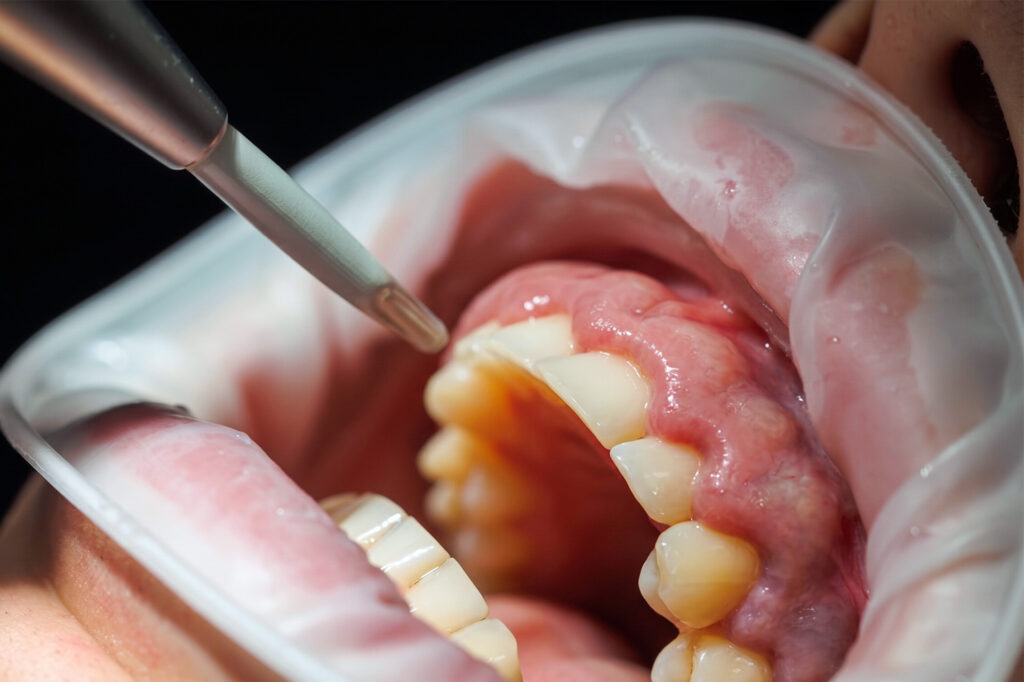
Surgical treatment is only needed when the problem is linked to a deeper infection, advanced gum disease or an abscess that cannot be managed with cleaning alone.
Most cases of swollen gums do not require surgery, and most settle with non-surgical care. However, a gum abscess may need drainage. Advanced periodontitis may need periodontal surgery if deep pockets remain after non-surgical care. A tooth abscess may require root canal treatment or extraction if the tooth cannot be saved.
Home Care and Swollen Gums Remedy
A home remedy for swollen gums may ease mild irritation, but it should not replace dental treatment when swelling is persistent or severe.
Gentle cleaning twice daily and daily flossing can reduce the plaque around the gum line. A warm saltwater rinse may soothe the area for a short time. A cold compress on the outside of the face may ease discomfort if the area feels swollen or tender.
An alcohol-free mouthwash can help reduce bacteria without the stinging or drying effect that some alcohol-based rinses may cause. Use a dentist-recommended antibacterial mouthwash regularly if it has been advised for your condition.
Drink plenty of water throughout the day to help flush any food residue from the mouth. This is especially helpful after meals or snacks when brushing is not possible.
Avoid smoking, sugary drinks and sharp foods that may lodge in the mouth. Choose gentle oral hygiene products if your gums feel irritated.
A nutrient-rich diet supports the body. Maintain a diet rich in vitamins B and C, lean protein, whole grains, fruit and vegetables to support healing and repair. If you have ongoing soreness, unusual sore spots or signs of deficiency, speak with a dentist.
Risks and Recovery of Swollen Gums
If left untreated, swollen gums can worsen, progressing from mild inflammation to gum disease, abscess formation, bone loss, or tooth loss. Long-standing swelling of the tissue can also damage the bone.
Gingivitis is usually reversible when treated early. If ignored, it can progress to periodontitis, in which the supporting structures are damaged. Swelling caused by an abscess may worsen quickly and can spread beyond the original area.
Recovery depends on the cause of your swollen gums. Swelling from mild irritation may improve within days. Gingivitis may settle over days to weeks with professional care and good oral hygiene. Periodontitis and abscesses with swollen gums often need more structured treatment and review.
Prevention of Swollen Gums
Preventing swollen gums depends on daily plaque control, regular dental visits, and reducing factors that cause gum inflammation.
Use a soft toothbrush and fluoride toothpaste to brush your teeth twice a day to maintain your dental health. When done consistently, this can prevent early gum trouble and reduce the long-term risk of tooth loss. Clean between them once daily with floss, interdental brushes or another tool recommended by your dentist. Replace it regularly when the bristles wear.
Use a dentist-recommended mouthwash if prone to gum inflammation, as it supports your oral health. Keep sugar intake moderate, drink water often and avoid tobacco products. A balanced diet rich in vitamins B and C supports oral health and may help with recovery from irritation.
In Singapore, routine dental check-ups are commonly scheduled every six months, depending on the condition of your gums, risk factors and your dentist’s advice.
How TEETH @ Tiong Bahru Can Help
TEETH @ Tiong Bahru can help by identifying the cause of swollen gums and planning treatment to calm the swelling and prevent recurrence.
Treatment may include professional cleaning, advice on home routines, scaling and root planing, antimicrobial support, abscess drainage, restoration adjustment or referral when specialist periodontal care is needed. The aim is to relieve discomfort, control infection, and support long-term recovery.
If your gums hurt, schedule an early treatment session at TEETH @ Tiong Bahru today. Our team may recommend dental treatments such as scaling and root planing, or other options based on the severity of your condition.