What Are Dental Implants With Periodontal Disease?
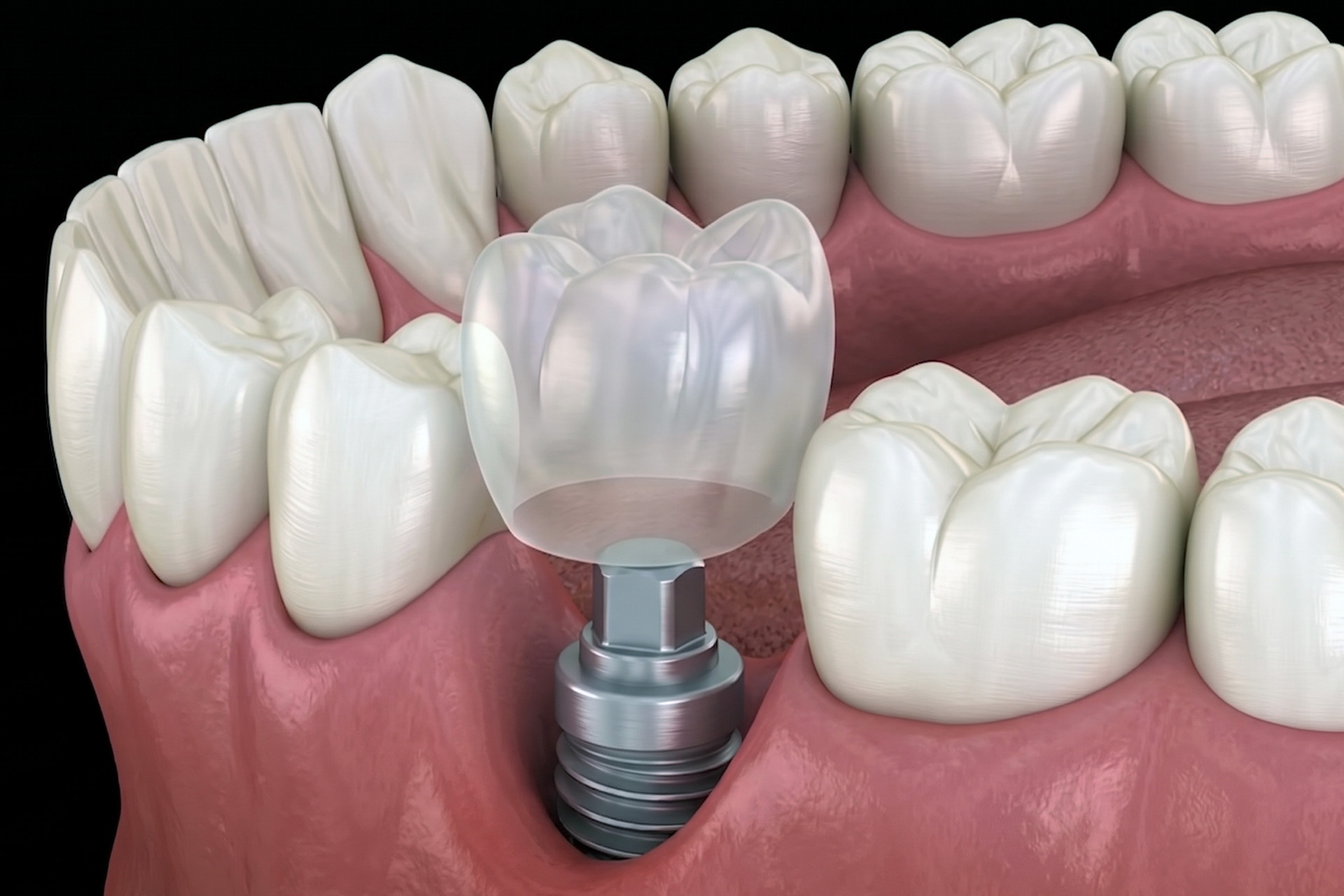
A dental implant is a titanium post placed in the jawbone to replace a missing tooth root, followed by a restoration such as a dental crown. Dental implants in patients with periodontal disease are possible only when the infection has been brought under control, and the supporting bone and tissues are stable enough for treatment.
For an implant to heal well, it needs healthy gum tissue, sufficient bone support, and a mouth as free of active infection as possible. Active periodontitis can interfere with healing, reduce bone support, and increase the risks around the implant site. Untreated gum disease allows bacterial infection and chronic inflammation to persist, impairing the healing process and implant stability, and increasing the risk of implant failure. Past gum disease or periodontitis doesn’t automatically exclude you from getting a dental implant, but it does mean that planning and maintenance become more important.
Can I Get Dental Implants If I Have Periodontal Disease?
The answer is often yes after gum disease treatment, but not usually while active, unstable gum disease is present. Severe gum disease that has caused significant bone loss requires additional preparation, including bone grafting, before implants can be considered. Mild gingivitis that is limited to the gums may be managed first with a deep cleaning and improved home care, after which implant treatment may be possible. More advanced periodontitis can damage the bone and soft tissues on which implants rely, so the infection usually needs to be stabilised before an implant placement is considered.
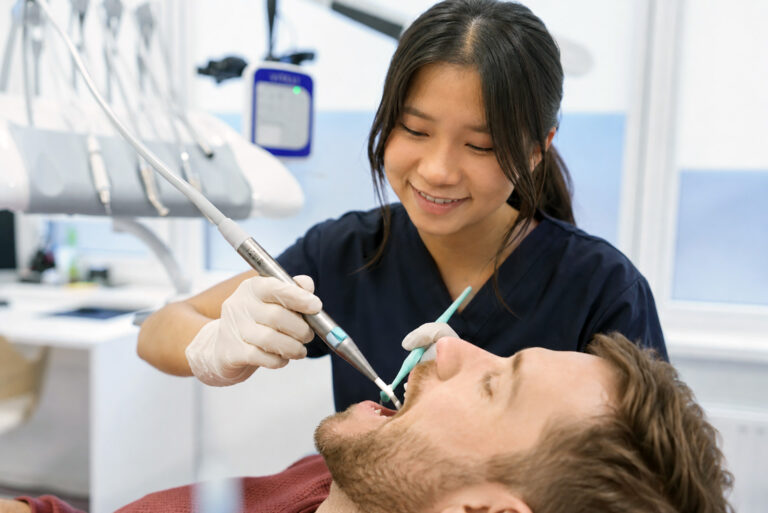
In practice, dentists assess whether the gums bleed easily, pockets remain active, teeth are mobile, and whether enough bone remains to support an implant. Patients who want to get dental implants after gum disease should ensure that active treatment for gum disease is completed first. Some patients need only periodontal cleaning and a review period. Others may need a deeper treatment, tooth removal, or bone reconstruction before implants are possible.
Signs That Gum Disease Needs Attention Before Implants
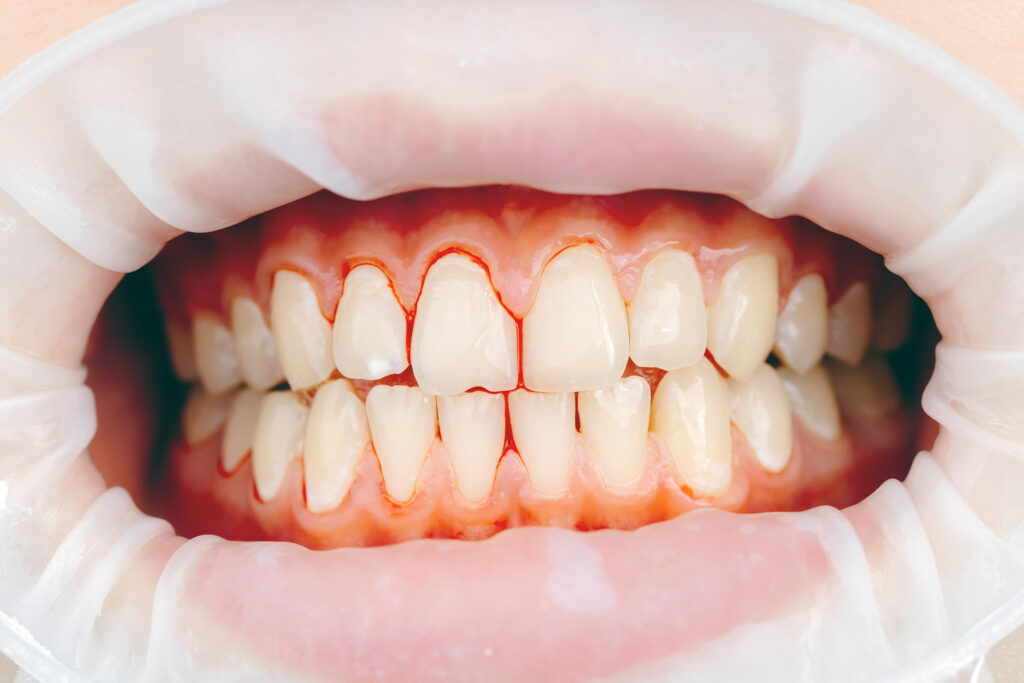
Implant placement is about creating a healthy foundation that can support osseointegration, implant success, and long-term maintenance. Bleeding and swollen gums, bad breath, recession, and loose teeth are common signs that periodontal disease should be assessed first before implants are considered. These signs matter because they suggest bacterial plaque is already affecting the gums and supporting tissues.
A history of tooth loss from gum disease is also important. Planning tooth replacement with dental implants requires understanding the extent of bone loss caused by gum disease. Teeth that are very loose because of advanced gum disease may be associated with chronic infection and progressive bone loss. In some cases, removing these teeth sooner rather than later may help prevent further bone loss and preserve the remaining jawbone for future implant placement.
When to See a Dentist
You should see a dentist promptly if you have missing teeth and any ongoing signs of gum disease, or if you have already lost teeth because of periodontitis. The early assessment will help determine whether the disease is still active, whether tooth loss can be limited, whether the bone is sufficient, and whether treatment should begin with periodontal therapy rather than implant surgery. Waiting too long can lead to further bone loss, greater gum recession, and more complex reconstruction later.
This is especially relevant if you smoke, have uncontrolled diabetes, poor oral hygiene, or struggle with plaque control. These risk factors can affect healing and also raise the risk of complications after implant placement. They do not always rule implants out, but they often change the timing and the treatment plan.
Diagnosis and Implant Planning
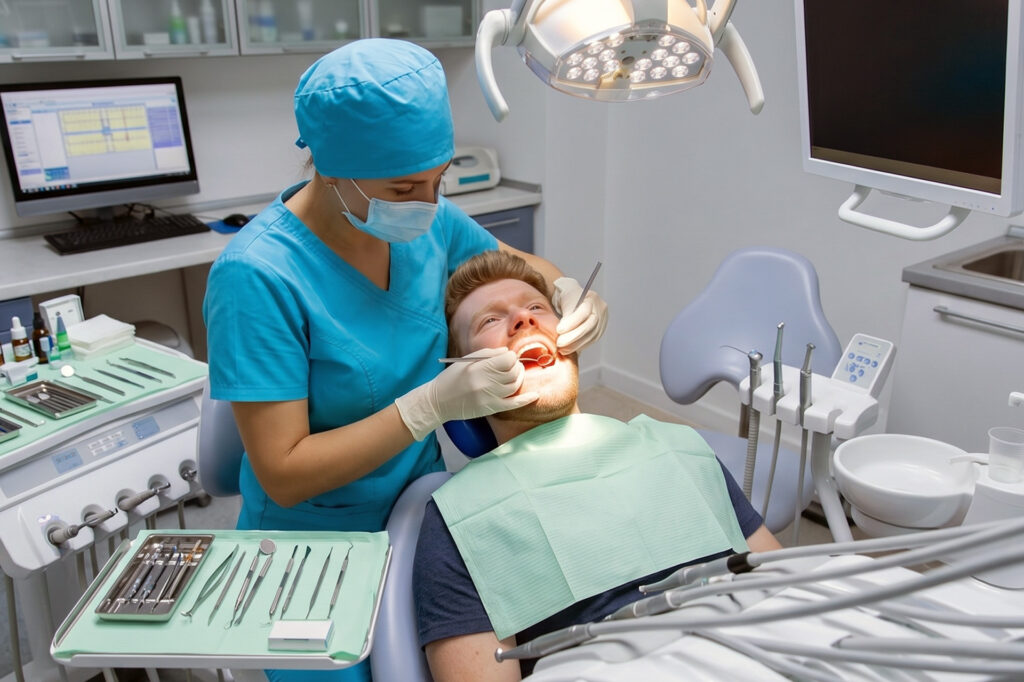
The diagnosis starts with evaluating whether the periodontal disease is active, how much bone support remains, and whether the mouth has sufficient bone density and stability for dental implant treatment. This usually includes a periodontal assessment, gum examination, periodontal probing, dental X-rays, and, in many cases, a cone-beam CT scan to assess the bone volume and implant positioning.
Severe periodontal disease significantly changes treatment timing and complexity. Implants are regularly placed in people who have lost teeth due to gum disease, but the tissues around the implants remain vulnerable to plaque-induced inflammation. A history of periodontitis is associated with a higher risk of peri-implantitis and dental implant failure, even if implant loss itself is not increased to the same degree in the available evidence.
Non-Surgical Management Before Implants
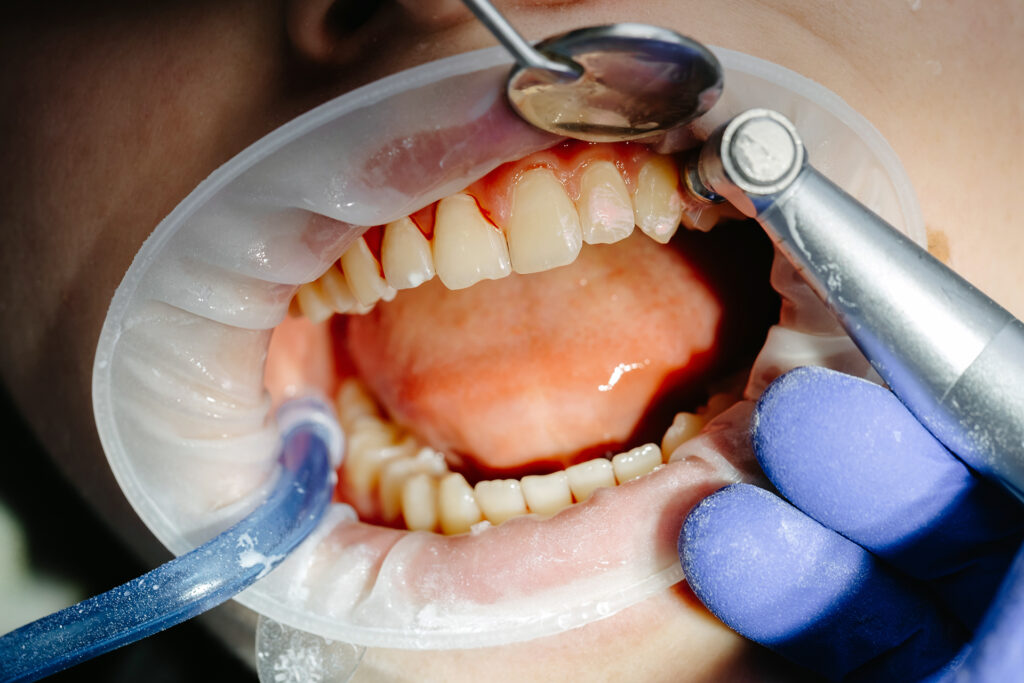
Non-surgical treatment is often the first step because periodontal infection usually needs to be controlled before implant placement. This may involve deep cleaning (scaling and root planing), polishing, tailored home-care instruction, and reassessment after healing.
Gum disease treatment is a prerequisite for successful implant therapy. The goal is to reduce the bacterial load, improve gum stability, and determine whether pockets, bleeding, and inflammation have settled enough to support further treatment. Good oral hygiene and plaque control are not minor details here. It is part of determining whether the patient is suitable for implants and can achieve implant success.
Once the gums are stable, the dentist can reassess whether implants are the right option. Some patients with a history of periodontitis do very well after this stage and can move forward to implant therapy without further periodontal surgery. Others may still need more advanced care because the bone, soft tissue, and lost tissue remain inadequate, especially in cases of severe periodontal disease.
Surgical Options When Bone or Gum Support Is Limited
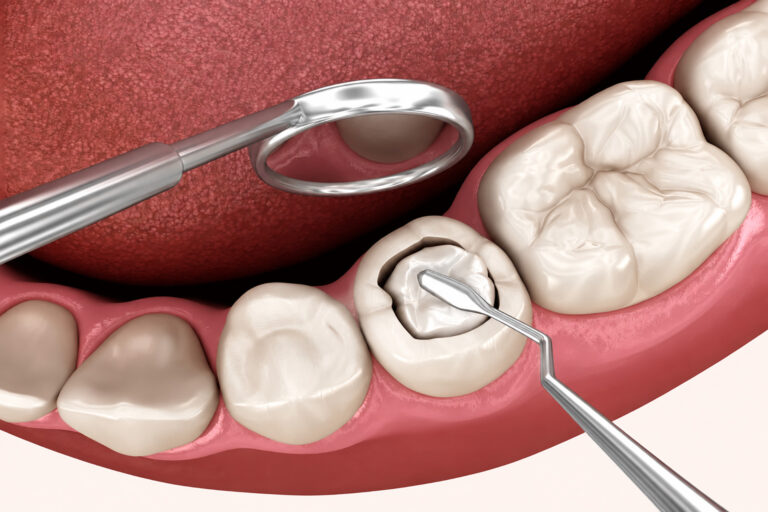
Surgical treatment may be needed when the periodontal disease has caused enough damage that cleaning alone cannot create a stable implant site. This can include periodontal surgery to reduce deep pockets, extraction of teeth that cannot be predictably saved, and bone grafting where gum disease and bone loss have left too little bone for implant placement.
Bone grafting procedures vary. In some cases, bone grafting is combined with membrane placement to promote bone healing. Bone grafting may also address extensive bone loss caused by severe periodontal disease. In the upper jaw, some patients may also need bone grafting or a sinus lift if the bone height is limited.
Natural teeth are preserved wherever possible, and replacing missing teeth with implants is planned only when the gums and bone are stable. Placing dental implants is only one part of this surgical pathway. In some cases, implants are placed after a period of gum healing. In others, timing depends on how much infection remains, how much bone is missing, and whether provisional teeth are needed while the site stabilises.
Risks, Recovery and Long-Term Maintenance
The main risk in dental implants with periodontal disease is early failure and the risk of ongoing inflammation around the implant site if dental care is maintained poorly.
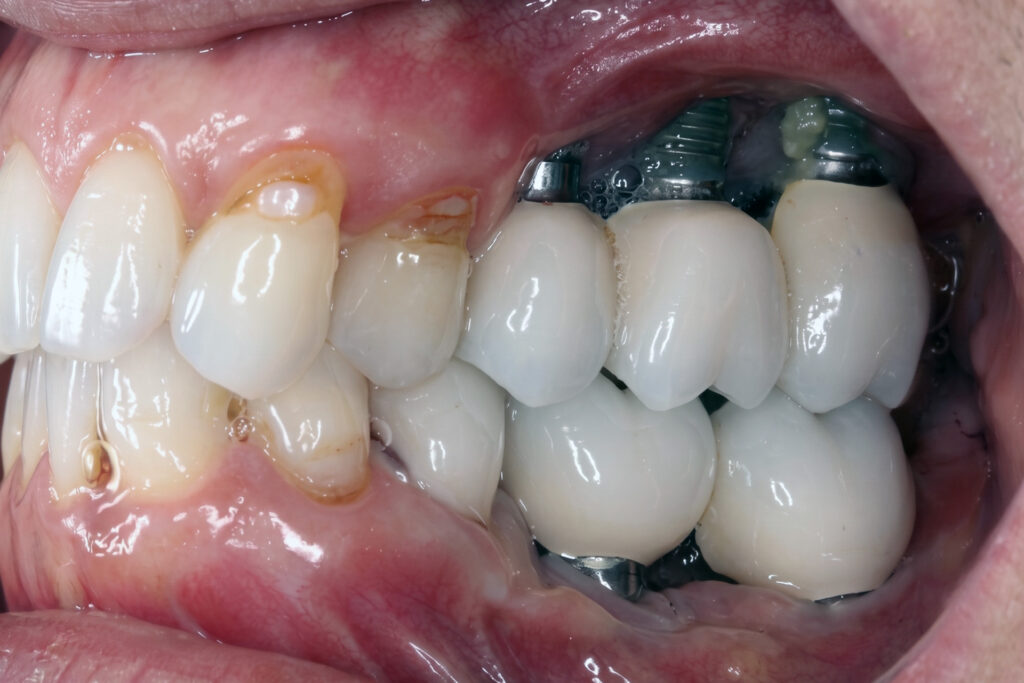
The implant may heal initially, but patients with a history of periodontitis remain more vulnerable to peri-implant mucositis and peri-implantitis, especially if plaque control slips or smoking and diabetes are not well managed. Peri-implant mucositis affects the soft tissues and may be reversible if caught early, and peri-implantitis involves bone loss around the implant and often needs surgical treatment.
Recovery, therefore, does not end when the crown is fitted. Long-term success depends on home oral hygiene, professional cleaning, and regular reviews to monitor the implant, gums, and bone levels. Patients are advised to use interdental brushes, maintain good oral hygiene, and schedule regular dental check-ups.
How TEETH @ Tiong Bahru Can Help
TEETH @ Tiong Bahru can help by deciding whether implants are appropriate now, or whether gum treatment and stabilisation should come first. The goal is not just to place an implant, but to place it in a mouth that can support it long term. When infection is controlled, bone support is adequate, and maintenance is undertaken, implants can still be a realistic option for patients with a history of gum disease, even when natural teeth have been lost. Contact our dental clinic to find out more about dental implants.