

Gum disease in children usually starts as gingivitis, a mild inflammation caused by plaque buildup along the gum line. Gums may look swollen, bleed during brushing, or feel tender. More destructive periodontal disease is uncommon in children, but persistent or unusual symptoms need a dental assessment.
Gum Disease in Children at a Glance
| Feature | What parents should know |
|---|---|
| Most common form | Gingivitis |
| Main cause | Plaque accumulating around the teeth and gum line |
| Common signs | Red or swollen gums, bleeding during brushing, tenderness and persistent bad breath |
| Treatment | Better daily plaque removal and professional cleaning when needed |
| Advanced disease | Uncommon, but may damage the tissues and bone supporting the teeth |
| When to see a dentist | When bleeding, swelling, pain, or bad breath persists, or when gums recede, or teeth become unexpectedly loose |
What Is Gum Disease?
Gum disease affects the gums and other tissues supporting each tooth. The mildest form of gum disease is called gingivitis. Gingivitis in children is the most common form of gum disease and causes inflammation without permanent loss of bone or attachment.
Gingivitis is often reversible when you remove bacterial deposits through consistent brushing and flossing and address contributing factors. Periodontitis is more serious because the bacterial infection damages the supporting tissues and bone. It is uncommon in children, but this condition requires prompt care.
Symptoms of Gum Disease in Children
Early symptoms and possible signs include:
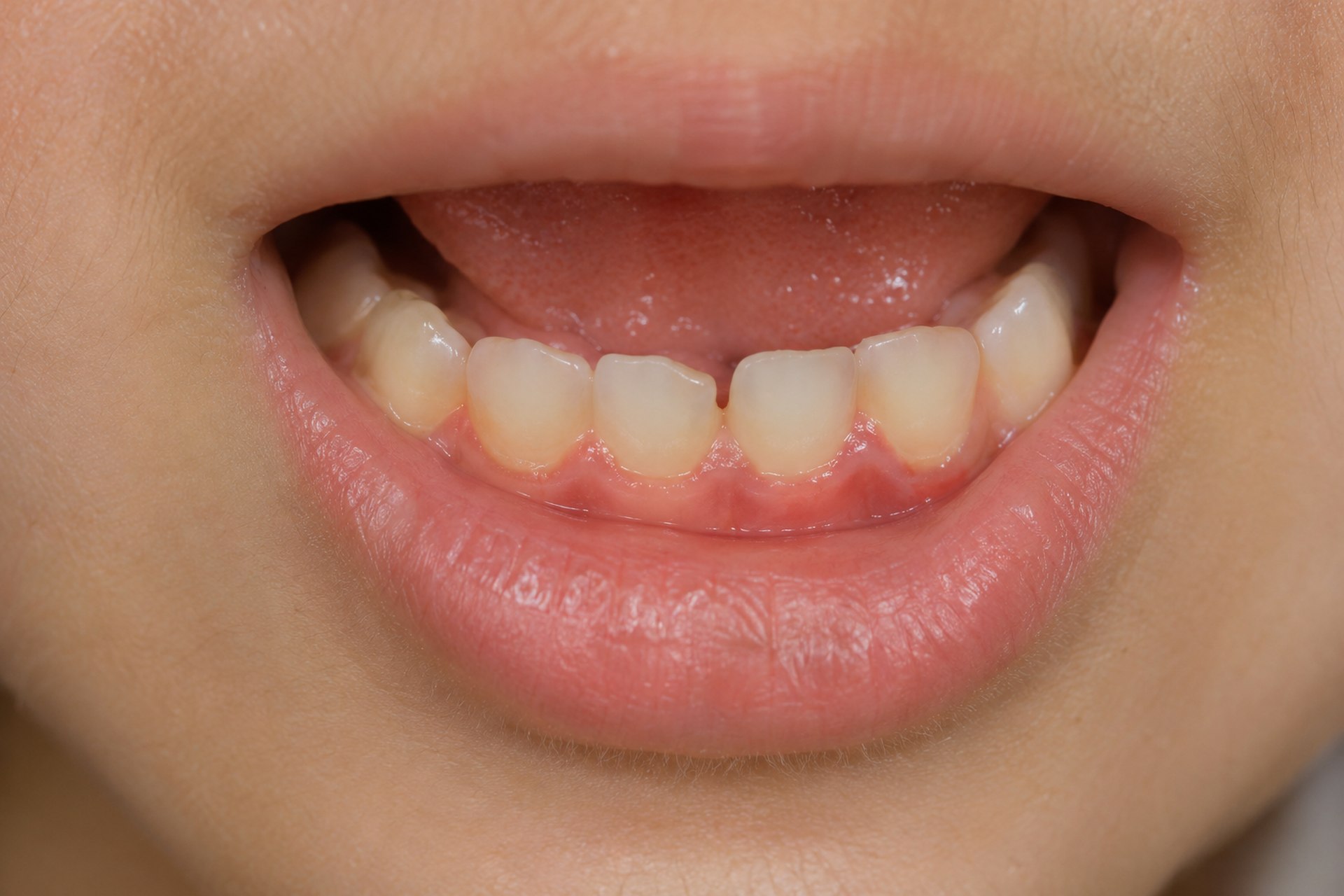
- Red, puffy or swollen gums.
- Bleeding during brushing or flossing.
- Tender gums or discomfort while eating.
- Persistent bad breath.
- Visible deposits or tartar around the gum line.
- Receding gums.
- Pus between a tooth and the gum.
- Unexpected mobility or changing position of a permanent tooth.
Some bleeding may also result from brushing too forcefully, trauma or inflammation around an erupting tooth, and may not be caused by gum disease. Receding gums in children can have several causes and do not always mean that a child has advanced gum disease.
In the early stages, gum disease in children may cause little or no pain. A child may therefore have inflammation without complaining of discomfort.
When to Seek Dental Care
Arrange a dental assessment if your child develops:
- Bleeding or swelling that persists despite careful cleaning.
- Gum pain that interferes with eating or brushing.
- Bad breath with no clear cause.
- Pus, marked swelling or a bad taste around a tooth.
- Gum recession.
- A permanent tooth that suddenly becomes loose.
- Fever, facial swelling or difficulty opening the mouth.
Seek same-day dental or medical care if a fever develops with dental pain or swelling. Call 995 or go to A&E immediately if you have difficulty breathing or swallowing, or if swelling spreads toward the eye or neck.
What Causes Gum Disease in Children?
Plaque buildup is the main cause of gingivitis. Dental plaque is a sticky film of bacteria; if not removed, it hardens into tartar, which brushing alone cannot remove. This can trigger inflammation in the surrounding tissue, causing bleeding gums in children.
Risk factors that may increase biofilm retention or the gums’ inflammatory response include:
- Incomplete brushing or flossing.
- Crowding or overlapping tooth positions.
- Braces or other dental appliances.
- Permanent tooth eruption through the gums.
- Hormonal changes during puberty.
- Regular mouth breathing, which may cause severe gum drying and dry mouth.
- Some medicines that reduce saliva or affect the gums.
- Diabetes, immune conditions or other health problems.
- Genetic susceptibility.
- Frequent sugary snacks or drinks.
Inflammation around an erupting tooth may be temporary. However, swollen gums in children that persist after a tooth emerges should be examined.

How Dentists Diagnose Gum Disease in Children
The dental professional examines the teeth, gums and other oral tissues. The assessment may include:
- Looking for bacterial deposits, tartar, swelling, bleeding and gum recession.
- Reviewing proper brushing, flossing and dietary habits.
- Reviewing the child’s medical history, including medication.
- Checking tooth eruption and tooth mobility.
- Measuring periodontal pockets when appropriate and tolerated.
- Taking dental X-rays when bone loss or another problem is suspected.
Newly erupted areas may have deeper gum spaces temporarily. The clinician considers the child’s age and stage of dental development before diagnosing gum disease.
Unexpected bone loss, unusual tooth mobility or rapidly progressing disease may require referral to a paediatric dentist, periodontist or medical practitioner.
How Gum Disease in Children Is Treated
The treatment plan depends on the diagnosis, severity, age, health and ability to cooperate with care.
Improved daily cleaning
In the early stages of plaque-induced gingivitis, the first step is usually better oral hygiene. The dentist may demonstrate how to clean the gum line and help the parent select an appropriate toothbrush, fluoride toothpaste, and interdental cleaner.
Parents may need to brush or finish brushing for younger children.
Professional teeth cleaning
Professional dental cleanings remove tartar and bacterial deposits that home care can’t clear. Children with mild gingivitis may need regular cleanings together with brushing and flossing guidance.
Read more about routine dental maintenance for children.
Treatment of contributing factors
The dentist may address areas that trap food particles and bacteria, assess an appliance or braces, or discuss dry mouth and mouth breathing. Further medical advice may be needed if medication or a health condition contributes.
Treatment of periodontitis
If periodontal disease extends below the gums and affects the supporting tissues, the child may need scaling and root planing, periodontal reassessment and individualised maintenance.
Antibiotics are not a substitute for cleaning and are not routine for gingivitis. They may be prescribed alongside periodontal treatment in selected advanced cases of rapidly progressing periodontal disease or disease associated with a medical condition.
If left untreated, advanced periodontal disease can lead to tooth loss.
Surgical care is uncommon in children and is considered only after a complete diagnosis.
How to Help Prevent Gum Disease
Good dental habits play a vital role in preventing gum disease and supporting a healthy smile. These healthy habits also help prevent periodontal disease. Daily oral hygiene should include:
- Brushing your child’s teeth twice daily with fluoride toothpaste.
- Using the amount of toothpaste recommended for your child’s age.
- Helping with brushing until your child can clean every surface thoroughly.
- Supervising your child after they begin brushing independently.
- Providing a healthy diet and limiting how often your child has sugary snacks and drinks.
- Keeping removable dental appliances clean.
- Arranging regular dental examinations at intervals recommended by your child’s dentist.
- Informing the dental team about health conditions, medicines and a family history of early gum disease.
To best build good habits and ensure long-term oral health, a child should have a first dental visit when the first tooth appears or by the first birthday, whichever comes first.

Dental Check-Ups and Cleaning Costs at TEETH @ Tiong Bahru
TEETH @ Tiong Bahru’s fees for children are:
- Children’s dental examination and consultation: $32.70 to $65.40 per visit.
- Scale and polish for a child: from $65.40.
These fees apply to the published services. If examination findings show that other diagnostic tests or periodontal treatment are needed, the dentist will explain the recommended care and associated fees.
Gum Disease Assessments at TEETH @ Tiong Bahru
A dental assessment can determine whether your child’s symptoms are caused by gingivitis, tooth eruption, local irritation, gum recession or another condition.
The dentist will examine the teeth and gums, review the child’s risk factors and recommend care based on the diagnosis. You can arrange a children’s dental examination at TEETH @ Tiong Bahru.
Frequently Asked Questions
How do you treat gum disease in kids?
Mild plaque-induced gingivitis is usually treated by improving brushing and interdental cleaning and removing plaque or tartar professionally when needed. More serious disease requires a diagnosis and may involve deep cleaning, specialist care or, in selected cases, medication. Periodontitis may require scaling and root planing, individualised maintenance and specialist referral.
Can you get gum disease as a child?
Yes. Gingivitis can affect children and teenagers. It is the most common form of childhood gum disease. Periodontitis, which damages the supporting tissues and bone, is much less common.
What are the symptoms of gum disease in children?
Common symptoms include red or swollen gums, bleeding during brushing or flossing, tenderness and persistent bad breath. Gum recession, pus or unexpected movement of permanent teeth needs prompt assessment.
How do dentists know if your child has gum disease?
The dentist examines the gums for inflammation, plaque, tartar, bleeding and recession. The dentist may also check gum pocket depths and tooth mobility, review medical factors and take X-rays if bone loss or another condition is suspected.