What Are Composite Fillings?
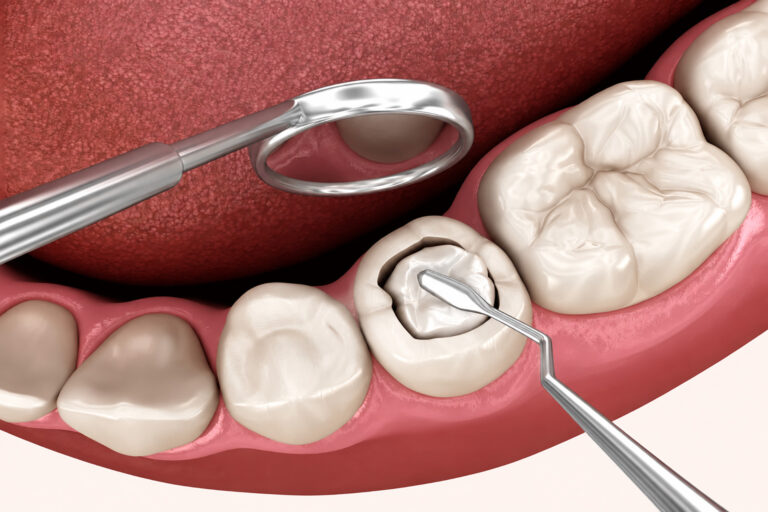
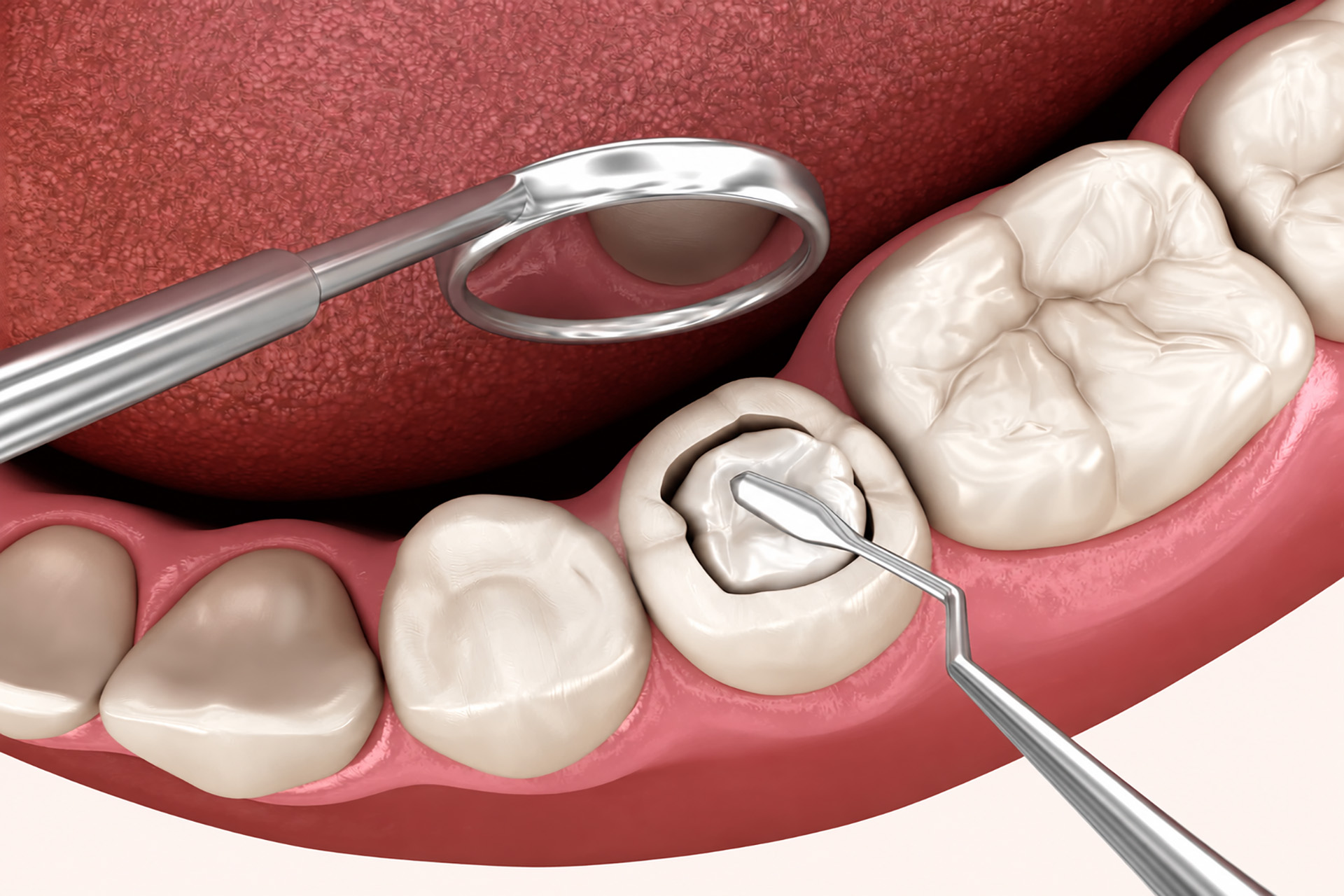
Composite fillings are tooth-coloured dental restorations that bond to your tooth enamel and are used to repair cavities, chips, wear and small areas of damage. These tooth-coloured fillings look more natural than silver fillings. A composite filling can be shade-matched to nearby teeth, making it useful for visible areas and, as a result, popular for front teeth.
It bonds to the tooth surface, so less healthy tooth structure may need to be removed compared with older dental filling materials, and it helps to preserve tooth function. This reduced removal of tooth structure is one reason composite fillings are preferred over dental amalgam and other metal fillings.
A composite dental filling is made from resin, plastic and ceramic compounds with fine glass particles to match the natural tooth colour. The material is soft when placed, then hardened with a curing light. Once shaped and polished, it blends closely with the natural tooth colour, creating a more aesthetically pleasing, natural appearance.
Composite fillings are commonly used to:
- Repair decay after the softened or infected part of the tooth has been removed.
- Restore chipped edges by filling cavities.
- Close small defects on damaged teeth.
- Replace worn fillings.
- Improve the appearance of minor surface damage.
Many patients switch from amalgam fillings to composite resin fillings because modern composites are highly durable.
Composite Resin or Glass Ionomer Fillings
Composite fillings are used when a tooth has a small to moderate cavity, chip or defect that can be repaired without a crown.
A composite tooth filling is often recommended when decay is limited and enough healthy tooth structure remains to support the restoration. It may be used on the front teeth, premolars and molars, depending on the size of the cavity and bite force.
Composite resin is also useful for cosmetic repairs and aesthetic concerns, such as quickly repairing a chipped tooth, often in one visit. For larger cavities, especially in back teeth under heavy chewing pressure, your dentist may discuss other options, such as an inlay, onlay, or crown, as these teeth often require stronger materials. The treatment option depends on the tooth.
In selected cases, other materials, such as glass ionomer fillings, may be considered. These fillings release fluoride that helps protect against tooth decay.
Benefits of Composite Fillings
Composite fillings are popular because they look natural, bond to the tooth and can often be completed in one appointment, offering a durable solution for many patients.
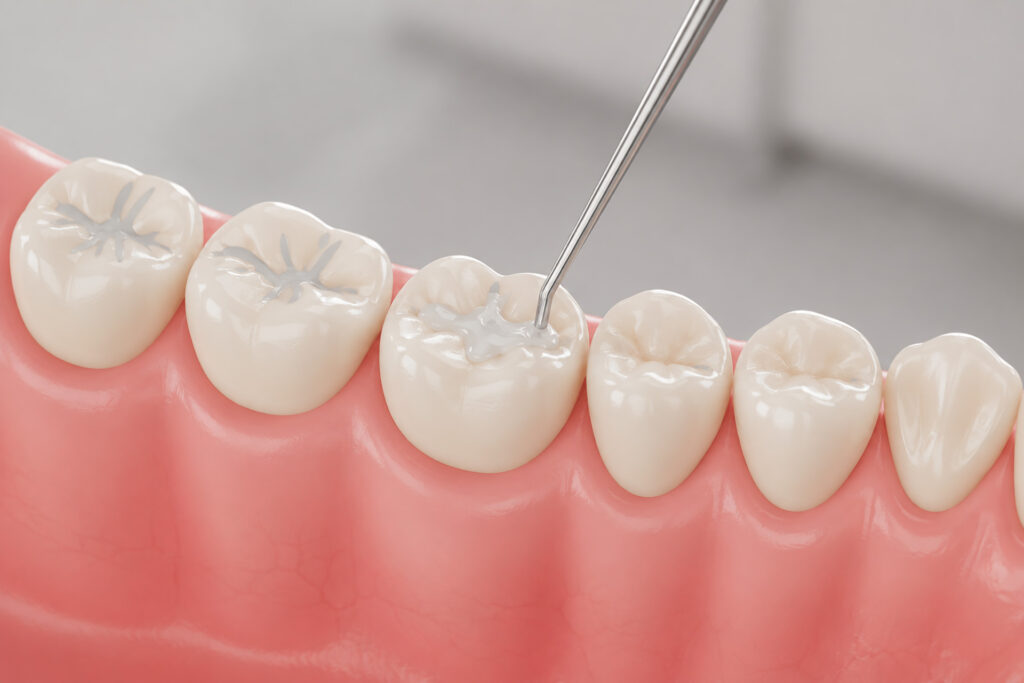
- The main benefit of tooth-coloured fillings is their appearance. Composite resin can be matched to the shade of surrounding natural teeth, making the repair less noticeable. This matters most for front teeth, other teeth in the smile line and visible back teeth when smiling or speaking.
- Composite resin also bonds to the tooth. This bonding can help maintain structural integrity and, in many cases, allows the dentist to preserve more healthy enamel and dentine. The material is placed in layers, which allows careful shaping of the tooth.
- Another benefit is convenience. Many composite fillings can be completed in one visit. The tooth is cleaned, restored, hardened, shaped and polished at the same appointment. This makes treatment straightforward for many patients in Tiong Bahru who want functional repair without repeated visits.
Composite resin is also mercury-free, which is one reason many patients prefer it to amalgam restorations.
Limitations and Disadvantages of Dental Restorations
Composite resin fillings are durable, but they may not last as long as some metal or ceramic restorations in large, high-pressure areas.
Composite filling durability depends on cavity size, tooth position, bite forces, oral hygiene and diet. In many cases, composite fillings last several years. With good care, they may last longer. However, they can wear out, chip, stain, or lose their seal over time.
Keep the tooth dry during bonding. If saliva contaminates the area, the bond may be weaker. Composite resin also takes longer to place than some other dental filling materials because it is usually built in layers and cured step by step.
Staining can occur over time, especially with frequent exposure to coffee, tea, red wine or tobacco. Surface polishing may improve minor staining, but deeper discolouration or edge leakage may require repair or replacement.
Composite resin fillings may not be ideal for very large cavities, teeth with major cracks, or patients who grind heavily. In these cases, ceramic inlays, onlays or crowns may provide better long-term support.
Composite Filling Procedure
The composite filling procedure involves removing the decay, bonding the resin to the tooth, curing it with a light, and polishing it to fit the bite.
- The appointment usually begins with an examination and, when needed, an X-ray to confirm the size and depth of the cavity.
- The dentist then selects a composite shade that matches your natural tooth. Shade selection often happens early because teeth can look slightly different once they dry out.
- A local anaesthetic may be used to numb the tooth and surrounding gum. This is usually recommended when the decay is deeper, the tooth is sensitive, or when local anaesthesia is needed to minimise discomfort.
- The dentist removes decay and damaged tooth structure and cleans the cavity to prevent further decay.
- The dentist keeps the tooth dry and prepares it for bonding.
- The dentist applies a bonding agent, then places the resin composite filling in small layers.
- The dentist hardens each layer with a special light from the curing unit.
- Once the cavity is filled, the dentist shapes the material to restore the tooth’s natural contour and original shape.
- The dentist adjusts your bite to ensure the filling doesn’t feel high when you bite.
- A smooth polish helps the restoration feel comfortable and makes it easier to keep clean.
The procedure typically takes 30 to 60 minutes per tooth, depending on the size and position of the composite filling.

Pain, Recovery and Sensitivity from Composite Fillings
Most patients recover quickly after a composite filling, although a mild sensitivity can occur for a short time.
Composite fillings are usually comfortable with a local anaesthetic. After the numbness wears off, the tooth may feel mildly tender, especially if the cavity is deep. Some patients notice a sensitivity to cold, sweet foods or chewing pressure for a few days.
Short-term sensitivity is common and often settles as the tooth adjusts. If the filling feels high, the tooth may remain sore when biting. A small bite adjustment can usually solve this.
Persistent pain, throbbing, swelling, or worsening sensitivity should be reviewed because it may suggest deeper decay, nerve irritation requiring root canal therapy, a cracked tooth, tooth sensitivity, or a filling that needs adjustment.
Root canal treatment may be needed if the nerve is involved, as it preserves the tooth. Without root canal therapy, you may need a tooth extraction.
You can usually eat after the numbness wears off. Composite fillings harden during the appointment, so there is no long setting period. Avoid chewing on the numb side until sensation returns to prevent biting the cheek or tongue.

Composite Dental Filling Costs in Singapore
Composite filling costs in Singapore depend on several factors: cavity size, tooth location, complexity, and whether other treatment is needed.
Composite filling costs at TEETH @ Tiong Bahru in Singapore range from $87.20 to $185.30 for a tooth-coloured filling.
Deeper decay, a cracked tooth structure, X-rays, anaesthetic and additional procedures can affect the total fee. A simple filling differs from replacing a large old filling, rebuilding a broken tooth, or restoring a tooth close to the nerve. We always encourage you to meet with our dentist for a consultation to discuss your specific needs and treatment costs.
How Long Composite Fillings Last
Composite fillings typically last 5 to 10 years, but their lifespan depends on care, bite forces, and restoration size.
Small fillings in low-stress areas often last longer than large fillings in back teeth. Good oral hygiene, regular dental check-ups and a low-sugar diet help protect the margins from new decay. Avoiding habits such as chewing ice, biting fingernails or using teeth to open packaging also helps prevent chips and fractures.
Grinding or clenching can shorten a filling’s lifespan. If you grind at night, a night guard may be recommended to protect both your natural teeth and restorations.
Composite fillings require ongoing care and do not last forever. Over time, the edges can wear, stain or leak. Regular dental checks allow early repair before a small problem becomes bigger.
Why Composite Fillings Fall Out or Fail
A composite filling may fall out if the bond fails, new decay forms, the bite is too heavy or too little tooth structure remains.
A composite filling falling out repeatedly usually means there is an underlying issue that needs diagnosis:
- The cavity may be too large for a direct filling.
- The tooth may be cracked. Saliva contamination during bonding may have weakened the restoration.
- Grinding, clenching, or a high bite may also overload the filling.
Decay around the edges can loosen a filling. This is more likely when plaque accumulates around the gum line or when you frequently consume sugary foods and drinks. Sometimes the tooth is not suitable for another simple filling and needs an onlay or crown for better strength.
If a composite filling falls out, keep the area clean and avoid chewing on that tooth until it is assessed. Do not try to glue it back yourself.
How to Care for Composite Fillings
Composite fillings need proper care: brush well, clean between your teeth, and attend regular dental check-ups.
- Brush twice daily with fluoride toothpaste and clean between your teeth once daily. Plaque can accumulate where the filling meets the enamel, so clean carefully around the tooth margins.
- Limit frequent sugary snacks and drinks. Decay can still occur around a filling if bacteria feed on sugar throughout the day. Bacteria feed on sweet foods, so limiting these supports oral health. Rinsing with water after meals can help wash away food residue when brushing isn’t possible.
- Avoid biting very hard objects. If the filling is on a front tooth, avoid using it to tear packaging or bite hard foods carelessly. If you notice roughness, staining, food trapping or a sharp edge, arrange a review.
How TEETH @ Tiong Bahru Can Help
TEETH @ Tiong Bahru can help by assessing whether a composite filling is suitable and by restoring the tooth with a material that matches its function and appearance.
At TEETH @ Tiong Bahru, treatment planning focuses on comfort and long-term oral health, tailored to your dental needs. If you have a cavity, a chipped tooth, an old filling that looks worn, an amalgam filling that needs replacement, or a dental filling that keeps falling out, contact our dental clinic today.
FAQs about Composite Dental Fillings
How long do composite fillings last?
Composite fillings often last about 5 to 10 years, similar to amalgam fillings. Some last longer with good oral hygiene, regular dental reviews and careful chewing habits. Large fillings and teeth under heavy bite forces may need repair or replacement sooner.
What are the disadvantages of composite fillings?
Composite fillings can stain, chip or wear over time. They may not last as long as amalgam fillings or ceramic restorations for large back-tooth cavities. They are also technique-sensitive and need good moisture control during placement.
Are composite fillings safe?
Most patients find composite fillings widely used and generally safe. They are mercury-free and commonly used for both front and back teeth. Many dentists also use composite fillings to treat dental caries on permanent teeth. Both permanent teeth and other materials benefit from composite restorations. If you have allergies or concerns about dental materials, discuss them before treatment.
Can composite fillings be replaced?
Yes. Tooth-coloured composite fillings and older amalgam fillings can be repaired or replaced when they chip, stain, leak, loosen, or develop decay around the edges. If the tooth is heavily weakened or has older metal fillings, your dentist may recommend an inlay, onlay or crown instead.