
What Is Root Planing?
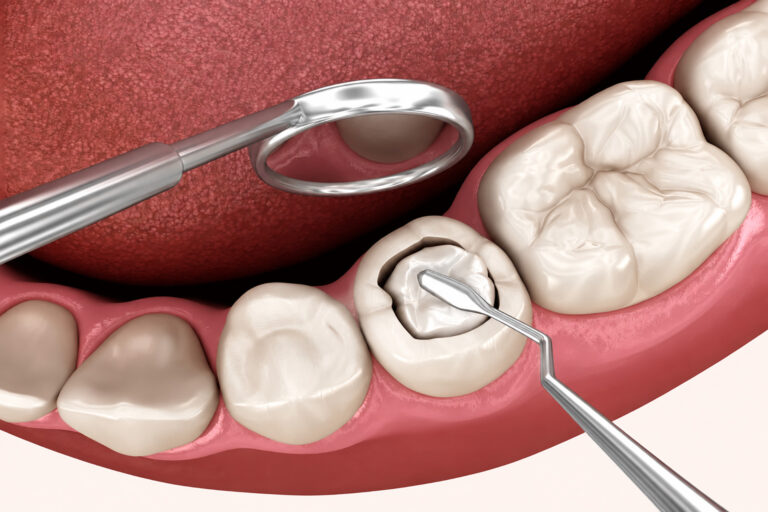
Root planing is a deep dental cleaning procedure that smooths tooth roots after plaque and tartar are removed from below the gum line.
Root planing is usually performed alongside dental scaling. Scaling removes plaque and tartar from the teeth, including deposits that sit below the gums. Scaling then smooths the root surfaces so the gum tissue has a cleaner surface to heal and reattach more closely. By disrupting dental plaque and disease-causing bacteria below the gums, scaling and root planing support gum health.
This is different from routine tooth scaling and polishing. Routine tooth scaling cleans the visible crown, whereas deep work goes further. Routine cleaning mainly removes deposits from the visible parts of the teeth and from slightly below the gum line. Periodontal scaling and root planing reach deeper into gum pockets where harmful bacteria collect in people with gum disease.
As a non-surgical periodontal treatment, scaling and root planing are often the initial approach for periodontal disease, aiming to halt the disease before periodontal surgery is ever considered.
Why Root Planing Is Done
Root planing is usually the first step in treating mild to moderate gum disease when bacteria and tartar have accumulated below the gum line.
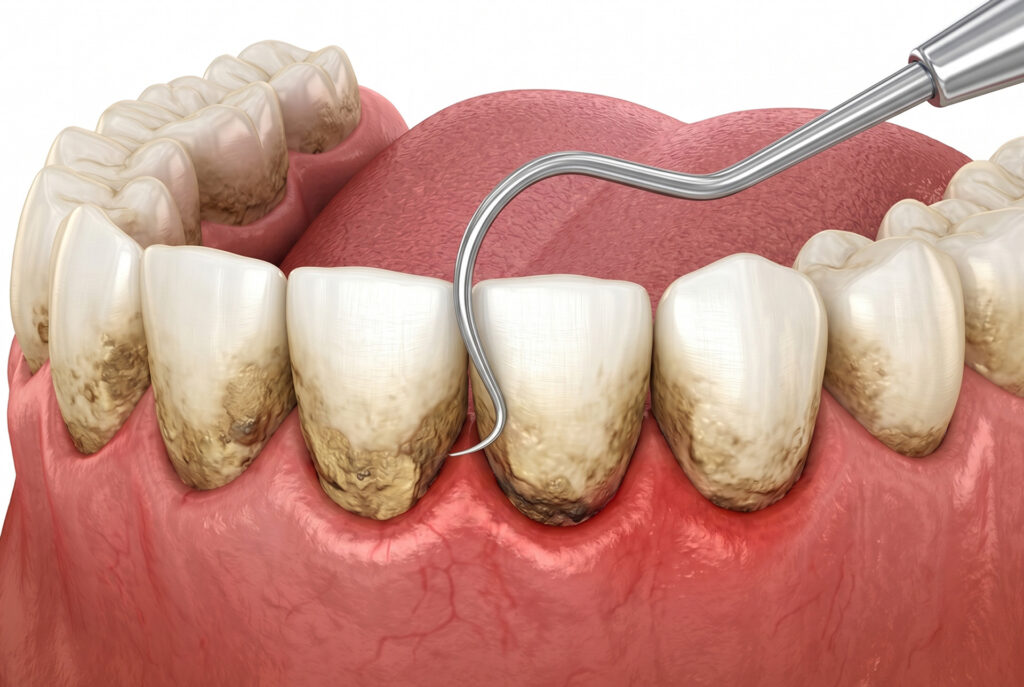
Gum disease starts when plaque, a sticky film of oral bacteria, builds up around the teeth. If plaque is not removed properly, it hardens into tartar. Over time, the gums can become inflamed and begin to pull away from the teeth. This creates small spaces called periodontal pockets.
Healthy gum pockets usually measure 1 to 3 mm deep. Deep gum pockets are generally 4 mm or deeper. Once pockets become deeper, daily brushing and flossing cannot adequately clean the root surfaces. Plaque and tartar can stay trapped below the gums, keeping the tissues inflamed, advancing periodontal disease and threatening the underlying bone.
Chronic periodontitis causes the gums to pull away from the teeth. This scaling and root planing helps remove bacterial deposits and smooth the root surface so the gum tissue can settle more closely, allowing healthy gum tissue to form around the tooth and the gums to reattach.
Is Root Planing Necessary?
Root planing is necessary when gum disease has progressed beyond what a routine cleaning can manage.
Scaling and polishing may be enough if gum inflammation is mild and the structures below the gum line have not been damaged. However, if the gum pockets are deep, bleeding is persistent, or X-rays show bone loss, routine dental cleaning alone may not reach the affected areas.
Your dentist may recommend root planing if you have swollen gums, bleeding gums when brushing, persistent bad breath, gum recession, loose teeth, or deep periodontal pockets. Bleeding gums during brushing are a common sign of gum disease. Persistent halitosis can signal gum disease progression, especially when it is linked to deeper gum pockets and plaque below the gum line.
Symptoms that Require Root Planing
Symptoms that may indicate the need for root planing include bleeding gums, swollen gums, bad breath, gum recession, and loose teeth.
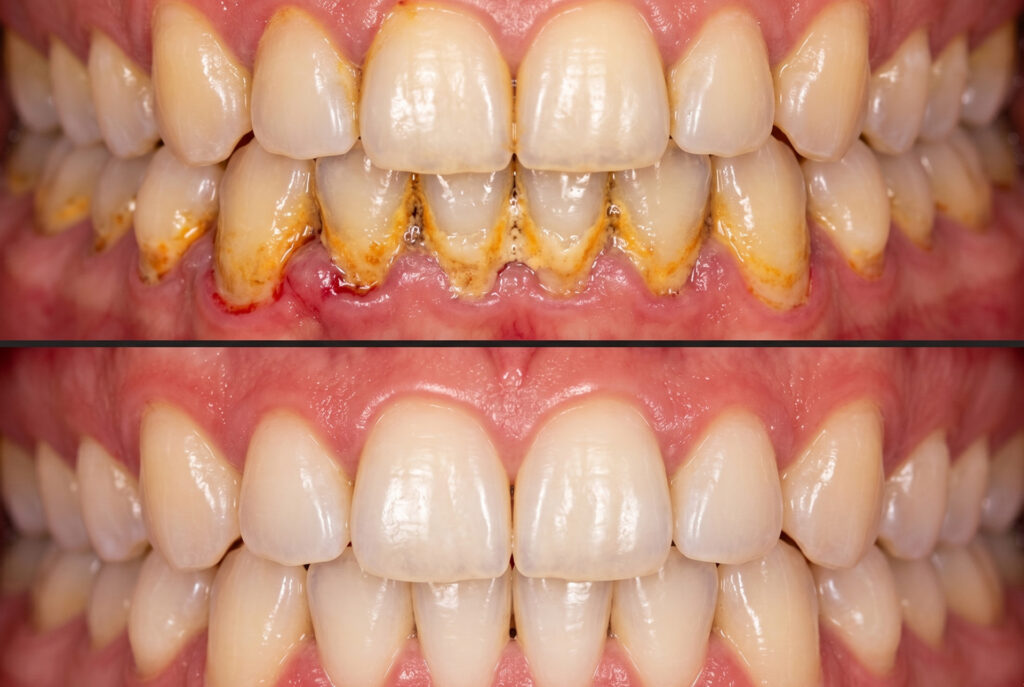
Early gum disease can be quiet. Some people only notice bleeding when brushing or flossing. Others notice puffy gums, tenderness, a bad taste or persistent bad breath. These signs may suggest that plaque and tartar irritate the gums and affect your dental health.
As gum disease progresses, the gums may pull away from the teeth. Teeth may appear longer due to gum recession. Food may catch more easily between the teeth. Some teeth may feel sensitive or slightly loose. Chewing may become uncomfortable in advanced gum disease, and untreated periodontal disease can eventually lead to tooth loss.
Diagnosis Before Root Planing
Diagnosis before root planing involves checking the gums, measuring pocket depths and assessing bone support with X-rays when needed.
A dentist usually starts by looking for plaque, tartar, bleeding, swelling, recession, and tooth mobility. A periodontal probe is then used to measure the small space between each tooth and gum. Healthy gums usually have shallow pockets of 1 to 3 mm. Pockets of 4 mm or greater suggest that the gum has pulled away from the tooth and that bacteria may be trapped below the gum line.
The dentist may take X-rays if they suspect bone loss or more advanced periodontal disease, including severe periodontitis. This helps show how much support remains around the teeth.
Some people need treatment in one or two areas. Others need the mouth divided into sections and treated over several visits for root planing.
The Root Planing Procedure
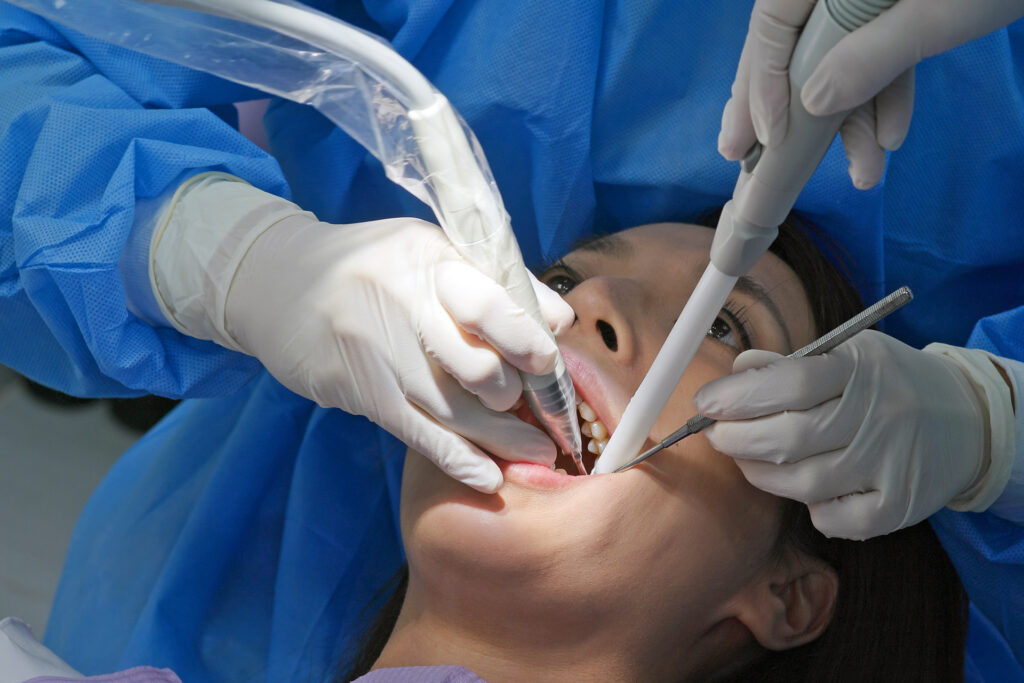
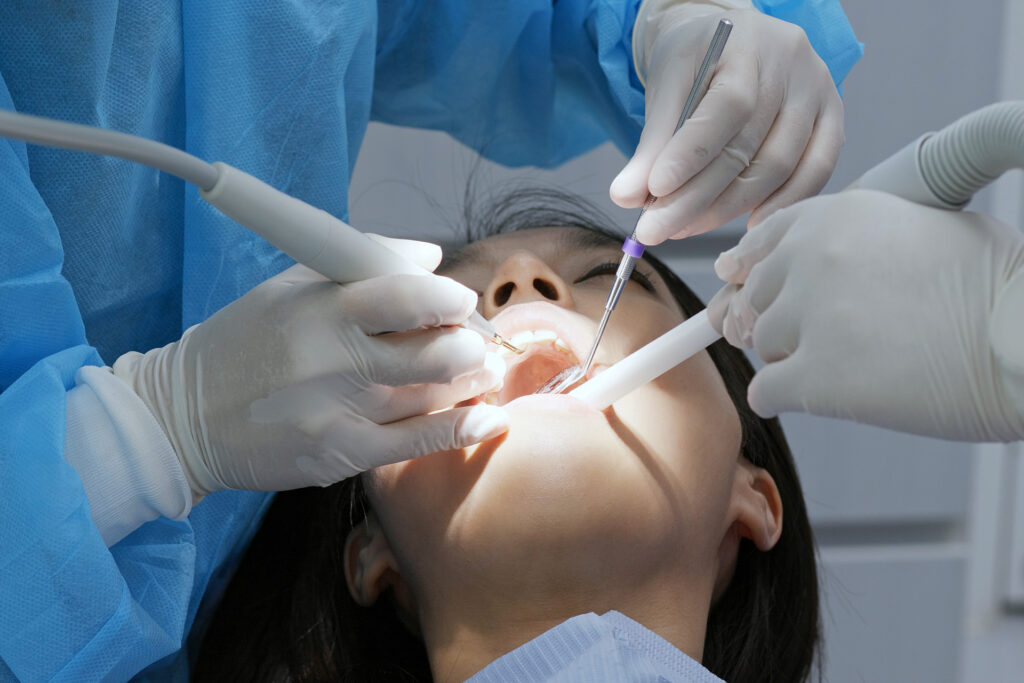
The root planing procedure involves numbing the gums, removing plaque and tartar below the gum line, smoothing the tooth roots, and flushing the area around the tooth roots clean.
Before treatment, your dentist will explain what areas need care and whether a local anaesthetic is recommended. Local anaesthesia may be used to keep the gums and teeth comfortable, especially when pockets are deep or the area is sensitive.
Dental scaling, also called tooth scaling, is usually done first. The dentist removes plaque and tartar above and below the gum line using hand instruments, ultrasonic instruments, or both. Ultrasonic instruments use vibration and water to break up deposits and flush the area.
Root planing comes next. Smoothing the root surfaces removes rough areas where bacteria can collect, making it harder for plaque to return. Clinicians may use antimicrobial solutions during root planing to reduce bacteria in treated pockets and prevent infection. This does not mean unnecessarily removing healthy tooth roots or root structure; the tooth roots are preserved. The aim is to create a cleaner tooth surface that supports gum healing and helps the gums reattach more closely.
The procedure typically takes 1 to 2 hours, depending on how many areas are treated.
Does Root Planing Hurt?
Root planing should not be severely painful because a local anaesthetic can numb the gums during treatment.
During the procedure, the main sensations are usually pressure, vibration, or water spray rather than sharp pain. If the gums are inflamed or the pockets are deep, local anaesthesia can make treatment much more comfortable.
After the anaesthetic wears off, mild soreness is common. Recovery from scaling and root planing may involve tenderness and sensitivity. Gum sensitivity may last for up to a week. Tooth sensitivity usually improves within a few days, although in some cases it can last a few weeks, especially if the roots were already exposed before treatment.
Root planing pain relief may include over-the-counter pain relief (if suitable for you), a desensitising toothpaste, gentle brushing with a soft toothbrush, and avoiding very hot, cold, or spicy foods for the first day or two.
Aftercare and Recovery
Aftercare after scaling and root planing focuses on keeping the gums clean and supporting gum recovery while the treated tissues settle.
Most patients can return to normal activities on the same day as scaling and root planing. The gums may feel tender, swollen or slightly prone to bleeding at first. Sensitivity may be most noticeable with cold drinks or brushing.
Brushing twice daily and flossing once daily are crucial after root planing treatment. Good brushing and flossing help stop plaque from building up again while the gums heal. An antibacterial mouth rinse can also help reduce inflammation if your dentist recommends it. Avoid smoking, alcohol, very hot drinks and hard or sharp foods during the early healing period if they irritate the gums.
Healing times after scaling and root planing vary, but many patients notice improvements within a week. Bleeding and swelling often reduce first. Gum pockets may take longer to stabilise. Your dentist will usually review the gums after healing to check whether bleeding has reduced and whether pocket depths have improved.
Benefits of Scaling and Root Planing
Scaling and root planing can reduce gum inflammation and bacterial levels, helping prevent gum disease from progressing.
Root planing is not a cosmetic polish. The main benefit is disease control. By removing bacteria and tartar below the gums, scaling and root planing give tissues a better chance to heal. Treatment can also help reduce bad breath caused by gum bacteria. It may lower the risk of worsening recession, bone loss and tooth loss, supporting your oral and overall health. Success depends on what happens after the appointment, especially daily plaque control and regular maintenance that protect oral health long term.
Risks and Side Effects
The most common side effects of root planing are temporary gum tenderness, bleeding and tooth sensitivity.
Mild bleeding after treatment can occur because the gums were inflamed and were cleaned below the surface. Tenderness usually settles within a few days. Tooth sensitivity may last a few weeks after treatment, particularly if there is gum shrinkage or exposed root surface.
Some people notice that their gums look slightly lower after healing. This is often because swollen tissues shrink back as inflammation improves. This can make the teeth look longer, but it may also indicate healthier, less inflamed gums.
Infection is a rare risk, but antibiotics can manage it when needed. Contact your dentist if pain doesn’t improve with medication, swelling becomes severe, bleeding doesn’t stop, or a tooth feels increasingly loose.
Root Planing Cost in Singapore
Root planing costs in Singapore vary depending on the severity of gum disease, the number of areas treated, and whether X-rays, anaesthetic, or follow-up care are needed. At TEETH @ Tiong Bahru, root planing under local anaesthetic ranges from $1,308.00 for full-mouth treatment to $76.30-$109.00 per tooth, depending on the patient’s condition and treatment preference.
How to Prevent Gum Disease After Root Planing
Preventing recurrence after scaling and root planing depends on daily plaque control and regular periodontal maintenance.
Scaling and root planing reduce bacterial deposits below the gums, but plaque forms again every day. To remove dental plaque, brush twice daily with a soft toothbrush and clean between the teeth once daily. Use any antibacterial mouth rinse, interdental brush, or flossing tool your dentist recommends, and eat a balanced diet, as both support periodontal health.
Smoking makes gum disease harder to control and can reduce healing. Diabetes also affects gum health, especially when blood sugar is not well controlled. If either applies to you, managing these risk factors can improve treatment success. Regular dental check-ups help protect long-term gum health.
Maintenance visits are important. Some patients can return to routine six-monthly care once they have healed. Others with periodontitis may need more frequent reviews, often every three to four months, depending on pocket depths and risk level.
How TEETH @ Tiong Bahru Can Help
TEETH @ Tiong Bahru can help by assessing whether root planing is needed, treating gum disease carefully, and supporting long-term maintenance.
Patients often want to know whether they need a deep cleaning or a routine cleaning. If root planing is suitable, this nonsurgical treatment can be tailored to comfort, disease severity, and the number of areas involved.
For patients in the Tiong Bahru neighbourhood and surrounding areas, early periodontal care at TEETH @ Tiong Bahru can help prevent gum disease from worsening. Make an appointment today.