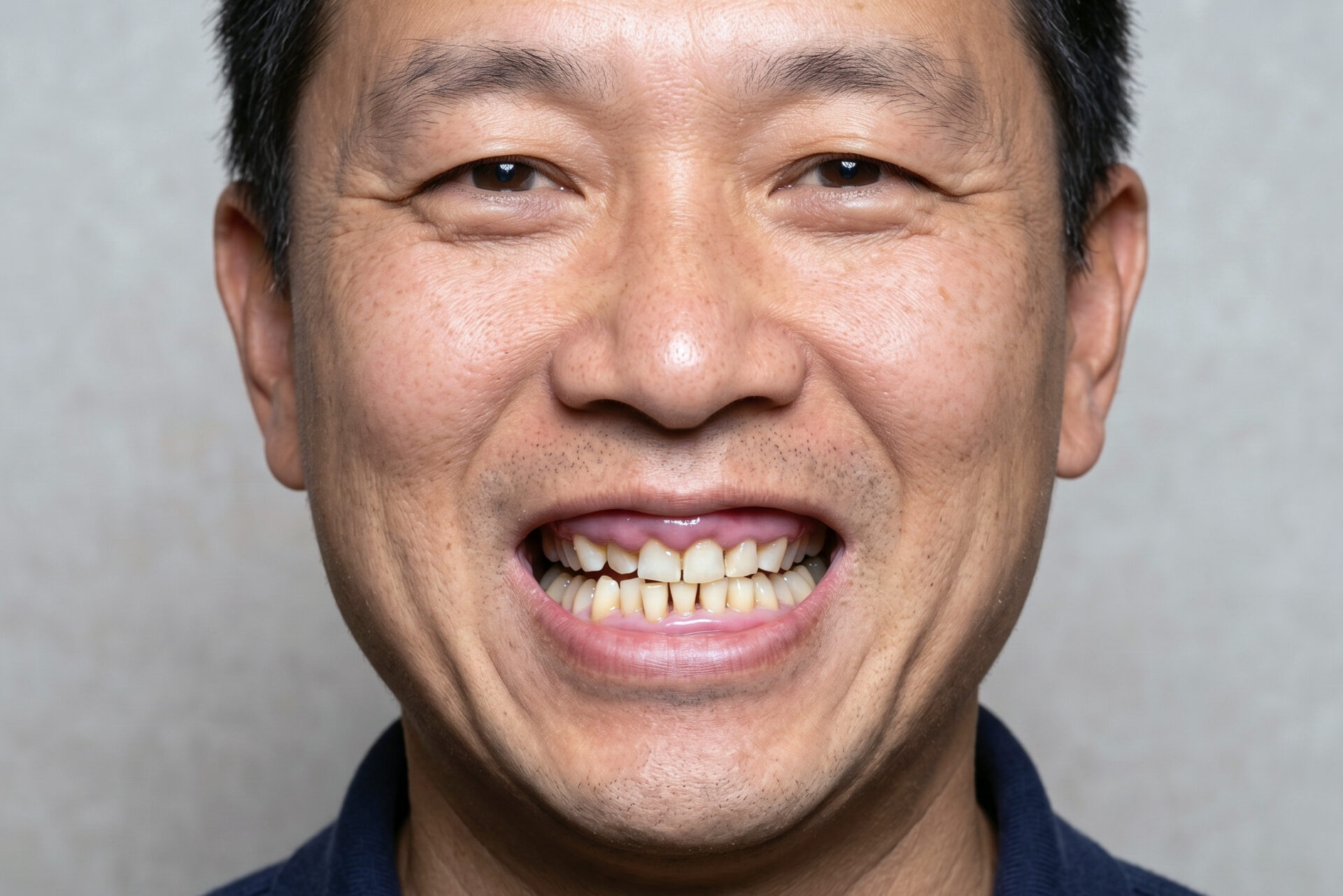
What Is Gingival Hyperplasia?
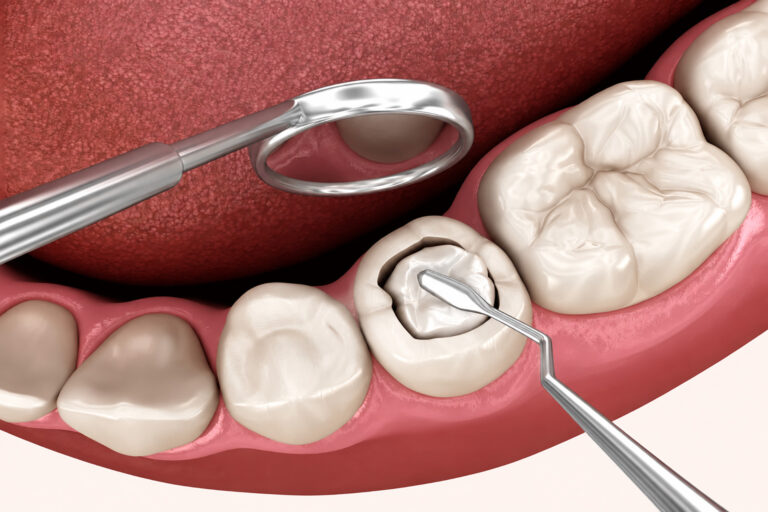
Gingival hyperplasia is an overgrowth of gum tissue that can range from mild puffiness to more pronounced gingival enlargement around the teeth.
If you are wondering what causes gingival hyperplasia, the answer is not always the same for every patient. The causes of gingival hyperplasia include inflammation from plaque, systemic conditions, hormonal changes, tooth position, genetics, or medicines that affect gum tissue growth. Drug-induced gingival hyperplasia is common, particularly with anti-seizure medications, immunosuppressants and calcium channel blockers.
Causes of gingival hyperplasia also include hereditary gingival fibromatosis, which can cause pronounced gingival overgrowth even in the absence of poor oral hygiene. Gum overgrowth can also occur during orthodontic treatment, including braces and clear aligners, making plaque control more difficult.
In practice, dentists often separate the causes into inflammatory, drug-related, hereditary, and systemic groups. This is why the same swollen-looking gums may need very different treatment plans depending on the underlying trigger. Some cases improve with cleaning alone, while others need medical review or surgery.
Symptoms
Symptoms of gingival hyperplasia usually include puffy gums, bleeding, tenderness and teeth that appear shorter. While it is not categorised as a primary gum disease, it is frequently a symptom of underlying issues and can significantly increase your risk of developing gingivitis or periodontitis.
Many first notice that the gums look fuller or swollen, especially between the teeth. Overgrown gums may appear red, with tender gums being a common sign of inflammation. The gums may bleed during brushing, feel sore, or trap food more easily, and bad breath may be a recurring issue throughout the day.
In more severe cases, excess gum tissue can completely cover a large portion of the teeth, making cleaning more difficult and increasing the risk of plaque buildup, periodontal disease, and tooth decay. The eruption of adult teeth may also be affected when overgrown gums block the normal eruption paths.
The gum enlargement itself may cause tender gums rather than intense pain, though the underlying cause, such as gum disease, may bring more discomfort. Other symptoms, such as bad breath, a gummy smile, and altered gum line contours, can also develop. If the gums are getting in the way of brushing or you have started to avoid certain areas, that is already a sign the problem needs attention from a dental specialist.

When to See a Dentist
You should see a dentist if your gums stay enlarged, bleed often, or begin to interfere with cleaning, chewing or appearance.
Some cases settle when plaque control and daily oral hygiene improve, but persistent or worsening gum overgrowth needs assessment. In severe cases, surgical intervention may be required. A review is sensible when puffy, swollen gums do not resolve, especially if the gingival enlargement interferes with plaque removal, affects function or appearance, or does not match the amount of plaque present.
Sometimes, gingival hyperplasia during pregnancy reflects hormonal imbalances and improves after delivery. High blood pressure medications, such as certain calcium channel blockers, are common medications associated with drug-induced gingival overgrowth. Transplant patients receiving cyclosporine are also at increased risk. In other cases, drugs that cause gingival hyperplasia are the main trigger, especially when a patient is taking anticonvulsants or immunosuppressants. In these cases, a dentist can be critical to treating your gingival hyperplasia over the long term.
Diagnosis
Dentists diagnose gingival hyperplasia by examining the gums, reviewing your medical history and medicines, and using tests when needed to rule out other conditions.
A dental examination usually assesses plaque buildup, gum shape, pocket depth, tooth position, and bone loss. A gum line assessment is part of this process. Diagnosis may include dental X-rays, periodontal charting and, in selected cases, a tissue biopsy to rule out other causes such as hereditary gingival fibromatosis. A full medication review also matters because occasionally, medication causes gingival hyperplasia, even if it may look like it stems from a different cause. Early diagnosis helps determine whether the gum changes are driven by drug-related, systemic, inflammatory, or hereditary factors, thereby improving your oral health outcomes.
This is especially important in suspected drug-related cases. The recognised groups of drugs causing gingival hyperplasia include anti-seizure medications such as phenytoin, immunosuppressants such as cyclosporine or ciclosporin, and calcium channel blockers.
Non-Surgical Management
Non-surgical treatment aims to reduce inflammation, improve cleaning, and remove local factors that cause the gums to enlarge.
Improved oral hygiene can reduce gum overgrowth, especially when plaque buildup and tartar are the main causes. Treatment may start with professional cleaning, oral hygiene instruction, an antiseptic mouthwash where appropriate, and, in deeper or more established cases, scaling and root planing to clean beneath the gum line.
Medication-related cases need a wider view. If the gums are enlarging due to medication, the dental plan often includes plaque control and a discussion with the prescribing doctor about whether a substitution or dose adjustment is medically possible. Patients should not stop or change medicines on their own.
Gingival hyperplasia in orthodontics also needs careful cleaning support. Patients often seek gingival hyperplasia braces because brackets, wires, and soft tissues can trap plaque, making certain areas difficult to clean. Fixed appliances and aligners can both raise the risk when daily hygiene is not effective. Preventing gingival hyperplasia through careful oral hygiene habits is essential to preserving gum and dental health.
Surgical Options
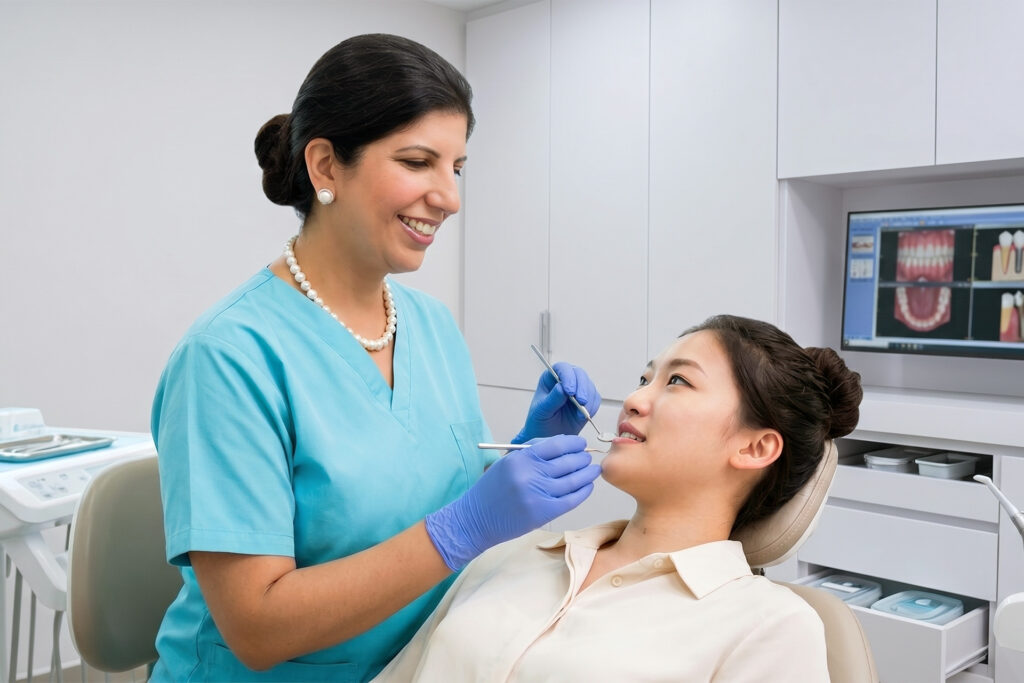
When overgrown gums continue to interfere with cleaning, chewing, or appearance, gingival hyperplasia surgery may be recommended. Surgical removal of excess gum tissue may be necessary, and in some patients, repeated surgeries may be required if the underlying trigger persists. Surgical procedures can include gingivectomy, laser gum therapy and, in some cases, pocket reduction surgery when periodontitis is also present. For patients concerned about a gummy smile, surgical reshaping can also improve oral health and the appearance of the gum line.
Surgery removes or reshapes the excess tissue so the remaining gums are easier to clean and the gum contour is healthier. Even then, recurrence can still happen if the original trigger persists. Drug-influenced enlargement may recur in susceptible individuals, and repeated surgical removals may sometimes be needed. Please speak with your dentist about this before you proceed with surgery.
Risks and Recovery
Untreated gingival hyperplasia can lead to cavities, cosmetic concerns, gum disease and tooth loss. Severe tissue overgrowth can also affect tooth alignment and make tooth eruption more difficult in younger patients. In short, the problem is not only how the gums look, but also how much harder they make it to maintain oral health.
Recovery is usually favourable when the underlying cause is identified and treated. In mild cases, some patients improve with cleaning and better home care alone. Others need medication review or removal through surgical procedures. After surgery, tenderness, mild bleeding and temporary difficulty brushing the area can be expected for a short time, but the longer-term benefit is gums that are easier to clean and less likely to trap plaque again.
How TEETH @ Tiong Bahru Can Help
TEETH @ Tiong Bahru can help by identifying the cause of your gum overgrowth and matching your treatment to whether the problem is inflammatory, orthodontic, hormonal, genetic or drug-related. Whether the issue is gingival hyperplasia and pregnancy, fixed appliances, or medications from known drug classes, the goal at TEETH @ Tiong Bahru is not only to reduce excess gum tissue but also to make the gums easier to maintain over time and to protect your oral health. If you are concerned about your gums or believe you have gingival hyperplasia, give us a call and make your appointment today.