
The wisdom teeth are the last set of adult teeth to erupt in late adolescence or early adulthood. Most people get four wisdom teeth, two on top and two on the bottom. As they start to emerge, it can be uncomfortable, especially if there isn’t enough space in the jaw. This can cause wisdom tooth pain, often presenting as a persistent ache or sharp discomfort at the back of your mouth, jaw, or around the ear.
It’s commonly caused by impaction, in which the tooth lacks space to emerge, or by a gum infection in the surrounding tissue. Symptoms may include red, swollen gums, bad breath, or difficulty opening your mouth. Quick relief for wisdom tooth pain can come from warm saltwater rinses, over-the-counter painkillers like ibuprofen to reduce inflammation, or cold compresses. However, if the pain persists, it’s time to see a dentist, as a wisdom tooth extraction may be necessary to prevent further issues such as tooth decay or infection.

Types of Wisdom Tooth Pain
Wisdom tooth pain isn’t the same for everyone, and the way it feels can give you a clue about what’s going on. Some common symptoms of wisdom tooth pain include throbbing pain, swelling, and jaw tenderness. Knowing which type of pain you have can help you explain it to your dentist more clearly.
| Type of Pain | Description of Pain |
| Throbbing Pain | This kind of pain usually means there’s an infection or abscess deep in the tooth or gum, and it can feel like a heartbeat in the jaw. It can progress quickly, especially if left untreated. Sometimes the pain can spread to your ear or neck. |
| Sharp, Shooting Pain | This sudden wisdom tooth pain usually happens when you bite down or chew, and it can be a sign that the enamel on your tooth is damaged. |
| Pressure in the Jaw | If you feel a dull ache in your jaw that radiates towards your ear or temple, that’s often a sign of an impacted tooth pushing against other teeth or the jawbone. The position of your teeth and your overall bite can significantly impact how much pain you’re in. |
| Gum Sensitivity and Soreness | This is commonly associated with pericoronitis, in which the gum tissue around a partially erupted tooth becomes inflamed. |

How Long Will the Pain Last?
The pain will last differently depending on what’s going on with your teeth. For example:
- Post-Extraction: Wisdom tooth extraction pain typically peaks in the first 24 to 48 hours and gradually subsides over 3 to 7 days.
- Eruption Pain: If a tooth is breaking through the gum, the pain will last for a few days to a week.
- Infection: This kind of pain will keep getting worse until you get antibiotics or have the tooth taken out.
Wisdom Tooth Pain Causes
Wisdom tooth pain results from a host of issues that need to be sorted out by your dentist.
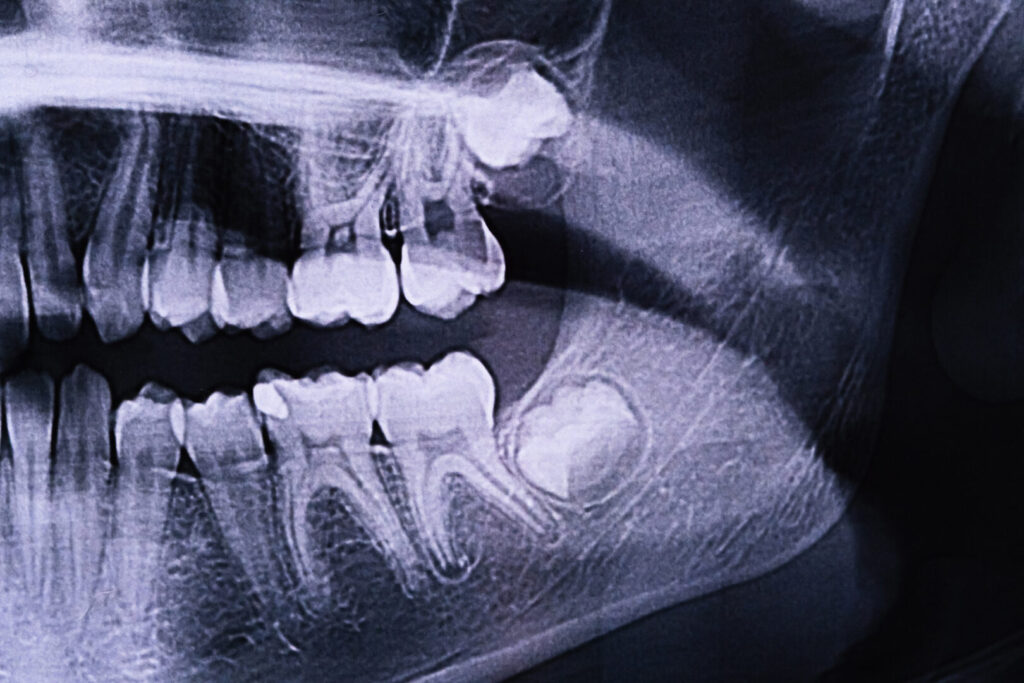
Wisdom tooth impaction is one of the most common causes. It happens when there isn’t enough room in the upper jaw or lower jaw for the wisdom teeth to come in properly. This can cause them to get stuck under the gum line or come in at an awkward angle. Impaction can be painful as the tooth is impacted and presses against adjacent teeth and bone. Impacted wisdom teeth can also cause misalignment or tooth decay in nearby teeth.
Another common problem is pericoronitis, a gum infection caused by bacteria and food particles becoming trapped around a partially erupted wisdom tooth. Trapped bacteria can lead to gum disease, swelling, illness and acute dental pain.
If a wisdom tooth has partially erupted, it can create a perfect trap for food and bacteria to accumulate, eventually leading to a severe wisdom tooth infection. This can cause all sorts of problems, from pain and swelling to even a fever. If you’re experiencing top wisdom tooth pain due to pressure on the sinus cavity, it can also cause sinus pain, headaches, or facial pain.
In a few cases, impacted wisdom teeth can develop cysts, which are fluid-filled pockets that can be painful and damage the surrounding tissues and bone. If left untreated, these cysts can continue to grow and cause further problems.

Wisdom Tooth Pain Symptoms
Getting a handle on the symptoms of wisdom tooth pain early can help prevent complications through early intervention. Here are a few wisdom tooth pain area symptoms to watch out for:
- Pain or discomfort in the back of the mouth that won’t quit
- Sensitive and tender gums
- Swollen gums in the neck
- Trouble opening your mouth or chewing
- Redness and swelling around the wisdom tooth area
Bad breath or an unpleasant taste in your mouth is also a common sign. This is because the area around the wisdom teeth is hard to reach, which can lead to bacterial buildup and the accumulation of food and bacteria. Occasional headaches, earaches or sinus pains caused by referred dental pain can also be a sign. And, if you’ve got top wisdom teeth pain, pressing against the sinus cavity, you might experience sinus congestion, headaches or facial pain.
Sometimes, a painful wisdom tooth can be a dental emergency, especially if the severe pain is significant or you’re experiencing other complications, and it needs prompt professional attention.

Home Relief from Wisdom Tooth Pain
While you should always go to the dentist for severe wisdom tooth pain, there are a few home remedies that can give you temporary relief. These methods are some of the ways to ease wisdom tooth pain until you can see a dentist.
Ice Pack
Putting an ice pack on the outside of your jaw helps ease the pain and reduce swelling. Wrap an ice pack in a cloth so it doesn’t touch your cheek and leave it on for 15-20 minutes. A cold compress will do the trick just as well, giving you an instant, non-invasive way to relieve pain.
Clove Oil
Clove oil is a natural painkiller with anti-inflammatory properties, making it great for relieving topical pain. Just apply a few drops to a cotton ball and gently dab it onto the area of wisdom tooth pain. It can take the edge off for a little while.
Aloe Vera Gel
Aloe vera gel has anti-inflammatory properties, and its cooling effect is instant. Apply a bit to the gums around the wisdom tooth to help soothe the pain and reduce inflammation.
Saltwater Rinse
A saltwater rinse can help reduce inflammation and kill off bacteria that might be causing an infection. Mix a teaspoon of salt into warm water, then swish it around a few times a day. It’s a simple trick that can help with the healing process and relieve pain from an infected wisdom tooth.
Peppermint Tea
Peppermint tea has numbing properties that can help soothe aching gums. Brew up a cup, let it cool, and use it as a mouthwash. You can also place a cooled peppermint tea bag on the affected area for a few minutes. This is a great way to reduce swelling and fight infections, as the tea has antibacterial properties.
Elevation
When you’re going to bed, try propping your head up with an extra pillow. That helps reduce blood flow to the head, which can lower pressure and manage wisdom tooth pain.
NSAIDs / Over-the-Counter Medication
Over-the-counter painkillers like ibuprofen or paracetamol can help take the edge off and relieve wisdom tooth pain.
Alternative Medicines
On top of these home remedies, some people try alternative medicine like acupuncture to help manage the pain.
While home remedies can give you temporary relief, they’re not going to sort out the underlying issue. If the pain persists or gets worse, your dentist might suggest removing your wisdom teeth, especially if they’re impacted or keep causing recurrent infections.

How to Prevent Wisdom Tooth Pain
Good oral hygiene is vital for preventing wisdom tooth pain and maintaining your overall oral health. Wisdom teeth live right at the back of the mouth, making them tricky to get to, so they end up at a higher risk of accumulating food particles and bacteria. This can lead to wisdom tooth issues, such as tooth decay, gum pain, or infection.
One of the most effective ways for prevention is to maintain good oral hygiene, such as brushing at least twice a day and flossing carefully around the wisdom tooth area to remove hidden food and bacteria. Give extra attention to cleaning around partially erupted wisdom teeth, because these areas are especially prone to gum disease and tooth pain.
If you’ve got an electric toothbrush like an Oral-B Vitality 100, that’s even better. And if things get rough, using an antibacterial mouthwash can help reduce the risk of infection and maintain optimal gum health. Rinsing with a saltwater rinse also helps reduce bacteria and protect against disease.
Avoid biting down on the affected side and give hard or crunchy foods that can make the pain worse a wide berth. No straws either, as the sucking action can play havoc with sensitive tissue or worsen mild discomfort. If you have partially erupted wisdom teeth or are experiencing mild pain, stick to soft foods like yoghurt, soup and mashed veggies. Also, avoid hard, sticky or chewy foods that can irritate the gum tissue or get stuck around your wisdom teeth. Cutting down on sugary and acidic foods and drinks will also protect against tooth decay and gum disease.
Regular dental check-ups are one of the most critical steps in prevention. Your dentist can monitor the development and position of your wisdom teeth, identify early signs of impacted wisdom teeth or jaw pain, and recommend preventive measures. In some cases, they may suggest having your wisdom teeth removed to prevent future problems.

When to Get in Touch with a Dentist Straight Away
Some signs indicate you need to see a dentist right away. These include:
- Uncontrolled bleeding gums
- Difficulty breathing or swallowing
- Severe swelling that spreads to the face or neck
- A fever with persistent pain persists with dental pain
- Limited jaw movement (trismus) that stops you from eating
- Severe pain that’s constant and doesn’t change
All of these are significant problems and warrant immediate treatment.

When to Consider Wisdom Tooth Extraction
Wisdom tooth extraction is usually the best long-term solution for impacted and infected wisdom teeth. It’ll provide pain relief and prevent potential complications down the line. Frequently, the solution for broken wisdom tooth pain relief is an extraction. Dentists typically recommend taking out a wisdom tooth when:
- The tooth is impacted and is causing pain or infection.
- There’s no room for the tooth to come in properly.
- The wisdom tooth is pushing against adjacent teeth, causing misalignment.
- There’s persistent swelling, decay or damage to the surrounding tissues.
A simple extraction is all that’s needed if the tooth has fully emerged, and this can be done with forceps, usually under local anaesthesia. However, if your wisdom tooth is impacted, a more complex surgical removal might be needed. This involves an incision in the gum and, if required, bone removal, which requires more recovery time than a simple extraction.
Your dentist will review your medical history before the procedure to ensure they can provide you with the best possible treatment. They’ll review dental X-rays to determine where the tooth is and plan the best way to remove it. Every case is different, so it’s always a good idea to talk with a dentist about what will work best for you.

Wisdom Tooth Pain Relief After Surgery
Proper aftercare is essential after wisdom tooth surgery. To prevent complications like dry sockets or infections, you’ll need to take it easy for the first 24 hours and avoid strenuous activities.
Putting an ice pack on the outside of your face can help reduce swelling, and the pain should be manageable with painkillers. Soft foods are suitable for the first few days to avoid excessive pressure on the extraction site. And no straws, since sucking on one can dislodge the blood clot that needs to form. Don’t forget to keep things clean by rinsing with salt water and avoiding brushing right on the site. That will help with pain relief during wisdom tooth surgery and expedite recovery.

Getting a Wisdom Tooth Extraction Costs & Insurance Coverage
The cost of having your wisdom teeth extracted can vary depending on the complexity of the dental procedures and the type of anaesthetic required. Surgical extractions are usually pricier than non-surgical ones. Some dental insurance policies cover part of the cost, depending on your plan.
Depending on the case and its complexity, our non-surgical wisdom tooth extraction price in Singapore ranges from $218.00 to $438.00, and surgical extractions range from $872.00 to $1,526.00.
MediSave for a wisdom tooth extraction may help Singaporeans and Permanent Residents pay for specific oral surgery procedures, such as implant treatments, surgical extraction of a wisdom tooth or a fractured tooth, or placement of dental implants. MediSave can cover a partial cost of the total expenses based on the complexity of the procedure. TEETH @ Tiong Bahru is accredited by the Ministry of Health and the Central Provident Fund (CPF) Board.
Speak with Our Wisdom Teeth Experts at TEETH
If you’re in Singapore and dealing with persistent or severe wisdom tooth pain, a professional assessment is a good place to start. At TEETH @ Tiong Bahru, we do everything we can to ensure you receive the best treatment with transparency and without pain. We offer diverse dental services, from wisdom tooth care and extractions to pain management, and use a range of imaging to ensure we know exactly what we’re dealing with and develop a treatment plan tailored to your situation. Book an appointment with us today to relieve wisdom teeth pain in Singapore.