
What Are Amalgam Fillings?
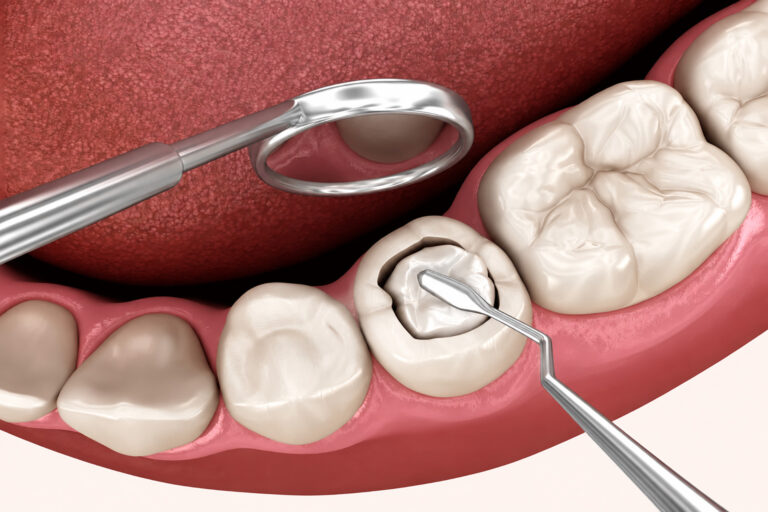
Amalgam fillings, which are metal dental fillings used to repair decayed teeth and restore normal chewing function, have been used for many years. They are sometimes called silver amalgam fillings because of their grey or silver appearance, but they are not made of silver alone. Dental amalgam fillings are a mixture of metals: liquid mercury with silver, tin and copper alloy particles to form a strong restorative material. The mercury helps bind the metal alloy into a strong material that can be packed into the prepared cavity and hardened into a durable restoration.
Amalgam was traditionally used most often for back teeth after a dentist removed the tooth decay, as these teeth carry heavier chewing forces and are less visible when smiling. Once set, the dental filling helped to restore the tooth’s shape and allowed the patient to bite and chew again.
Amalgam fillings can last many years. A well-placed amalgam filling may last 10 to 15 years, and some last longer with good oral hygiene and regular dental reviews.
Are Amalgam Fillings Safe?
Amalgam fillings are generally considered safe for many people, but they contain mercury and are not the preferred choice for TEETH @ Tiong Bahru patients.
The main concern with amalgam fillings is mercury. Dental amalgam contains elemental mercury, which can release low mercury vapour. Mercury vapour released during chewing is the primary route of exposure from the elemental mercury fillings. Current scientific evidence indicates that mercury levels from intact mercury amalgam are low in the general population.
For most healthy adults, intact, non-decayed amalgam fillings usually do not need to be removed as a precaution. Removing a sound filling can damage healthy tooth structure and may temporarily increase mercury vapour exposure during removal. This is why removal should be based on the clinical need, symptoms, the individual patient’s risk factors and a discussion with the dentist.
Side effects of amalgam fillings are uncommon. Rarely, a patient may develop oral lesions, allergic reactions, or other adverse effects. These usually settle once the material is changed. Side effects may also include tooth sensitivity, irritation, allergy in susceptible patients, a metallic taste, or a discomfort if the filling is cracked or leaking. These symptoms need assessment as they may be due to decay or structural damage rather than the amalgam alone.
Benefits and Limitations of Amalgam Fillings
Amalgam fillings are strong, durable and affordable, but they are less aesthetic than tooth-coloured materials and may require more preparation than composite fillings or other tooth fillings. Amalgam is generally the least expensive filling material. Unlike composite fillings or other modern materials, it needs no shade layering. Dental materials and restorations vary in cost, and the choice of filling material depends on the case.
Amalgam’s main benefit is strength. It tolerates chewing well, especially in molars and premolars, and is less technique-sensitive than some modern materials, especially when moisture control is difficult. For large back-tooth cavities, this durability is one reason amalgam was widely used for many decades.
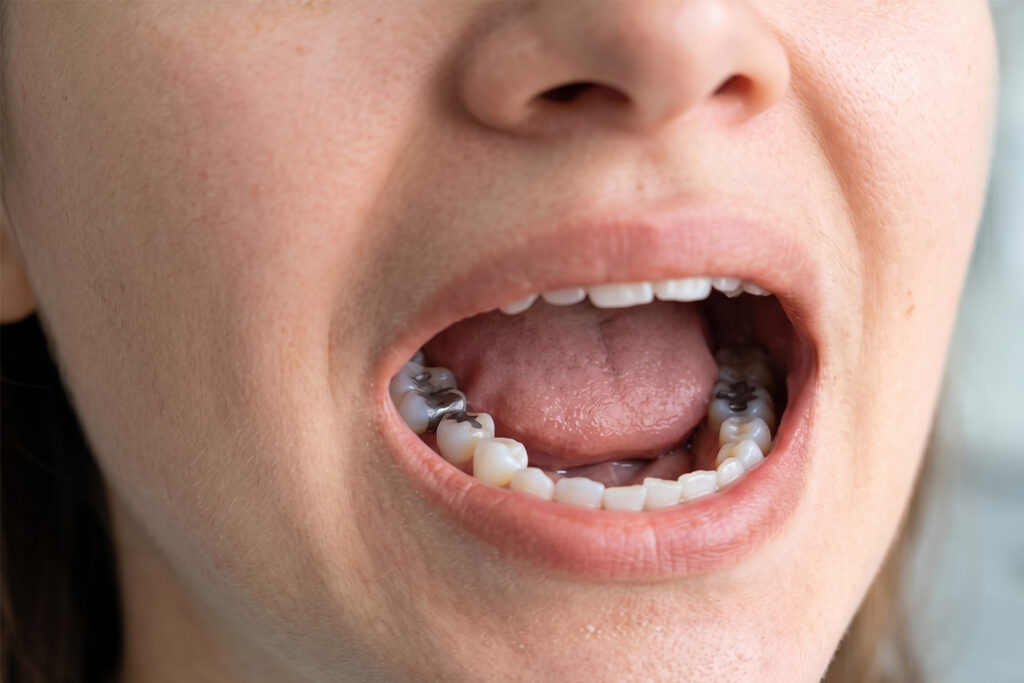
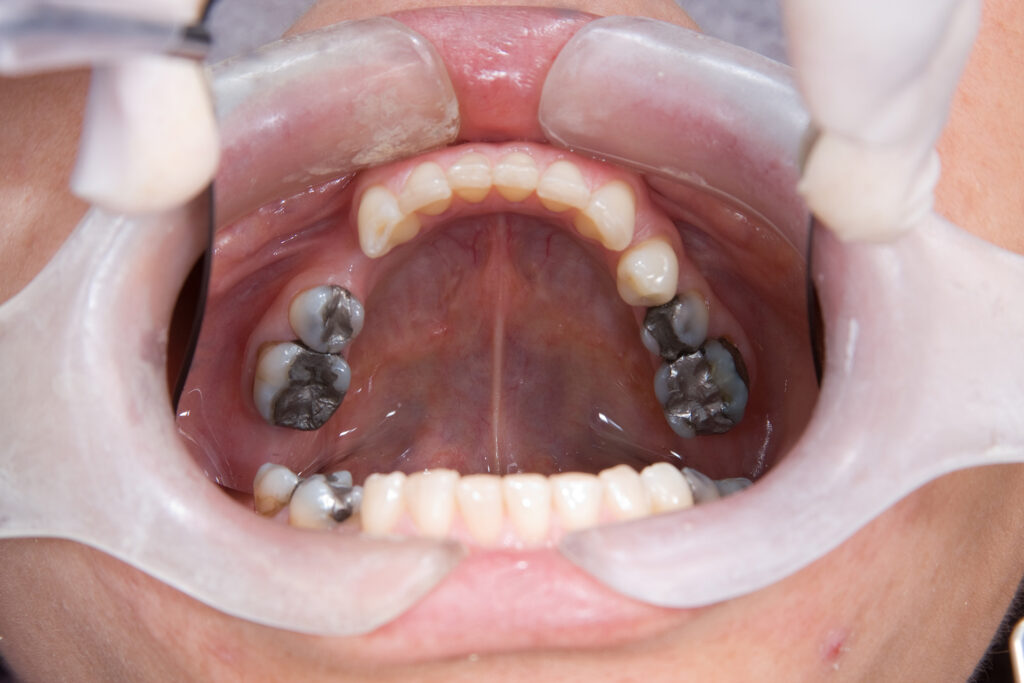
The main limitation is appearance. Amalgam is grey or silver and may become more visible when a person speaks or laughs. It can also darken the surrounding tooth structure over time. As it does not bond to the tooth in the same way as a resin composite, the tooth often needs to be shaped mechanically to hold the filling.
Amalgam fillings can also expand, contract, wear or crack over time. The tooth around the filling may weaken, especially when the filling is large. A filling that has served well for years can still need replacement if the edges open, the tooth cracks or decay develops underneath.
How to Care for Amalgam Fillings
Caring for amalgam fillings means keeping the tooth clean, reducing the risk of decay, and attending regular dental check-ups.
A filling repairs a damaged area, but it does not make the tooth immune to future decay. Brush twice daily with a fluoride toothpaste and clean between your teeth once daily. Pay attention to the edges of old fillings because plaque can collect there.
Limit frequent sugary snacks. Sugar feeds bacteria that produce acids, which can cause new decay around the filling margin. Drink water regularly, especially after meals, to help rinse away food particles.
Regular dental check-ups are important. Your dentist can check whether the filling is sealed, whether cracks are forming, and whether decay is starting at the edges. This is especially useful for older dental amalgam fillings, as damage may not be easy to see or feel at home.
If you grind your teeth, tell your dentist. Heavy bite forces can shorten the lifespan of fillings and may increase the risk of cracks in the tooth. A night guard may be recommended if grinding is affecting your bite or restorations.
When to See a Dentist
You should see a dentist if an amalgam filling becomes painful, rough, cracked, loose or is sensitive to temperature.
A dental review is needed if you feel pain when biting, notice a sharp edge, repeatedly trap food around the filling, or develop a sensitivity to hot, cold or sweet foods. A strange taste, bad breath from one area, visible cracks, dark spots or a filling that feels loose can also suggest leakage or decay.
An urgent appointment may be needed if part of the filling breaks, the tooth cracks, or the pain becomes severe. A broken filling can expose the tooth to bacteria and increase the risk of deeper decay or a nerve irritation.
Patients with older fillings may not need immediate filling replacements if the fillings are stable. A routine check can confirm whether the restoration is still protecting the tooth.
When Should Amalgam Fillings Be Replaced?
Replacing amalgam fillings is usually recommended when the filling has failed or the surrounding tooth is no longer healthy. Common reasons include cracks in the filling, cracks in the tooth, decay under or around the filling, poor fit, persistent sensitivity, repeated food trapping or a rough surface that cannot be polished safely.
A filling may also be replaced for aesthetic reasons, especially if it is visible when smiling or talking. In these cases, the dentist should first confirm that replacement is clinically sensible and that enough healthy tooth remains for a good result.
Amalgam filling removal should not be done casually if the filling is intact and there is no decay. The decision should balance appearance, symptoms, medical history, tooth structure and the risks of removing a functioning restoration.
What Happens During an Amalgam Filling Removal?
Amalgam filling removal involves isolating the tooth, carefully removing the old material, and restoring it with a suitable replacement filling.
- Before the dental treatment, the dentist examines the filling and may take an X-ray to check for decay, cracks or changes beneath the restoration.
- A local anaesthetic is usually used to keep the area comfortable.
- During the removal process, the dental team uses rubber dam isolation to reduce moisture and limit debris.
- The dental team follows a careful removal process for amalgam restorations to minimise exposure.
- The dentist removes the old amalgam in a controlled way, cleans the cavity and checks how much healthy tooth remains.
- High-volume suction and water cooling may be used to reduce the heat, remove particles and support comfort during the procedure.
The side effects of removing amalgam fillings are usually mild and temporary. Some patients notice sensitivity, gum soreness, a strange taste or tenderness after the appointment. These symptoms often settle within a few days. If pain persists, swelling develops, or the bite feels high, the dentist should review the tooth filling.
If the old filling was large, the tooth may need more than a simple replacement. A crown, inlay, or onlay may be recommended if there is not enough remaining tooth structure for a direct filling.
Replacement Options After an Amalgam Filling Removal
Replacement options after removal of an amalgam filling include resin composite fillings, ceramic fillings (inlays or onlays), zirconia, gold inlays, and crowns. Each restorative material has trade-offs in strength and cost.
- Composite resin (also called resin composite or composite restorations) is a tooth-coloured filling often used for small to medium cavities. It bonds and blends with the natural shade for a highly aesthetic result. It is commonly chosen when appearance matters, but it may not always be the strongest option for very large restorations on the back teeth.
- Ceramic inlays and onlays are custom-made restorations used when a larger portion of the tooth needs rebuilding. They are durable and aesthetic. Zirconia ceramic is highly durable and may be suitable for larger cavities or teeth exposed to heavier chewing forces.
- Gold inlays are less common today but remain a strong option in selected cases. Gold is biocompatible, long-lasting and gentle on opposing surfaces when well designed. It may be suitable for back teeth where strength and longevity are priorities and appearance is less important.
- Dental crowns may be needed when the tooth is heavily filled, cracked or weakened. The crown protects the remaining structure more fully than a direct filling.
Your dentist will recommend the option based on the size of the defect, bite forces, tooth location, appearance, cost and long-term prognosis.
How TEETH @ Tiong Bahru Can Help
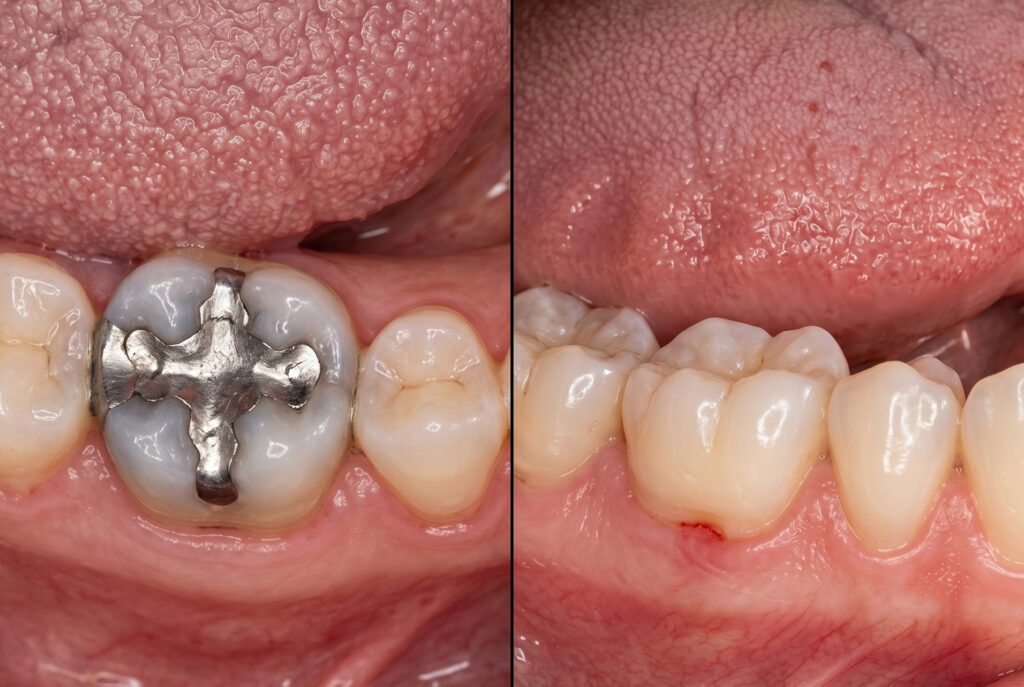
TEETH @ Tiong Bahru can assess your existing amalgam fillings, explain whether removal is needed and plan a safe, suitable replacement if treatment is required. Not every old amalgam filling needs replacement.
At TEETH @ Tiong Bahru, treatment planning focuses on preserving the healthy tooth structure wherever possible. If removal is needed, the dentist can discuss the steps involved, your expected comfort level, possible sensitivity after treatment and the best replacement material for your tooth.
If you are worried about the side effects of silver amalgam fillings or the appearance of an old filling, book a consultation at TEETH @ Tiong Bahru today.