What Is Root Canal Pain?
When people talk about root canal pain, they often mean two different things. The first is the pain that leads to root canal treatment, caused by inflamed or infected tooth pulp. The second is pain after a root canal procedure, which is usually milder and part of the healing process following the cleansing of the tooth pulp.
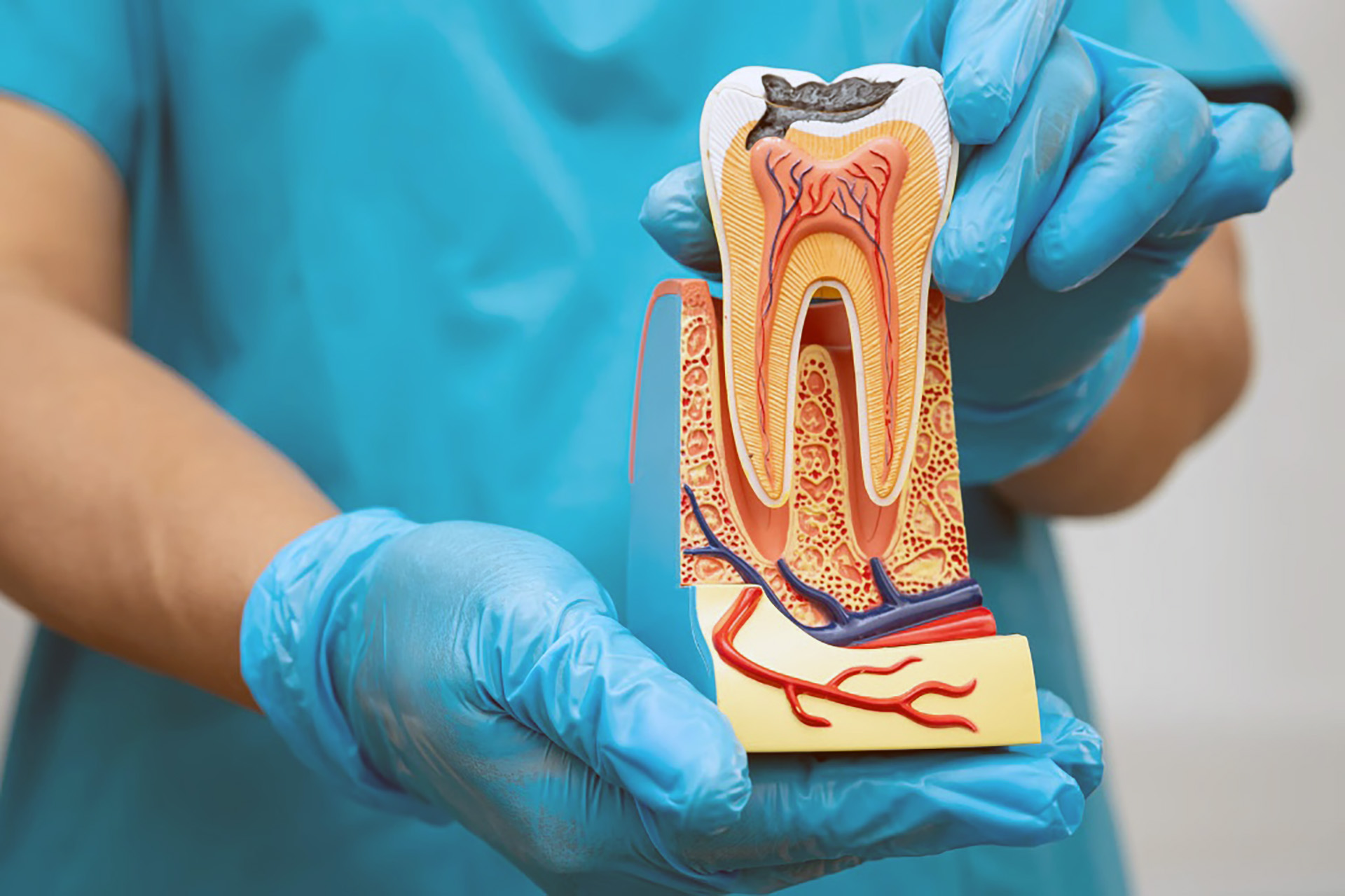
This distinction matters because the discomfort before care is often driven by a tooth infection or inflammation within the dental pulp, the soft inner tissue containing blood vessels, nerves, and connective tissue inside the tooth, whereas post-treatment discomfort is related to irritated tissues around the treated tooth settling down after root canal therapy.
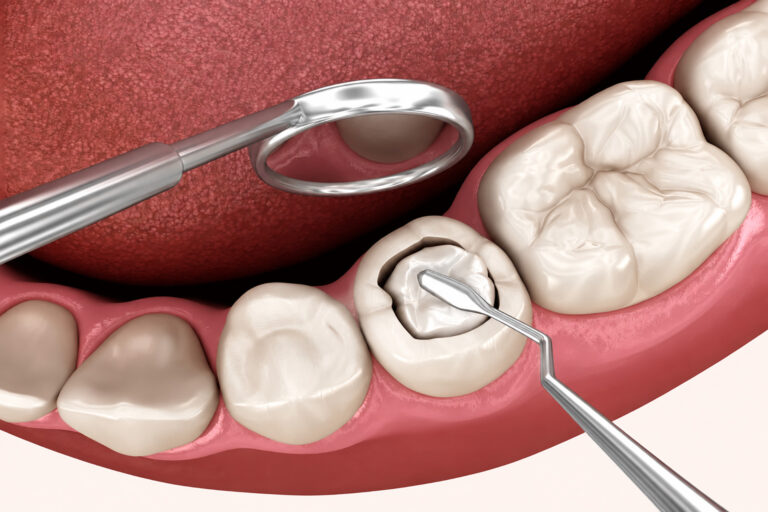
During a root canal procedure, a dental specialist will remove the infected pulp from inside the tooth, clean and seal the canals, and help preserve the natural tooth. Root canal therapy, also called endodontic treatment, uses modern technology and local anaesthesia to relieve severe pain rather than cause it. Contrary to popular belief, most patients find the root canal procedure much more manageable than they expected. So if you have root canal pain, the best thing to do is talk to your dentist about endodontic treatment. Do not let a fear of post-root canal pain dissuade you from getting the treatment you need.
Root Canal Pain Symptoms
Root canal pain symptoms can include lingering toothache, pain on biting, sensitivity to heat or cold, swelling, and a bad taste in the mouth.
Before the procedure, root canal tooth pain may feel persistent, throbbing, dull, or sharp. A severe toothache, or persistent tooth pain when eating or drinking hot or cold foods and drinks, can be a red flag for a dental pulp infection. Infected teeth can also cause swollen or tender gums, tooth discolouration, jaw ache, headaches, or a bad taste if the infection is draining from the area. Sometimes, there may be no sign until your dentist inspects your mouth and locates your root canal infection.
After a root canal procedure, discomfort is usually different. It is more often mild pain, tenderness when chewing, or a bruised feeling around the tooth. Some patients also notice that the jaw feels stiff or tired from keeping the mouth open during the procedure. If you have just finished your procedure and are wondering, “Is it normal to feel pain after root canal treatment?” the answer is most likely yes, as long as the mild discomfort is gradually improving.

When to See a Dentist
You should see a dentist if the pain after root canal treatment is severe, worsening, or not improving as expected.
Discomfort that eases day by day is usually reassuring. Severe pain that becomes more intense, lasts beyond the expected healing period, or is accompanied by swelling, fever, a bad taste, or a general feeling of unwellness should be checked promptly by your dentist or an endodontist. An uneven bite can also be important. If the treated tooth feels ‘high’ when you bite down, it may keep the surrounding area irritated and make recovery harder.
You should also seek a review if you have signs of a problem before care begins. Painkillers may temporarily dull discomfort, but they do not remove the infection inside the tooth. If left untreated, the problem can spread to nearby teeth and become harder to manage. A dentist can assess whether further treatment or referral to an endodontist is needed in complex cases.
Diagnosis
Diagnosis of root canal pain usually involves an examination, questions about your history, and dental X-rays.
Your dentist will ask what the discomfort feels like, how long it has been present, and whether it is triggered by biting, heat, cold, or pressure. They will examine the tooth and surrounding gums and may perform tests to determine whether the pulp is inflamed, infected, or non-vital (i.e., dead). Dental X-rays are often used to detect deep tooth decay, dental caries, dental abscesses, infections around the root, cracks, or other causes of discomfort. Identifying a fractured tooth early can help your general dentist decide whether a root canal procedure or tooth extraction is the more appropriate course of action.
This step matters because not all tooth pain requires the same level of care. Discomfort can overlap with signs from cracks, gum problems, bite trauma, or a previously treated tooth that has not healed properly. A thorough diagnosis helps separate normal healing from a complication that needs swift action.

Non-Surgical Management
Non-surgical management depends on whether the discomfort stems from an untreated infection or from normal healing after the root canal procedure.
If the tooth has not yet been treated and the pulp is infected or irreversibly inflamed, a root canal procedure is often the primary way to address the source of pain while helping to save the tooth and preserve its natural structure.
Endodontic treatment performed by a dental specialist removes the infected pulp, cleans the canals, and seals the tooth to protect oral health. This is the most direct answer for treating root canal pain when the infection is the source. It is not a quick fix as healing takes some time, but it is a reliable approach to managing severe pain and supporting the body’s long-term natural dentition.
Root canal pain relief is usually supportive. Mild discomfort can often be managed with the medication your dentist recommends, softer foods for a few days, and avoiding heavy chewing on the treated side, especially before a permanent filling or final root canal crown is placed. A temporary filling may be used between appointments if you are waiting to have a crown placed. Maintaining good oral hygiene remains important throughout recovery. Using a soft-bristle toothbrush can make cleaning more comfortable as the surrounding area settles.
Protecting the treated tooth also supports long-term oral health. Many teeth, especially back teeth like molars, need a crown or a filling to restore strength and seal the tooth. Avoiding delays in care can reduce the risk of leakage, lingering sensitivity, fractures, or recurring discomfort later on.
Surgical Options
Surgical options are only needed in selected cases where discomfort continues because the tooth has not healed as expected. If infection persists after a previous root canal procedure, your dentist may discuss retreatment or referral to an endodontist for endodontic surgery. This is more likely when there are hidden canals, cracks, recurrent infection, or other issues that cannot be managed with simple observation. In complex cases involving a fractured tooth or severe decay, there is no quick fix. If the tooth cannot be predictably saved, tooth extraction may be considered to protect oral health and nearby teeth.
Risks and Recovery
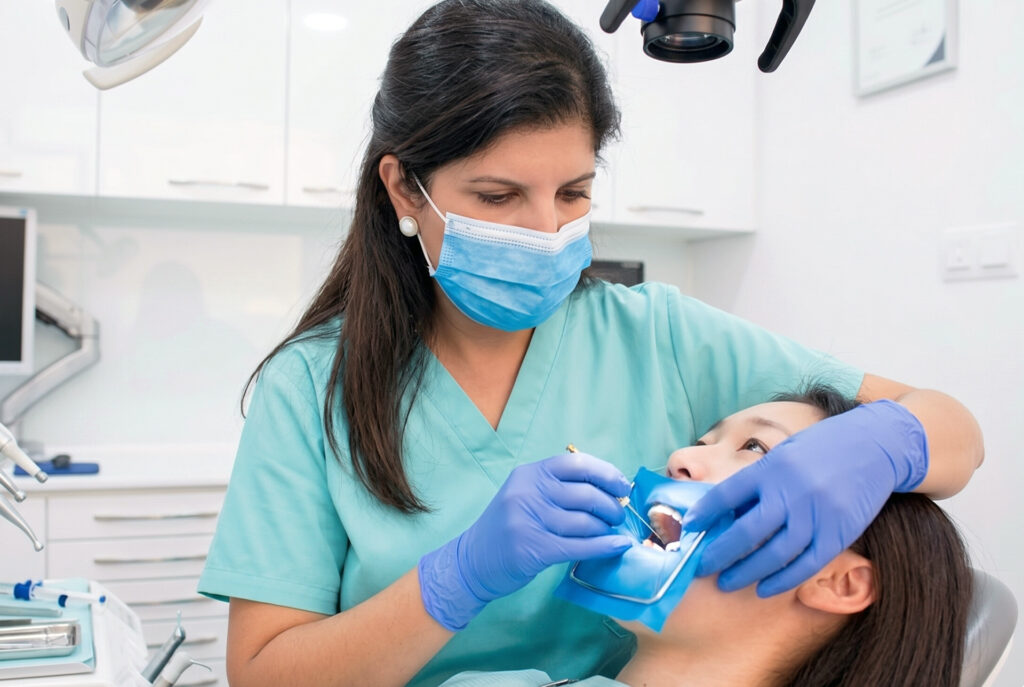
Recovery after a root canal procedure is usually straightforward, but severe pain after a root canal is not something to ignore.
In most cases, discomfort after a root canal procedure improves over a few days as the body responds. The tissues around the root may still be inflamed from the original infection, so some tenderness on biting is expected early on. Each day should generally feel a little better. If, instead, the discomfort becomes sharper, more constant, or is accompanied by swelling or fever, a follow-up with your dentist is sensible.
Mild pain after a root canal is not always a red flag, but it does require active monitoring to manage discomfort and support long-term oral health. The main risks associated with ongoing discomfort include a persistent infection, a fractured tooth or cracks, a bite that needs adjustment, or failure to properly restore the tooth afterwards. Both routine dental care and proper care during recovery matter.
How TEETH @ Tiong Bahru Can Help
TEETH @ Tiong Bahru can help by identifying the true source of root canal pain and guiding care based on whether the tooth requires urgent attention, routine healing support, or a review for complications.
At TEETH @ Tiong Bahru, root canal pain management starts with a clear diagnosis. From there, care may involve treating an infected tooth, adjusting the bite, protecting the tooth with a filling or suitable restoration to support long-term oral health, or reviewing persistent tooth pain before it becomes more serious. The aim is not only to provide short-term relief from root canal pain, but also to help the tooth heal well and function comfortably for lasting oral health.
For patients in the Tiong Bahru Market area and the surrounding neighbourhood, TEETH @ Tiong Bahru is a great spot to address your root canal pain. A careful assessment in our clinic can show whether the problem is a tooth infection, expected healing, a high bite, a dental abscess, a fractured tooth, or a previously treated tooth that needs further treatment.
If you have root canal pain, call us today at TEETH @ Tiong Bahru to take the first steps towards pain-free teeth.