
Swollen Gum around the Wisdom Tooth
A swollen gum near a wisdom tooth is one of the most common dental problems among young adults and working professionals in Singapore. When a wisdom tooth starts to erupt, it often pushes through partially, leaving a flap of gum tissue that traps food particles and bacteria. This can lead to pain, gum inflammation and even bacterial infection if not treated promptly.
Mild swelling may resolve with good oral hygiene, but severe cases can develop into abscesses or spread to the surrounding gum tissue. Understanding why your gums swell over a growing wisdom tooth helps you seek timely treatment to prevent complications.
Why Wisdom Teeth Cause Gum Swelling
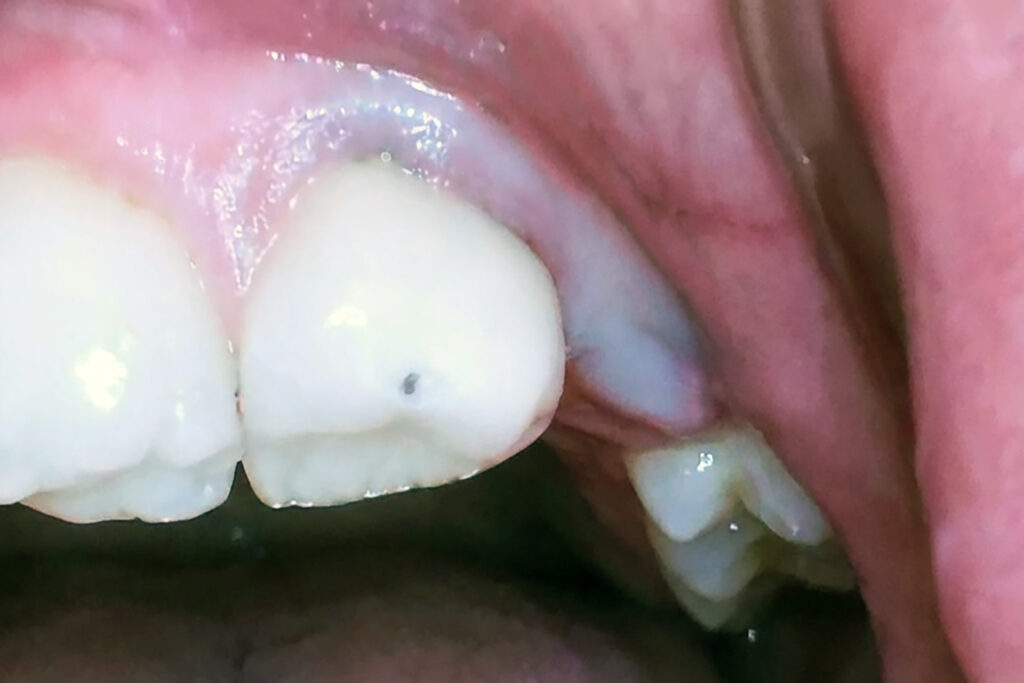
Wisdom teeth or third molars are the last to erupt, usually between the ages of 17 and 25. Since most adult jaws have limited space, these teeth often erupt at an angle or become partially trapped beneath the gum. An erupting tooth can cause inflammation and gum swelling in the surrounding gum tissue.
When this happens, a small pocket of gum tissue called an operculum may form over the tooth when wisdom teeth partially erupt. This pocket collects food particles and bacteria, creating the perfect environment for infection and inflammation. Excess gum tissue can trap bacteria and debris, increasing the risk of infection.
The result is a swollen gum over a wisdom tooth, often tender to the touch and sometimes with pus or bad breath. If left untreated, a swollen wisdom tooth can progress from mild irritation to an acute infection that affects both the soft tissue and the bone around the tooth. Untreated pericoronitis, the medical term for an inflamed gum near an erupting tooth, can lead to abscess formation, a painful pocket of pus that may require minor oral surgery or more invasive treatment.
Those with impacted wisdom teeth are more prone to swollen gums, as the misalignment makes cleaning difficult. Good oral hygiene is crucial in Singapore’s humid climate, where bacteria thrive, and diets can be rich in starch and sugar.

Symptoms of Swollen Gums near a Wisdom Tooth
Pericoronitis is the inflammation and infection of the gum tissue around a partially erupted tooth, most commonly a wisdom tooth.
Pericoronitis symptoms vary depending on severity, but the most common symptoms of pericoronitis and signs of a swollen gum near a wisdom tooth are:
- Redness and visible swelling at the back of the mouth in the affected area
- Swollen gum wisdom tooth pain that radiates to the ear or jaw
- Difficulty opening the mouth
- Unpleasant taste or bad taste from trapped bacteria and trapped food
- Localised bleeding when brushing or flossing
As inflammation worsens, patients may find that swollen gum wisdom tooth pain becomes more persistent, especially when chewing or cleaning. You may also notice swollen lymph nodes or a low-grade fever if infection develops. Pain from pericoronitis can radiate to nearby areas, the jaw, ear and throat. Additionally, if left untreated, chronic swelling can stem from recurring pericoronitis, which requires professional dental care to prevent long-term damage and oral health issues.
Common Causes and Risk Factors
A swollen gum around a wisdom tooth develops when the balance between bacterial growth and the body’s defences is disrupted. Common causes include:
- Partial eruption: When only part of the tooth breaks through the gum, partially erupted wisdom teeth can trap food particles and debris, increasing the risk of infection.
- Poor oral hygiene: Difficulty reaching the lower wisdom teeth allows plaque and bacteria to accumulate.
- Impaction: An impacted wisdom tooth pressing against adjacent teeth and molars irritates surrounding tissue, creating a space where bacteria and debris collect, leading to gum swelling and infection.
- Stress or lowered immunity: The body’s reduced ability to fight infection can worsen inflammation.
Patients often delay seeking treatment for swollen gums, thinking it’s just wisdom tooth discomfort. However, persistent swelling can lead to an infection that spreads beyond the mouth, especially if bacteria enter the bloodstream.
How to Treat Swollen Gums near a Wisdom Tooth
There is a range of treatment options available to cure swollen gums around wisdom teeth, but the best option is to visit your dental professional so they can address the issue with their expertise. Proper treatment of swollen gums near a wisdom tooth requires professional assessment.
For mild inflammation, rinsing with warm salt water, using half a teaspoon of salt in a glass of warm salt water, several times a day, can help reduce swelling and flush out trapped food debris and provide temporary relief. Saltwater rinses and an antibacterial mouthwash, such as chlorhexidine, are effective in reducing inflammation. Gentle brushing is also essential.

Over-the-counter pain relief like ibuprofen can help control discomfort and reduce inflammation. However, if you are looking for a remedy for a swollen wisdom tooth, visit your dentist for proper support. Pericoronitis treatment is often necessary to address infection and swelling in the area around the wisdom tooth and the gums. The treatment approach will depend on the symptom severity and whether an infection is present.
If infection is present, your dentist may prescribe antibiotics and do a thorough cleaning of the swollen gums and wisdom tooth area. In some cases, irrigation is used to remove debris under the gum flap.
Proper dental care is essential to prevent further infection. When swelling recurs or the affected wisdom tooth is impacted, minor surgery may be necessary to remove the overlying gum flap or extract the tooth entirely. Dentists often treat swollen gums pericoronitis with antibiotics, especially if an infection is present.
At TEETH @ Tiong Bahru, dentists use digital dental X-rays and advanced imaging to assess the tooth’s position and determine if a simple cleaning, gum flap removal or extraction is the best solution in your treatment plan. The goal is always to preserve healthy tissue while resolving infection and preventing recurrence.
Complications of Untreated Infection
If pericoronitis is left untreated, the infection can quickly spread and lead to serious complications. One of the first signs of a worsening infection is the development of swollen lymph nodes and jaw spasms, which can make it difficult to open your mouth. In severe cases, the disease can spread beyond the gum tissue, forming a painful abscess that requires immediate attention.
Untreated pericoronitis can also damage adjacent teeth and the surrounding bone, increasing the risk of long-term oral health problems and gum disease. To avoid these severe cases and further complications, you need to seek timely treatment from a dental professional. A proper diagnosis and treatment plan can manage the infection, prevent further spread and protect your overall oral health.
When to See a Dentist
If your gum is swollen over your wisdom tooth and you experience throbbing, severe pain, difficulty swallowing or severe swelling spreading to your cheek or neck, you need to seek urgent dental care.
Dentists in Singapore manage these complications efficiently. Digital X-rays are used to diagnose impacted or infected wisdom teeth and plan the best course of treatment.
Clinics like TEETH @ Tiong Bahru prioritise minimally invasive, gentle, and efficient treatment and ensure patients are comfortable throughout. Delaying treatment not only prolongs pain but can also affect nearby molars, leading to additional problems such as decay or shifting tooth alignment, and may require wisdom tooth removal in persistent or severe cases, as well as swollen gums.
Recovery and Aftercare
Recovery from swollen gums due to a wisdom tooth extraction varies depending on the treatment. After cleaning or gum flap removal, patients usually feel better within a few days and experience temporary relief from further discomfort. If extraction is necessary, mild swelling or tenderness may take up to a week to subside.
To aid healing and reduce swelling, dentists recommend:
- Rinse gently with salt water after 24 hours
- Avoiding smoking or alcohol, which can slow recovery
- Eating soft foods and staying hydrated
- Keeping up with gentle oral hygiene to prevent reinfection
Follow-up visits ensure the affected area heals properly and nearby teeth are not affected. In cases involving complex oral surgery, such as the removal of impacted wisdom teeth or the treatment of complications, follow-up with an oral and maxillofacial surgeon may be necessary to monitor healing, especially when food-stuck issues persist.
Preventing Swollen Gums Around Wisdom Teeth
Preventing a swollen gum over a wisdom tooth starts with excellent oral hygiene. Brushing twice a day and using floss or interdental brushes help remove plaque from hard-to-reach areas. Pay careful attention to the back of your mouth, where the wisdom tooth is more likely to catch food particles and debris.
Scheduling regular check-ups every 6 months with your dentist allows dentists to monitor wisdom tooth development and identify early signs of impaction or infection. Many young adults in Singapore choose to have wisdom teeth removed proactively before national service or university abroad to avoid future complications. Home remedies like warm saltwater rinses can provide temporary relief but are not a substitute for professional dental care.
Why TEETH @ Tiong Bahru
At TEETH @ Tiong Bahru, your comfort and safety are always our top priority. The clinic’s team of experienced dentists combines clinical precision with modern technology to offer customised treatment options for wisdom tooth problems from mild gum inflammation to complex surgical removal.
Whether you’re dealing with a swollen wisdom tooth or considering extraction for long-term relief, you can expect clear communication, transparent costs, and treatment tailored to your needs.
If you are wondering how to treat swollen gums around a wisdom tooth safely, don’t wait for it to get worse. Contact TEETH @ Tiong Bahru for an assessment and treatment today. We’ll guide you through your options, manage your pain and get you back to good oral health.