Teeth whitening in Singapore is a safe cosmetic treatment that uses peroxide-based gels, typically hydrogen peroxide or carbamide peroxide, to remove surface stains from the enamel, making your teeth look brighter and cleaner. Teeth whitening can be done in a clinic for a faster, more immediate change, or at home with custom trays for a more gradual result that many patients find gentler.
Teeth whitening is effective for common stains caused by ageing, coffee, tea, and smoking. As with any cosmetic dentistry treatment, results are not permanent. How long teeth whitening lasts depends on your habits and maintenance, including regular professional cleanings and sensible at-home stain control.
In plain terms, teeth whitening is a controlled use of teeth-whitening bleach. Teeth whitening uses a whitening gel that releases oxygen to break up stains. The most common side effect is temporary tooth sensitivity, which usually resolves quickly and can be managed with proper pacing and aftercare.
How Teeth Whitening Works
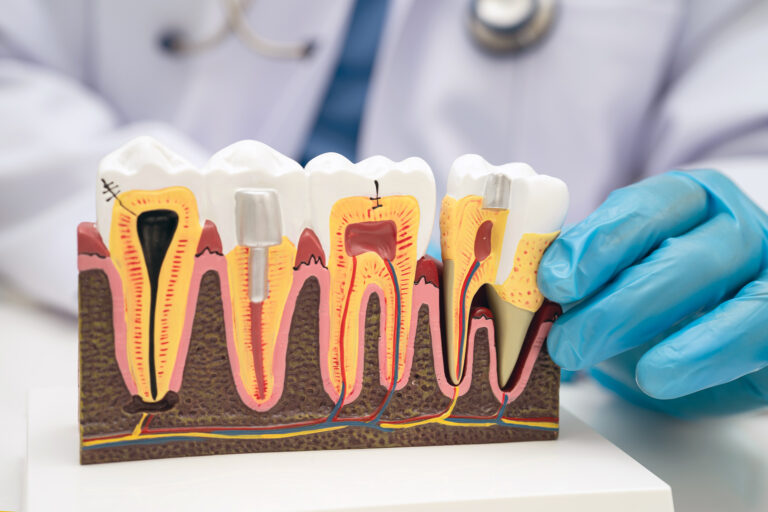
Your teeth are semi-permeable, meaning bleaching agents (hydrogen peroxide or carbamide peroxide) can penetrate beyond the surface into the tooth enamel. Once inside, these agents oxidise chromogenic molecules (the compounds that cause staining). The molecules are converted into water and oxygen, which are harmless to your body. This chemical reaction is what makes in-office teeth whitening treatments and take-home whitening kits effective.
Two Types of Stains
Most people have a mix of surface stains and a deeper colour change.
- Extrinsic stains occur on the outer surface of the tooth (the enamel). Enamel is porous and exposed to everything you consume and inhale. These extrinsic stains are common and are caused by foods and drinks that contain staining agents, such as coffee, tea, and red wine, as well as by smoking or vaping.
- Intrinsic stains occur in the inner layer of the tooth (the dentin). Tooth discolouration is more severe and can appear brown or greyish. These tooth stains are harder to remove with over-the-counter products because the stain particles are embedded within the tooth structure. Intrinsic stains can be caused by certain medications (like antihistamines and antibiotics), injuries to the tooth, overexposure to fluoride, genetics, tooth decay, or root canal treatment.
Teeth whitening only changes the natural tooth structure. It does not lighten crowns, veneers, or fillings. If you have visible restorations, a common plan is to whiten the teeth first, then match any future dental work to the new shade. Whitening also does not treat cavities or gum disease. If the tooth is dark due to decay, a crack, or gum recession that exposes the root, whitening is not the first step.
Why Do Teeth Stain So Easily
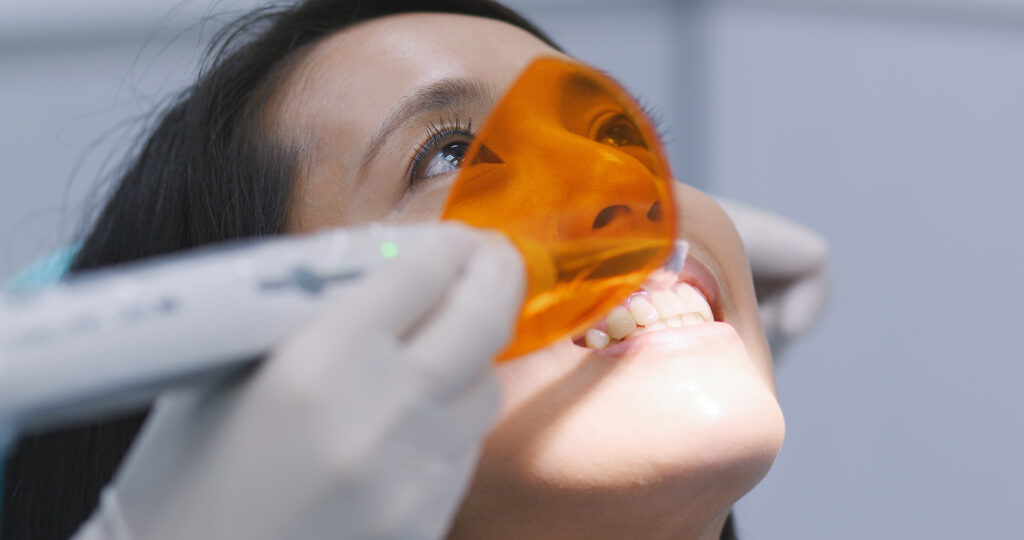
Surface stains build when pigments cling to enamel and plaque. In Singapore, the usual culprits are kopi, teh, wine, curry, soy sauce and smoking. If you have missed a cleaning or two, stains settle faster because tartar acts like a rough surface that holds colour.
Deeper tooth discolouration can result from trauma, prior infections, and natural ageing. As we age, enamel wears down, exposing dentin, which becomes yellower. In addition, dentin (the tooth’s inner, yellowish layer) becomes denser over time. This makes teeth appear more discoloured.
Dry mouth can be worse. Air-conditioned offices, mouth-breathing, dehydration, and certain medications reduce saliva, which normally helps wash away acids and pigments.
This is why stains are not uniform. A good teeth-whitening dentist in Singapore first assesses the cause, as it affects both results and comfort.
Is Professional Teeth Whitening Safe?
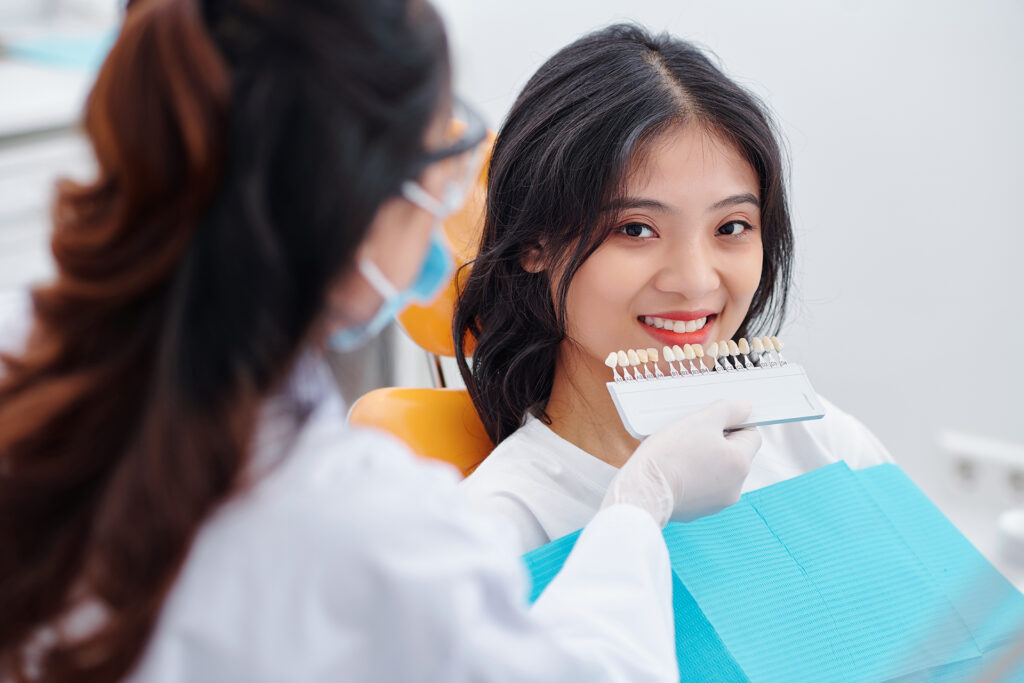
When supervised by a dentist, professional teeth whitening is widely considered safe. Safety comes from the assessment and protection around the whitening gel, not just from the brand.
Before whitening, your dentist checks for cavities, gum inflammation, exposed roots, and cracked enamel. Whitening gel can irritate sensitive teeth and may lead to patchy results if left on plaque or around leaky fillings.
In Singapore, it is also prudent to exercise caution when purchasing strong gels online. The Health Sciences Authority (HSA) notes that consumer teeth-whitening products should contain no more than 0.1% hydrogen peroxide, and stronger products should be used only by, or supplied through, registered dentists. The Ministry of Health has also cautioned the public about tooth whitening by non-dental professionals.
If you are pregnant, breastfeeding, or have active gum disease, many dentists will advise you to postpone whitening until your mouth is stable. It is not about scaring you. It is about timing the teeth whitening treatment for the best experience. choices, such as drinking coffee, tea or red wine, and consuming foods with strong pigments. Tobacco use, whether through smoking or chewing, is another major contributor to extrinsic stains.
Poor oral hygiene, including inadequate brushing and flossing, can lead to the build-up of plaque and tartar, which further discolours the teeth. In some cases, medications taken during tooth development, such as antibiotics like tetracycline, can cause extrinsic discolouration. Maintaining good oral hygiene and being mindful of your diet can help minimise the risk of extrinsic stains and keep your smile looking its best.
Who Is a Good Candidate for Teeth Whitening?
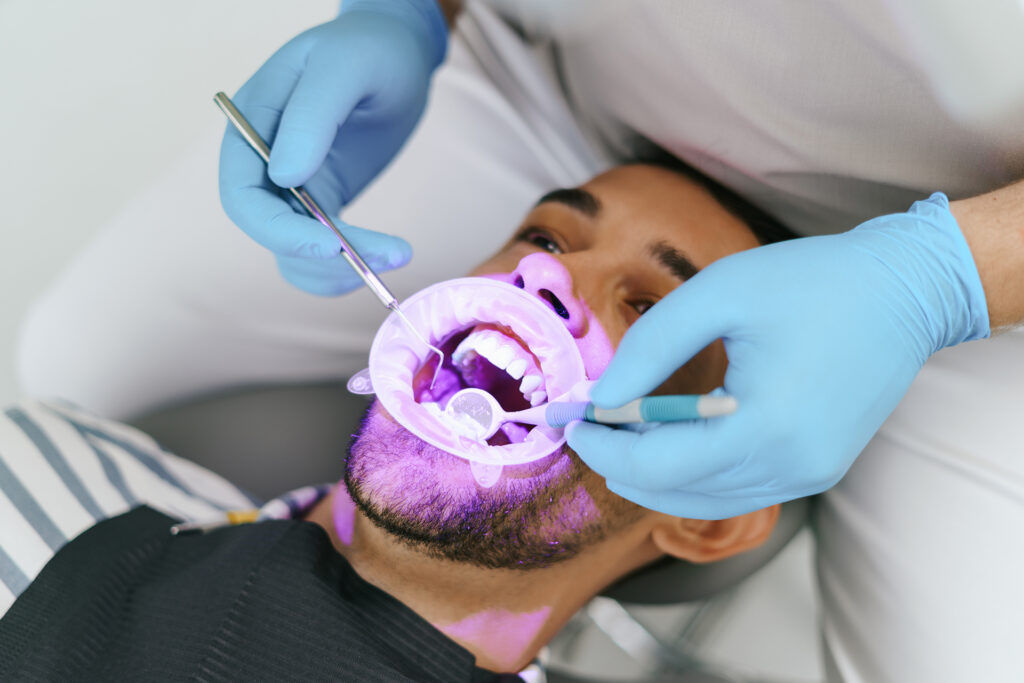
Most adults with healthy teeth and gums are suitable candidates, especially if the main issue is yellowing or lifestyle staining. We usually recommend postponing whitening if you have untreated cavities, gum disease, significant recession, or very sensitive teeth until those problems are stabilised. If you are under 18, pregnant, or breastfeeding, it is worth discussing timing with your dentist, as the priority is always oral hygiene and comfort first. A quick check also helps you avoid whitening ‘over’ a problem that actually needs a filling or gum treatment.
Your Natural Tooth Colour
Although teeth whitening treatments can brighten your teeth by up to 8 shades, the natural colour of your teeth is actually inherent. While these treatments brighten the surface of your teeth, you may sometimes notice a yellowish tint remains because the inner layer of your teeth (dentin) is naturally yellow. Essentially, what teeth whitening treatments do is to remove stains and help you go back to your naturally coloured teeth as much as possible, whatever that shade may be. Genetics play a role in determining how white your teeth can ultimately become.
A good gauge is to compare the colour of your teeth to the whites of your eyes. The colour of your teeth should not be brighter than the whites of your eyes.
Types of Teeth Whitening Treatments in Singapore
When people compare the best teeth-whitening clinics in Singapore, they usually choose between three approaches.
| Type of Treatment | About Treatment Type |
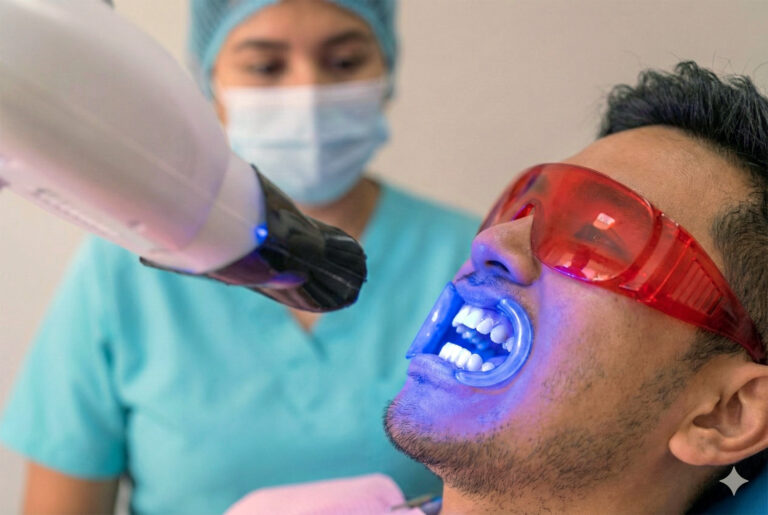
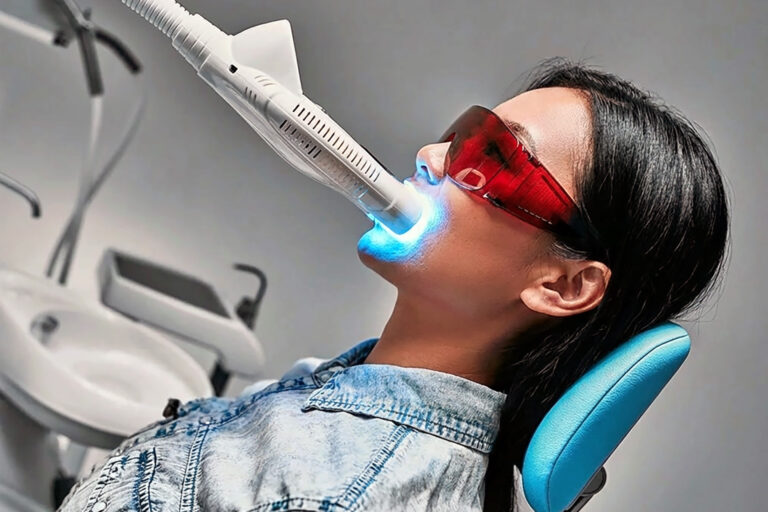
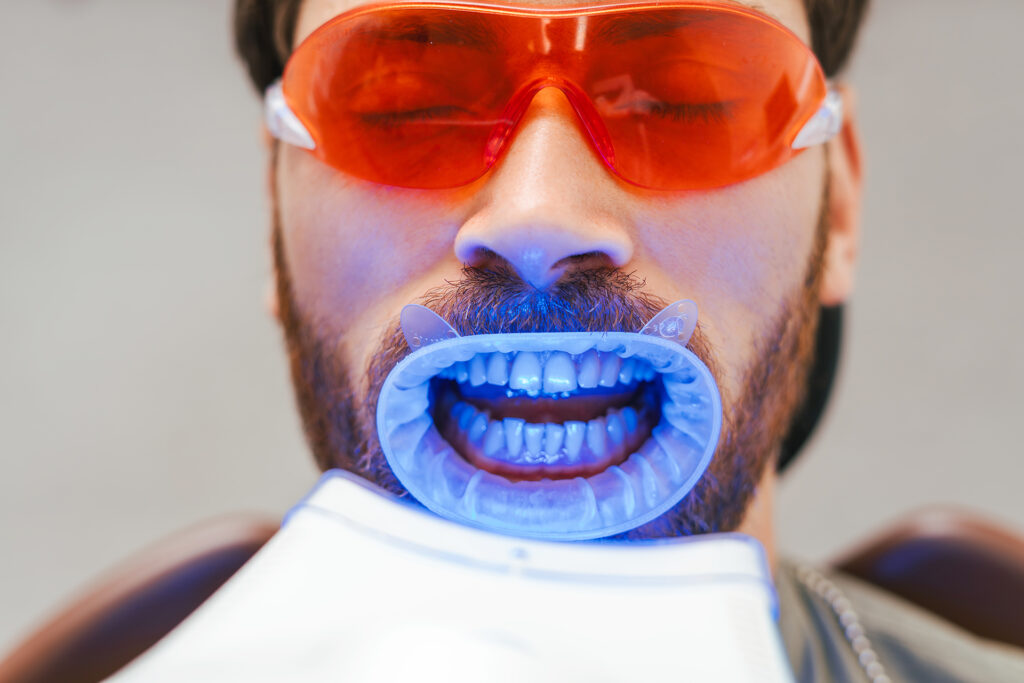
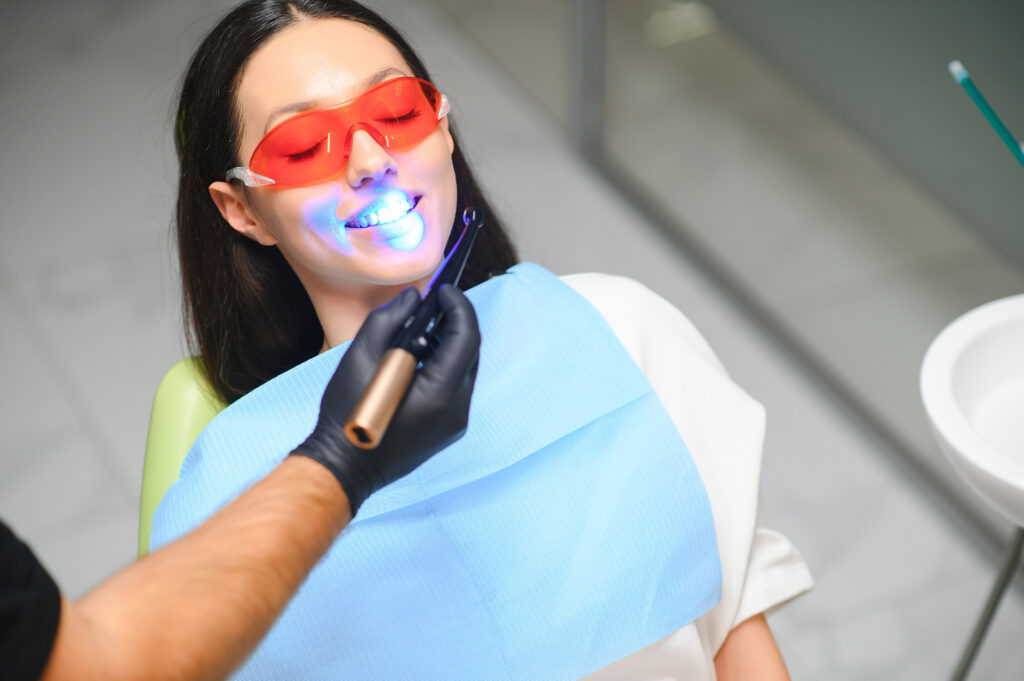
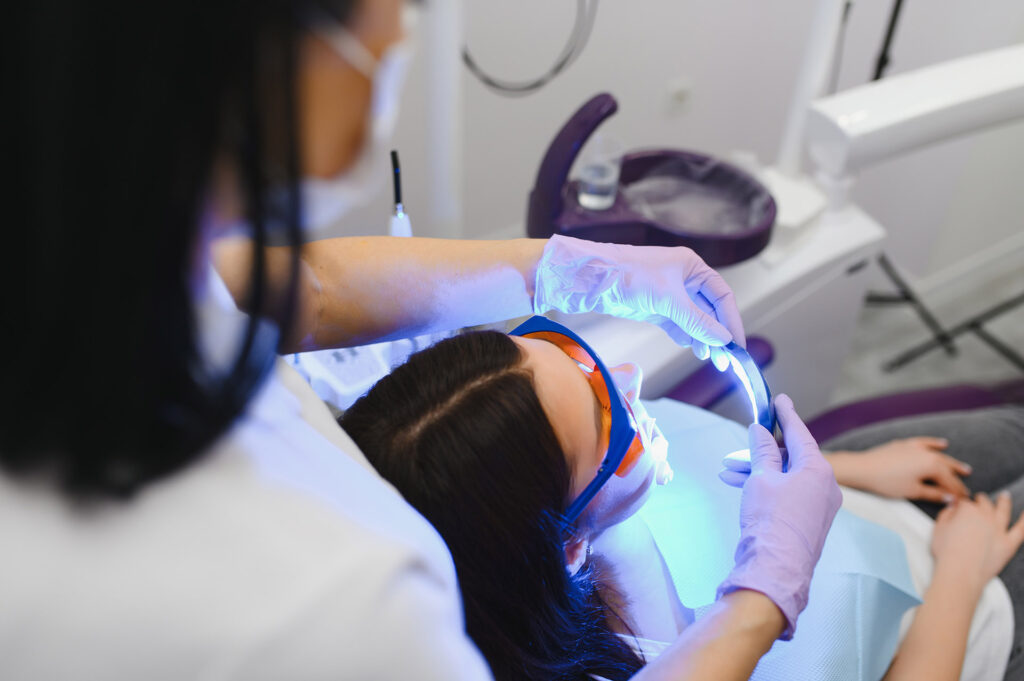
| In-clinic LED teeth whitening gives the fastest results. | It uses professionally applied gel, careful gum protection, and a controlled protocol. It is popular before weddings and important events. Some systems use LED light or laser technology to activate whitening agents applied to your teeth, accelerating the bleaching process and brightening teeth by several shades in just one 30-minute visit. |
| Dentist-supervised take-home kits work gradually. | You wear custom trays for short periods over days or weeks, using a professional gel prescribed for you. Many patients find this approach gentler if you know they suffer from tooth sensitivity. |
| Over-the-counter products for mild stains. | Are generally best for mild stains or maintenance, not dramatic shade changes. They can help, but expectations should be realistic. |
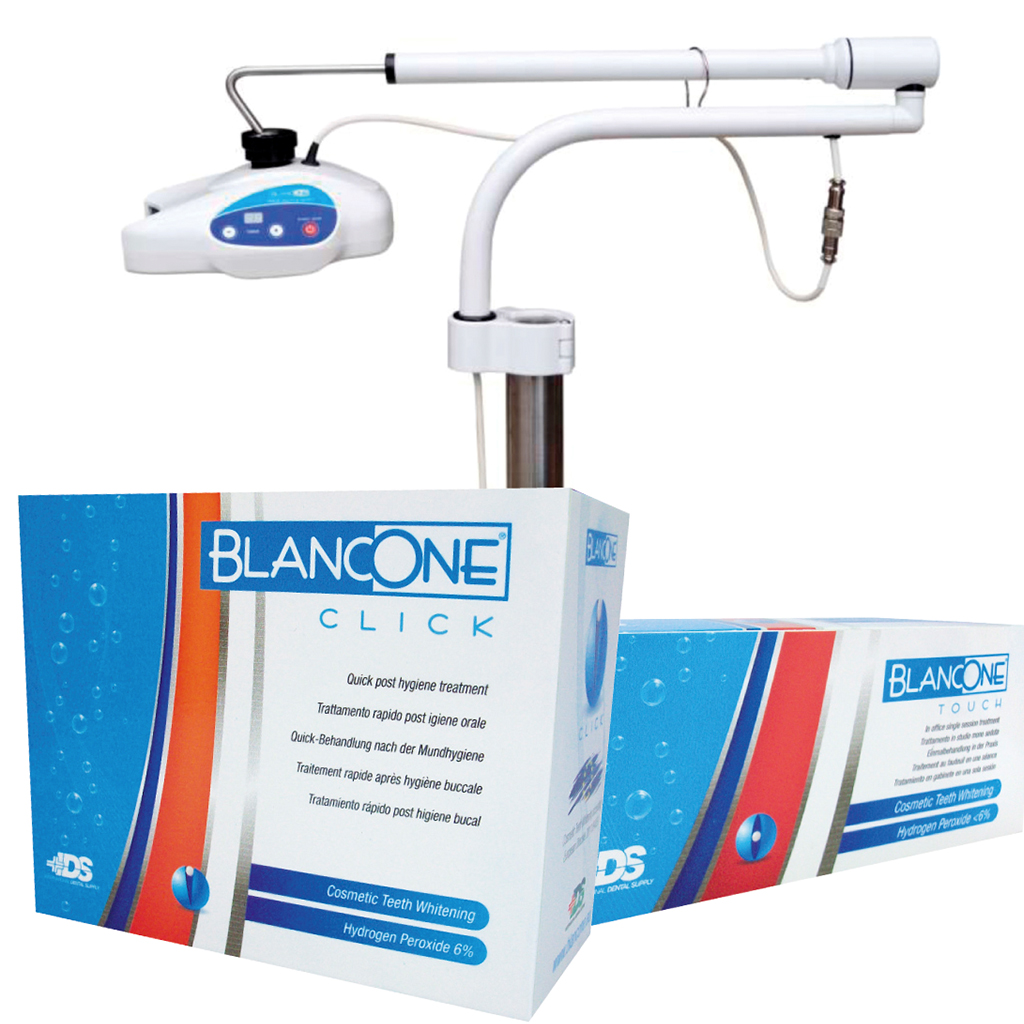
TEETH @ Tiong Bahru is proud to be a BlancOne Gold Authorised Centre in Singapore.
Teeth Whitening at TEETH @ Tiong Bahru
At TEETH @ Tiong Bahru, we offer two in-clinic, chairside teeth whitening options and one dentist-supervised take-home option. The best teeth-whitening option in Singapore depends on your starting shade, how quickly you want results, and how sensitive your teeth are.
We begin all teeth-whitening treatments with a full dental scaling and polishing. Scaling removes plaque, tartar buildup, and deep stains. Polishing smooths the tooth surface and enhances brightness. This step ensures your teeth-whitening treatment has optimal results, as the whitening gel can make direct contact with clean enamel rather than sitting on plaque buildup.
- BlancOne Click (10 minutes) is a quick brightening option that can be combined with a professional clean in the same visit.
- BlancOne Ultra (30 minutes) is designed for a stronger shade change in a single appointment, with a protocol focused on comfort and natural-looking results.
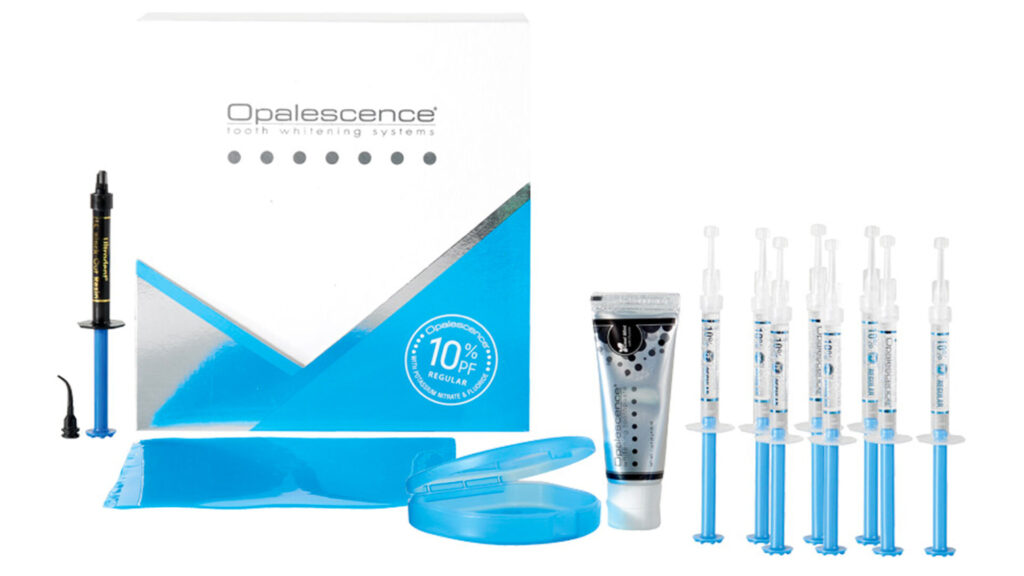
- Opalescence take-home whitening includes custom trays, so the whitening gel sits where it should, typically leading to fewer sore gums and more even whitening.
In-Office Whitening vs Take-Home Kits
If you want a quick result for an event, in-office teeth whitening usually delivers the most immediate change. It is also easier if you know you will not stick to a take-home routine. If you prefer a gradual change or have a history of sensitive teeth, take-home whitening kits may be a better fit. You can reduce wear time, use the smallest effective amount of the whitening gel, and pause if needed. A consultation helps because the right option for you may not always be the most expensive one. It is the one that suits your teeth.
Teeth Whitening Costs in Singapore
How much does teeth whitening cost in Singapore? Do teeth whitening costs vary? Teeth whitening varies widely because the methods, gel strength, and levels of supervision differ. A useful way to compare is to look at what the fee includes: proper gum protection, custom trays where relevant, and guidance for sensitivity.
Here are the current whitening fees at TEETH @ Tiong Bahru (before GST):
| Teeth whitening treatment | Cost (before GST) | Best for |
| BlancOne Click in-office teeth whitening (10 minutes) | S$475 | Quick brightening, often combined with cleaning |
| BlancOne Ultra in-office whitening (30 minutes) | S$875 | Stronger in clinic whitening with a gentle protocol |
| Opalescence take-home whitening kits, incl. custom trays (6 weeks) | S$550 | Gradual whitening at home with dentist supervision |
If you are comparing teeth-whitening prices online in Singapore, check whether the quotes include GST, whether a first cleaning is included, and whether custom trays are included. Those details can significantly affect the actual ‘dental teeth whitening cost Singapore’ more than most people expect. When patients ask about affordable teeth whitening in Singapore, we also discuss longevity, because a cheaper method that fades quickly can cost more in the long run. For beautiful teeth whitening results in Singapore, proper assessment and treatment planning are essential.
Over-the-Counter Kits and DIY
Pharmacy strips and gels can improve mild surface stains. Whitening toothpastes can polish away some external discolouration, but they do not change the tooth’s internal shade. They may contain components that gently remove surface stains or chemicals that help break down stains. However, their efficacy remains hotly debated.
Whitening toothpastes can only remove superficial stains and cannot lighten the shade of your teeth. Results are also short-lived. Furthermore, some toothpastes can be abrasive and might damage the tooth surface over time. Avoid toothpastes that are gritty, contain salt, or contain large particles, as they can be highly abrasive and permanently thin the enamel layer.
Be careful with aggressive DIY methods, such as scrubbing with charcoal or baking soda. They may look trendy, but abrasion can wear down enamel and make teeth appear more yellow over time.
Online kits that promise dramatic results often use a higher-peroxide concentration. The HSA has warned about the risks of pain and injury from online DIY whitening kits. Even if the bleaching gel is weak, a generic tray can leak onto the gums, causing irritation. Non-customised trays can also cause leakage of whitening gels, which can burn gums and, if used for prolonged periods, cause permanent damage.
If you want a safe, affordable teeth-whitening approach in Singapore, dentist-supervised take-home whitening often sits in the sweet spot: professional-strength gel used gradually and predictably.
What Happens During a Whitening Appointment
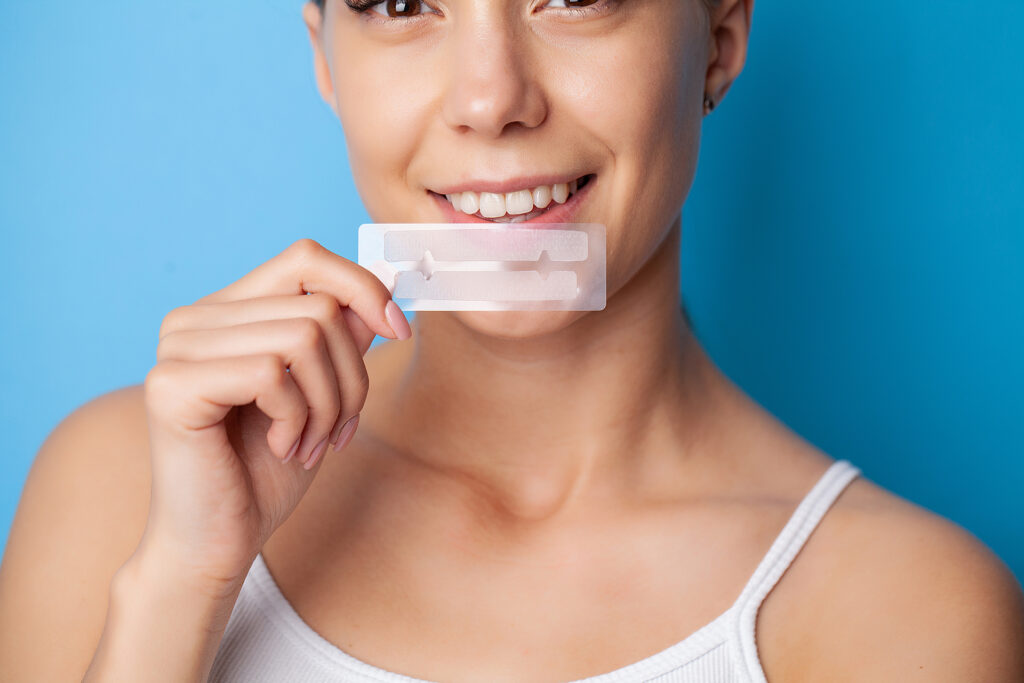
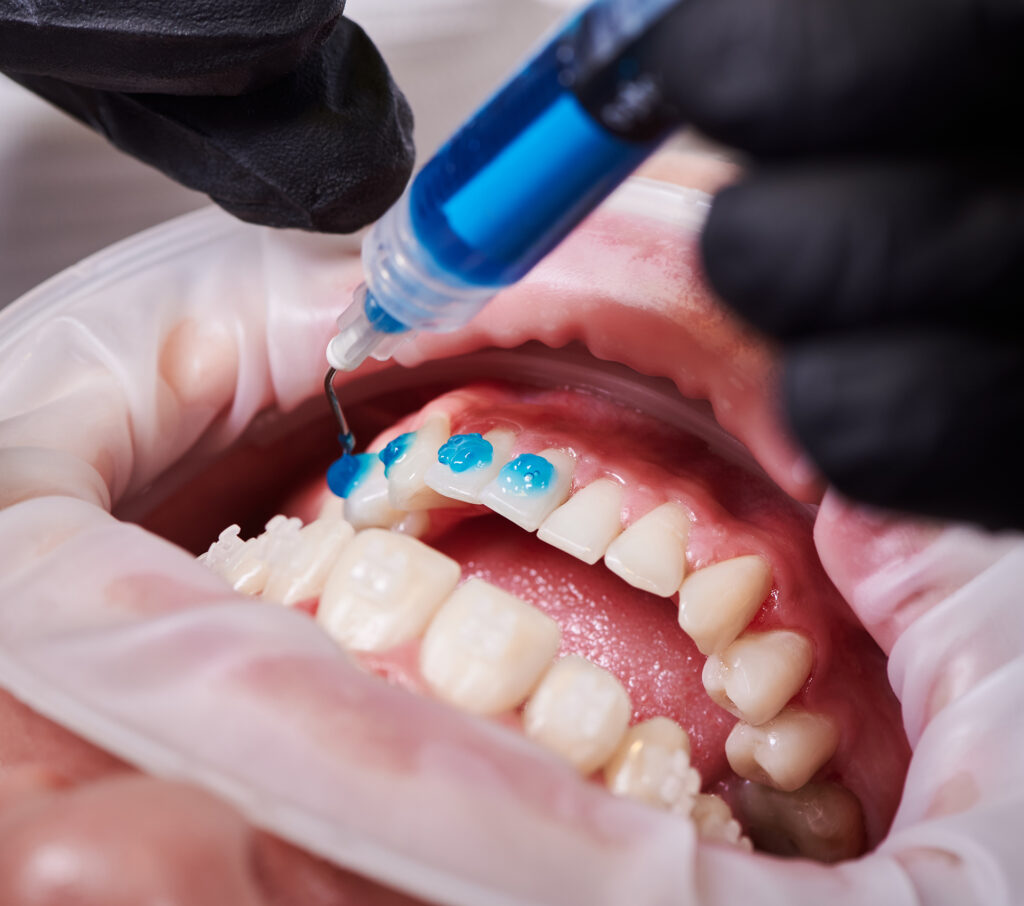
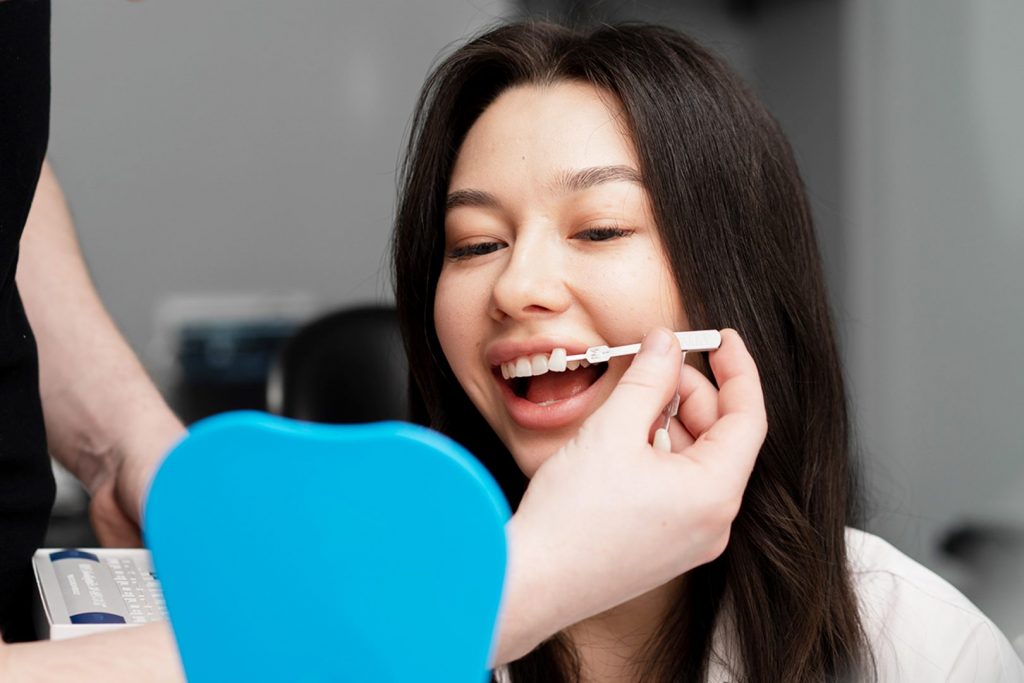
We record your starting shade using a dental colour shade guide, check your teeth and gums, and confirm if you have any concerns and that your teeth are suitable for the procedure. For example, if you have tooth decay or gum inflammation, we treat those first. If you are eligible, we protect your gums and apply the whitening gel to your teeth according to your chosen whitening protocol. Afterwards, we remove the whitening gel, rinse thoroughly, and check the shade change and your comfort.
For home teeth whitening, we make custom trays from scans of your teeth, show you the exact amount of gel to use, and set a schedule that fits your lifestyle. We also explain what to do if sensitivity shows up, so you don’t have to guess at home.
Side Effects of Teeth Whitening
Sensitivity is the most common side effect, and it is usually temporary. Most sensitivity feels like a quick zing with cold air, cold water, or sweet foods. It typically resolves within a day or two after in-clinic whitening, and it may be milder with gradual take-home whitening.
Managing Sensitivity Before and During Treatment
You can reduce sensitivity by using a sensitive toothpaste (look for ingredients like potassium nitrate and sodium fluoride) for one to two weeks beforehand, avoiding whitening if you already have cavities, and using the recommended amount of gel. More gel does not mean better whitening. It often just means sore gums. Some dentists may recommend taking a painkiller before treatment as a precaution.
If you are prone to sensitivity, tell your dentist early. The plan can be adjusted, and comfort need not be sacrificed for your smile. If you have sensitive teeth or gum recession, your dentist may recommend desensitising gel or fluoride treatments before bleaching to minimise discomfort.
Other Rare Side Effects
- Gum irritation and burns: Your gums may become irritated or burned if they come into contact with the whitening product. This is more likely to occur with take-home whitening kits or in-office treatments. When they occur, however, they are usually mild and should quickly resolve on their own after your treatments.
- Whitened gums: In addition to gum irritation and burns, another side effect of teeth whitening is the appearance of whitened gums. Similarly, this occurs when the gums come into contact with the bleaching agent. It can occur with crowded teeth or gum recession. The loss of colour is temporary, and your gums will revert to their natural pink once the bleaching agent wears off.
- Gastrointestinal irritation: You may experience an upset stomach if you accidentally swallow a whitening product. As these are bleaching agents, you may experience a burning sensation in your throat as well.
Aftercare
Within the first 24 to 48 hours, teeth are more readily absorbed pigments. Many dentists recommend the simple ‘white shirt’ rule: if it can stain a white shirt, it can stain your teeth. Coffee, tea, red wine, dark sauces, berries and curry are common culprits. If you cannot skip your cuppa of kopi, drink water afterwards, and consider using a straw for iced drinks.
Specific Do’s and Don’ts After Whitening
For the first few days after treatment, it is important to:
DO
- Eat white or light-coloured foods (chicken, rice, white fish, bananas, white bread)
- Drink clear liquids (water, white wine, clear soda)
- Brush gently with a soft-bristle toothbrush
- Use sensitive toothpaste, if needed
- Keep up with regular dental hygiene
DON’T
- Consume dark-coloured foods and drinks (coffee, tea, red wine, soy sauce, curry, berries, tomato sauce)
- Smoke or use tobacco products
- Consume acidic foods immediately after treatment (wait at least 30 minutes before brushing if you do)
- Use coloured mouthwash
After that window, maintenance becomes routine. Brush twice daily with a fluoride toothpaste, floss thoroughly, and maintain regular dental cleanings to prevent plaque buildup and stains. If you smoke, quitting is one of the biggest upgrades you can make for teeth whitening and longevity.
Maintenance Whitening and Mouth Rinses
Adding a mouth rinse or whitening toothpaste to your oral hygiene routine can help maintain results. Try to opt for one that has ingredients like alcohol, menthol, or eucalyptol. These ingredients are effective against bacteria in your mouth and on your teeth, but they should not be used as a substitute for brushing or flossing.
Good oral habits will keep your teeth clean and help them maintain their pristine colour for a long time. Water flossing has been shown to be exceptionally effective at removing particles.
How Long Does Teeth Whitening Last?
Teeth whitening is not permanent, but it can last. Many patients maintain their shade for 1 to 3 years, depending on their diet, smoking habits, oral hygiene, and the effects of teeth whitening. Touch-ups are common for daily coffee drinkers, and they are usually easier than the first whitening session.
Touch-up Schedule
On average, both in-office and take-home teeth whitening treatments can last up to 3 years. However, this depends on several factors, including how often coloured foods are consumed and how often tobacco is used. To maintain the longevity of results (regardless of the teeth-whitening procedure), it is recommended to undergo periodic teeth whitening to address extrinsic and intrinsic discolouration.
When Whitening Is Not Enough
Sometimes, whitening is not the best solution, or it may be only part of the plan.
For a Single Dark Tooth After a Root Canal
If you have a single discoloured tooth, that may indicate a condition beyond superficial discolouration that cannot be resolved with teeth whitening. You may notice that this single discoloured tooth has traces of black or brown spots, extra sensitivity, a persistent ache that is aggravated while eating, or a hole or pit in the affected tooth. This is likely tooth decay and may require fillings or a root canal treatment to remove it.
In selected cases, your dentist may perform a single-tooth whitening procedure called Internal Bleaching (also known as the Walking Bleach Technique). This technique is used to whiten teeth that have undergone root canal treatment but are not severely damaged. This approach involves applying an oxygen-releasing whitening gel directly into the discoloured coronal pulp chamber.
When Veneers Make More Sense
If staining is deep and intrinsic, improvement by teeth whitening may be limited. As mentioned, your teeth can only be whitened so much before they reach their limit. That limit is defined by the structure of your teeth, their composition and genetic factors. Multiple dental fillings also prevent your teeth from whitening to an optimal level. Blemishes or structural defects on your teeth may also not be removed by whitening agents.
If you have fillings or crowns on the front teeth, teeth whitening can make your natural teeth lighter while the restorations stay the same shade. In those cases, we may discuss replacing older visible restorations after whitening to achieve a blend with your smile.
At that point, you may consider having dental veneers placed, which allow you to choose any shade you prefer. Dental veneers are thin, tooth-coloured shells customised to fit over the surface of your teeth. They are used in extreme cases of discolouration that cannot be lightened through other methods. In addition to discolouration, veneers can be used to cover other imperfections on the tooth surface. Veneers can be applied to one tooth or multiple teeth, depending on your needs and preferences.
Whitening should make you look fresher, not unnatural. A tailored plan matters more than chasing the lightest shade possible.
TEETH @ Tiong Bahru Can Help
If you are considering teeth whitening in Singapore, you deserve practical, honest advice from professionals at a teeth whitening clinic in Singapore. With the right assessment and method, most patients can achieve a noticeably brighter smile without complications and maintain it with a few sensible habits.
If you are considering teeth whitening in Singapore or want to understand which option best suits you, our team at TEETH @ Tiong Bahru can help. Book a consultation, and we will assess your teeth, talk through timing and costs, and recommend a plan that prioritises comfort and natural-looking results.