What Is a Dental Crown?
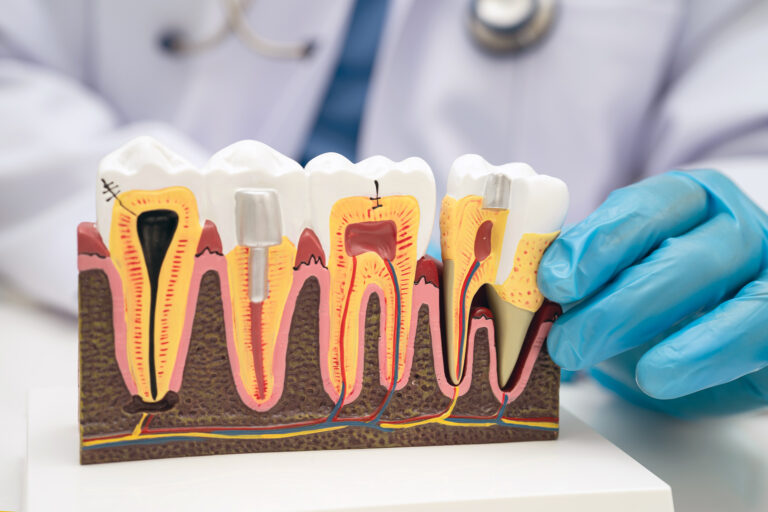
A dental crown is a full-coverage dental restoration that protects and rebuilds a tooth that is too weak, broken, heavily filled, or discoloured to function well on its own. It is a custom-made, tooth-shaped cap that completely covers the damaged tooth, restoring its natural appearance and full function. In a food-loving country like ours, dental crowns in Singapore are an excellent option for cracked or broken teeth, natural teeth weakened by extensive dental fillings, or fractured teeth.
A dental crown, sometimes called a dental cap or tooth crown, covers the whole visible part of the tooth above the gum line. It is useful when a simple filling is unlikely to last, when a crack needs full support, or when a root canal-treated tooth needs reinforcement for chewing. It can also improve shape and colour when more conservative options are not suitable.
When a tooth is fragile due to a large dental restoration, broken down, or irreversibly discoloured, dental crowns offer an effective solution. At TEETH @ Tiong Bahru, our experienced dentists specialise in crown dental surgery to protect teeth from fracture and restore both function and aesthetics.
Signs You May Need a Dental Crown
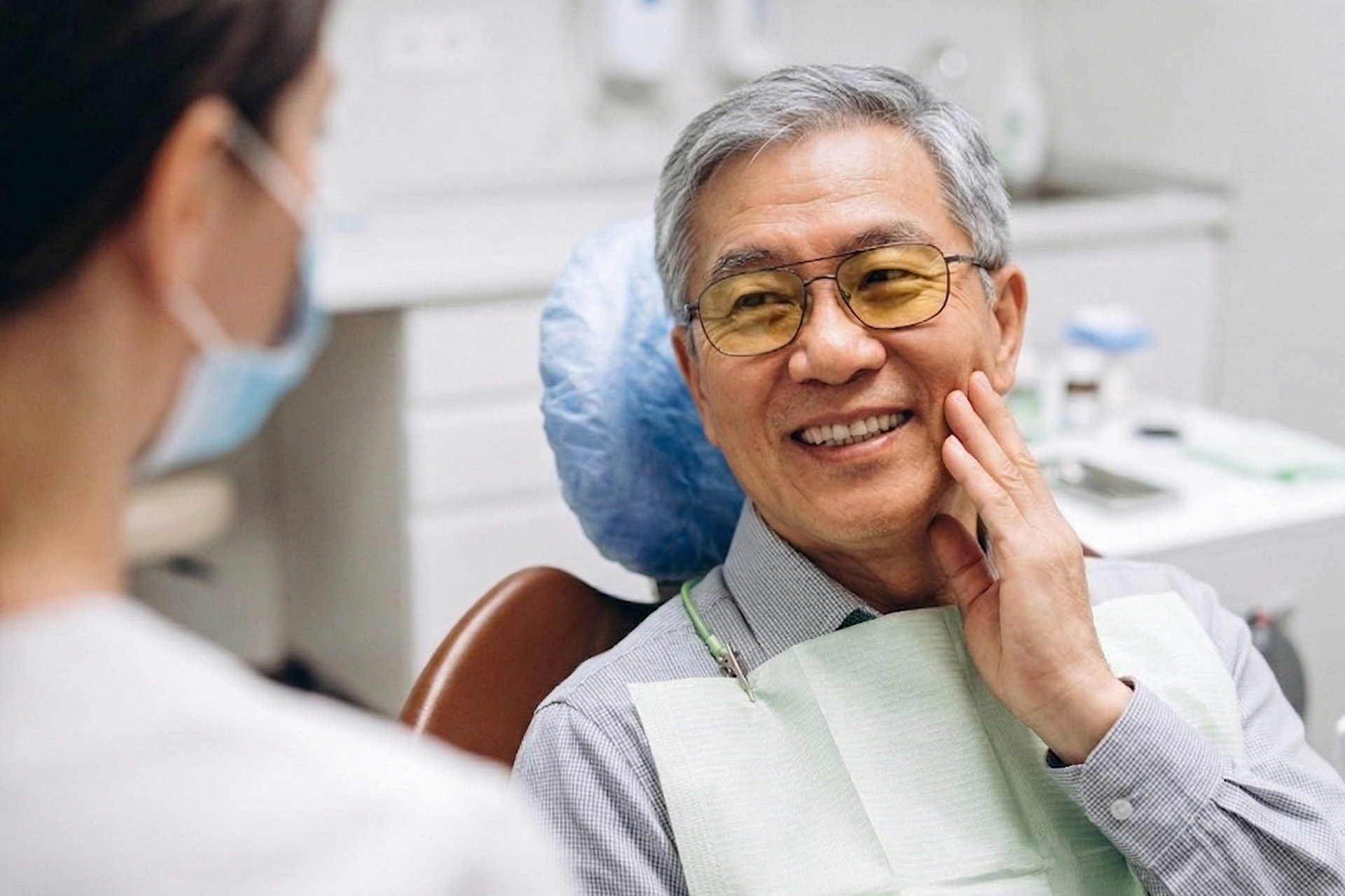
You may need a dental crown when a tooth no longer has enough strength for a routine filling alone. Common signs include pain when biting, a filling that keeps breaking down, a visibly cracked or chipped tooth, repeated sensitivity to cold or sweet foods, or a tooth that has become worn down or misshapen. Sometimes the main concern is cosmetic, such as severe staining that does not respond to whitening. A tooth that has had root canal treatment may also need crowning because it can become more brittle over time.
Tooth decay beneath an old filling, worn-down teeth, and a weakened tooth with insufficient remaining support are other common reasons you may need a dental crown.
When to See a Dentist
You should see a dentist when a damaged or heavily restored tooth is painful, unstable, or starting to interfere with chewing. Arrange a review promptly if you have a broken tooth, a loose old crown, pain when you bite, or a crown that no longer feels right. If your dental crown fell out, do not ignore it, even if the pain is mild for now.
Urgent assessment is also sensible if you notice swelling, throbbing pain, a bad taste, fever, or gum tenderness around the tooth. Less severe but still important symptoms, like bleeding gums, gum disease, or tooth pain near a crowned tooth, mean you should contact the dentist immediately, as these issues can affect adjacent or neighbouring teeth.
Diagnosis
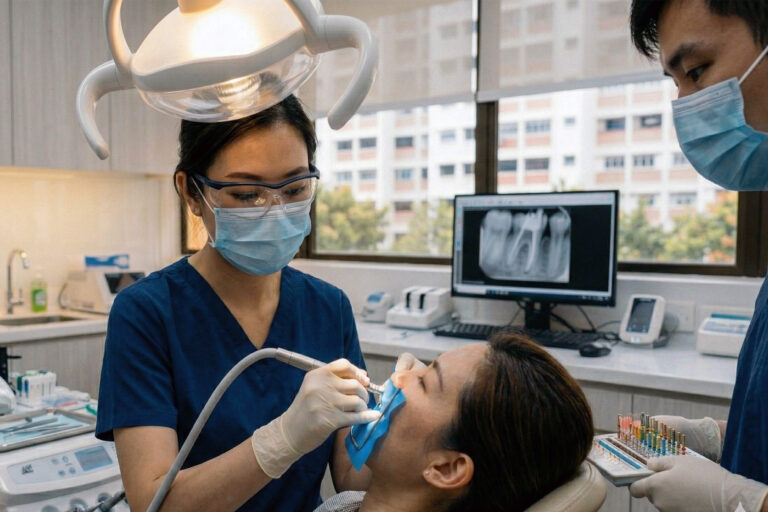
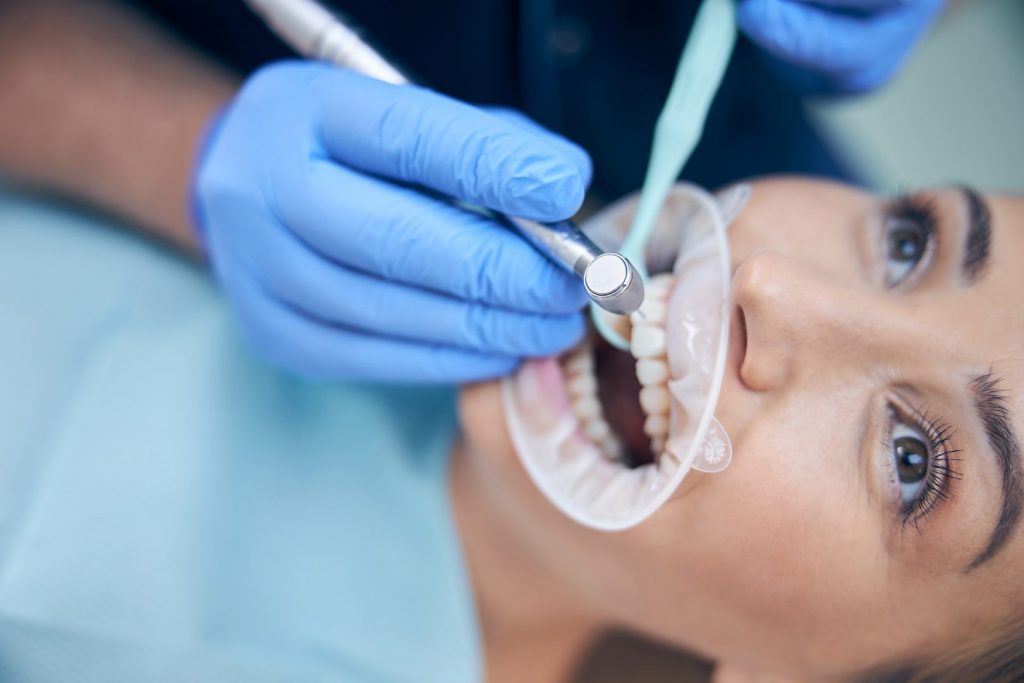
Your dentist will usually examine the tooth, check the bite, assess how much sound tooth structure remains, and take an X-ray if needed to look for decay or infection beneath old fillings. This will help them determine if the tooth can be restored and whether full coverage with a dental crown is the right option.
The gums around the tooth matter as well, because a crown should sit on a tooth that is stable and cleansable. This is also when the discussion about dental crown material, aesthetics, expected lifespan, and cost should be clearly addressed.
The dentist also checks the surrounding teeth, adjacent teeth, and the underlying tooth to determine whether natural teeth on either side can support the restoration, or whether a dental bridge or dental implant is more appropriate for a missing tooth. Evaluating the remaining and underlying tooth structure informs your dentist’s selection of dental materials and the approach to crown fabrication.

Dental Crown Treatments
Treatment options for a tooth crown depend on how much sound tooth material remains, where the tooth sits in the mouth, how you use your bite, and the look you want.
Types of Dental Crowns Available
A variety of tooth crown materials suit different needs and budgets:
- Porcelain Dental Crowns: Natural-looking and ideal for front teeth
- Zirconia Crowns: Extremely durable and suitable for both front and back teeth
- E-max Crowns: Thin yet strong, perfect for minimal tooth reduction
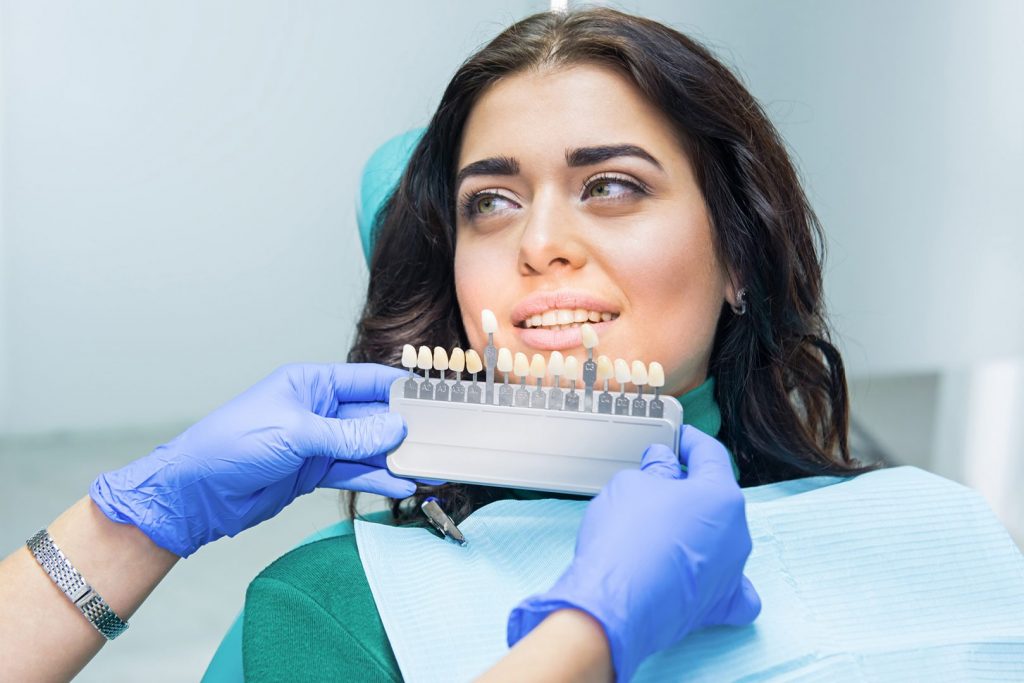
- Ceramic Crowns: Metal-free and natural-looking; ceramic crowns are an excellent choice for front teeth and other visible natural teeth
- Porcelain-Fused-to-Metal Crowns: Porcelain-fused-to-metal crowns and metal crowns offer proven durability for out-of-sight molars; lithium disilicate crowns are also available for their superior strength and aesthetics
The main types of dental crown material each have trade-offs among appearance, strength, chip resistance, and cost. A porcelain dental crown or a ceramic tooth crown may look the most natural, while zirconia crowns are often chosen when both strength and appearance matter. Ceramic crowns and zirconia crowns are both metal-free dental crown options; out-of-sight molars may also benefit from durable metal crowns.
Beyond these commonly chosen tooth crown materials, some patients may also be offered porcelain-fused-to-metal crowns, which combine a metal base with a tooth-coloured outer layer, or a metal option for back teeth, including out-of-sight molars, where bite forces are highest. A gold crown, or another metal alloy crown, can still be sensible for a molar because it is durable and wears well. What matters most is finding a material that works best for your teeth and overall oral health.
Benefits of Dental Crowns
Protecting vulnerable or aesthetically unappealing teeth with crowns can give patients peace of mind and restore their smile. They are stronger than alternative treatments, such as inlays, onlays and veneers, making them an excellent choice in many cases. Following root canal treatment, a dental crown is placed over the tooth to help protect it and restore its full function.
A dental crown on a treated tooth restores natural teeth to full function; maintaining good oral hygiene, including daily dental floss and fluoride toothpaste, around the new crown supports lasting results.
Additional benefits of tooth crowning in Singapore include improved bite alignment, long-lasting solutions for damaged teeth, versatility in addressing various dental issues, and a boost in confidence with a restored smile.

Crown Dental Surgery
Once it is determined that you need a dental crown after discussing the pros, cons, risks, and crown dental surgery price, our dentists will take a small X-ray to ensure the tooth to be crowned is sound and stable. If the X-ray is fine, then the treatment will proceed.
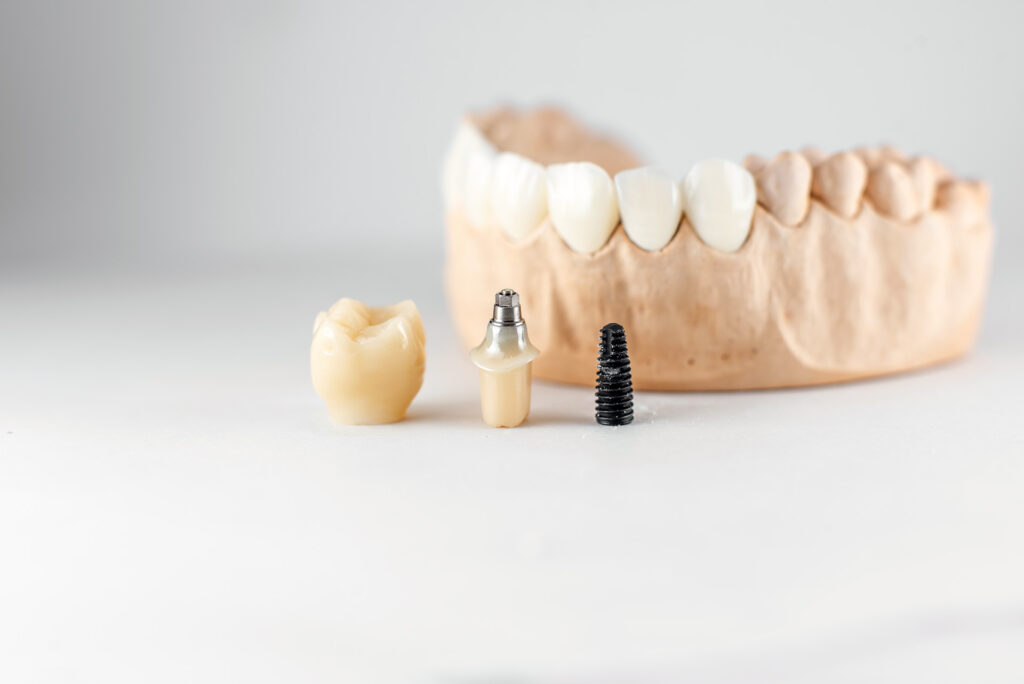
Crown preparation, a minor surgical procedure, shapes the existing tooth structure so the new crown fits precisely over the prepared tooth. A temporary dental crown protects the prepared tooth throughout crown fabrication. Be careful with a temporary crown, as it can loosen with hard or sticky foods. Placement of the final crown and permanent crown should be completed as scheduled.
Before starting, you may require a local anaesthetic. This helps to numb the tooth or area in question. Our clinic always applies a surface numbing gel before administering a local anaesthetic. If you have any concerns regarding analgesia, please do let us know so that we can make the experience as anxiety-free as possible.
Our dentist will take a small impression of your tooth. We will then trim the tooth just enough to leave space for the crown material. An impression is also taken of the tooth to be crowned and the opposing teeth. This will be sent to the dental laboratory along with the tooth shading instructions.
A temporary crown will be made and cemented, and the occlusion will be checked.
When the dental crown returns from the dental laboratory, your temporary crown will be removed, and a new, more permanent crown will be placed in its place. If you are happy with the fit and appearance, we will cement the crown in place. Your bite will be checked and adjusted if necessary.
Same Day Crowns
Same-day dental crowns can be helpful in selected situations because they reduce time in a temporary dental crown and may suit patients who prefer fewer appointments. Still, not every tooth or every bite is ideal for same-day treatment. If the tooth is not restorable, your dentist may instead discuss an onlay, veneer, dental bridge, or extraction followed by replacement with a dental implant.

Technology in Dental Crown Procedures
At TEETH @ Tiong Bahru, we are committed to delivering superior dental crown results in Singapore by utilising cutting-edge technology. Our advanced digital impression system ensures more accurate and comfortable crown fittings, eliminating the need for traditional messy moulds.
Additionally, we utilise state-of-the-art CAD/CAM technology, which enables us to fabricate crowns on the same day in certain instances. Getting a dental crown at our dental clinic through this workflow means the final crown and the new one are delivered efficiently, with less waiting time for our patients and fewer appointments. These technological advancements enhance the precision of our dental crown procedures, improving the overall patient experience and making the process more efficient and comfortable.

Dental Crown Cost in Singapore
The cost of dental crowns varies depending on several factors, including the type of crown material chosen, the complexity of the procedure, the need for additional treatments, and the location of the tooth. The price per tooth for a dental crown can range from $1,199.00 to $1,889.50.
We encourage you to meet with our dentist for a consultation to discuss your specific needs and receive a personalised quote for your dental crown procedure cost.

Aftercare for Dental Crowns
To ensure the longevity of your dental crowns, maintain excellent oral hygiene, avoid biting on hard objects, wear a night guard if you grind your teeth, and attend regular dental check-ups.
Teeth grinding can put extra stress on natural teeth and a dental crown, making a night guard especially important. Maintaining good oral hygiene around the crowned tooth and other teeth, including daily dental flossing and using fluoride toothpaste, helps your new crown last as long as possible.
At TEETH @ Tiong Bahru, we’re committed to providing top-quality dental crowns in Singapore. Our highly qualified team specialises in crown dental surgery, ensuring you receive the best care for your dental needs. Contact us today to schedule a consultation and learn more about how dental crowns can restore your smile and oral health.
Risks and Recovery
Most patients recover well after a crown, but mild sensitivity and a short settling-in period are common.
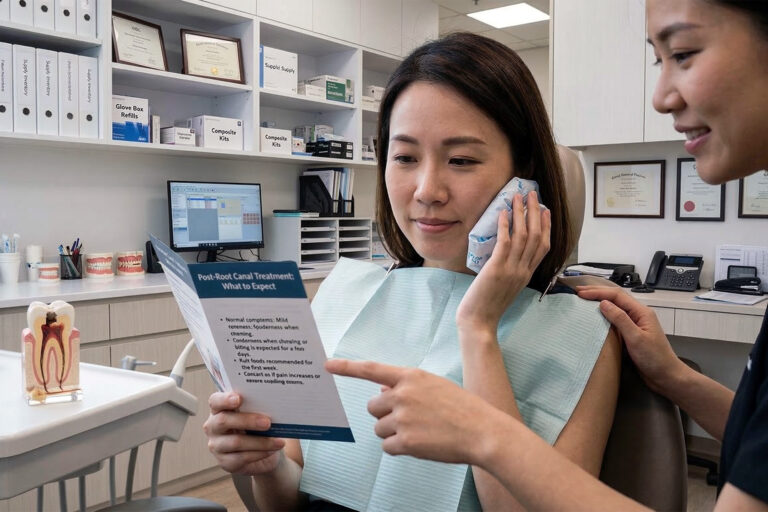
After the tooth is prepared, numbness usually wears off within a few hours. Mild soreness in the gums, tooth sensitivity, or temperature sensitivity can occur for a few days, sometimes longer, particularly if the tooth still has a live nerve. In the days after the tooth crown process, be gentle with sticky and hard foods, and avoid heavy chewing on a temporary crown if one has been placed.
If a temporary crown comes off between appointments, contact our dental clinic promptly. Mild tooth sensitivity or tooth pain after crown preparation is common initially. If the new dental crown feels uneven after placement, a brief adjustment can ensure the permanent crown is comfortable. A temporary crown should always be replaced quickly to protect the crowned tooth until the new crown is ready.
Call your dentist if the bite feels high, the crown feels loose, the gums around it stay swollen, or the tooth remains painful beyond the early recovery window. If a dental crown falls out, keep it if you can find it, avoid chewing on that side, and schedule an appointment rather than trying to glue it back yourself. Throbbing pain after a crown may suggest an inflamed nerve, infection or a bite problem that needs correction.
How TEETH @ Tiong Bahru Can Help
A good crown is more than just covering a tooth. It involves selecting the right restoration for that specific tooth, preparing it correctly, designing the bite, and providing an effective aftercare plan. We focus on both how the crown works and how it looks, in terms of both function and aesthetics. We will fully explain the cost and help you compare different options, from affordable dental crowns to more premium options, before starting treatment.
If you have questions about procedures or prices, the best first step is a detailed consultation with a tooth crown specialist. Call us today at TEETH @ Tiong Bahru to make your appointment.