Root Canal Without a Crown
Can I do a root canal without a crown? Sometimes the answer is yes, but only in selected cases. A root canal treatment without a crown is more acceptable when the tooth is at the front of the mouth, has a healthy structure, and is under less chewing pressure.
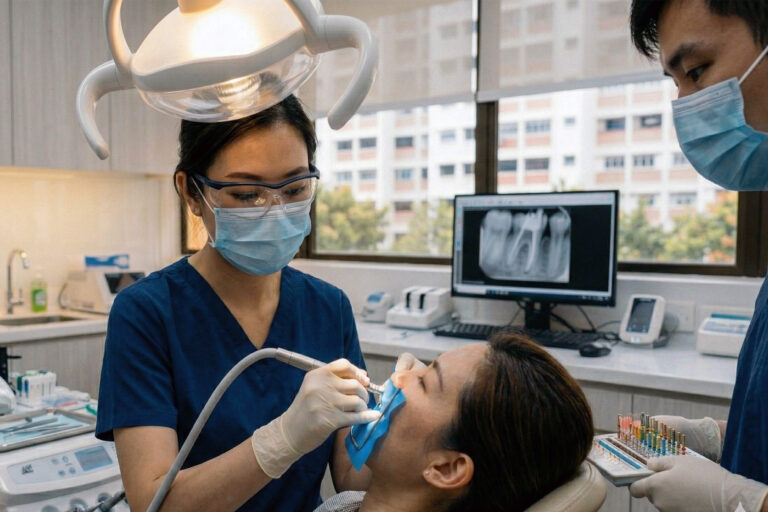
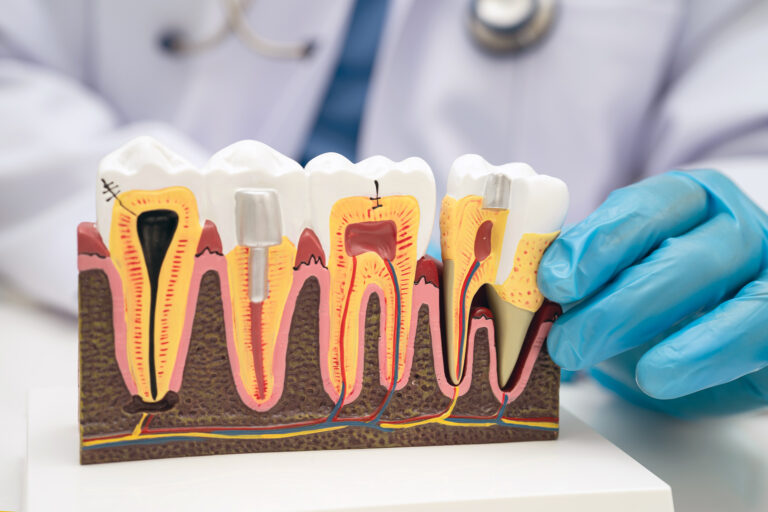
Root canal treatment, also called endodontic treatment or root canal therapy, removes inflamed or infected pulp, including the nerve and blood vessels, from infected or damaged teeth. The dental professional cleans and seals the canals, usually with gutta-percha, so that the tooth can remain in place rather than be extracted. After this root canal procedure, the tooth still needs a final restoration. In most cases, that can be a bonded restoration. In other cases, especially when the tooth has lost significant tooth structure, a dental crown is the safer option because it protects the tooth from biting forces and prevents further damage.
The longevity of a root canal without a crown depends on its position; a well-done root canal in the front teeth may last for years without a crown. By contrast, a molar root canal without a crown is usually less predictable because molars and premolars absorb most of the force from chewing. Several factors determine how long a root canal lasts, including the tooth type, the extent of decay, and the remaining tooth structure.
Symptoms
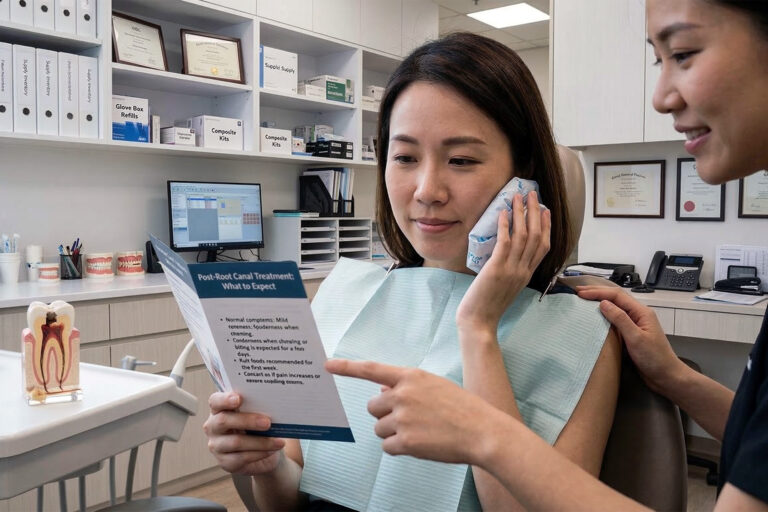
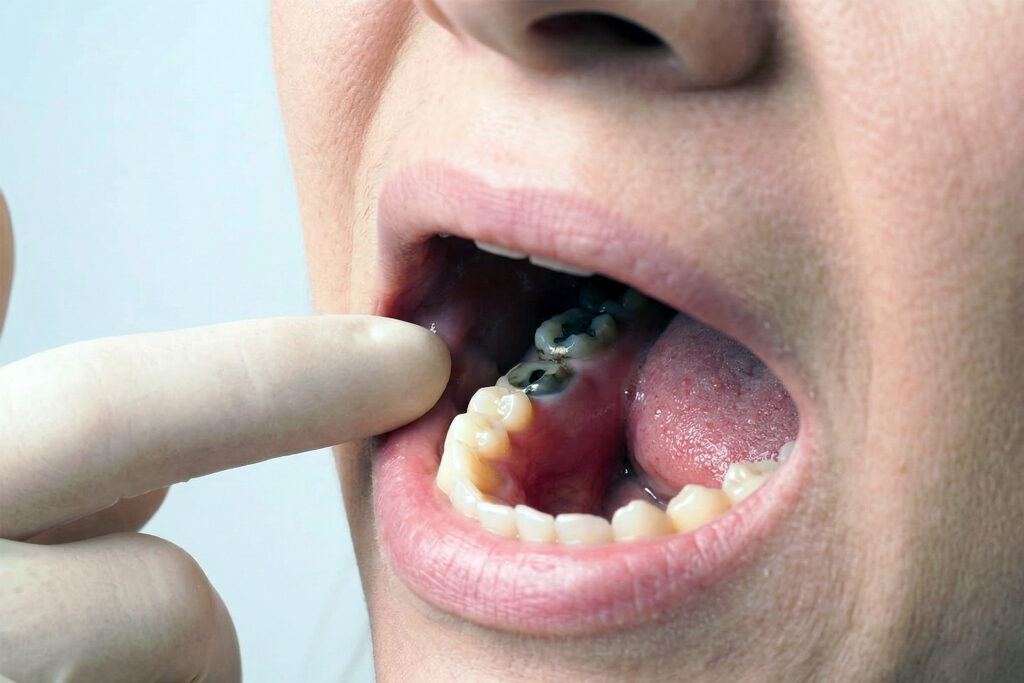
After root canal treatment, mild tenderness for a few days is normal, especially if it was severely inflamed beforehand. What should not be ignored is tooth pain months after a root canal without a crown. Discomfort that returns or persists for months may suggest a leaking restoration, a crack, a high bite, further infection, or a problem in the surrounding connective and soft tissues.
Typical signs that an infected tooth may need a root canal include a lingering sensitivity to heat or cold, a spontaneous toothache, severe pain on biting, swelling of the gums and soft tissue, a bad taste in the mouth, and tooth discolouration. Some teeth have no obvious symptoms, which is one reason X-rays and a clinical examination matter.
When to See a Dentist
A treated tooth without a crown needs review if root canal pain worsens instead of improves, if the temporary or permanent filling chips out, or if you notice swelling, tenderness, discharge, a bad taste, or a feeling that the bite is suddenly uneven. Your dentist or dental professional can determine whether a root canal crown is needed after the procedure. See a dentist promptly if a root-treated tooth hurts on biting, swells, cracks, or loses its restoration.
Diagnosis
Diagnosis focuses on whether the infection has been managed and whether the tooth is strong enough to function safely without a crown or full dental crown coverage.
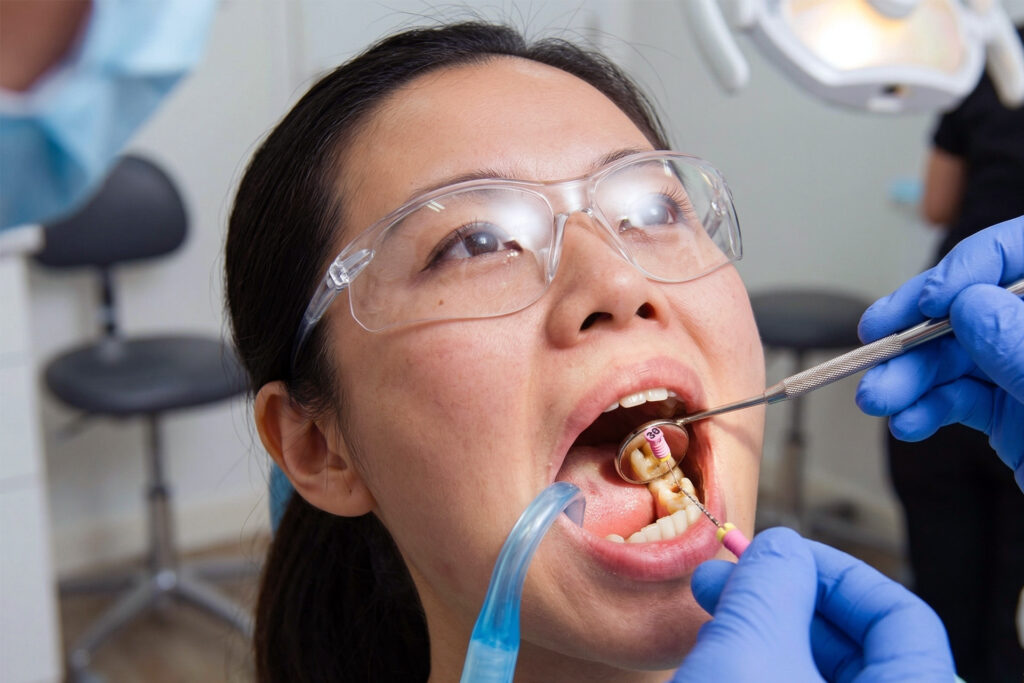
Your dentist will usually examine the tooth, check the bite, look for visible crack lines, review symptoms and take X-rays to assess the root canal and surrounding bone. Your dentist will also judge how much natural tooth and tooth structure remains. The decision about a dental crown often depends on where the tooth is located, how much structure has been removed, whether the tooth already has large restorations, and whether decay or trauma has weakened it.
Leaving a tooth without proper coverage can lead to further damage, especially when decay has compromised the structure. This is why a root canal on a front tooth without a crown may be reasonable in one person but not another. A front tooth with minimal structural loss may do well with a bonded restoration and preserve your natural smile, while a back tooth with deep decay, old restorations, or a crack often needs cuspal protection with a dental crown.
Treatment
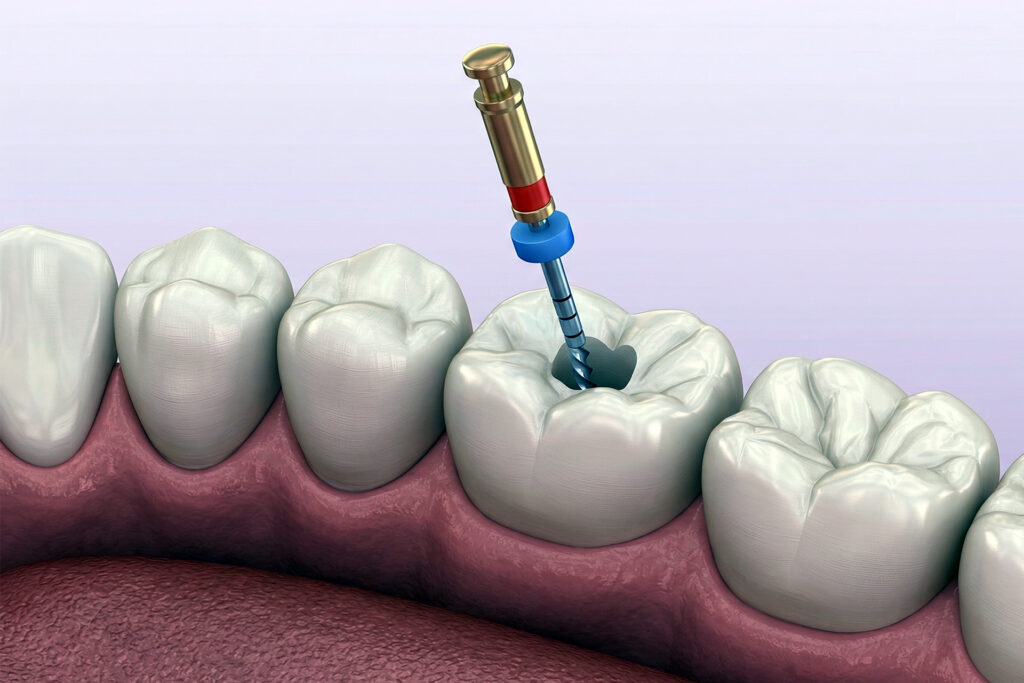
Root canal treatment aims to remove the infection, seal the tooth, and provide the safest final restoration for long-term use.
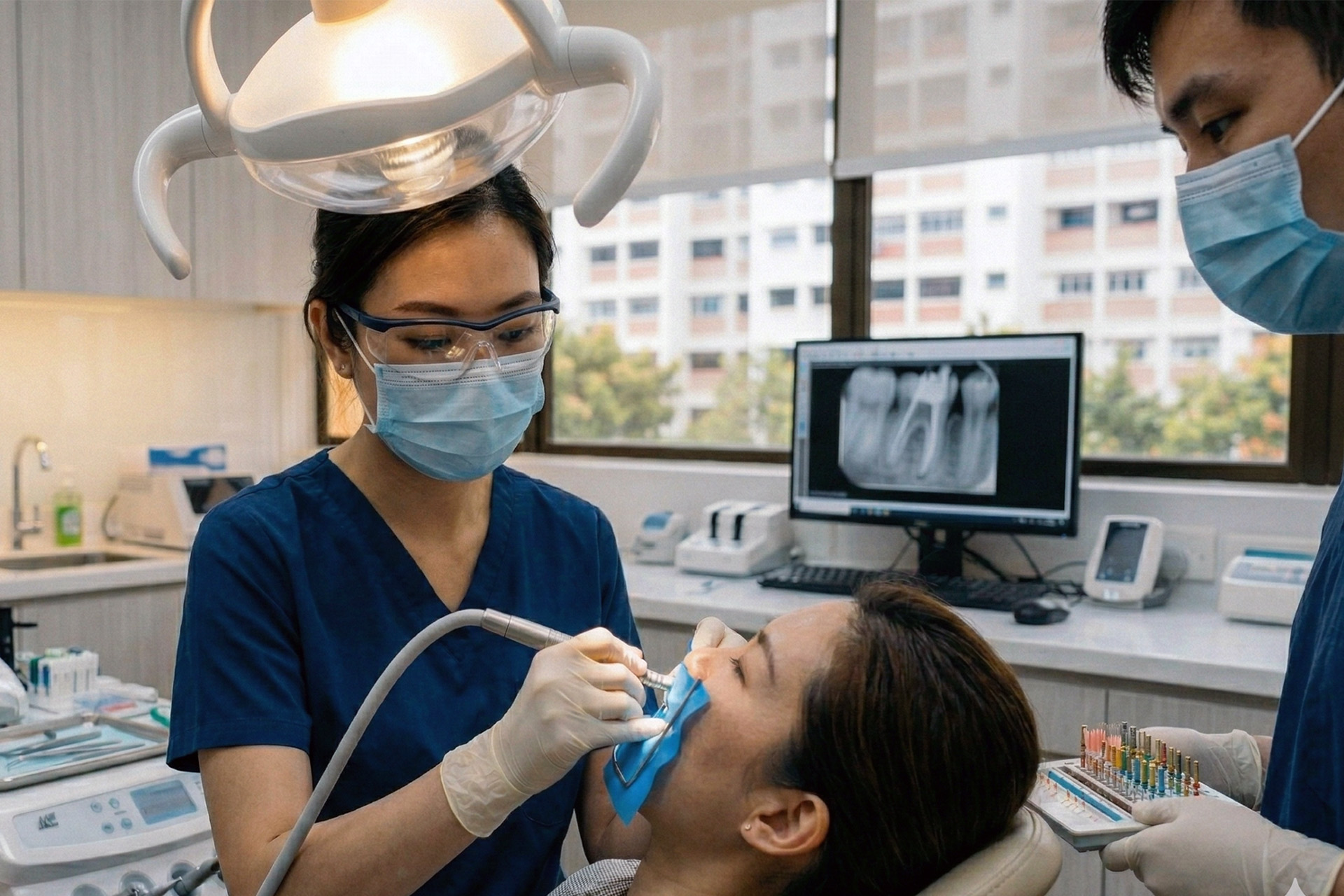
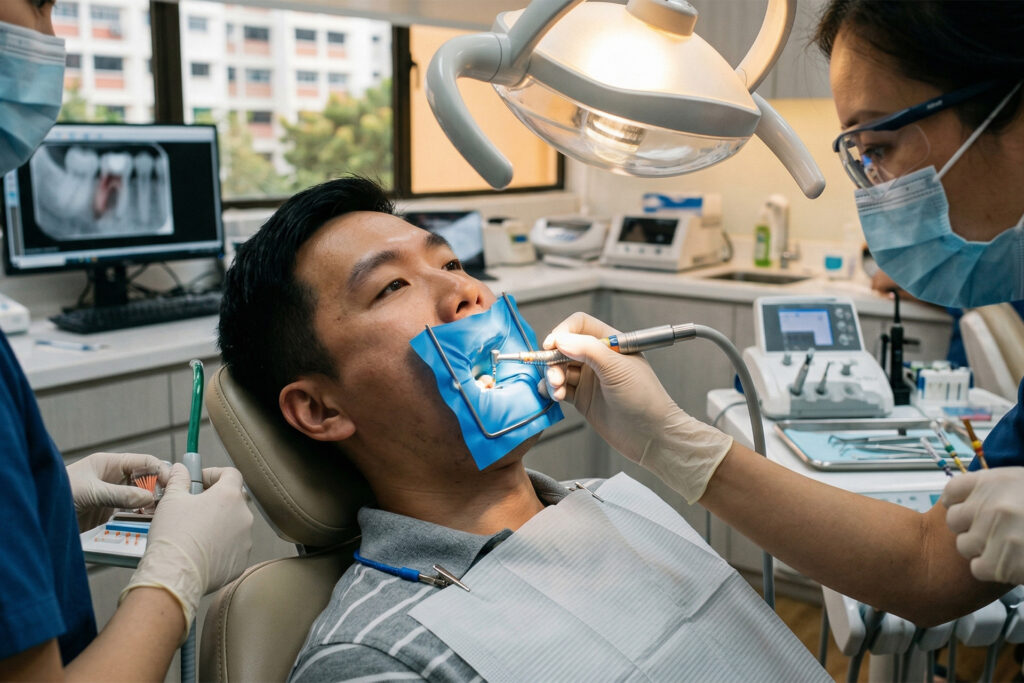
The root canal procedure itself is only one stage of care. Your root canal specialist will administer a local anaesthetic before treatment. The infected or inflamed pulp, including the nerve and connective tissue, is removed. The canal system is cleaned to remove bacteria, disinfected, and sealed. After that, the tooth should be restored to full function as soon as possible, either with a permanent restoration or a dental crown, depending on how much tooth remains and the extent of the decay.
Root canal therapy without a crown may be reasonable when the tooth has strong remaining walls and low bite stress. It is less ideal to avoid a dental crown when the tooth is a premolar or molar, when there is a large old restoration, or when decay has already cracked the tooth. Even if a filling or a temporary filling is chosen first, it must seal the tooth well, because bacteria can re-enter through a weak or broken restoration, leading to further infection. Proper care, regular brushing, and good oral hygiene practices help prevent infections and protect long-term oral health.
Root Canal Without Crown Cost
In Singapore, the Ministry of Health fee benchmarks for CHAS clinics list routine root canal treatment at about S$400 to S$775 for an anterior tooth, S$500 to S$900 for a premolar and S$872 to S$1,400 for a molar, while a permanent crown is benchmarked at about S$750 to S$1,400. For multi-visit procedures such as crowns and root canal treatments, subsidies are only claimed after the treatment is completed.
At TEETH @ Tiong Bahru, the cost for a root canal without and with a crown:
| Procedure | Details | Costs |
| Root Canal* | Incisors, canines and premolars | $491.00 to $872.00 |
| Molars | $927.00 to $1,199.00 | |
| Dental Crown | $1,199.00 to $1.889.50 |
*Additional procedures or re-treatment may increase the overall cost of your root canal treatment.
Depending on your healthcare plan, it is important to discuss the cost of a root canal and crown without insurance with your medical provider.
Risks and Recovery
Recovery is usually uncomplicated, but leaving root canal-treated teeth without full protection, such as a dental crown, can increase several risks.
The main risks of a root canal without a crown are fracture, loss of the coronal seal, reinfection, further damage, future damage, and eventual tooth loss. A tooth that underwent root canal treatment may also darken over time, affecting your smile, especially if it is a front tooth.
How long does a root canal last without a crown? It depends on several factors, including the type of tooth. Back teeth are at higher risk. A carefully restored front tooth may last for years without a crown, but a back tooth can crack much sooner under chewing pressure. In most cases, a dental crown after a root canal procedure is the safest path to long-term success and health.
Can you eat after a root canal procedure without a dental crown? Usually, yes, once the numbness from the local anaesthetic has worn off, but soft food is the safer choice, and you should avoid chewing on that tooth until the final restoration is completed.

How TEETH @ Tiong Bahru Can Help
TEETH @ Tiong Bahru can help by deciding whether a restoration, onlay or dental crown is the best way to protect your tooth after a root canal.
A careful plan starts with confirming that the tooth is restorable, checking for cracks, reviewing X-rays and assessing how much enamel and dentine remain. From there, the goal is to match the restoration to the tooth rather than using the same for everyone. For some front teeth, that may mean a conservative bonded restoration. For many premolars and molars, it means a dental crown, so the tooth can handle daily use with less risk of fracture.
Crown protection helps restore comfort, chewing function, your smile, and long-term stability for patients in Tiong Bahru and across Singapore. Schedule a consultation with our dentists today to find out if undergoing a root canal without a crown is right for you.