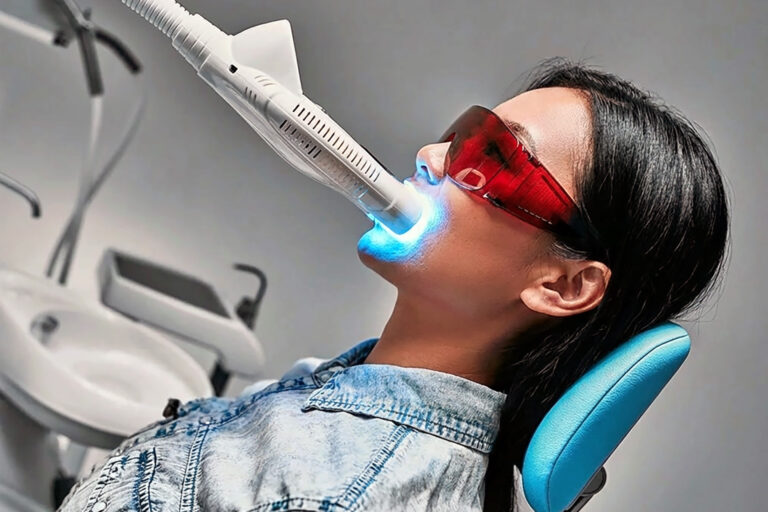
At TEETH @ Tiong Bahru, we see many patients seeking a safe, professional reset with no guesswork and no uneven results. This is where LED teeth whitening comes in: a dentist-supervised treatment that uses a peroxide-based gel and a blue LED light to accelerate the whitening process. As a dental clinic offering the best LED teeth whitening in Singapore, we help patients achieve a brighter smile with proven whitening treatments.
What Is LED Teeth Whitening?
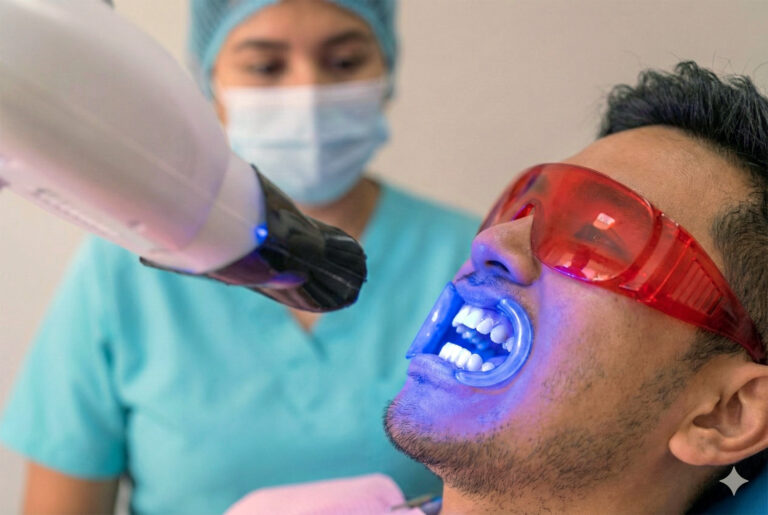
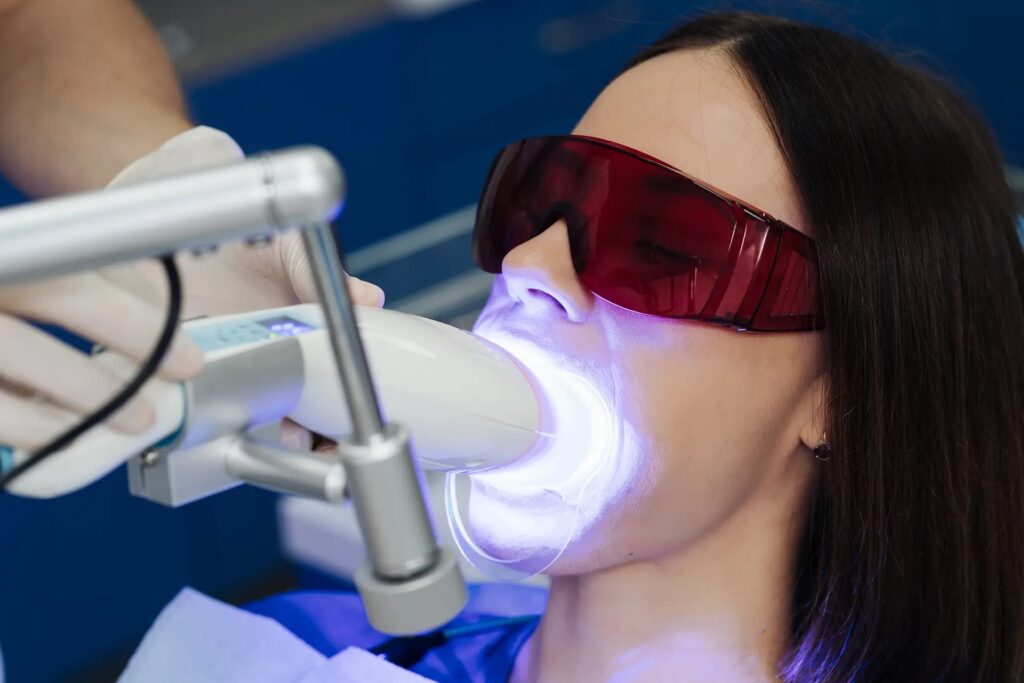
LED teeth whitening is a professional teeth-whitening treatment that combines a peroxide-based gel with a blue LED lamp. The whitening gel is the active whitening agent that whitens teeth by breaking down stain molecules. The teeth-whitening LED light supports the chemical reaction, resulting in more efficient, consistent outcomes in a dental clinic setting. LED technology, which uses a light-emitting diode rather than UV light, has made in-clinic, chairside teeth whitening safer and more comfortable.
Unlike teeth-whitening pens or strips, which offer limited effectiveness for surface stains, professional whitening treatments use stronger agents and light under a dentist’s supervision. Whitening products, such as at-home kits, toothpaste, and strips, can complement professional teeth whitening but are not a substitute for in-office treatment.
Patients sometimes worry about the word ‘bleach’. Importantly, teeth-whitening bleach used in dentistry is not the same as household bleach. Teeth-whitening bleach refers to dental-grade hydrogen peroxide or carbamide peroxide, a bleaching agent used at controlled strengths, applied with gum protection and careful technique. A qualified clinician will perform the whitening procedure safely, ensuring you receive the best LED teeth whitening treatment in Singapore.
How Does LED Teeth Whitening Work?
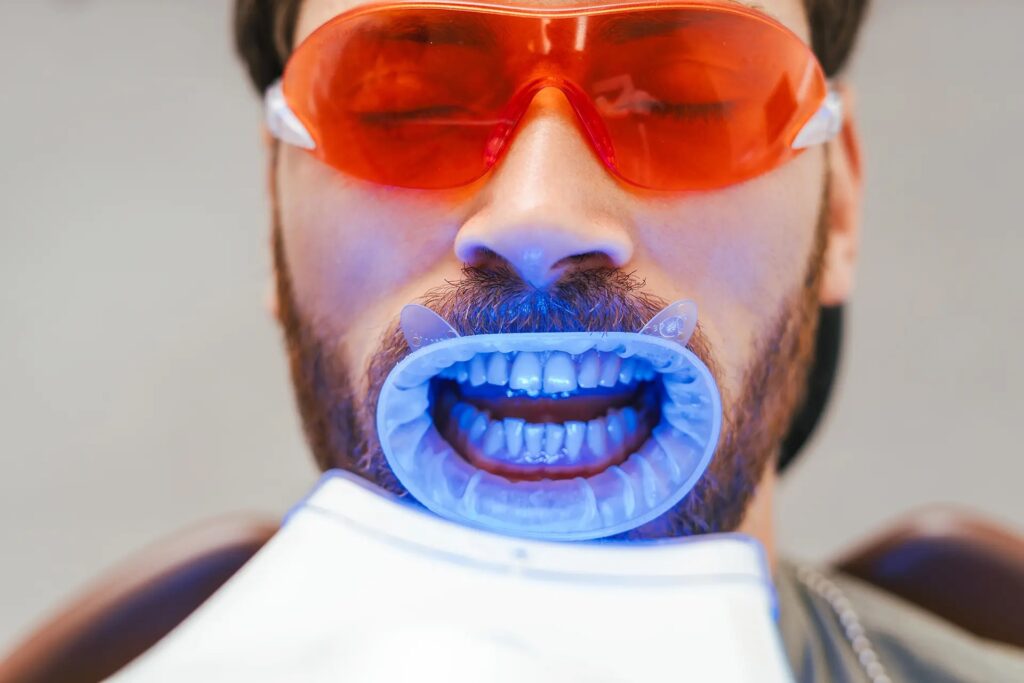
LED teeth whitening uses a blue LED light to catalyse the breakdown of stains from food, tobacco, and drinks by hydrogen peroxide or carbamide peroxide gels. The whitening agent in the gel penetrates the teeth to remove stains at a molecular level. This non-invasive method takes 10-30 minutes and delivers faster whitening results than whitening gel alone. The LED light does not use UV; the blue light from LED technology is designed to support the whitening gel’s action without the concerns associated with UV exposure.
Some patients ask: Is LED teeth whitening bad for your teeth? An in vitro study examined whether blue light from whitening devices poses a risk of cell mutation. Research found no evidence of cell mutation risk from LED technology at the wavelengths used in teeth whitening procedures. This is one reason LED teeth whitening is generally considered safe when performed by a dentist.
Why do I get teeth stains, and why does teeth whitening work?
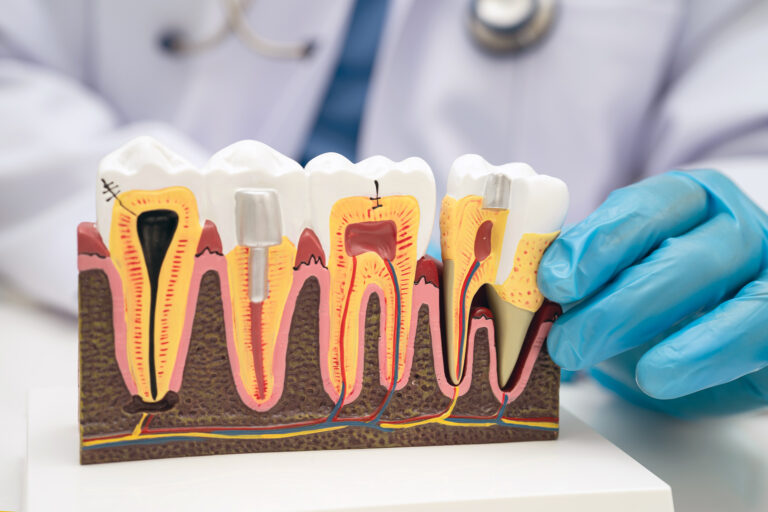
Teeth are not perfectly smooth glass. Enamel has microscopic pores and surface texture. As such, teeth can discolour for two main reasons:
Extrinsic staining (extrinsic stains) occurs on or near the enamel surface and is often caused by coffee, tea, red wine, smoking, and richly coloured foods. Intrinsic colour change occurs deeper within the tooth structure and can be linked to ageing, certain medications, fluorosis patterns or tooth trauma.
Hydrogen peroxide gels release oxygen molecules that penetrate the enamel and break down stain compounds. The LED light can help the whitening gel work more efficiently by supporting the reaction and improving consistency across the teeth. This is the core mechanism by which hydrogen peroxide and LED whitening lights effectively whiten teeth.
How effective is LED teeth whitening?
A common claim is that LED whitening can lighten teeth by 8 shades in one session. This can occur in some patients, particularly when staining is primarily extrinsic, and the starting shade is fairly dark. However, this is not guaranteed, and it is not the right benchmark for everyone. It is important to set realistic expectations before teeth whitening treatment.
That is largely because of three reasons:
- Surface stains and teeth stains often respond best. Coffee, tea, smoking and dietary stains are usually the most noticeable. The whitening agent can remove stains effectively in these cases.
- Deep intrinsic discolouration is harder. Whitening treatments may still improve overall brightness, but they may not fully remove banding, grey tones, or patchy intrinsic changes.
- One tooth can behave differently. A tooth that has darkened after trauma or has a large filling may not match the rest of the teeth, even after teeth whitening treatment.
A good consultation at our dental clinic includes an honest discussion of likely improvement, your current tooth shade, and what natural-looking white means for your face and smile. Your dentist will set realistic expectations and discuss the outcomes you can anticipate.

In-Clinic Teeth Whitening Process
Here is the whitening process you will experience when you visit TEETH @ Tiong Bahru for LED teeth whitening in Singapore:
Assessment first. We check for decay, gum inflammation, worn enamel, and existing restorations. Teeth whitening works best when the mouth is stable and healthy. Your dentist will also discuss any sensitivity concerns.
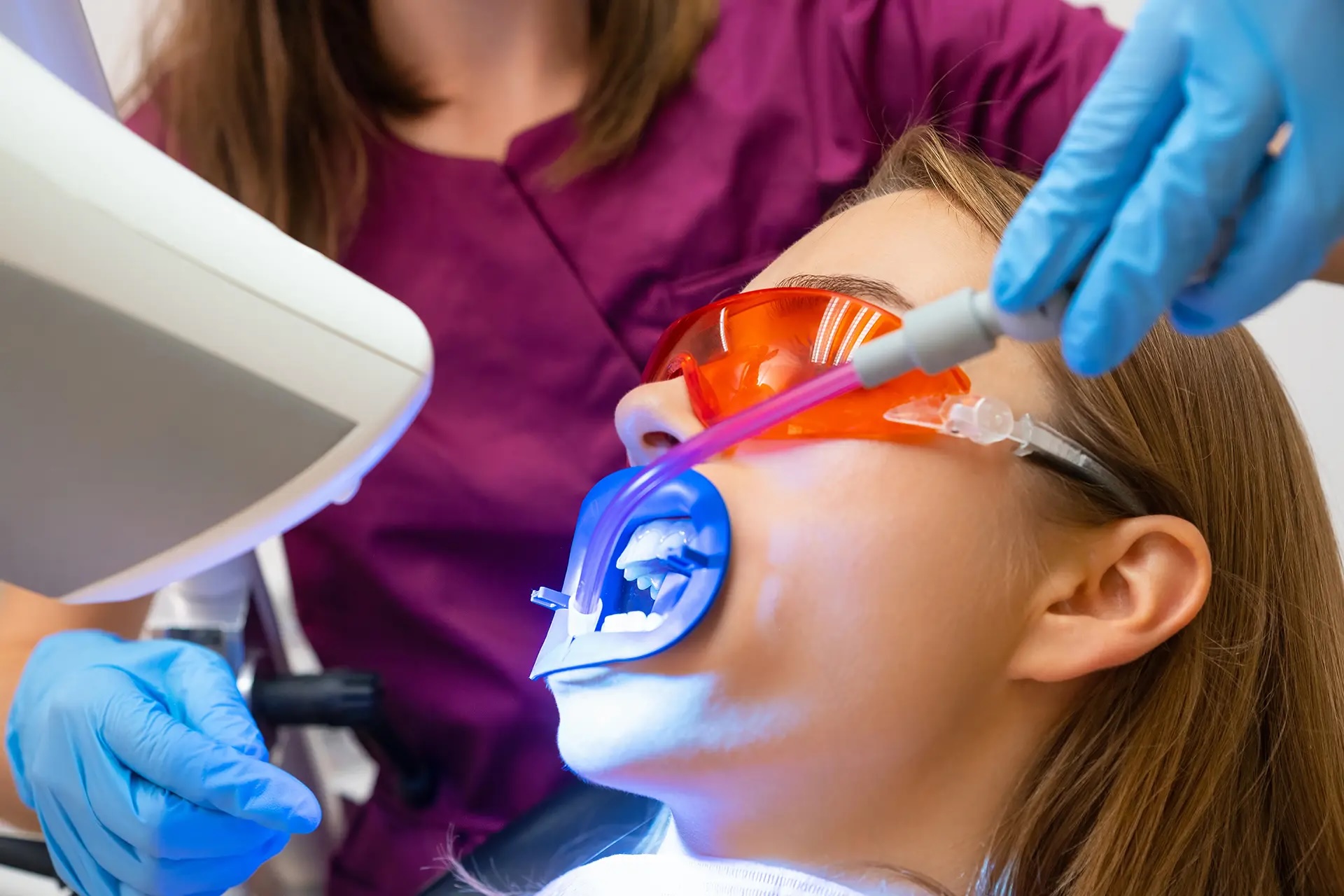
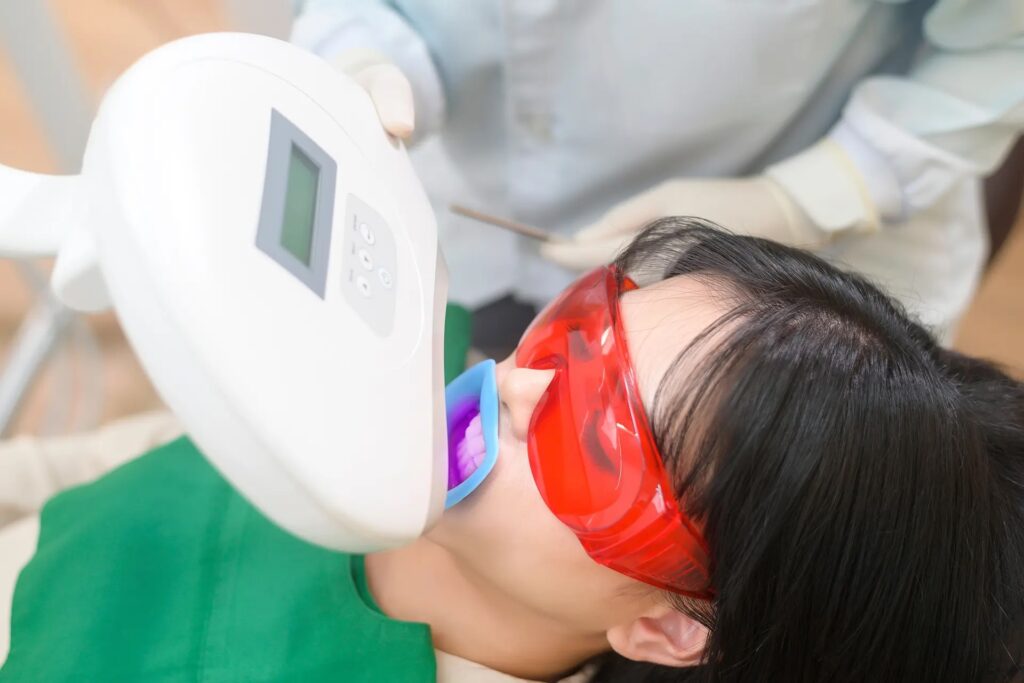
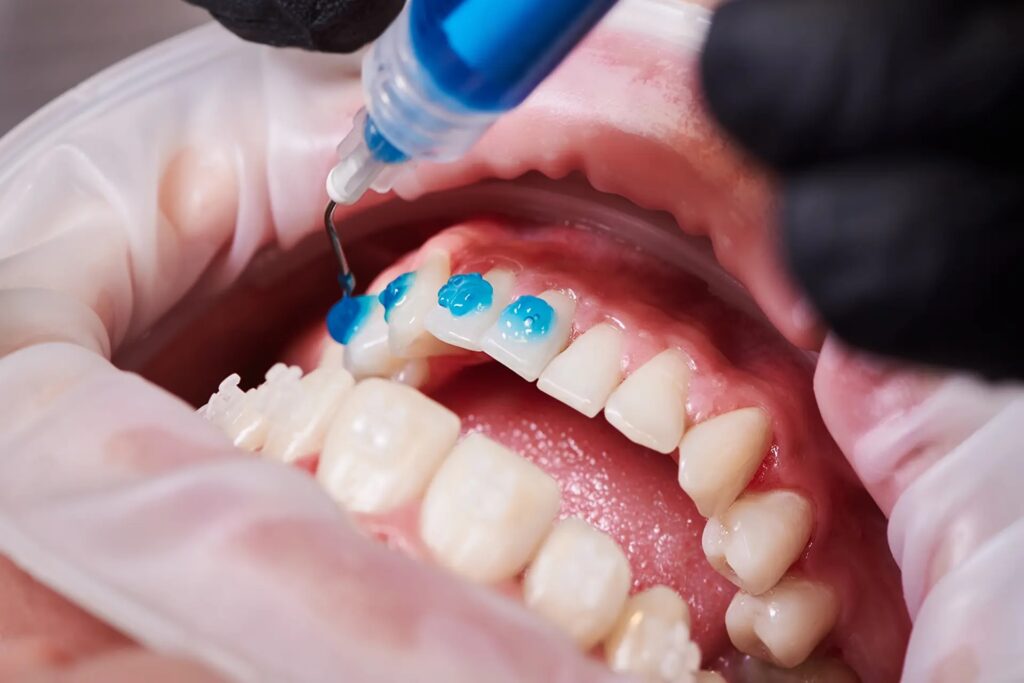
Preparation and protection. Cheek retractors and a protective barrier help keep the peroxide whitening gel away from the gums. Protective eyewear is used for your comfort and safety.
Gel application and timed cycles. The whitening gel is applied to the teeth and activated under the LED light in controlled cycles. Depending on the system, this may be a single short cycle or multiple cycles. The whitening lights and whitening agent are carefully calibrated.
Shade review and aftercare guidance. We review the whitening results and discuss sensitivity management and which foods to avoid staining over the next 24 to 48 hours.
Clinic vs Home Whitening Kits
While both in-clinic, at-home teeth whitening and natural whitening options exist, they are not the same.
Clinic LED Teeth Whitening Treatment
Clinic LED teeth whitening treatment tends to be more predictable because:
- The whitening gel is applied evenly by a trained dentist
- Gums are protected properly
- The LED light and whitening gel are designed to work together as part of a controlled treatment process
- The whitening treatment protocol can be adjusted for tooth sensitivity and staining type
This matters if you want a reliable change for a wedding, job interview, major presentation, or simply because you are tired of the uneven colour of your teeth. Whitening treatments at a dental clinic provide the most consistent results.
Home LED teeth whitening kits and over-the-counter whitening products
Over-the-counter teeth-whitening kits typically include a small LED mouthpiece (mouth tray) and whitening gel. Some patients see mild improvement, particularly for surface stains. However, downsides are common with at-home whitening:
- Generic trays can fit poorly, leading to patchiness in the final whitening process
- Whitening gel can leak onto gums, causing irritation
- Weaker whitening agents in home whitening products may take longer and deliver smaller changes
- Repeated DIY cycles can increase sensitivity without improving outcomes
Whitening strips and pen-style applicators are also popular, but both are less effective than professional whitening treatments. Results vary depending on the type of staining and the strength of the whitening agent.
If you want at-home whitening, the most sensible option is usually a dentist-guided take-home teeth-whitening kit with custom trays (mouth trays), because a proper fit and proper placement of the whitening gel make a major difference. Speak with your dentist about this option rather than using generic at-home kits or whitening products that may not deliver results.
Is LED Teeth Whitening Safe?
The reassuring answer is yes: LED teeth whitening is safe when performed properly on a healthy mouth. The LED light used in modern teeth whitening is not UV light. It is a blue light designed to minimise heat and support the whitening gel reaction. Most safety issues stem from incorrect timing, excessive exposure to whitening gel, whitening over untreated decay, or whitening when the gums are inflamed. LED light teeth whitening is safe when performed by a qualified dentist with proper dental care protocols.
Many may be concerned about whether LED teeth whitening is harmful to their teeth. Research confirms that LED teeth whitening is generally safe and does not cause adverse effects when performed correctly. Safety can be a concern with unsupervised use, but a dentist’s involvement will significantly reduce the risk.
Compared with laser teeth whitening, which uses higher-intensity light, LED teeth whitening uses lower-energy blue light. UV light, sometimes used in older whitening systems, poses greater risks than modern LED technology. Today, most dental clinics use LED light exclusively for teeth whitening procedures because it avoids the UV light exposure associated with earlier methods.
Who should delay teeth whitening?
It is usually better to postpone teeth whitening if you have:
- Untreated cavities
- Gum disease or bleeding gums
- Significant tooth sensitivity
- Cracked fillings or leaking restorations
- A need for visible restorations that must be colour-matched first
If you are pregnant or breastfeeding, many patients choose to delay elective whitening as a precaution, even though the main consideration is often comfort and timing rather than known harm. Consult your dental professional or dental office for personalised dental care advice.
LED Teeth Whitening Side Effects
The most common side effects of teeth whitening LED lights are temporary and manageable. Understanding the side effects of LED teeth whitening helps you prepare.
Tooth sensitivity
This common side effect of LED teeth whitening can feel like a quick zing with cold drinks or a dull ache after treatment. Mild sensitivity or mild discomfort typically settles within 24 to 72 hours. Patients with sensitive teeth may benefit from a gentler plan or a take-home approach with lower intensity per session. Speak to your dentist if you have sensitive teeth. Using a whitening toothpaste designed for sensitive teeth can also help manage tooth sensitivity.
Gum irritation
Gum irritation usually occurs when the whitening gel comes into contact with the gums. In a dental clinic setting, barriers and careful placement reduce the risk. With DIY whitening kits, irritation is more common because the trays are generic and placement of the whitening gel is harder to control at home.
Does teeth whitening damage enamel?
Professional teeth whitening does not involve drilling or removing enamel. When used appropriately, teeth whitening treatment is considered conservative and does not cause adverse effects on tooth structure. Problems tend to arise from overuse of take-home DIY whitening kits, frequent unsupervised whitening treatments, or whitening on compromised tooth surfaces.
How Long Does LED Teeth Whitening Last?
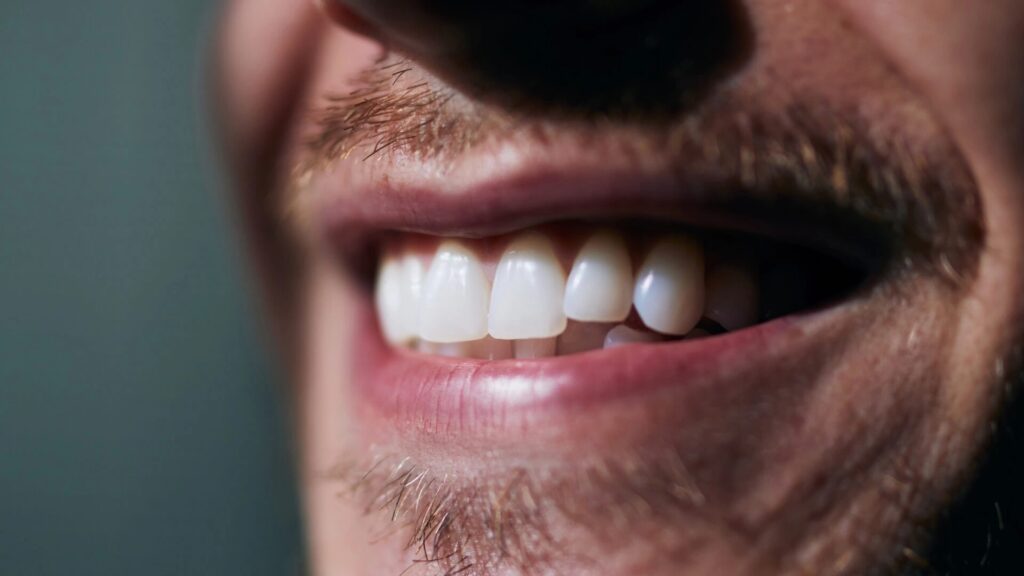
Teeth whitening is not permanent because staining habits continue. Longevity depends on diet, smoking, oral hygiene, and the porosity of your enamel. Results can differ based on lifestyle factors.
Many patients see whitening results that last for months to a few years, with the best longevity seen in those who limit staining drinks, avoid staining foods, and maintain regular dental checkups. Touch-ups with a teeth whitening kit or in-office teeth whitening can help maintain brightness without requiring frequent sessions.
How often should you whiten your teeth with LED light?
There is no single schedule that fits everyone. Teeth whitening treatment should be guided by your sensitivity, your staining habits, and the strength of the whitening gel used.
As a general principle, avoid frequent back-to-back whitening cycles unless a dentist recommends it. Many patients do best with a single in-office teeth-whitening session, followed by maintaining good oral hygiene habits, regular dental checkups, and occasional touch-ups as needed.
LED teeth whitening aftercare that protects whitening results
Poor aftercare is where many people accidentally undo the good work they’ve done.
In the first 24 to 48 hours, teeth may be more prone to re-staining. Water is your friend. If you drink coffee or tea, have it in one sitting rather than sipping for hours, and rinse with water afterwards. Avoid staining foods and drinks during this window to protect your whitening results.
Practical habits that help in the long term: Brush twice daily with fluoride toothpaste or whitening toothpaste, floss regularly, and practise good oral hygiene. Consider regular dental checkups and professional cleaning, as surface staining often builds up gradually and can be restored between whitening sessions. If you smoke, cutting down or quitting makes a visible difference and helps you maintain whiter teeth and a whiter smile.
If sensitivity appears, use a desensitising toothpaste and avoid very cold foods for a day or two. If it persists, please speak with your dental team at our clinic.
LED Teeth Whitening Pros and Cons
Patients often ask about the pros and cons of LED teeth whitening.
| Pros | LED whitening can deliver noticeable results quickly, particularly for everyday staining. It is conservative, because no tooth structure is removed. In a clinic environment, the process is controlled, with gum protection and tailored timing. |
| Cons | Results vary and are not permanent. Whitening does not change the colour of crowns, veneers or fillings. Sensitivity is possible, and patients with intrinsic discolouration may need additional cosmetic planning to reach their desired look. A whitening pen alone may produce less predictable results. |
Teeth Whitening and Restorations
Teeth whitening works on natural teeth. It does not whiten teeth with crowns, veneers, bonding, or fillings, as the whitening treatment only works on natural enamel.
If you have visible restorations on front teeth, the plan matters. Often, we whiten first, allow the shade to stabilise, and then colour-match any new restorations to the lighter shade if needed. This is one of the biggest reasons a dentist-led approach at a dental clinic is worthwhile. Your dentist can help you brighten teeth safely while planning around existing restorations.
LED Teeth Whitening Cost in Singapore
When comparing LED teeth whitening costs across dental clinics, check what is included. Fees vary depending on the system, number of cycles, gum protection, and whether a consultation or review is included. Visit our dental office to discuss your teeth-whitening treatment options.
At TEETH @ Tiong Bahru, our teeth whitening options and fees are (before GST):
| LED Teeth whitening treatment | Cost (before GST) | Best for |
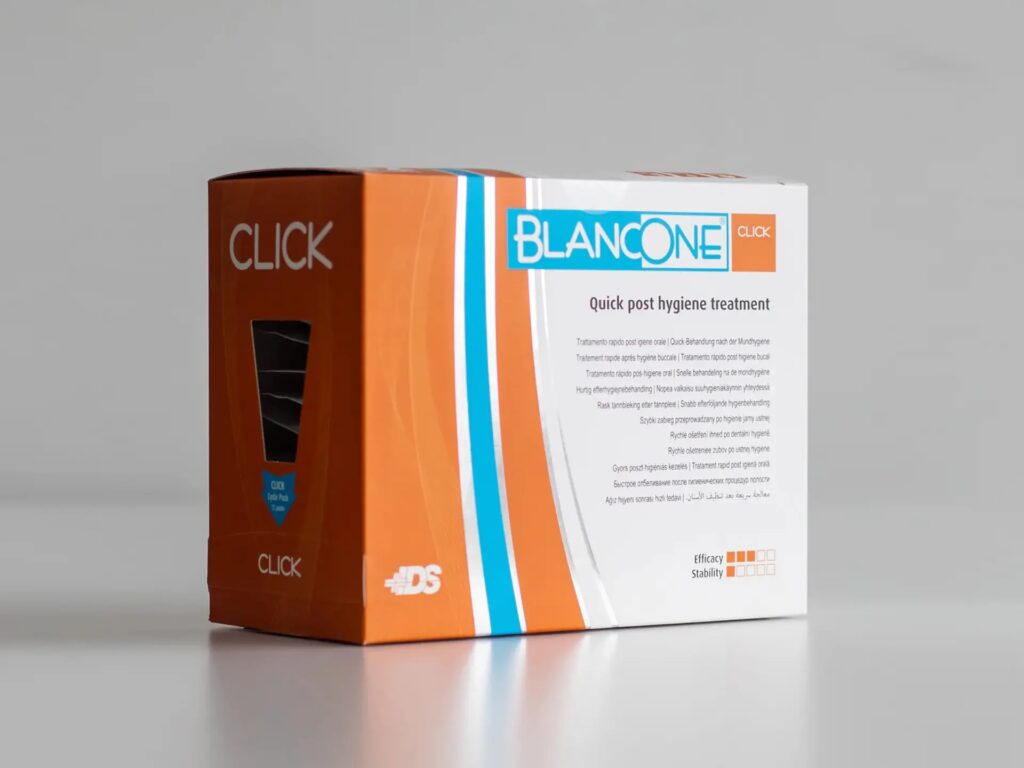
| BlancOne® Click in-office teeth whitening (10 minutes) | S$475 | Quick brightening, often combined with cleaning |
| BlancOne® Ultra in-office whitening (30 minutes) | S$875 | Stronger in clinic whitening with a gentle protocol |
These options suit different needs. Some patients want a quick brightening boost for a radiant smile. Others want stronger in-clinic teeth-whitening results. Some prefer a gradual, controlled at-home whitening approach using a teeth-whitening kit and professional guidance.
If you are looking for value, the best approach is one that fits your teeth and avoids repeat spending from patchy whitening results or tooth sensitivity from DIY overuse.
How TEETH @ Tiong Bahru Can Help
Properly performed LED teeth whitening is a safe, conservative way to brighten natural teeth and achieve a whiter smile. In-office teeth whitening offers faster, more predictable results, while dentist-guided home trays, if better suited to your needs, allow for a gradual approach. Maintain good oral hygiene and floss regularly between whitening treatments for lasting dental care.
TEETH @ Tiong Bahru offers cosmetic dentistry consultations to assess your teeth, discuss outcomes, and recommend a comfortable, safe, and natural-looking whitening plan. Whether you want a radiant smile, a confident smile, or simply to brighten teeth for everyday confidence, our dental office is here to help. Call us today to schedule your appointment at our dental clinic for a brighter smile.