If your tooth is throbbing, painful when you chew, or sensitive to cold, you may need a root canal or a dental implant. Both are good solutions, but the ultimate choice depends on whether your natural tooth can be successfully repaired and retained.
The quick answer:
- Root Canal Treatment: A root canal saves your natural tooth. A dentist removes the infection from the tooth and then seals it with a filling or a cap (crown) to protect it.
- Dental Implant: A dental implant is a method to replace a tooth that is too damaged to be saved. The process involves removing the bad tooth, placing a small post (the implant) into your jawbone, allowing that to heal, and then attaching a new artificial tooth to the post.
If a tooth is predictably restorable, a root canal is often the best option. If it is not, a replacement is safer.
At TEETH @ Tiong Bahru, we first check your mouth and take X-rays. We then create a treatment plan focused on how well your teeth function, how comfortable you will feel, and how to maintain your oral health for years to come.
How These Treatments Help
What a Root Canal Fixes
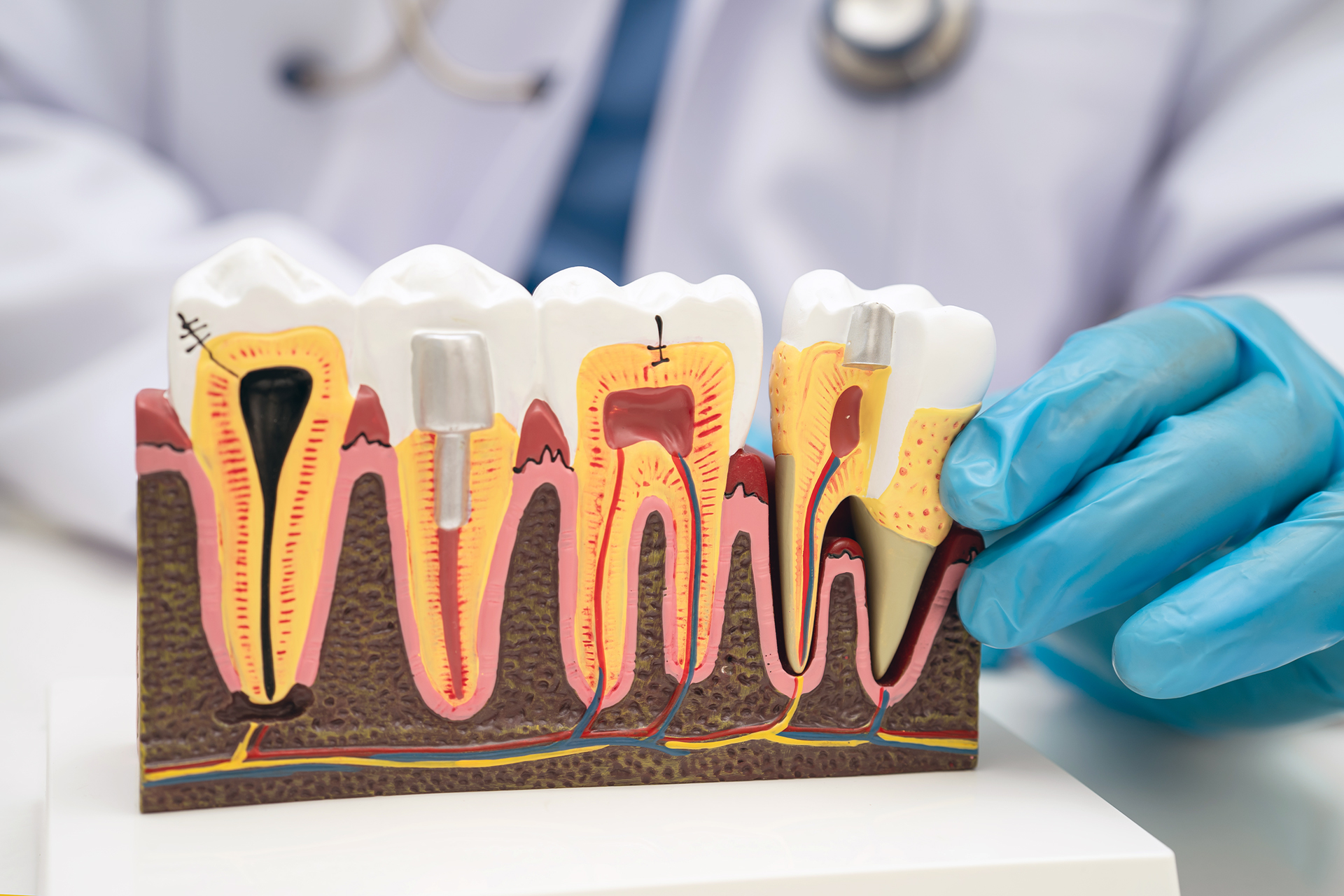
Your tooth has a soft centre called the pulp, which contains nerves and blood vessels. If bacteria enter this area through a deep hole caused by decay, cracks, or an injury, the pulp can become infected or swell. This can cause:
- Your tooth hurts from cold or hot drinks
- Pain when you bite down
- A pulsing pain that comes and goes
- Swelling, a bad taste, or a small bump on your gum near the tooth
A root canal removes the infected portion, flushes the canal to remove bacteria, and then seals it to prevent future infection. It saves the tooth.
What an Implant Fixes
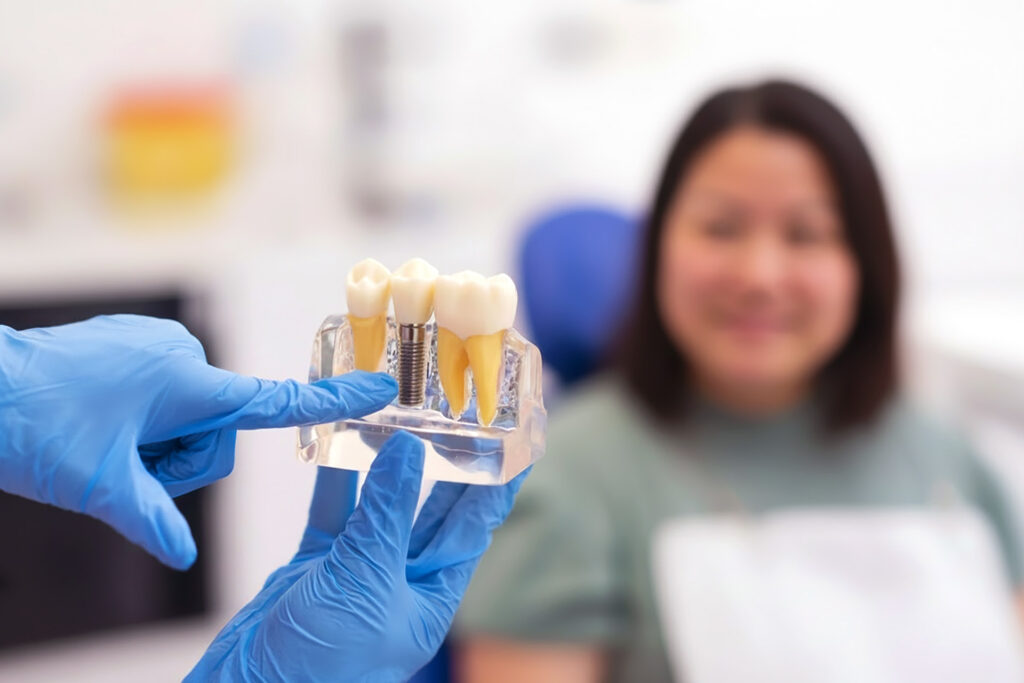
An implant is not used to treat a sick tooth. It is used to replace a missing tooth or one that has to be removed due to irreparable damage. An implant is a strong metal screw placed in your jawbone. Once it heals, a replacement tooth or root canal crown is placed on top.
That’s why comparing a tooth implant vs a root canal is like comparing apples and oranges. One saves your natural tooth. The other replaces a missing tooth. They serve different functions, and root canal treatment vs implants are very different procedures.
How We Choose to Fix or Replace It
We usually pick a root canal over an implant when:
- There is enough tooth left to put back together
- The tooth is cracked, but the crack does not go all the way down the root
- The gums and bone holding the tooth are healthy and strong
- We can protect the tooth well with a filling, or, usually, a cap
This is common for molars because they do the hard work of chewing. Losing a back tooth can mess up your bite and make the teeth on the other side work too hard. Replacing the tooth is usually the better choice if the tooth cannot be saved reliably
We usually pick an implant over a root canal when:
- The tooth is broken below the gum line and cannot be rebuilt
- The crack goes all the way down the root (vertical root fracture)
- The tooth has too much decay, and very little healthy tooth is left
- There is bad gum disease, and the tooth does not have good support
- A previous root canal did not work, and fixing it again will probably not work; the tooth will keep causing problems
In these situations, attempting to save the tooth often results in recurring pain and additional costs.
What Do the Treatments Feel Like?
A root canal is performed under local anaesthesia, just like a long filling. A root canal treatment shouldn’t be painful during the procedure. Afterwards, your tooth might be sore for a few days, especially when you bite down. Many patients find that the root canal appointment itself is much easier than the bad toothache they had beforehand.
Implants require minor dental surgery. The area is completely numb, and the tooth is extracted, so the surgery itself is usually comfortable, but you should expect some soreness for a few days afterwards. If the dentist must add extra bone, recovery may be more challenging, and healing may take longer.
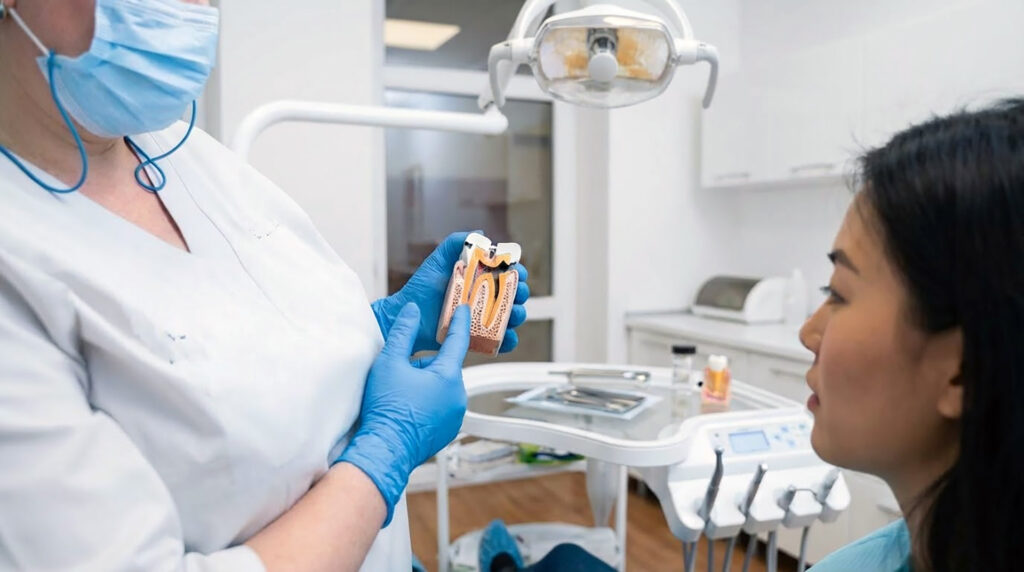
Treatment Steps
Root canal procedure
- Check-up: Your dentist examines your tooth and takes X-rays to determine the problem.
- Numbing: The area is numbed to prevent pain.
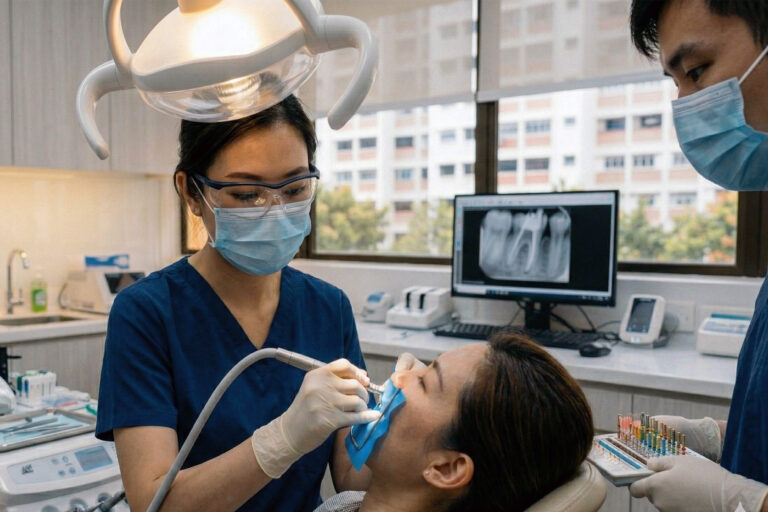
- Deep Cleaning: The dentist removes the infected or damaged pulp inside the tooth.
- Sealing: The cleaned-out canals are filled and sealed.
- Temporary Fix: A temporary filling may be placed if you need to return for a second visit to complete the treatment.
- Permanent Cap: A final cap or cover, often called a crown, is put on top of the tooth to protect it from cracking.
A root canal saves the core of your natural tooth, and the crown acts like a helmet to prevent it from breaking. If you have a root canal but skip a crown, the tooth may fracture afterwards, which is a common reason the treatment does not last.
Implant procedure
- Planning: The dentist examines your mouth and takes scans to determine the exact placement of the implant.
- Removal: If the affected tooth remains, it is removed.
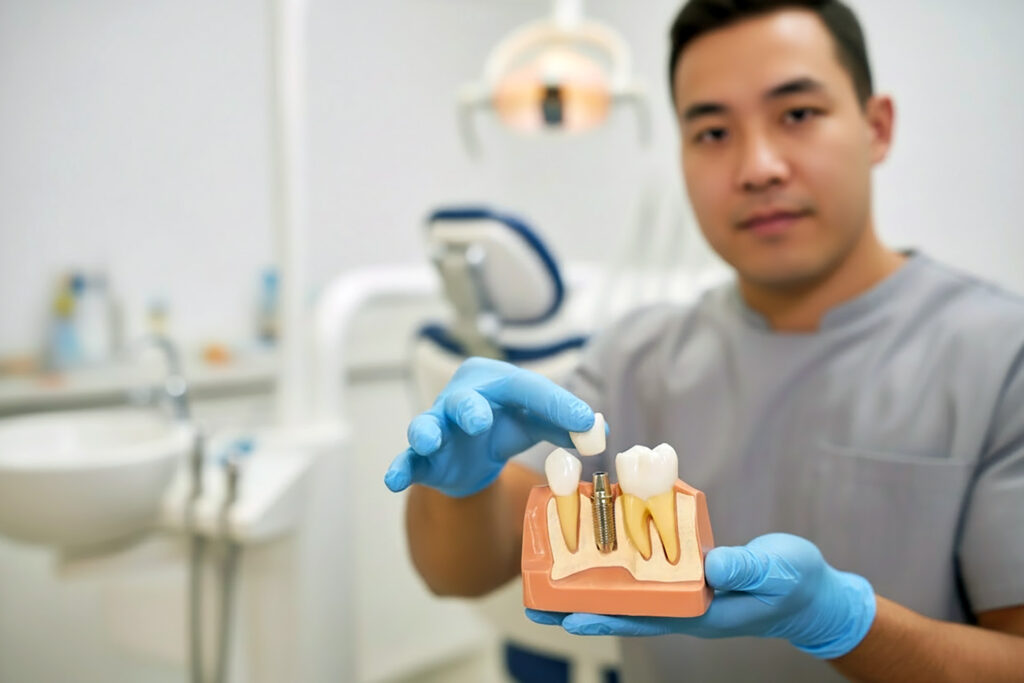
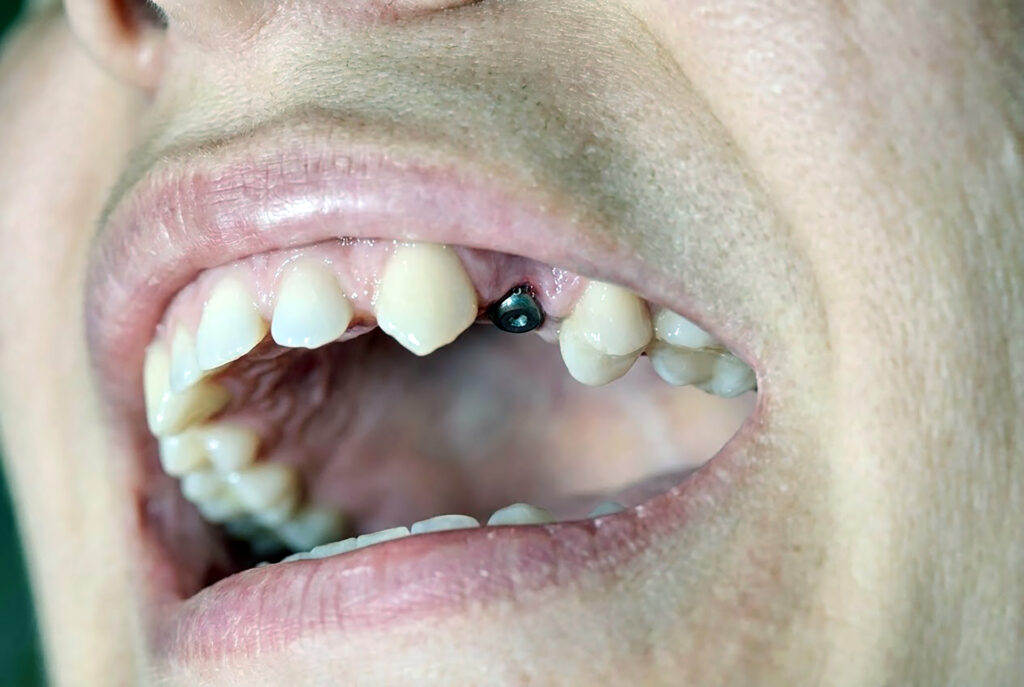
- Implant Post: A titanium post is surgically placed into your jawbone to act as a new root.
- Recovery: You wait several months for the bone to heal and fuse tightly around the implant, a process called integration.
- New Tooth: Once healed, a connector and the final artificial tooth are attached to the post.
- Check-ups: Regular visits are needed to ensure your gums around the new implant remain healthy.
Implants are a great option for replacing a tooth, but they need the same care and regular check-ups as your natural teeth to keep the surrounding gums healthy.
Recovery Timeline
Recovery time is one of the many factors to consider when evaluating the pros and cons of root canal treatment versus implant placement.
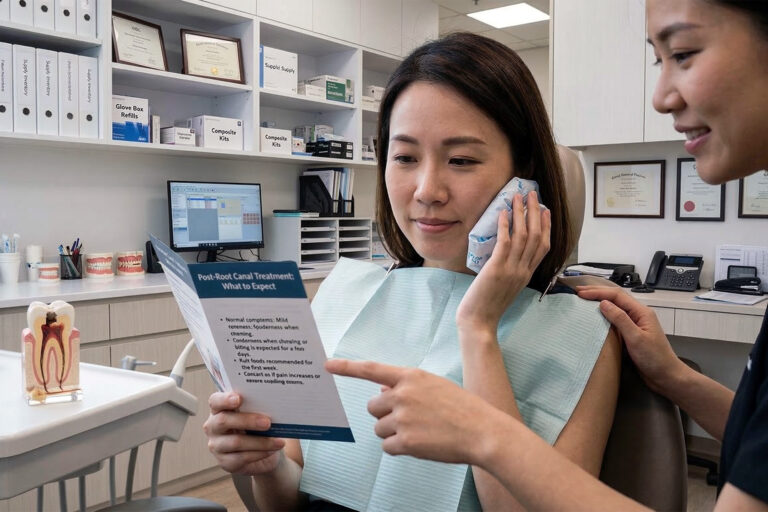
After a root canal, most patients return to normal quickly. However, you should avoid chewing hard foods until you receive the final crown or permanent filling. You may take pain medication as needed and return for your follow-up appointment to complete the restoration.
For an implant, the healing process happens in stages. We recommend eating soft foods for a short time and avoiding chewing on the area where the implant was placed. You will need to clean the area carefully in accordance with our instructions and return for follow-up visits during the healing period.
Root Canal vs Implant Cost
When comparing the cost of a dental implant with that of a root canal, consider the total treatment cost, not just the initial procedure. A root canal often requires an additional crown, making the cost of the full procedure the appropriate comparison to the implant cost. In Singapore, the former is usually less expensive. The total cost of a dental implant includes tooth removal (if needed), implant placement, connectors, the final crown, and possibly bone grafting, all of which increase the upfront cost.
TEETH @ Tiong Bahru provides a clear, complete cost breakdown following the assessment. Here is a general range of the cost of root canal and crown vs implant:
| Procedure | Details | Costs |
| Root Canal* | Incisors, canines and premolars | $491.00 to $872.00 |
| Molars | $927.00 to $1,199.00 | |
| Dental Crown | $1,199.00 to $1.889.50 | |
| Dental Implant | Including Crown | $3,924.00 to $5,232.00 |
*Additional procedures or re-treatment may increase the overall cost of your root canal treatment.
TEETH @ Tiong Bahru is accredited by the Ministry of Health and the Central Provident Fund (CPF) Board. Therefore, you may be able to use your MediSave account in Singapore to cover certain surgical procedures.
How Long Does a Root Canal or a Dental Implant Last?
Both a tooth with a root canal and a dental implant can last for many years, but both require attentive care to stay healthy.
The lifespan of a root canal depends on a good filling or crown and proper brushing and flossing. Problems often arise from new cavities, cracks, or issues with the crown or filling seal.
Dental implants also last a long time, but they aren’t a ‘set it and forget it’ situation. If you do not keep an implant clean or if you smoke, the gums around the implant can get inflamed. Regular check-ups with your dentist are important for both treatments
Root canal retreatment may be needed for leakage, missed anatomy, or reinfection. The choice between a dental implant and root canal retreatment depends on the tooth’s restorability and the patient’s long-term prognosis. Some teeth are worth retreating; others are better replaced.
When to See a Dentist
If you have facial swelling, a fever, trouble swallowing, worsening pain that keeps you up at night, or a bad taste in your mouth, you should see a dentist immediately or seek urgent care. These symptoms may indicate a serious infection that requires immediate attention to prevent complications. Do not wait for these issues to get better on their own.
When a tooth can be saved and rebuilt, procedures that weigh root canal treatment against implant placement often favour saving the natural tooth. When the tooth is unsalvageable, an implant may be the safer, more stable choice.
Deciding between a root canal and an implant? Our root canal specialists team at TEETH @ Tiong Bahru can assist. Book a consultation for a full explanation of your situation, both options, and a tailored plan for your comfort and long-term oral health.