
What Are Cavities on the Front Teeth
Cavities can occur on any tooth, including the highly visible front teeth. Many people think only molars can get decay, but can front teeth get cavities? Absolutely. The enamel on front teeth is thinner and more prone to erosion, especially near the gumline or between teeth, where brushing may not be as effective. Gum recession can expose the roots of front teeth, making them more sensitive and prone to decay since there is no enamel on the roots.
Importantly, a cavity in the front teeth is more than just cosmetic. It means enamel erosion caused by acids produced when bacteria in the mouth feed on sugars, plaque or sugary food. Since these teeth are so visible, decay can quickly affect confidence, speech and eating comfort.
In Singapore, where our dietary habits often include sweetened beverages and snacks, front tooth decay is a common concern. The good news is that with proper oral hygiene and professional intervention, most cavities on front teeth can be treated and restored discreetly, especially when tackled early.

What Causes Cavities in Front Teeth
The leading cause of a cavity in front teeth is prolonged exposure to plaque. Plaque is a sticky film of bacteria that feeds on sugars and carbohydrates left behind after eating. When not removed, these bacteria produce acids that demineralise enamel, creating small holes or soft spots. Over time, these lesions deepen into full-blown cavities.
A cavity between front teeth often occurs because these tight spaces are hard to reach with a toothbrush alone. Inadequate flossing allows food debris and bacteria to sit undisturbed, accelerating decay. Other contributing factors include frequent snacking, poor fluoride exposure, dry mouth (from medications or dehydration), and enamel erosion from acidic foods or drinks.
Children and adults can experience this type of decay, especially if orthodontic appliances or misaligned teeth make cleaning difficult. In young children, baby bottles can cause severe cavities in the front teeth. This occurs when sugary drinks are left in the bottle for too long, allowing bacteria to produce acid that rapidly damages the front teeth.

Front vs Back Teeth Cavities
Front teeth and back teeth serve different purposes in your mouth, and these differences affect where tooth cavities develop. Front teeth or incisors are designed for cutting and biting into food. They have a smoother, flatter surface, which makes them easier to clean and less likely to trap food particles. As a result, front tooth cavities are often linked to poor oral hygiene and frequent snacking on sugary foods or acidic drinks.
Back teeth, or molars and premolars, are for grinding and chewing. Their tooth surfaces are rougher, with deep grooves and pits that can trap food particles and bacteria. This makes back teeth more prone to tooth decay and dental caries, especially if brushing and flossing are not thorough.

Recognise the Signs Early
When decay occurs between front teeth, it can remain hidden until you develop a sensitivity to sweets, cold drinks or when biting. Early detection is key. Initial signs of decay on front teeth often appear as faint white spots in areas where minerals are being lost from the enamel. These white spots are the earliest stage of tooth cavity development and can sometimes be reversed with prompt care and fluoride treatments.
As the tooth cavity progresses, these spots may become light brown as decay advances, and you may notice roughness or a small hole near the gumline or along the side of the tooth. When decay breaks through the enamel at this point, intervention is needed to prevent further damage.
Bad breath, discomfort while flossing or visible discolouration are also red flags.

Front Teeth Cavity Treatment
Patients ask: How are front tooth cavities filled differently from those at the back of the mouth? The main difference is precision and aesthetics. For front teeth, dentists prioritise translucency and shape to ensure the restoration blends in with surrounding teeth.
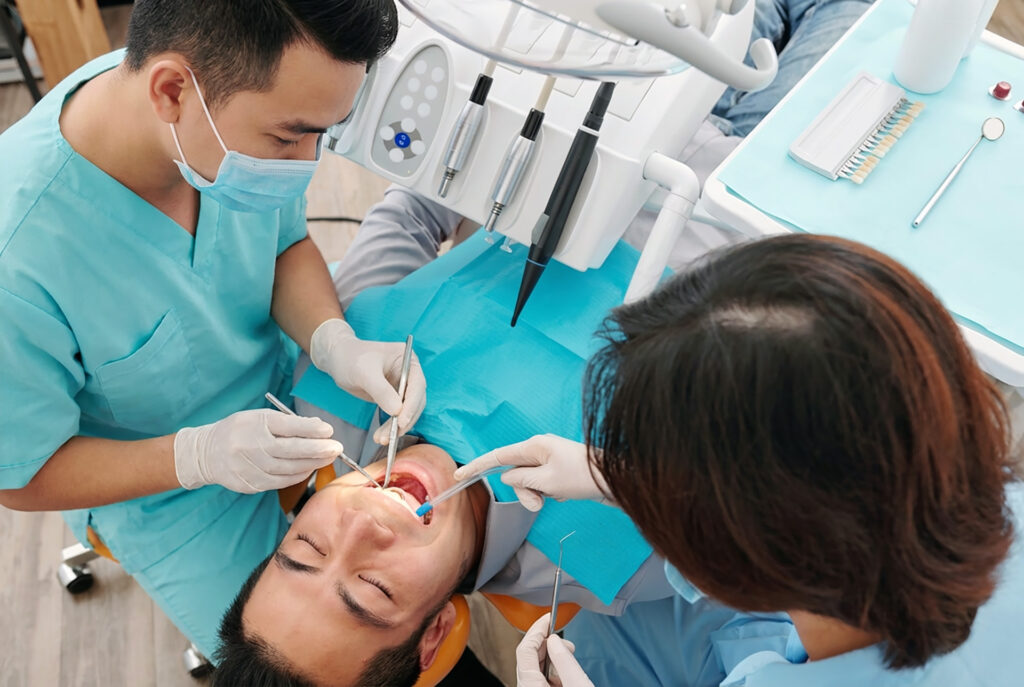
The front teeth cavity treatment process begins with removing the decayed portion of the tooth under local anaesthetic to ensure comfort. Once the decay is removed, the tooth is cleaned and disinfected. A composite resin, matched to your natural tooth shade to ensure the restoration matches your tooth colour for a seamless appearance, is then layered and sculpted to rebuild the missing enamel.
For larger cavities, dentists may recommend porcelain or composite resin veneers to cover the entire front surface of the tooth and achieve a natural look. Some restorations, such as dental crowns, may cover the whole tooth, especially in cases of extensive decay. These restorations protect the tooth and preserve appearance, especially for larger or recurring cavities.
What If The Decay Is Severe?
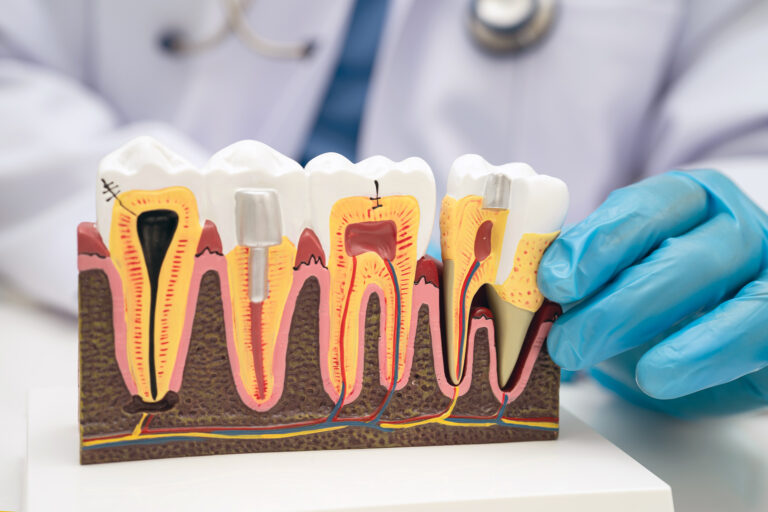
If left untreated, a cavity can penetrate the dentin and reach the inner layers of the tooth, affecting the pulp, which contains nerves and blood vessels. In these cases, root canal treatment may be needed to remove the infected tissue before sealing the tooth. Removing the infected tissue during root canal treatment prevents further infection. Afterwards, a dental crown is usually placed to protect and restore the tooth, especially when the entire tooth structure is compromised. Dental crowns restore both function and appearance.
In rare cases where decay has destroyed too much of the tooth structure, extraction might be the only option. Early intervention prevents these complications and makes treatment much simpler and cheaper.
Cavities Between Front Teeth
A cavity between front teeth is tricky to treat because it forms in tight, hard-to-reach spaces. Dentists detect these cavities through bitewing X-rays, which reveal decay between adjacent teeth. To treat cavities between the front teeth, dentists use minimally invasive techniques to remove the decayed tissue and restore the teeth with composite resin.
The goal is to preserve natural spacing and maintain bite alignment. In more advanced cases, minor reshaping or orthodontic assessment may be required to prevent the future trapping of plaque and food particles. For patients concerned about appearance, dentists can blend the restoration so that it’s almost undetectable when you smile or talk. In all cases, earlier treatment is better for a front tooth cavity, so visit your dentist promptly if you believe you have one.
Preventing Cavities on Front Teeth
The best way to handle front tooth cavities is to prevent them entirely. Regular brushing with fluoride toothpaste and daily flossing are your first line of defence. Focus on gentle, circular brushing motions near the gumline and along the inner surfaces of your front teeth.
Since a cavity between front teeth often develops where floss doesn’t reach properly, using an interdental brush or water flosser can help remove hidden debris. Early-stage cavities can be reversed with fluoride treatments.
Lifestyle habits matter too. Reduce sugary snacks and acidic drinks, especially between meals, to minimise acid attacks on enamel. Drink water after meals and chew sugar-free gum to stimulate saliva, which helps to remineralise teeth. Eat a balanced diet rich in nutrients for overall dental health. Regular professional cleanings go a long way toward strong teeth and cavity prevention, as they help detect cavities and other dental problems early and treat them promptly for better long-term oral health.

Dry Mouth and Oral Health
Dry mouth, or xerostomia, can significantly impact your oral health by increasing the risk of tooth decay and other dental problems. Saliva is essential for neutralising acids, washing away food particles and helping to remineralise your teeth. When your mouth is dry, harmful bacteria can thrive, leading to more cavities and discomfort.
Common causes of dry mouth include certain medications, medical conditions, and lifestyle habits such as smoking or mouth breathing. To combat dry mouth and cavities, drink plenty of water throughout the day. Chewing sugar-free candies can stimulate saliva production, as can using a humidifier at night to add moisture to the air. Regular dental visits and good oral hygiene are also key to managing dry mouth and maintaining healthy teeth.
How Much Does Cavity Treatment Cost in Singapore?
The cost of treating a front tooth cavity in Singapore depends on the extent of the decay and the restoration required. A simple composite filling ranges from $87.20 to $185.30 per tooth at TEETH @ Tiong Bahru. If the cavity is big or between multiple teeth, the cost may increase. For example, a veneer can cost over $1,199. So, early treatment saves significantly compared to treating advanced decay or infection later.
TEETH @ Tiong Bahru offers transparent pricing and personalised general dentistry treatments tailored to clinical needs and aesthetic expectations.
How Long Does a Front Tooth Filling Last?
Composite dental fillings on front teeth generally last between 5 and 10 years, depending on oral habits, diet and maintenance. Avoid biting hard foods, chewing ice, or using your front teeth to open packaging, as these habits can chip fillings. Regular dental check-ups ensure the restoration remains intact and that no secondary decay forms beneath it. Dentists may also polish or adjust the filling over time to keep your smile smooth and natural.
At TEETH @ Tiong Bahru, patients often come in thinking a front tooth stain is just cosmetic, only to find out it’s a cavity. The good news is that early treatment can restore both health and appearance in one appointment.
Protect Your Smile
Cavities on front teeth can be embarrassing, particularly when they affect confidence and appearance. Whether it’s a small cavity between front teeth or deeper decay requiring more advanced care, professional treatment prevents complications and gives long-term results. If you suspect a cavity in front teeth or have noticed sensitivity, discolouration, or discomfort, don’t wait for symptoms to worsen.\
Contact TEETH @ Tiong Bahru to schedule a dental checkup. Our experienced dental team will assess your condition, explain your treatment options for your front teeth cavities, and help you get back a healthy, confident smile with precision and care.