When your child’s smile starts to change as baby teeth fall out and permanent ones come in, it’s normal to have questions about orthodontic care. Thankfully, braces for kids have come a long way, offering solutions for young mouths that not only straighten teeth but also guide jaw development, enhancing a child’s smile and confidence.
In Singapore, parents are increasingly seeking the best braces for kids to address issues early and avoid more complex problems down the road. This is known as interceptive orthodontics and can start as early as age 6 or 7.
There are different types of kids’ braces, ranging from traditional metal braces to ceramic braces and invisible aligners, to suit various needs. Whether it’s crowding, gaps, or bite misalignment, timely orthodontic treatment for children can significantly improve comfort and self-esteem during a child’s formative years.
At TEETH @ Tiong Bahru, our dental clinic has extensive experience in treating children’s teeth with customised solutions. Our braces for kids in Singapore are designed to fit each child’s dental structure, growth stage, and lifestyle, ensuring treatment is both effective and comfortable.

Why Kids Need Braces
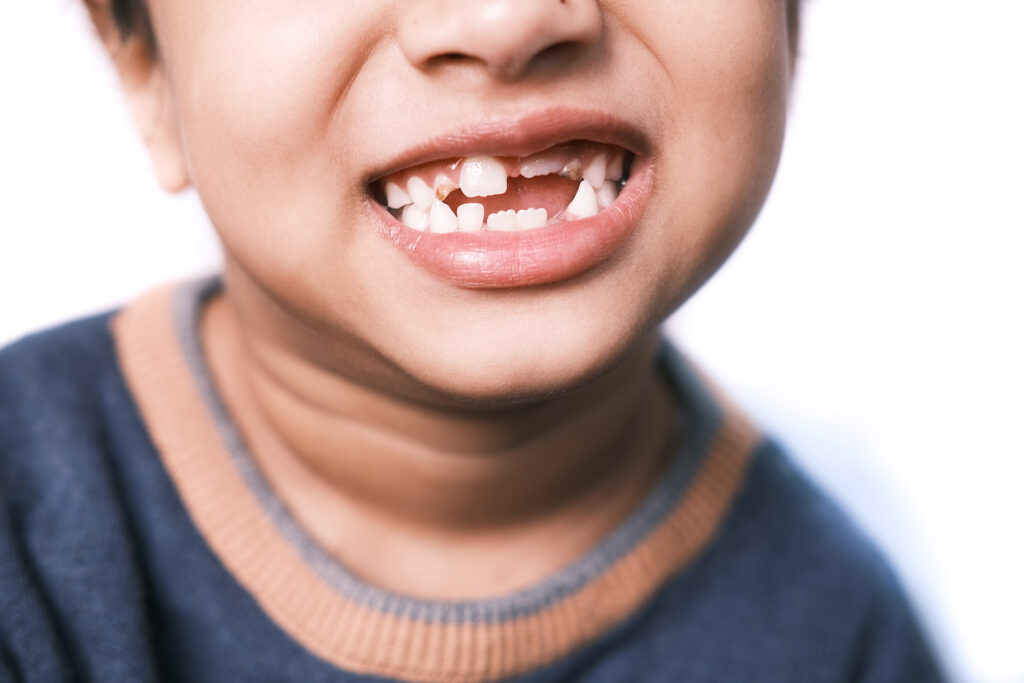
Common signs that a child may need braces include difficulty chewing, mouth breathing, crooked or crowded teeth, and noticeable gaps between teeth. These issues can make oral hygiene difficult and increase the risk of decay and gum disease.
Orthodontic treatment is most effective during childhood as the jaw is still developing. Early intervention allows for easier tooth realignment and can sometimes prevent the need for more invasive treatments later.
Regular dental visits help identify these signs early, often around ages 6 to 7, when permanent teeth start to emerge, allowing dentists to monitor children’s teeth for early signs of orthodontic issues.
Are Braces Worth It for Kids?
Many parents ask, “Are braces worth it for young kids?” The answer is a big yes, both from a functional and emotional perspective. Straight teeth are easier to clean, reducing the risk of cavities and gum problems. Proper alignment also ensures even bite pressure, reducing the risk of jaw pain and tooth wear as a child grows.
Beyond better dental health, braces give children the confidence to smile freely. Studies have shown that self-esteem often improves after orthodontic treatment, especially during teenage years when confidence plays a significant role in social development.
Lastly, from a financial perspective, investing in orthodontic care during childhood can lead to savings on more costly dental treatments later in life.
Types of Braces for Kids
Fixed Braces
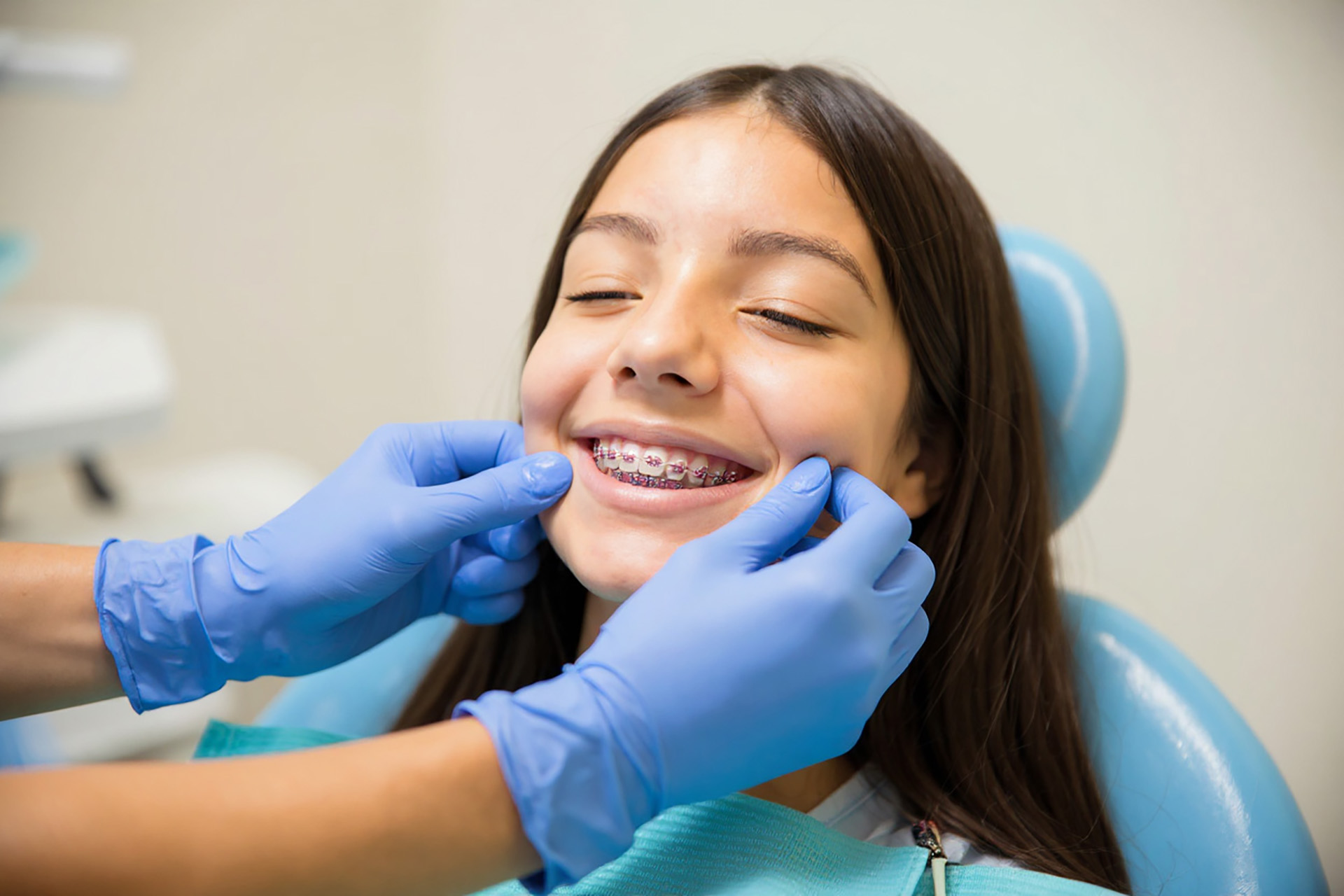
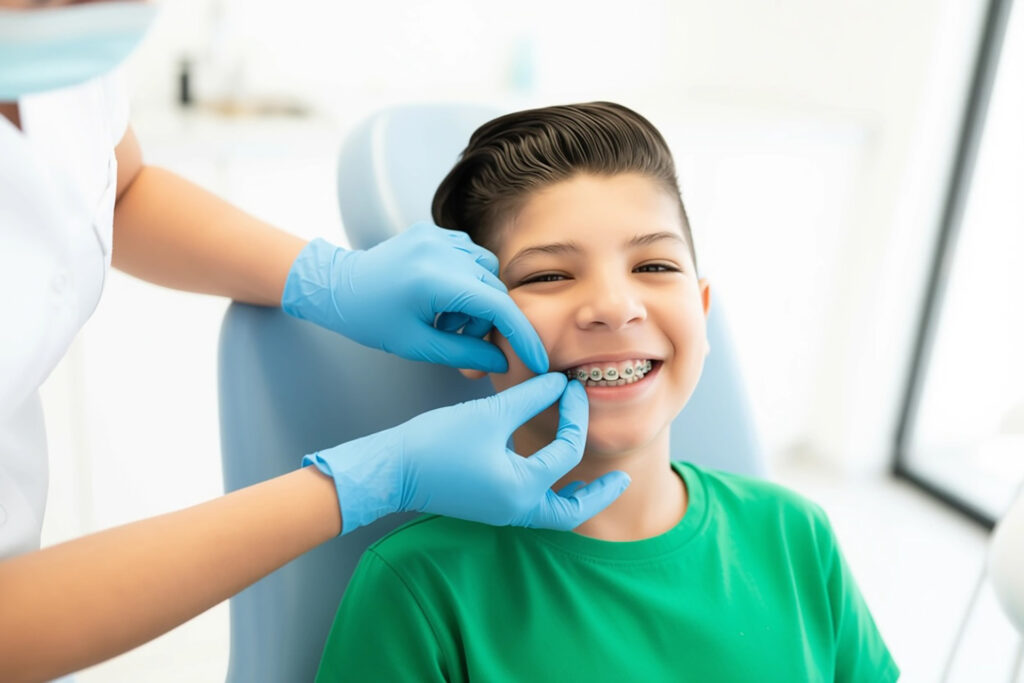
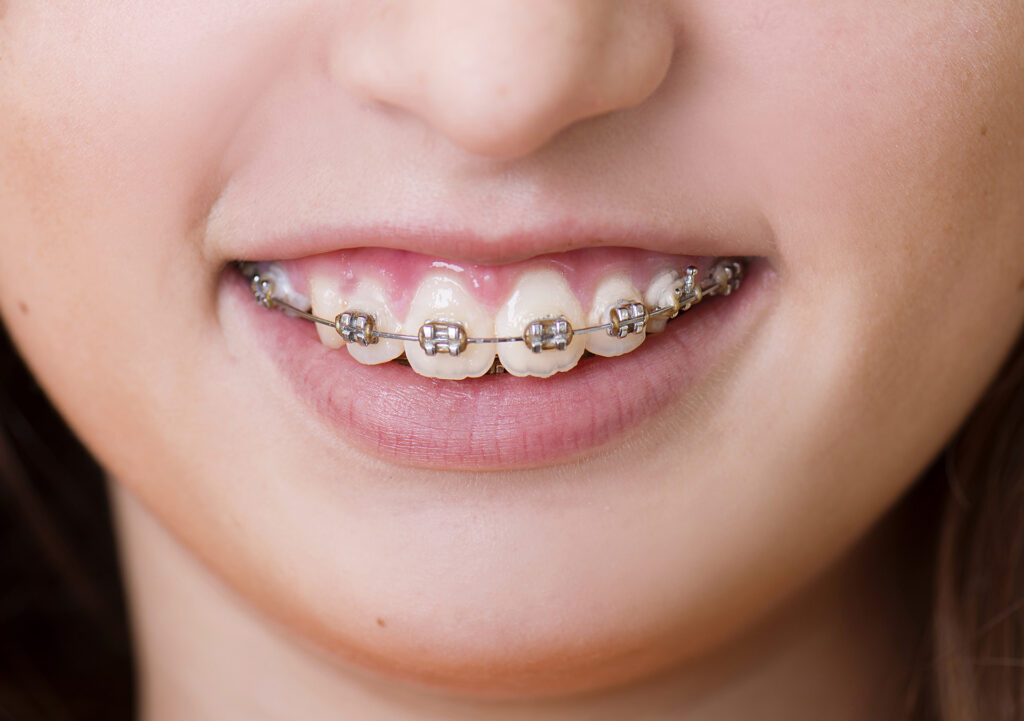
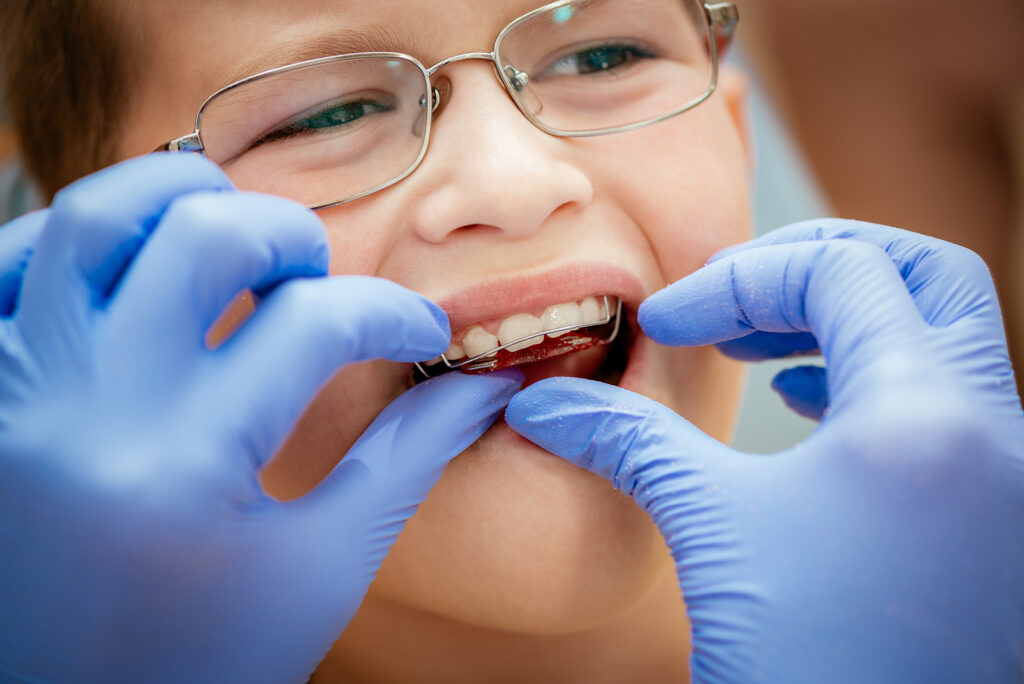
Traditional fixed braces are often considered the best option for kids, particularly when addressing moderate to severe misalignment. These braces consist of small metal brackets attached to the teeth, connected by wires that gently guide teeth into place.
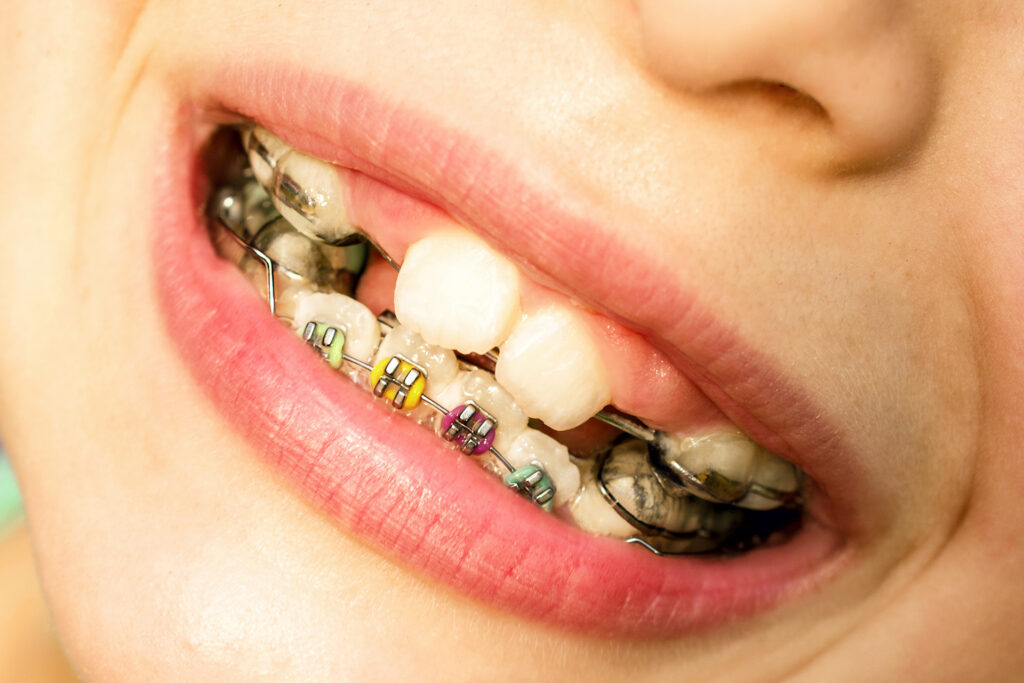
They offer high precision and control, making them ideal for complex orthodontic cases. Rubber bands are often used with fixed braces to help correct bite issues by applying additional pressure and come in various colours for customisation. Today’s braces are more comfortable and aesthetically refined than before, with smaller, smoother brackets. Some kids even enjoy personalising their braces with coloured bands. Maintenance requires consistent brushing and flossing to prevent plaque buildup, though the braces themselves are very durable.
At TEETH @ Tiong Bahru, our orthodontists educate children and their parents on caring for their braces throughout treatment.
Clear Braces for Kids
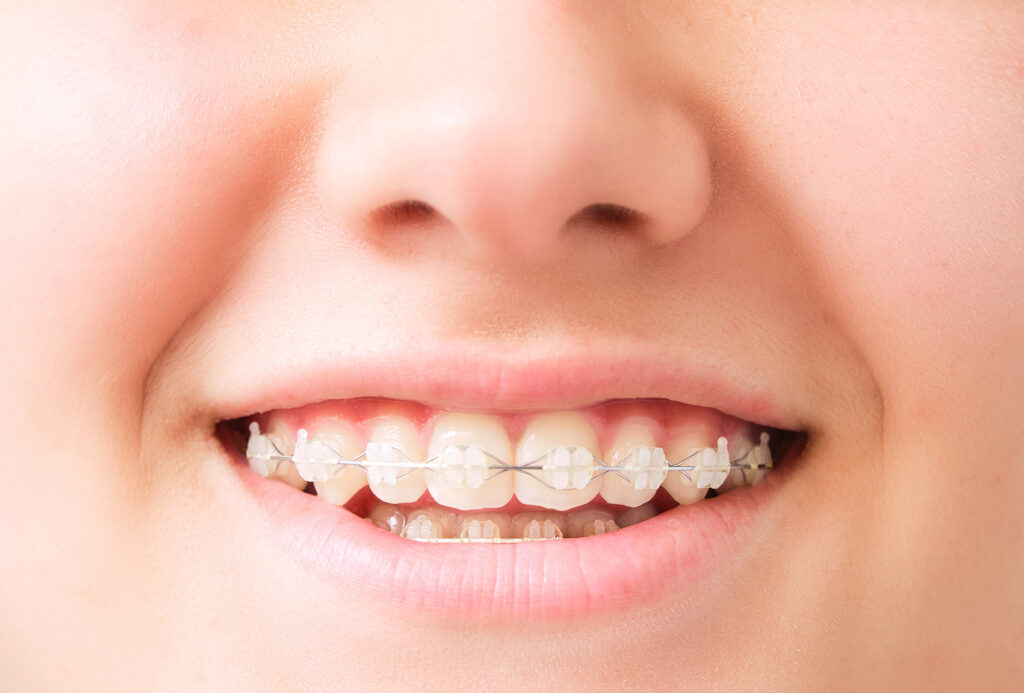
For kids who feel uneasy about the look of traditional metal braces, discreet orthodontic options can make treatment more appealing. Clear braces for kids utilise tooth-coloured materials that blend seamlessly with natural teeth, providing a less noticeable appearance compared to their metal counterparts.
While slightly less durable than metal and a bit pricier, ceramic braces provide the same reliable correction for issues like crowding, gaps, or misaligned bites, making them a strong contender for the best braces for kids seeking a balance of function and aesthetics. Maintenance is similar to that of metal braces, requiring careful brushing to prevent staining. However, the understated look helps kids feel less self-conscious throughout their orthodontic journey.
Invisalign First™ and Invisalign Teen
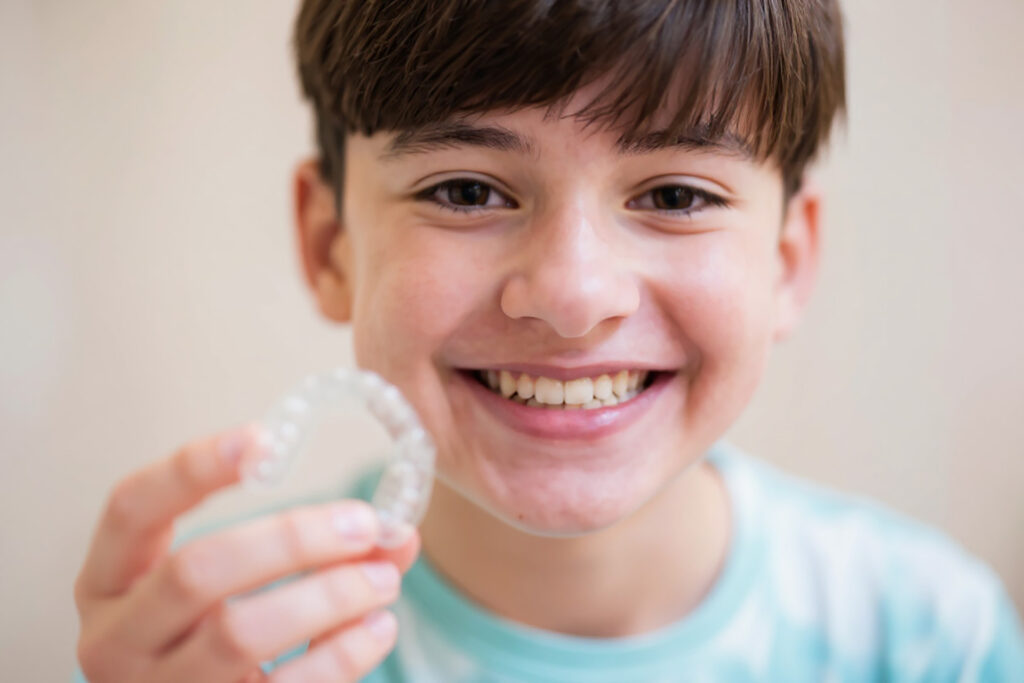
Invisible aligners are a modern, discreet alternative to traditional braces. Clear aligner systems such as Invisalign First and Invisalign Teen offer invisible braces for kids that are comfortable and convenient. Clear aligners, such as Invisalign®, are a removable and virtually invisible option for older children and teens with mild orthodontic needs.
Invisalign First is designed for younger children aged 6 and above who are still in their early mixed dentition stage (when baby and adult teeth coexist). These aligners gently and gradually guide erupting teeth into their ideal positions while allowing for normal jaw development. They are removable, making eating, brushing and flossing easier than with fixed braces.
Invisalign Teen, on the other hand, is for adolescents with fully erupted permanent teeth. It uses SmartTrack, a proprietary material developed by Invisalign to enhance the effectiveness of its clear aligners, material for precise, controlled movement and includes wear-time indicators to ensure compliance. The aligners are clear and nearly invisible, making it an attractive option for teens who are self-conscious about traditional braces.
At TEETH @ Tiong Bahru, our orthodontists use advanced digital scanning to map tooth movement and plan the entire Invisalign process, ensuring every stage of treatment aligns with the patient’s needs.
Cost of Braces for Kids in Singapore
When it comes to the cost of children’s braces, pricing varies based on the complexity of the case, the type of dental braces (traditional, ceramic, or invisible aligners), colour preference, and treatment duration.
On average, the costs are as follows:
- Traditional metal braces in Singapore range from $3,800 to $5,500.
- Clear or ceramic braces cost slightly more, ranging from $4,500 to $6,500, due to material and aesthetic considerations.
- Invisalign First or Invisalign Teen typically costs between $4,500 and $8,000, depending on the specific treatment plan and the number of aligner stages required.
While Invisalign has a higher upfront cost, it offers unparalleled comfort, easier maintenance, and fewer emergency visits than fixed braces.
Most clinics, including TEETH @ Tiong Bahru, offer flexible payment options to help families manage the cost of braces for kids throughout treatment.

What to Expect during Orthodontic Treatment
At TEETH @ Tiong Bahru, our dentist performs a full assessment that includes digital scans, X-rays and bite analysis to determine the best approach.
Once a treatment plan is finalised, the journey typically takes 12 to 24 months. However, some complex cases (such as severe crowding, jaw misalignment, or compliance challenges) may take up to 36 months, depending on the child’s dental condition and treatment response.
During the process, regular follow-up visits allow for adjustments and progress monitoring. For children with Invisalign, digital scans enable accurate tracking of movement without the need for messy impressions. Parents also play a significant role by encouraging proper hygiene and ensuring children follow dietary and care instructions. After the braces are removed, retainers help maintain results and prevent teeth from shifting. Retainers should be worn for several months to a year to ensure the teeth remain in their new positions.
Best Age for Braces
One of the most common questions parents ask about orthodontic treatment is: “When is the best age for my child to get braces?”. Orthodontists generally recommend that children have their first orthodontic evaluation by age 6. At this stage, a mix of baby and permanent teeth is present, allowing the orthodontist to assess dental development and identify early signs of dental misalignments or bite issues.
In some cases, orthodontists may recommend interceptive braces treatment as early as 6 years old, if there are specific concerns such as severe crowding, crossbites, or other dental misalignments. Early intervention can address these issues before they become more complicated, often making the second phase of treatment shorter and more effective once all permanent teeth have erupted.
While an initial assessment can occur earlier, the ideal age to start braces treatment is usually between 10 and 14 years old. During these years, most children have lost all their baby teeth, and their permanent teeth are emerging as the jawbone continues to grow. This growth period is an excellent opportunity for orthodontic care, as the teeth can be guided more easily into their correct positions, and early intervention can prevent more complex problems from developing.
For some children, it may be best to wait until most or all of their permanent teeth are in place, which typically occurs around 15 or 16 years old. A thorough examination by an orthodontist will help determine the right timing and create a personalised treatment plan for your child.
Regardless of when your child begins braces treatment, maintaining good oral hygiene habits is essential. Regular brushing, flossing and dental check-ups help prevent tooth decay and gum disease, ensuring the best possible outcome for your child’s oral health and confident smile. By following the orthodontist’s recommendations and investing in early orthodontic care, you can help your child have a healthy, beautiful smile for life.
Long-Term Benefits of Braces
Beyond a straighter smile, braces help improve the health and function of your teeth. Proper alignment enables even pressure distribution during chewing, thereby reducing enamel wear and preventing temporomandibular joint (TMJ) discomfort.
Correcting bite problems early can also improve speech development. From a psychological standpoint, children who undergo orthodontic treatment often report higher self-confidence, a benefit that extends far beyond their teenage years.
Lastly, well-aligned teeth simplify brushing and flossing, lowering the risk of cavities and gum disease, which can persist into adulthood if left untreated.
Choosing the Right Braces for Kids
When deciding between composite braces, ceramic braces or Invisalign, factors such as age, lifestyle and the severity of misalignment come into play.
For younger children with developing jaws, early-phase orthodontics such as Invisalign First can guide growth. For teenagers, aesthetic preferences and social comfort may influence the decision between clear or invisible braces.
The best braces for kids are those that cater to their dental and emotional needs. A thorough orthodontic consultation ensures the chosen method delivers long-term results that suit your child’s needs.
If you’re looking for braces for kids in Singapore, our team at TEETH @ Tiong Bahru will guide you and customise a treatment plan. From traditional fixed braces to Invisalign First and Invisalign Teen, we ensure that every child receives the right care tailored to their age and lifestyle.
Book an appointment today with TEETH @ Tiong Bahru to discover how we can help your child achieve a healthy and confident smile for life.