What Is Natural Teeth Whitening?
At TEETH @ Tiong Bahru, we meet patients who have tried everything from charcoal powders to lemon rinses, searching for a brighter, healthier smile without committing to professional teeth whitening. While some home teeth-whitening approaches are sensible and low-risk, others slowly wear down tooth enamel, making your teeth look yellower and more sensitive over time.
If you are searching for how to whiten your teeth naturally, keep one idea in mind: teeth have an endemic base shade. Natural teeth whitening means improving the appearance of your teeth by removing stains.
Natural teeth whitening is about reducing tooth stains and preventing new ones, not changing your teeth into a brand-new colour overnight. These methods can help you get closer to that base shade, but they rarely move far beyond it. If you want whiter teeth, understanding what these approaches cannot accomplish matters.
Most ‘natural’ approaches work in one of three ways: mild abrasion to polish surface stains, improved plaque control to prevent stains from sticking, or diet changes to reduce staining triggers. What they cannot do well is remove deep internal discolouration. This is best accomplished by professional teeth whitening procedures. To naturally whiten teeth and support oral health. Consistency matters more than intensity, especially when unsupervised intensity can potentially cause damage.
Why Teeth Lose Their Whiteness
Teeth appear darker mainly due to surface staining, tooth enamel wear and plaque buildup. Drinks such as coffee, tea and red wine can stain teeth if drunk frequently. Sipping kopi during a long morning meeting or snacking often between meals keeps pigments, food particles, and acids in contact with tooth enamel for longer.
Over time, enamel can also thin slightly, revealing the naturally warmer tooth structure beneath, giving the appearance of yellow teeth.
There is also a difference between extrinsic tooth stains and intrinsic tooth discolouration. Extrinsic stains sit on the enamel and often respond well to cleaning, good oral hygiene, and gentle whitening techniques. Intrinsic discolouration occurs within the tooth and can be linked to age, trauma, or an exposure to medication during tooth development. Intrinsic discolouration may not respond much to natural methods, even with consistent care.
Signs Your Teeth are Stained, and Not ‘Unhealthy’
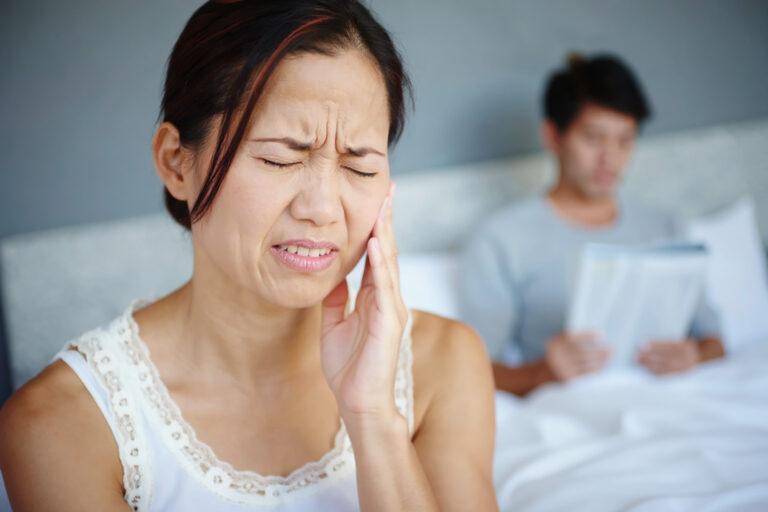
Staining is usually a cosmetic concern. You may notice a yellow cast in photos, darker grooves near the gumline, or uneven colour between teeth. If your gums are healthy and you have no pain, you can explore safe home options. If you also have bleeding gums, bad breath that does not improve with cleaning, or sharp tooth sensitivity, treat these issues first by visiting a dentist and getting professional help.
Whitening teeth on top of inflammation, tooth decay, or poor dental hygiene can worsen your discomfort and mask the real problem. In all situations, prioritise dental health before cosmetic goals.
When to See a Dentist
You should see a dentist if your teeth are changing colour quickly, have one tooth that is noticeably darker, or have a lingering tooth sensitivity. A single dark tooth can signal trauma or nerve changes that require assessment by a dentist.
It is also worth seeing a dentist if you have tried natural methods at home for several weeks with little change. That often means the stain is deeper than surface-level, or that plaque and tartar need to be removed.
Diagnosis
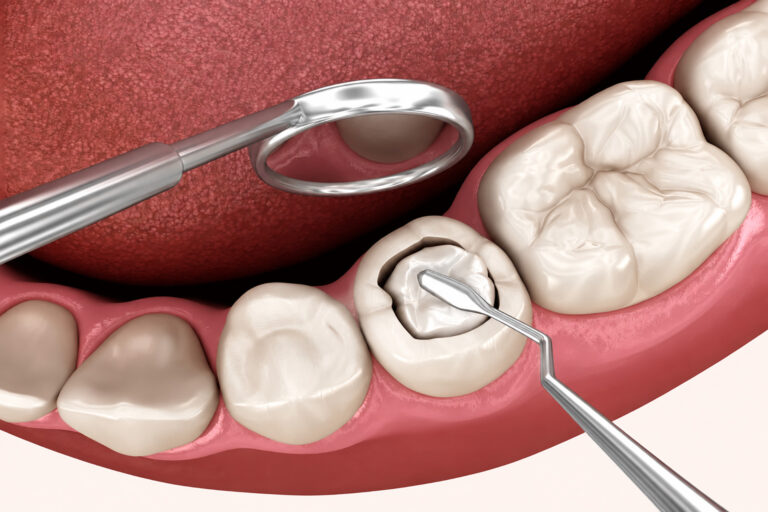
At TEETH @ Tiong Bahru, a dental professional begins the diagnosis by checking for plaque, tartar, tooth enamel wear, exposed roots, tooth decay, and old fillings. We also look at your gum health, because inflamed gums are more likely to sting with any whitening product, even mild ones, and can cause tooth sensitivity. If needed, we recommend a clean first, since stained tartar can make teeth look darker even when the enamel is healthy.
We also talk through expectations. If you have crowns or fillings on your front teeth, teeth whitening, professional or natural, will not change their colour.
11 Natural Ways to Whiten Teeth at Home
Natural teeth whitening methods work best when they are gentle and consistent. Here are 11 natural ways to whiten your teeth at home that prioritise safety, drawing on low-risk, natural teeth-whitening remedies.
They are also the most practical route if you want to whiten your teeth naturally without triggering tooth sensitivity. If you want to know how to whiten sensitive teeth naturally, consider these approaches:
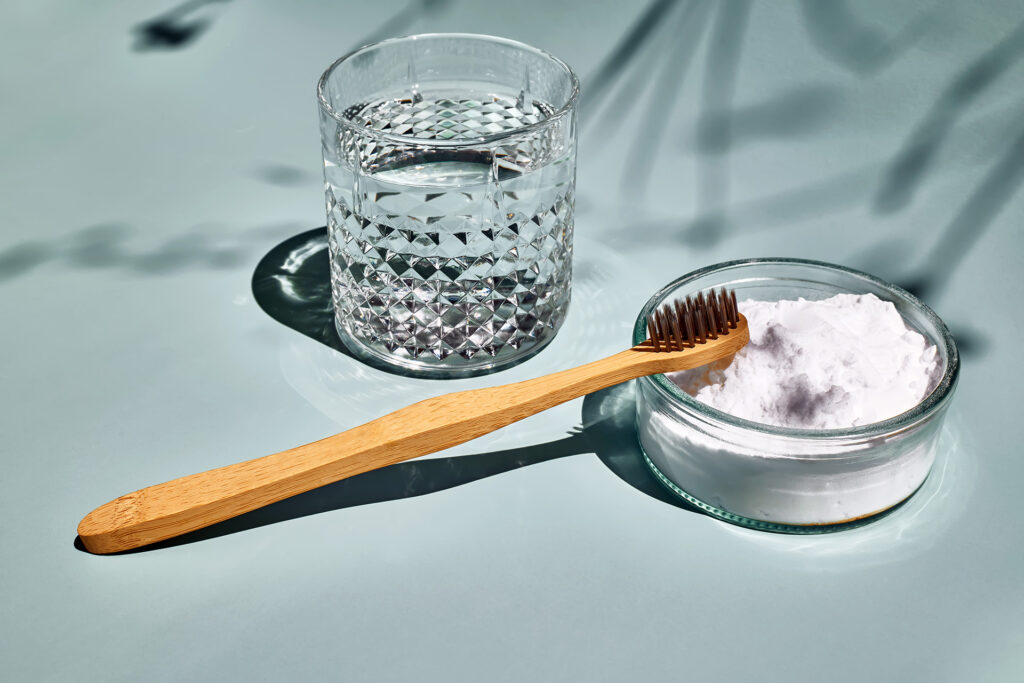
- Baking soda paste: Mix baking soda with water to create a mild abrasive paste that buffs away surface stains a few times per week. Baking soda is a natural bleaching agent with a mild whitening effect that can remove surface stains, making it one of the most popular natural whitening methods.
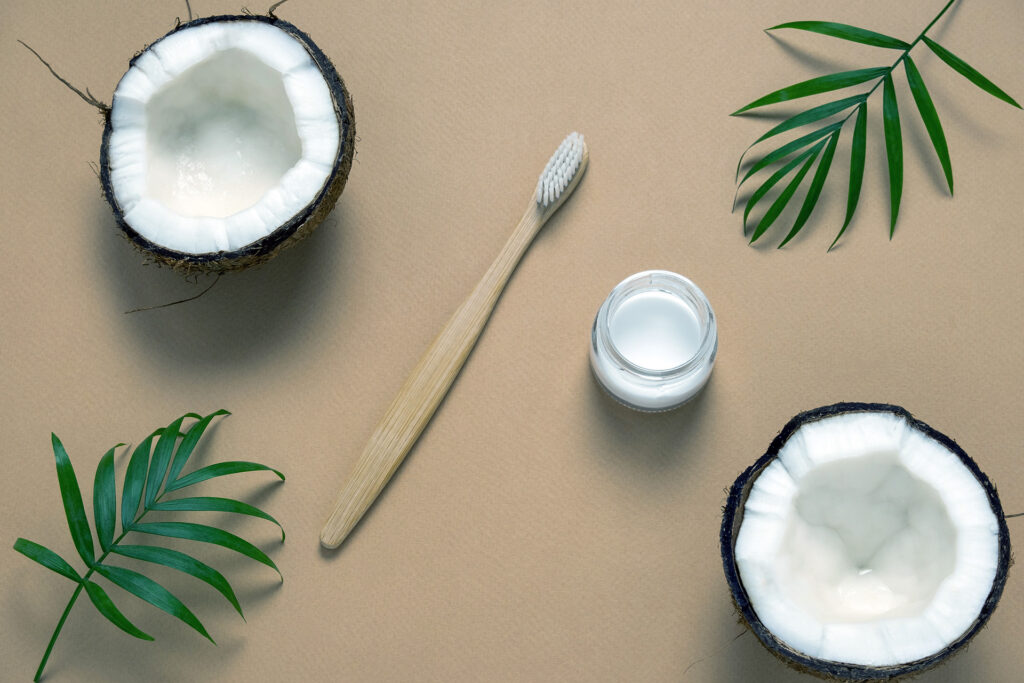
- Oil pulling with coconut oil: Oil pulling involves swishing a tablespoon of coconut oil or sesame oil for 15 to 20 minutes daily to draw out bacteria and reduce plaque buildup. This practice has natural whitening properties and can support your dental health.
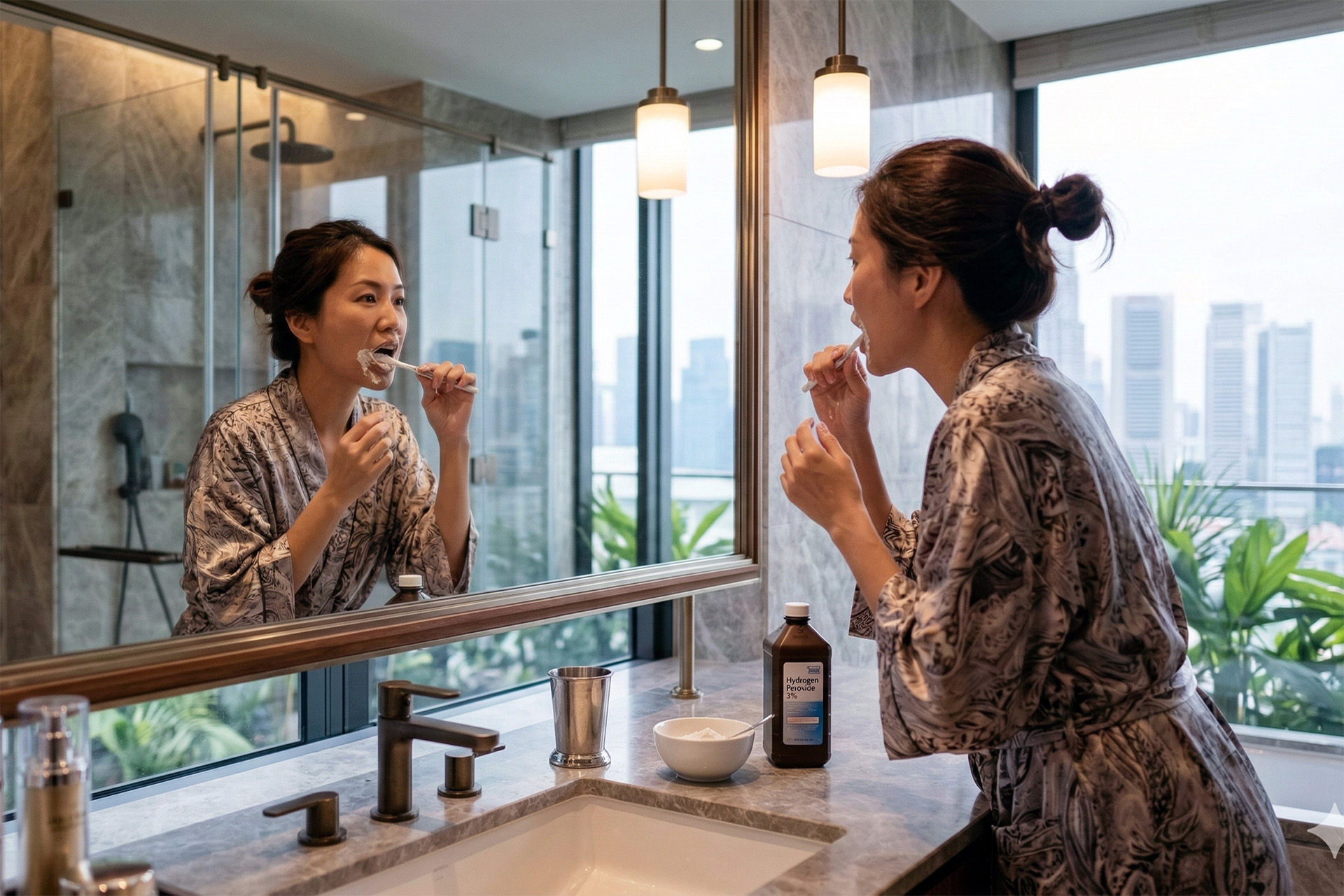
- Hydrogen peroxide rinse: Dilute food-grade hydrogen peroxide (1 to 3%) with an equal volume of water, then swish for 30 to 60 seconds before brushing. Hydrogen peroxide is a whitening agent used in many teeth whitening products.
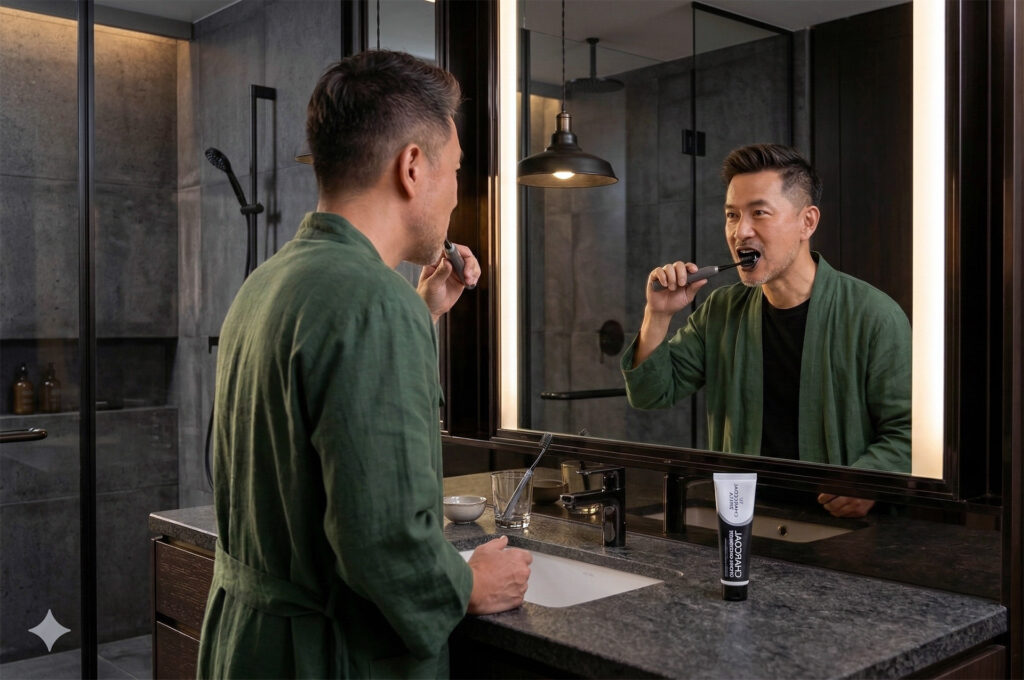
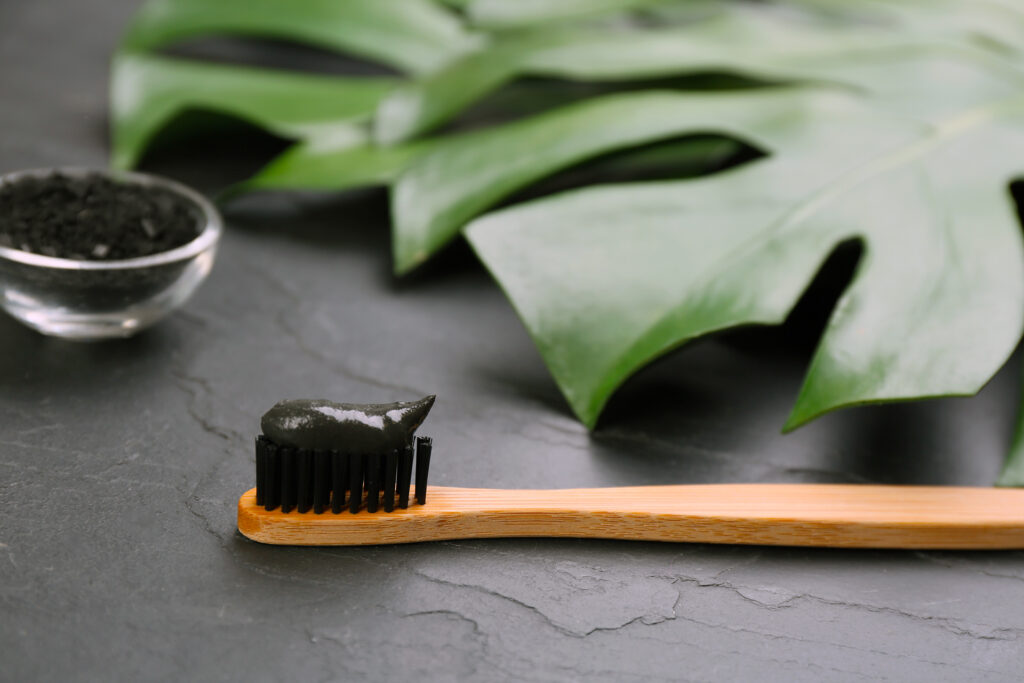
- Activated charcoal brushing: Apply finely ground activated charcoal to a wet toothbrush, then gently brush for 2 minutes to absorb tannins and other staining compounds from the tooth surface.
- Strawberry and baking soda scrub: Mash a ripe strawberry with a pinch of baking soda, then apply the mixture to teeth for 3 to 5 minutes; the malic acid from the strawberry helps remove surface stains and make teeth whiter.
- Apple cider vinegar rinse: Dilute with 2 parts water, swish for about 30 seconds, then rinse thoroughly. However, it is important to note that apple cider vinegar does not necessarily whiten teeth and can damage tooth enamel when used excessively.
- Turmeric paste: Mix turmeric powder with oil to form a paste and brush your teeth for two to three minutes to help lift stains.
- Crunchy fruits and vegetables: Eating apples, celery, and carrots acts as a natural scrub that can remove stains from the enamel. These are foods that naturally whiten teeth through gentle abrasion.
- Fruit peel rub: Rub the inner white side of a banana or orange peel across your teeth for 2 to 3 minutes, as the minerals and d-limonene help break down staining buildup.
- Kaolin clay brushing: Dip a toothbrush into food-grade kaolin clay powder, then brush your teeth gently for 2 minutes; the fine particles polish enamel without harshness.
- Sea salt rinse: Dissolve half a teaspoon of fine sea salt in warm water and swish for 30 to 60 seconds to reduce stain-causing bacteria and gently scrub discolouration from enamel.
Before trying any of these options, make sure you speak with a dental professional, as some options may not be helpful. Beyond these methods, good oral hygiene habits help maintain white teeth and prevent new staining. Do the following regularly:
- Brush your teeth twice daily with a whitening and fluoride toothpaste.
- Use an electric toothbrush, which can be more effective at removing plaque and whitening teeth.
- Use a fluoride mouthwash after meals to support oral health.
- Floss or use interdental brushes daily to remove plaque between teeth, where stains often hide.
- Time your brushing after acidic foods: after citrus, vinegar or fizzy drinks, wait about an hour before brushing so you do not scrub softened enamel.
- Rinse with water after coffee or tea: a quick rinse reduces the time the pigment is in contact with the surface. This is a simple but effective option for daily kopi and teh drinkers.
If you are looking for how to whiten teeth quickly and naturally, the honest answer is: you can often improve surface stains within a few weeks if your routine is consistent, but you cannot safely rush a deep shade change with DIY acids or harsh abrasives. Before trying any of the options above, speak with your dental professional to see what’s right for you.
What to Avoid
Some natural home remedies for teeth whitening are trending because they sound simple, not because they are safe or effective.
Lemon juice, apple cider vinegar and other acidic rinses, often recommended as natural teeth-whitening solutions, can erode tooth enamel. Once enamel thins, teeth can look more yellow and feel more sensitive. Activated charcoal can also be abrasive and may wear enamel if used frequently. Hydrogen peroxide is a bleaching agent used in professional teeth whitening, but it should be used with caution at home. Overuse can irritate gums and increase sensitivity.
If you are considering at-home teeth whitening products such as whitening strips or toothpaste, it is safer to discuss them with a dentist first.
When Natural Methods Are Not Enough
When natural methods cannot remove deeper discolouration, professional teeth whitening treatments are usually more effective and safer for tooth enamel.
Teeth whitening options range from in-clinic chairside tooth whitening to take-home systems. In-clinic professional teeth whitening uses a controlled whitening gel with gum protection to deliver whiter, brighter teeth. Your dentist can also issue you take-home whitening trays with whitening gel that can work well for gradual brightening, whiter teeth, and better control of sensitivity.
Typically, a dentist will start with a simple dental cleaning, such as a scale and polish. Preventing tooth decay and maintaining oral health with proper oral hygiene also helps you naturally whiten your teeth over time. Oil pulling, along with other natural ways to whiten teeth, can complement clinical care to give you a brighter smile and whiter teeth.
Risks and Recovery
Natural approaches are low risk if they focus on gentle cleaning and stain prevention. Risks rise when methods become abrasive or acidic, like with hydrogen peroxide or apple cider vinegar. The most common problems are enamel wear, gum irritation, and sensitivity flare-ups. If you choose to undergo professional whitening, the most common side effect is temporary sensitivity, which usually resolves within days.
How TEETH @ Tiong Bahru Can Help
If you are still wondering how to whiten your teeth naturally, the safest way to improve tooth colour is to start with an accurate diagnosis and a realistic teeth whitening plan. At TEETH @ Tiong Bahru, we check whether stains are surface-level, whether tartar is masking your natural shade, and whether sensitivity has an underlying cause. We then guide you in naturally whitening your smile and achieving brighter teeth.
If you want a bigger change, we can discuss professional whitening to help you achieve a natural-looking smile. If you live or work near Tiong Bahru, it is easy to pop in for a cosmetic dentistry assessment. If you want a plan that protects your teeth and fits your lifestyle, our team at TEETH @ Tiong Bahru can help. Book a consultation today for a brighter smile.