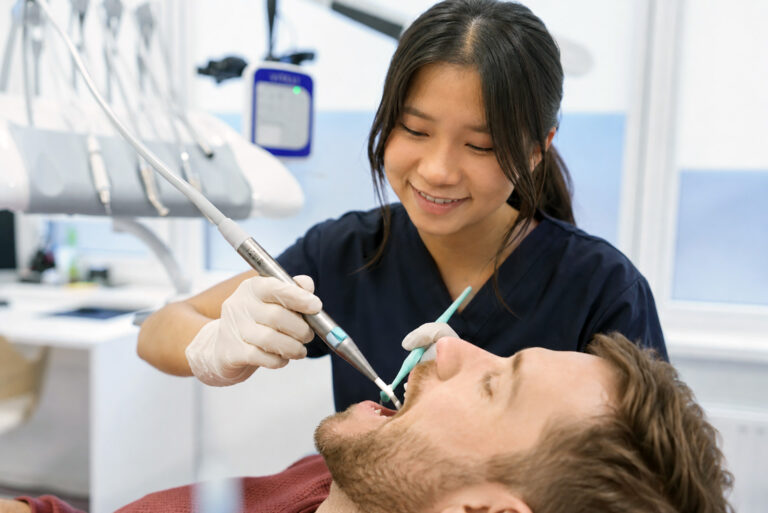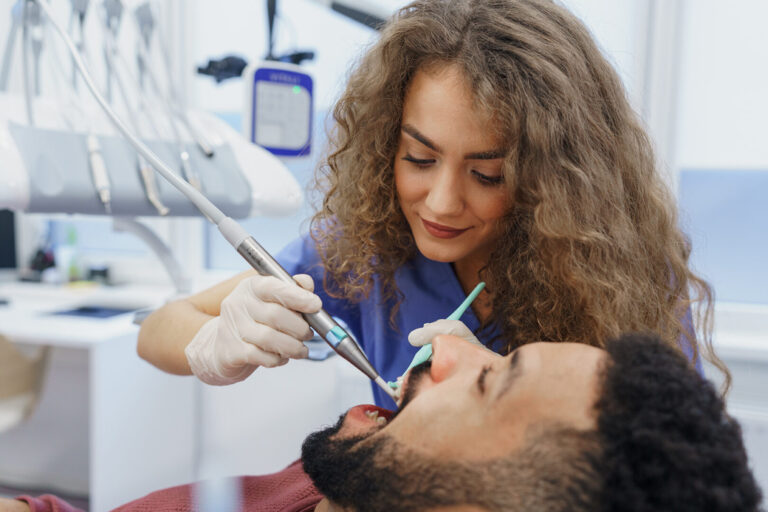
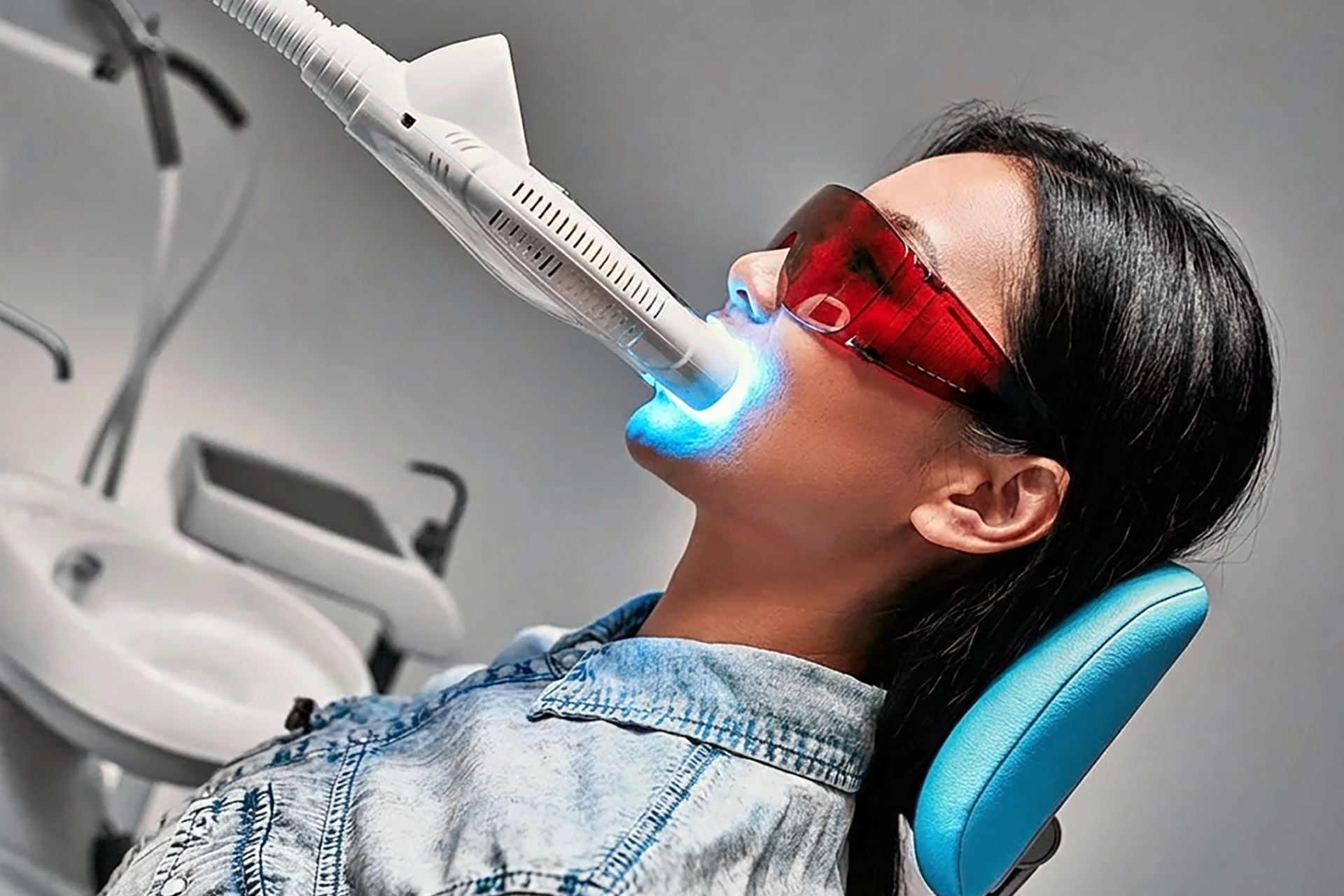
Laser teeth whitening quickly brightens your smile and is among the most effective whitening treatments available at dental clinics today. It works through a professional-strength hydrogen peroxide or carbamide peroxide gel applied to your teeth by the dentist, who then uses a light source to support the whitening process, with gum protection throughout. This action rapidly alters the stain molecules, often making teeth up to 10 shades whiter in a single appointment.
Before the laser teeth whitening procedure, the dentist will perform a basic check for tooth decay, gum disease and existing dental restorations that could affect the final result. If you are currently undergoing orthodontic treatment, whitening treatment may need to wait until after your braces or aligners are removed. Whitening is more successful when your mouth is healthy, and your expectations for the outcome are realistic.
How Does Laser Teeth Whitening Work?
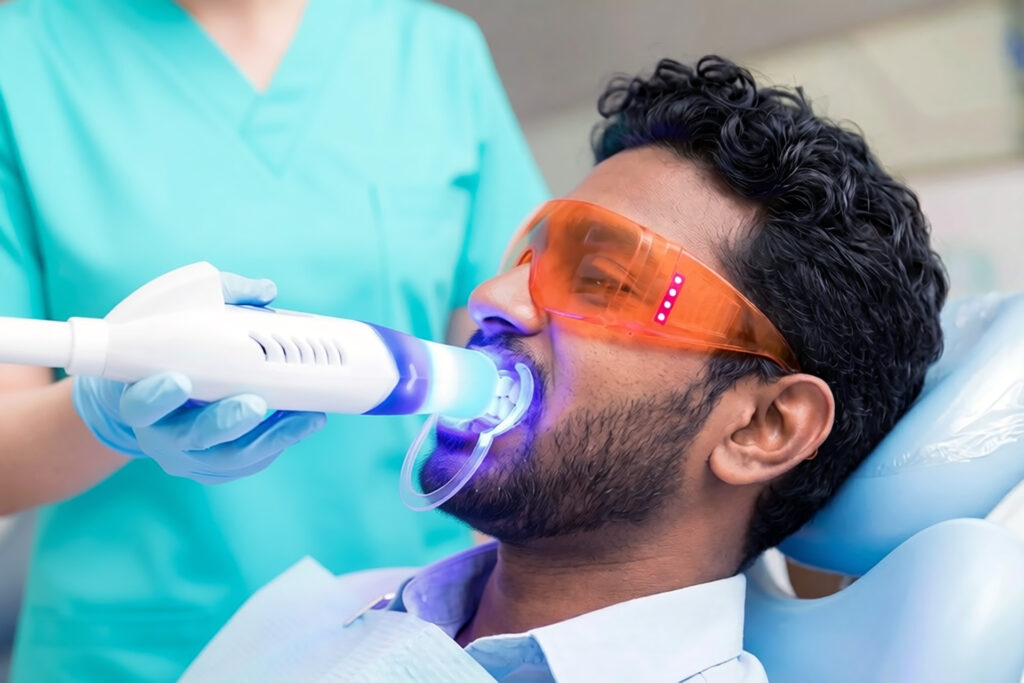
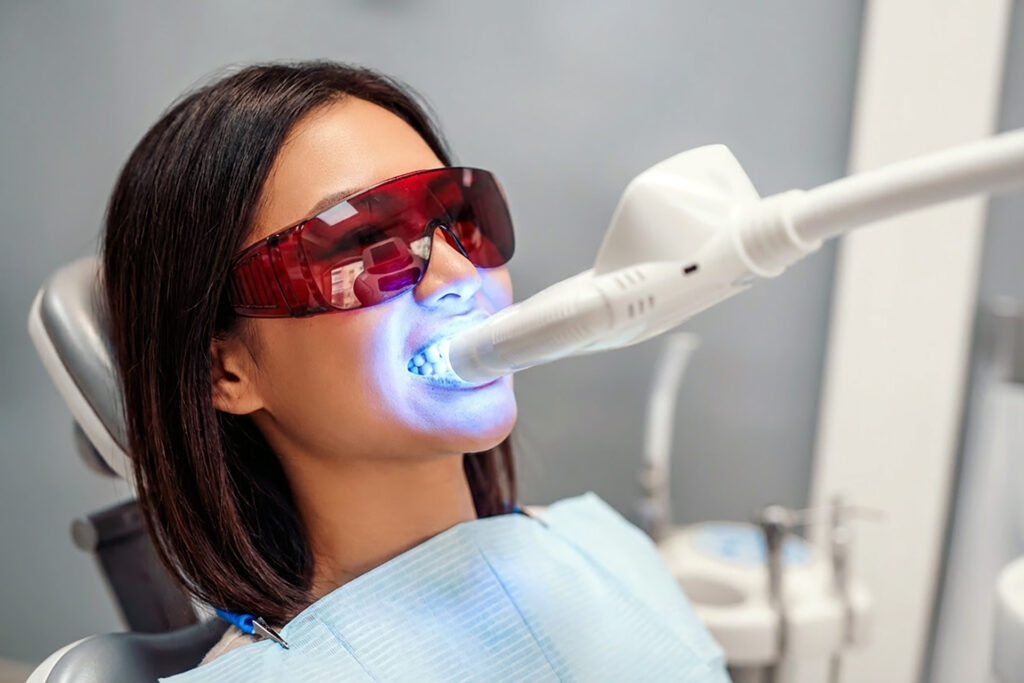
Laser teeth whitening uses a specialised laser to accelerate the bleaching process of a powerful teeth-whitening gel. The laser provides the necessary heat to trigger the chemical reaction; it does not whiten the teeth itself.
The typical laser teeth whitening procedure usually includes the following, in this order:
- Shade Assessment: The dentist determines the current tooth colour using a guide.
- Preparation: A professional cleaning is followed by the application of a protective shield to the gums and soft tissues.
- Gel Application and Activation: A high-concentration bleaching gel is applied and activated. A laser heats the gel, creating microscopic oxygen radicals that remove the stains.
- Stain Removal: These oxygen radicals penetrate enamel and exposed dentin, breaking down discolouration. The bleaching agent in the gel alters stain molecules deep within the tooth structure.
The process involves multiple cycles of applying, leaving it on for a few minutes, and wiping it off. Most sessions take about an hour and deliver noticeable shade improvement after just one dental visit.
Is laser teeth whitening safe? Yes, when performed by a trained dental professional, the procedure is generally safe.
Benefits of Laser Teeth Whitening
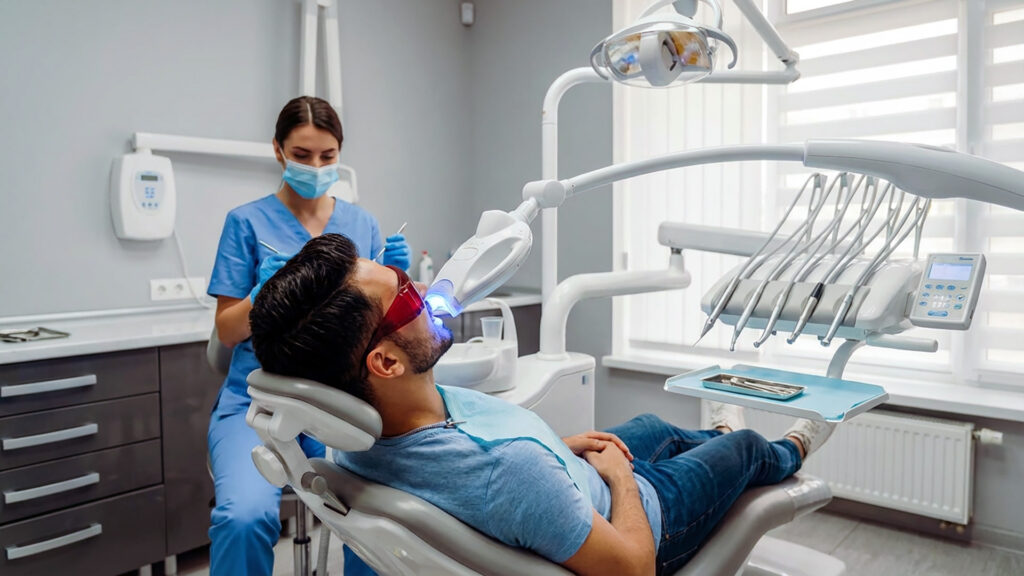
Laser teeth whitening quickly brightens smiles, achieving an eight- to ten-shade difference in a single session, unlike the slower results of home teeth whitening kits. A dental professional precisely controls the bleaching gel and laser power, minimising irritation and uneven whitening, unlike a home kit. The laser activates the gel, enabling it to penetrate deeper into the enamel to remove common surface stains (coffee, tea, wine, and smoking). It works best on yellow and deep stains. Grey or brown stains from medication (such as tetracycline), fluorosis or injury are less responsive to whitening and may require alternative treatments.
Compared with other teeth-whitening methods, such as whitening strips, home kits, or gradual whitening with carbamide peroxide trays, laser teeth whitening delivers the fastest whitening effect. The bleaching agent used in professional teeth whitening is stronger than that in over-the-counter treatments, so results are achieved more quickly.
Who is a Good Candidate for Laser Teeth Whitening?
Laser teeth whitening is a popular and effective way to achieve brighter, whiter teeth. However, it is not the right choice for everyone. Does laser teeth whitening work for all types of stains? Not always. The bleaching gel’s whitening properties are most effective on surface stains and extrinsic tooth discolouration.
This laser teeth whitening procedure works best for healthy adults who have:
- Extrinsic Tooth Staining: Surface discolouration from common foods, drinks (coffee, tea, red wine, dark berries).
- Smoking Stains: Yellowing due to tobacco use.
- Age-Related Yellowing: Natural enamel thinning makes the yellowish dentin beneath more visible.
Laser Teeth Whitening Pros and Cons
Like any cosmetic dental procedure, laser teeth whitening has pros and cons. Knowing these will help with your decision.
Benefits
- Immediate Results: See a significant colour change right after the dental procedure.
- Quick & Easy: Gentle, requires no recovery, and can be conducted over your lunch break.
- Brighter Smile: Achieve brighter teeth in a single dental office session, with professional treatments that deliver the desired results you can see immediately.
Considerations
- Higher Cost: Laser teeth whitening costs more than at-home options.
- Temporary Side Effects: Possible brief tooth sensitivity or mild gum irritation.
- Not Permanent: Longevity depends on your diet, hygiene and smoking habits.
- Minor Moisture Loss: Temporary enamel moisture loss usually resolves itself quickly.
At TEETH @ Tiong Bahru, our teeth-whitening clinic reviews these details with you during your consultation to ensure you are fully informed before proceeding with laser teeth whitening treatment.
Laser Teeth Whitening Side Effects
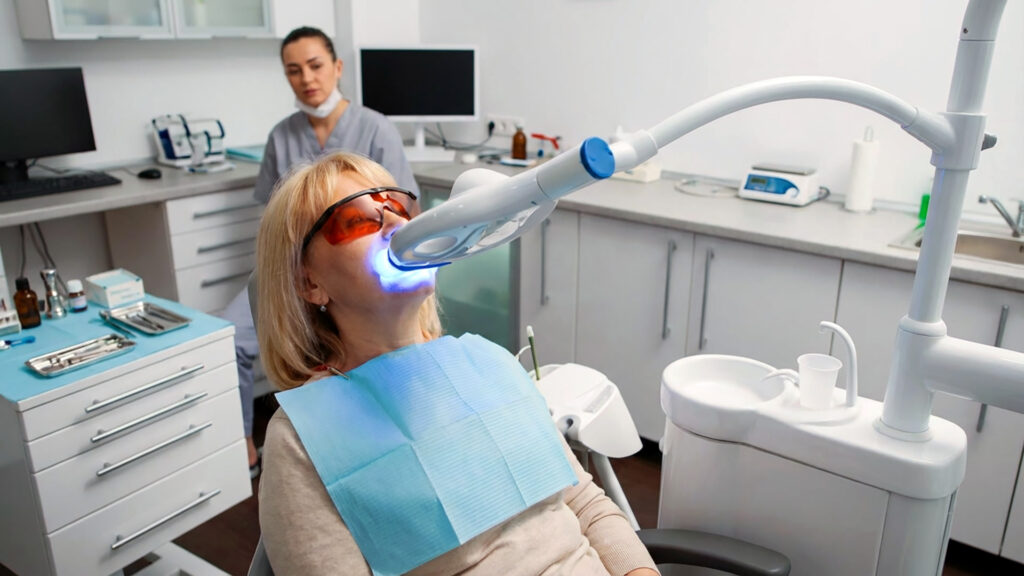
Tooth sensitivity usually starts within a day or two. This occurs because your tooth enamel temporarily loses some hydration, but it typically resolves on its own as your teeth rehydrate. Prolonged or excessive bleaching can increase the risk of tooth erosion, underscoring the importance of getting professional supervision in a dental clinic.
Gum irritation can occur if the protective barrier shifts during bleaching, allowing the gel to come into contact with your gums. Very rarely, some patients report a slight tingling feeling during the session, which stops right after the gel is removed. If the bleaching agent reaches the tooth pulp, more significant discomfort can occur, though this is extremely rare when you have professional help.
If you already have sensitive teeth, untreated cavities, worn enamel, or active gum disease, these issues must be addressed before laser teeth whitening. Your dentist at TEETH @ Tiong Bahru will thoroughly assess your teeth before recommending a treatment plan.
How Long Does Laser Teeth Whitening Last?
The results of laser teeth whitening generally last between 6 months and 2 years. How long your whitening results last depends on your daily habits. If you regularly consume foods and drinks that cause tooth discolouration, such as coffee, tea, red wine or curry, or if you smoke, your teeth will likely become discoloured sooner.
To prolong your whiter smile, maintain good oral hygiene: brush twice daily, floss daily, and schedule regular professional cleanings at your dentist. Some patients may also opt for occasional touch-up whitening treatments or use a dentist-provided take-home whitening kit between appointments. These can help extend the whitening effect and maintain your desired result.
Types of Teeth Whitening
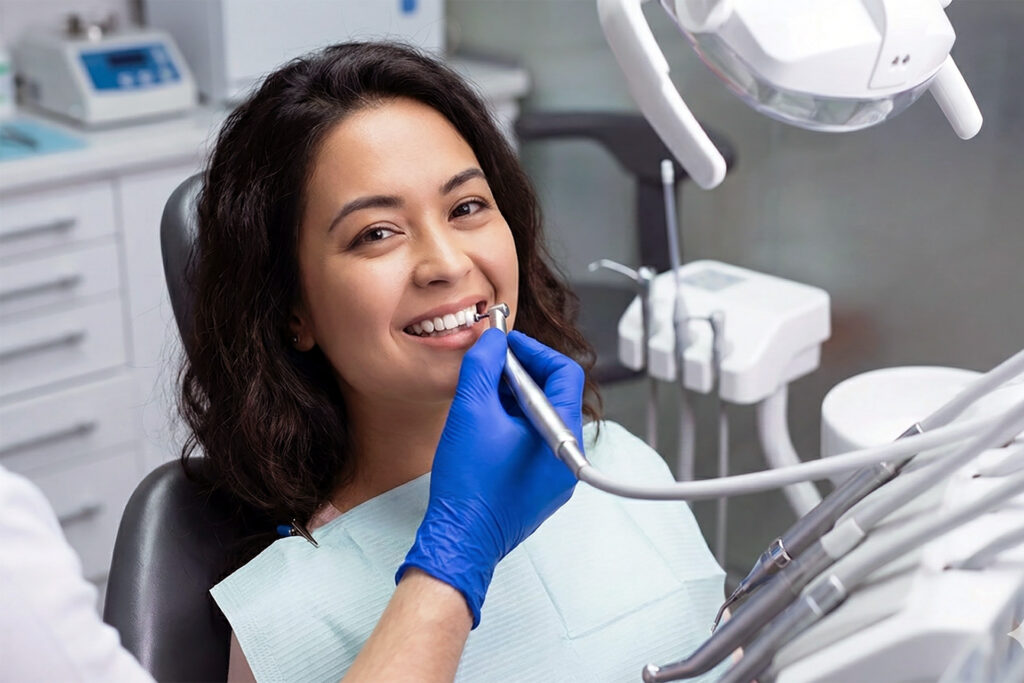
Professional in-office whitening is not one-size-fits-all. Several teeth whitening methods and systems are available. When you understand the differences between teeth whitening treatments, you will find it a lot easier to choose the one that is right for you.
Laser Teeth Whitening vs Blanc One
Both laser teeth whitening and Blanc One use a combination of light and gel to give your smile a brighter look. Each is an effective in-office whitening option.
- Laser whitening uses a precise, focused light to deliver single-tooth treatment, ideal for deeply ingrained stains on specific teeth and gentler on sensitive teeth.
- Blanc One, on the other hand, uses broad-spectrum light (LED or UV) to whiten all your visible teeth at once, making it faster (about 45 minutes). However, the stronger solution it uses may cause slightly more tooth sensitivity.
Ultimately, both options can deliver impressive results. The best choice will depend on your individual needs and your dentist’s recommendations.
LED vs Laser Teeth Whitening
The main difference between these teeth-whitening treatments lies in the type of light used.
- LED Systems are slightly cooler and have a wider beam, which makes the procedure more comfortable. You see this kind of technology in popular LED teeth-whitening treatments like Blanc One! WhiteSpeed.
- Laser Systems, on the other hand, uses a high-energy beam that zeroes in on tough stains, but keep in mind that the treated area might feel warmer.
Both options will speed up your whitening treatment. LED treatments are more common and generally less expensive, while teeth-whitening laser treatments offer greater control over the stain-removal process.
Laser Teeth Whitening vs Bleaching
Laser teeth whitening is basically a faster form of professional bleaching.
- Traditional (Tray) Bleaching uses a milder gel in custom trays that you wear for hours a day over several weeks. It is gentler and more affordable, allowing you to do touch-ups at home, but it may take longer.
- Laser Whitening, on the other hand, uses high-intensity light to activate the gel, and you can see results in just one dental visit. The laser teeth whitening treatment works faster because the laser light accelerates the bleaching process.
Many patients find the best approach is to combine a laser teeth-whitening treatment for a quick brightness boost with a take-home tray kit to keep their smile looking its best. Whether you opt for teeth whitening, laser treatment, or bleaching, your best bet is to follow the advice of a dental professional.
Laser Teeth Whitening Cost in Singapore
In-clinic laser teeth whitening costs in Singapore typically range from $800 to $1,500 per session, depending on the clinic, equipment, and the severity of tooth stains. The overall cost depends on the number of sessions required and the chosen treatment plan. As this is a cosmetic procedure, you generally cannot use government health savings accounts, such as Medisave, or most health insurance plans to pay for it. Your costs will typically be paid out of pocket.
While laser teeth whitening is more expensive than home kits, many find the quick, precise, and powerful results a worthwhile investment.
When to Avoid Whitening
Laser teeth whitening is not advised when patients have the following:
- Untreated Cavities: Whitening chemicals can reach the nerve, risking intense pain or permanent damage.
- Exposed Tooth Roots: The soft, porous root surface is highly vulnerable to extreme sensitivity and damage.
- Severe Enamel Wear: Significantly increases the risk of sensitivity and damage to underlying layers.
- Active Gum Disease: Whitening agents can irritate inflamed gums; wait until gum health is stable.
Special Notes
- Pregnancy and Breastfeeding: As a precaution, pregnant or breastfeeding women are strongly advised to postpone elective cosmetic dental treatments and procedures, like laser teeth whitening. There is limited research on the baby’s long-term effects.
The Impact on Existing Dental Work
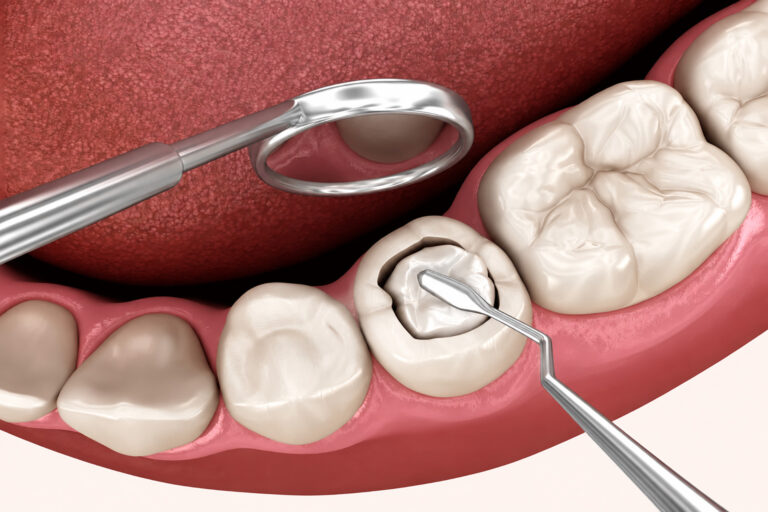
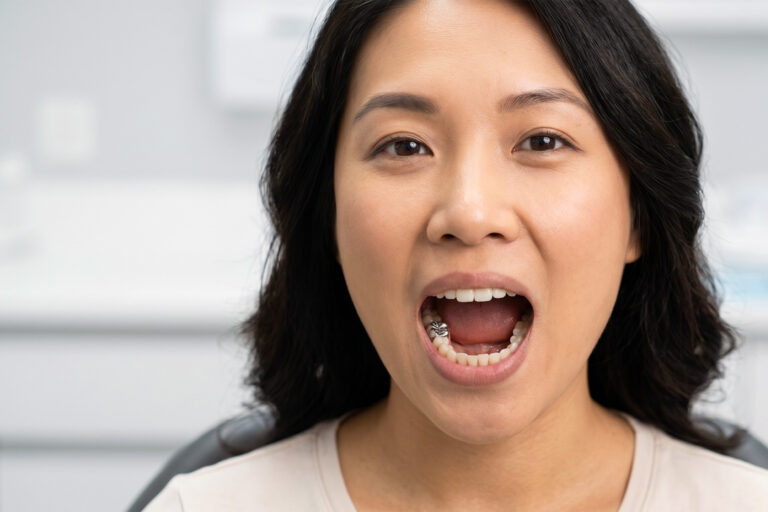
Whitening only changes the colour of your natural teeth. It will not change the colour of existing crowns, veneers, or fillings.
If your natural teeth become significantly whiter, your old dental work will look darker and stand out.
To achieve a uniform smile, complete the laser teeth whitening first. Wait about two weeks for the new colour to stabilise. Then, replace any visible old dental work with new materials matched to your brighter tooth shade.
Aftercare and Maintaining Your Results
For the first 48 hours after laser teeth whitening, avoid foods that can stain your teeth (coffee, tea, wine, berries, soy sauce, and curry, for example), and avoid smoking. This will help prevent sensitivity and staining. After that, it is just a matter of maintaining your regular oral hygiene routine, such as brushing with fluoride toothpaste daily, flossing, and getting regular dental cleanings.
Brighten Your Smile with TEETH @ Tiong Bahru
Thinking about laser teeth whitening in Singapore? At TEETH @ Tiong Bahru, our dental professionals pride themselves on giving you honest, personalised advice. We will conduct a thorough assessment of your oral health, discuss your goals, and outline the best, lowest-risk teeth-whitening approach for you. Book a consultation with us today to get your smile to its best!