A root canal specialist, or endodontist, is a dentist who has undergone additional training to save teeth by treating problems inside the tooth and its root. They use specialised tools to tackle complex cases (such as deep decay, trauma, or treatment complications) and generally achieve better results than general dentists on complex procedures.
At TEETH @ Tiong Bahru, we see many patients who ignore a dull ache until it wakes them at night. Some people notice tooth sensitivity that won’t go away after drinking a cold drink, or they experience pain when they bite down. Any root canal specialist in Singapore will share the same goals: determine the cause, initiate appropriate treatment, and ensure the patient’s long-term dental health.
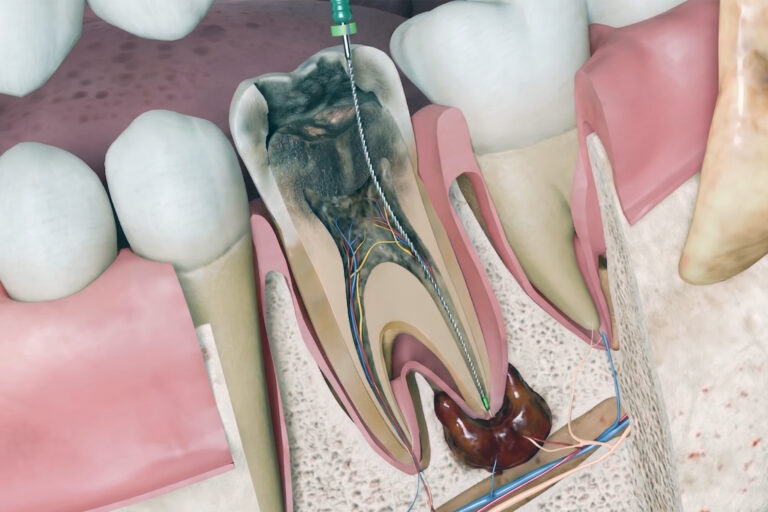
Root canal treatment, also known as root canal therapy, removes infections that have reached the centre of the tooth. The tooth pulp, which lives in the pulp chamber, contains nerves and blood vessels. When the pulp becomes damaged by decay, trauma, or cracks, bacteria can enter and cause an infection. Left untreated, it can cause the surrounding tissues to swell up and give you a bad taste in your mouth. If it spreads, it may even contribute to bone loss. That’s why visiting a dental root canal specialist is critical for your long-term oral health.

When is a Root Canal Specialist Worth It?
Many general dentists handle root canals just fine, especially on front teeth and premolars that are straightforward. You are more likely to get a referral to a specialist if you have a complex case, like a molar with narrow canals, a previous root canal that needs to be redone, or if you have a cracked tooth.
Cracked teeth can be a real pain. They may look fine, but they will still cause pain when you chew or bite. Unfortunately, they also increase the risk of a broken tooth in the future, so a restoration plan with your dentist is vital.
When Is a Root Canal Treatment Necessary?
Root canal treatment is usually recommended when the tooth pulp is inflamed or infected. Deep tooth decay is a major cause. A crack, a tooth fracture from biting into something hard, or a knock to the mouth can all injure the blood vessels inside the tooth. Even if the tooth looks fine on the outside, the pulp can be damaged and later become infected.
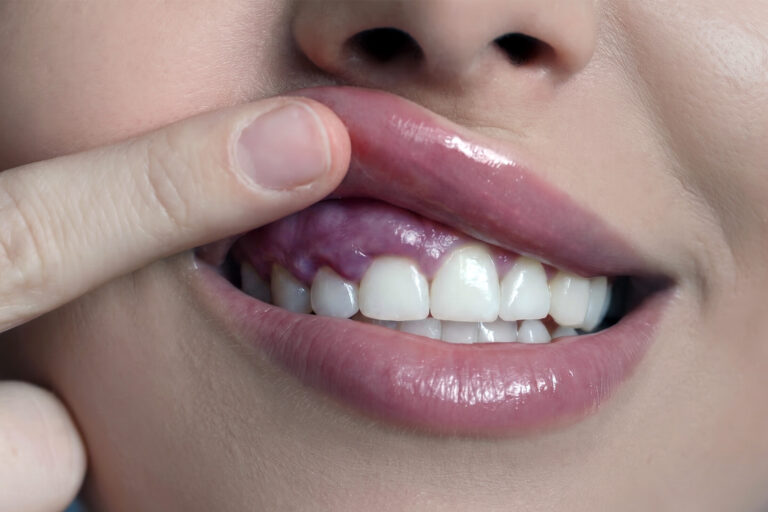
Symptoms can vary. Some get a steady dull ache. Others get tooth sensitivity that spikes with hot or cold drinks. You might see a gum pimple, swelling, or a bad taste in your mouth. If the pain lingers, it’s worth getting it sorted out. Root canal treatment can prevent further damage and improve treatment outcomes.
Cracked teeth are a common cause of root canals. Grinding and clenching your teeth is common, and tiny cracks can form even if you don’t remember having a big accident. Cracked teeth can let bacteria in and keep the tooth inflamed, and if you don’t properly care for the tooth, it can become vulnerable to other problems.

Root Canal Procedure
A root canal procedure is usually performed under local anaesthesia, so most patients only experience pressure or vibration in the affected area. The root canal treatment specialist removes the infected tissue from the pulp chamber, thoroughly cleans and disinfects the canals, and then seals them.
Today, root canal treatment often uses specialised equipment and digital imaging. This helps us determine the root shape and spot any additional canals. A clean seal reduces the risk of bacteria returning.
Sedation is available in some clinics. General anaesthesia is uncommon for routine root canal treatment, but it can be considered for selected patients in dental surgery settings.
Sometimes a temporary filling may be placed first, especially if there’s swelling or a heavy infection. Once the symptoms have settled, the tooth is filled with a permanent filling or prepared for a crown. This is not simply about looks. A root canal-treated tooth can be a bit more brittle, and a crown after a root canal can help reduce the risk of breaking, especially in molars.
After root canal treatment, you will be advised to avoid chewing on the side of the treated tooth until the final restoration is complete. On the first day, especially, it’s a good idea to avoid very hard foods as the anaesthetic wears off.

Recovery, Comfort, and Looking after a Treated Tooth
Most patients recover quickly after a root canal treatment. Your treated tooth may feel slightly tender for a few days, and a dull ache may appear as the surrounding tissues recover. Painkillers can help, as long as they are safe for you to take (check with your dentist if you are not sure). Soft foods are often more comfortable to eat early on, and you should continue to avoid hard foods on that side of your mouth until the permanent filling or crown is in place.
Call your specialist immediately if swelling, fever, or pain worsen, as this may indicate an urgent issue. Required follow-up appointments are crucial to confirm proper healing and to ensure your bite is correct.
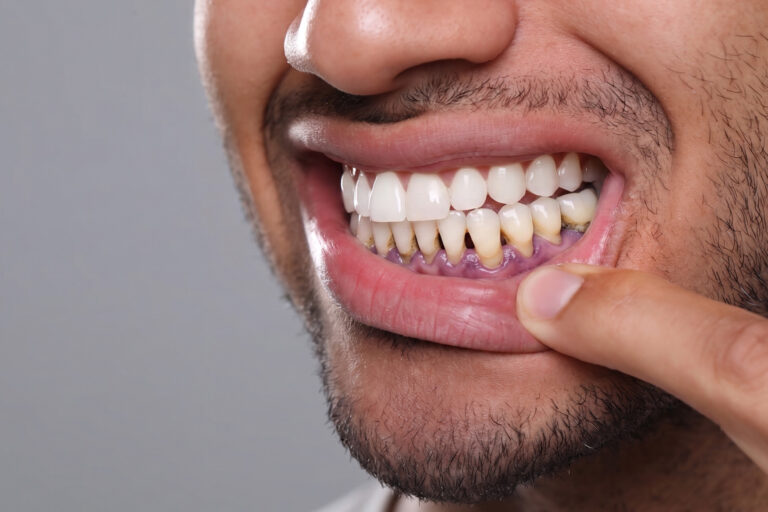
Long-term success depends on excellent cleanliness both inside and outside. Brush daily, clean between teeth, and maintain regular dental visits. Good oral hygiene prevents decay around fillings and keeps your mouth healthy. Properly cared-for, endodontically treated teeth can last for years but still require regular monitoring.
Previous Root Canal Treatments, Retreatments & Root Canal Surgery
Root canal failure, often due to a missed canal, a cracked or decayed filling, or a tooth fracture, requires retreatment. This maintenance involves removing the old material, thoroughly cleaning the area, and resealing the tooth.
In some cases, even that won’t eliminate the infection. Your specialist dentist might discuss root canal surgery with you. An apicoectomy is an endodontic surgery, a more intensive dental procedure. It is necessary when posts in the tooth complicate retreatment or when retreatment is otherwise too complex.
The aim is always to remove the infection and, if possible, save the tooth.

Root Canal Treatment vs. Dental Implants
If a tooth is severely damaged, whether from extensive decay or a fracture that has split it into multiple pieces, it may be beyond repair and will require root canal extraction. When this happens, there are a few options for replacing it: implants, bridges, or dentures.
An implant will restore dental function but requires a surgical procedure and a subsequent healing period. However, if the prognosis for the tooth is favourable, root canal treatment is typically preferred, as it preserves the natural tooth structure. The choice of dental implant varies depending on the tooth, its location in the mouth, and your overall oral health. It is usually not the first option, as your specialist will prioritise root canal treatment to save the tooth. However, an implant is a good option if your tooth is truly lost.
How TEETH @ Tiong Bahru Supports Your Treatment Plan
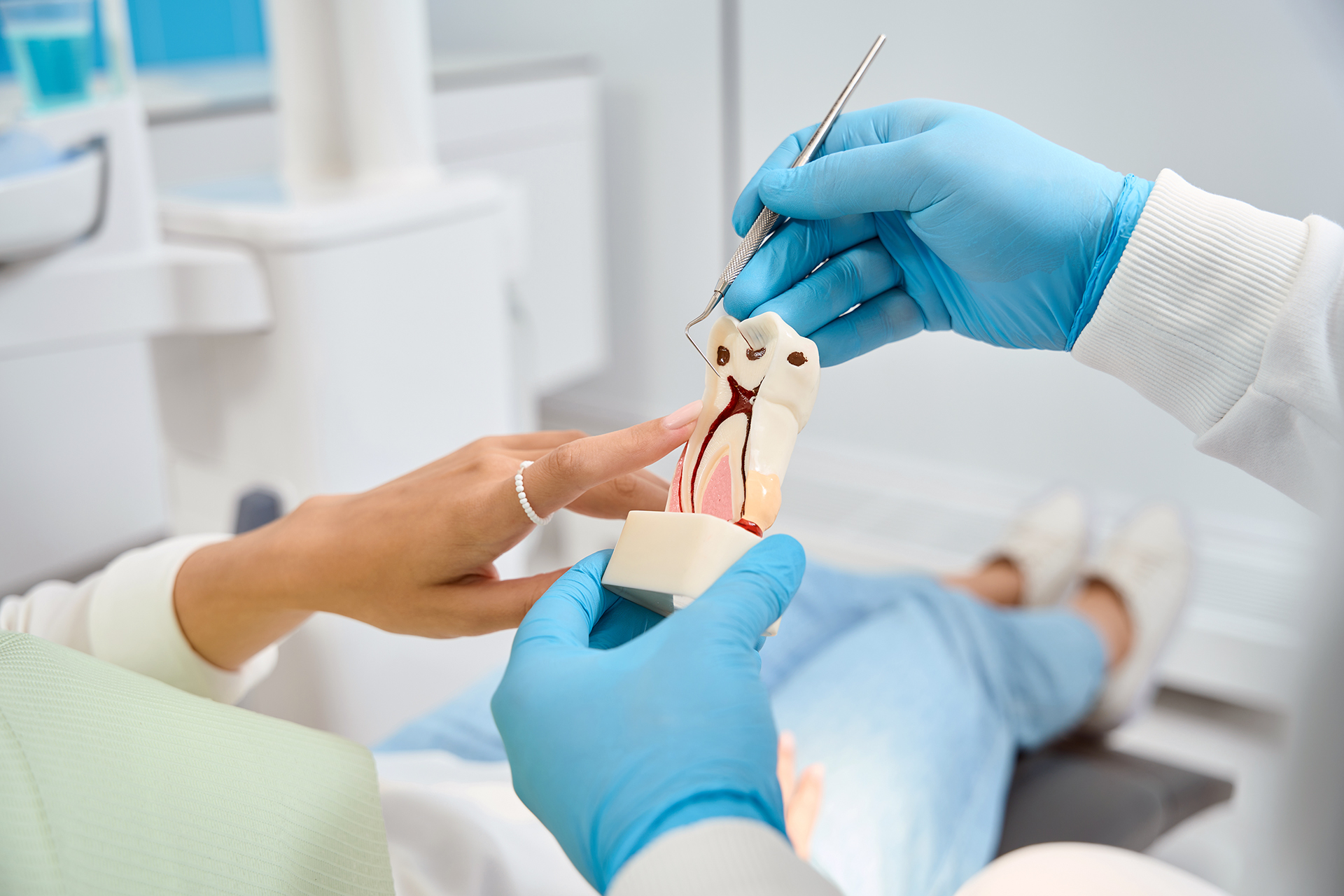
At TEETH @ Tiong Bahru, we thoroughly assess your needs, determine whether a root canal is necessary, explain the procedure, and advise on post-treatment care. If root canal treatment is required, we will provide you with a referral to an expert endodontist.
For an assessment, our team will help you immediately. If we are unable to provide the specialised support you need, we will refer you to one of Singapore’s leading root canal specialists, best suited to your needs and to protect your oral health.