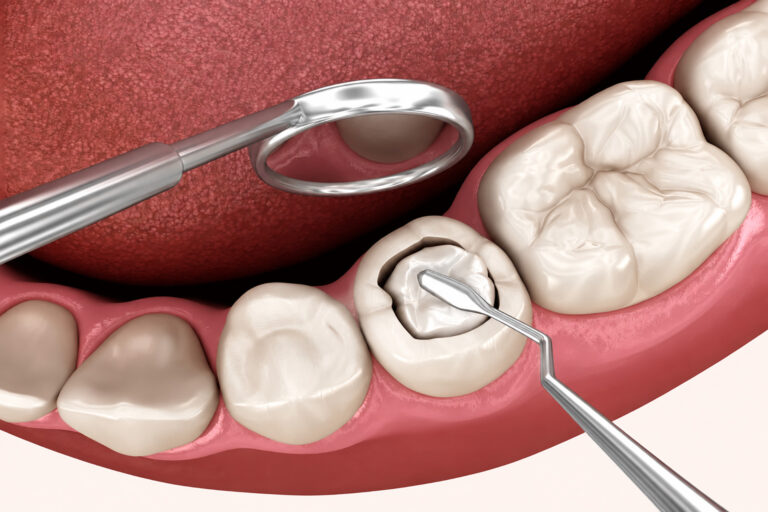
When a tooth is severely decayed or infected, a root canal is the last resort before extraction. This careful process removes the damaged pulp, disinfects the inner canals, and seals the space to prevent re-infection. While the procedure relieves pain and infection, the remaining tooth structure is fragile and prone to cracking.
After root canal treatment, the tooth becomes more prone to fracture, often resulting in a worn-out tooth. That’s where a root canal crown comes in. A crown reinforces the treated tooth, restoring function and aesthetics so you can chew, smile, and speak.
At TEETH @ Tiong Bahru, root canal and crown treatments are done with precision and care to ensure long-lasting results. After treatment, you can resume biting and chewing normally. Understanding the relationship between dental crowns and root canals enables patients to make informed decisions, preserving their natural teeth rather than risking extraction.
What Is Endodontic Treatment?
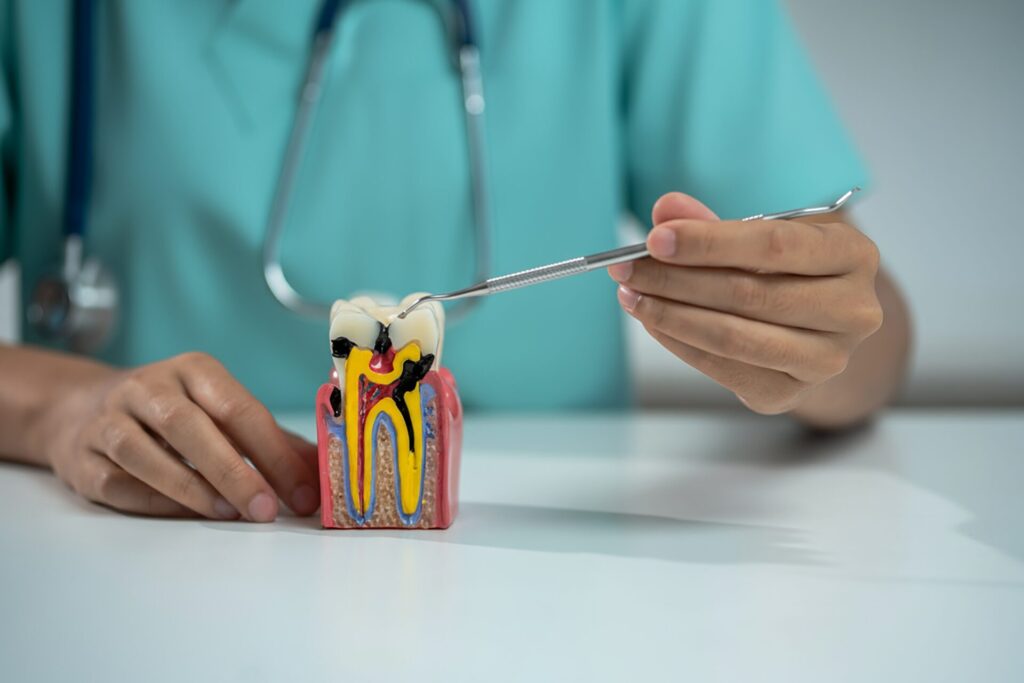
Endodontic treatment, also known as root canal treatment, is a vital dental procedure used to save teeth at risk of infection or inflammation deep within the tooth. When the pulp, the soft tissue at the centre of the tooth that contains nerves, blood vessels and connective tissue, becomes infected or damaged, often from deep decay or trauma, root canal treatment is needed to remove the source of infection and prevent further complications.
During a root canal, the dentist will remove the infected or damaged pulp, clean and disinfect the root canals and then fill the space to seal it off from future infection. To restore strength and function, a dental crown is placed over the treated tooth. This combination of root canal and dental crown not only relieves root canal pain but also preserves your natural tooth for long-term oral health.
When to Treat a Root Canal
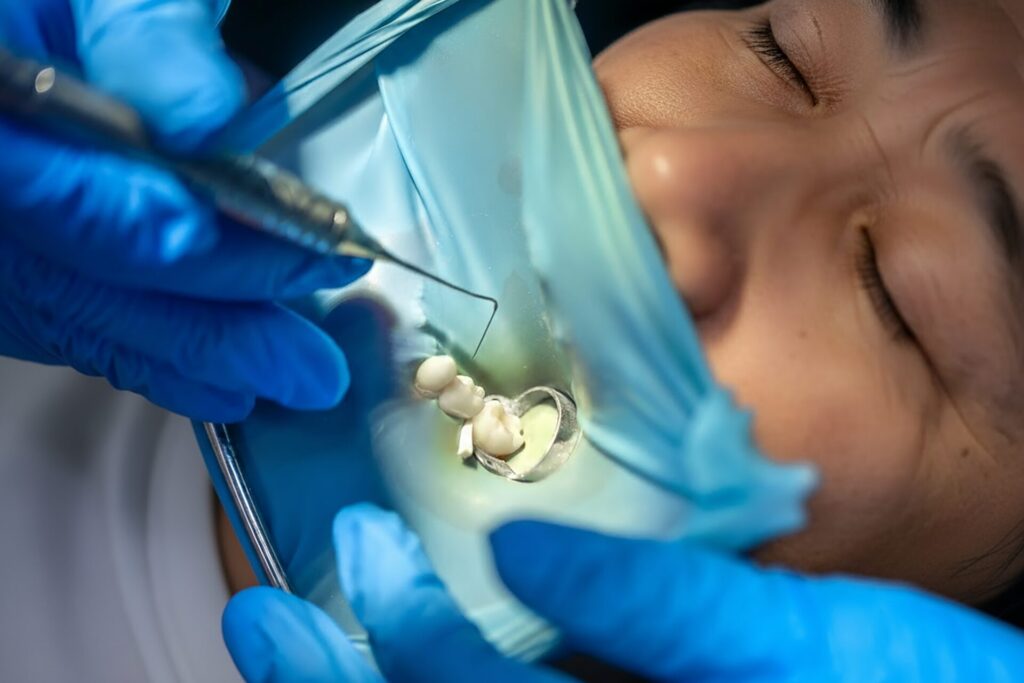
Root canal treatment is needed when the pulp inside the tooth is infected or inflamed. This can happen because deep decay reaches the inner layers of the tooth, physical trauma such as a cracked or broken tooth, or repeated dental procedures that compromise the pulp. Common signs and symptoms include severe tooth pain, especially when chewing or applying pressure; prolonged sensitivity to hot or cold; swollen or tender gums; and noticeable tooth discolouration.
If left untreated, these symptoms can worsen pulp inflammation, lead to abscess formation, and even spread infection to adjacent teeth or other parts of the mouth. If you have persistent tooth pain or any of these symptoms, you should seek dental care immediately. Early treatment with a root canal can relieve pain, save your natural tooth, and protect your overall oral health.
Stages of Root Canal Treatment
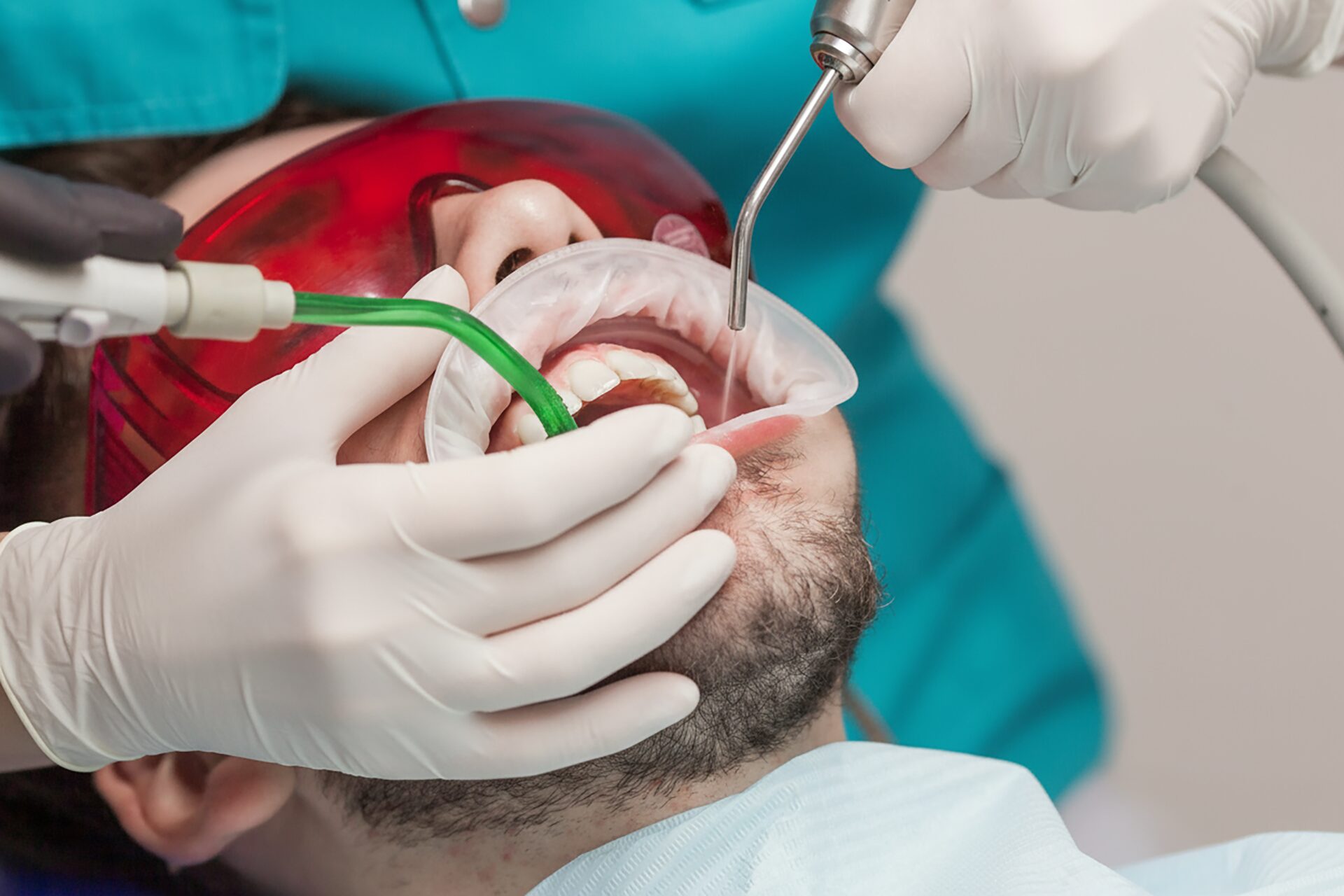
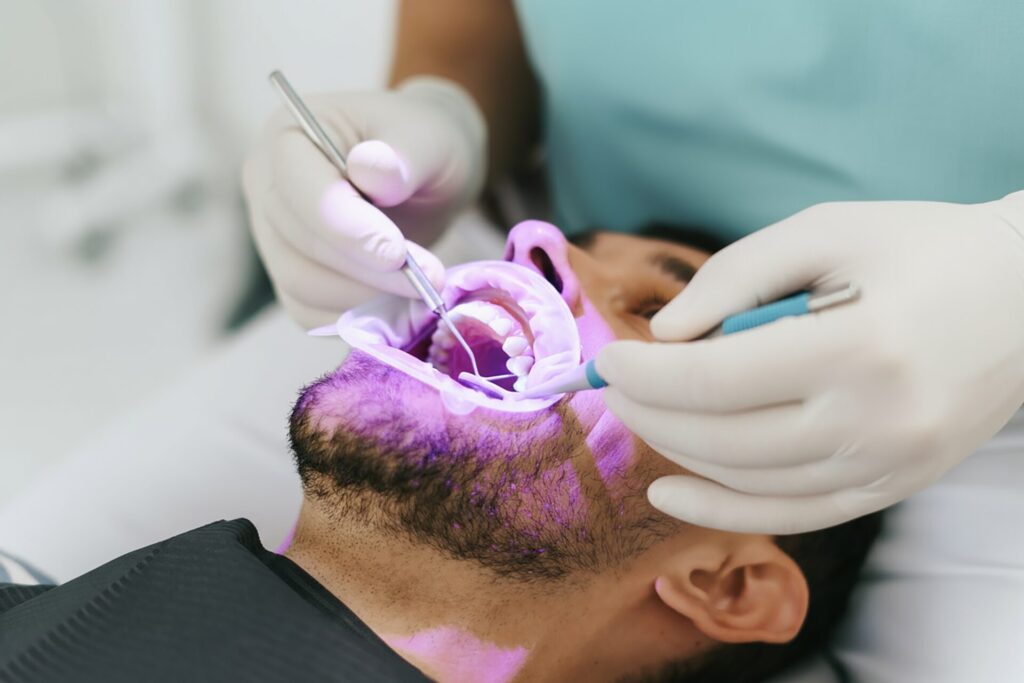
The root canal process begins with a thorough examination, which may include X-rays to assess the extent of the problem, followed by planning the procedure. To ensure your comfort, the dentist will administer a local anaesthetic, making the root canal procedure virtually painless.
Once the area is numb, the dentist will create a small opening in the tooth to access the pulp chamber. The dentist removes the inflamed pulp tissue and cleans and disinfects the root canals to remove bacteria. After cleaning, the canals are filled with a biocompatible material called gutta-percha to seal the space and prevent reinfection. The tooth is then sealed. Depending on the situation, a temporary or permanent dental crown is placed to protect the tooth and restore its shape and function.

Why a Crown is Needed After a Root Canal
After a root canal, the tooth is hollowed out to remove the infected pulp. This loss of inner tissue weakens the structure, making it more brittle and prone to cracks. Without a crown, everyday activities such as biting or grinding can easily chip or break a tooth. A crown after a root canal serves as a protective shell, restoring strength and sealing the tooth against bacteria.
Do All Root Canals Need Crowns?
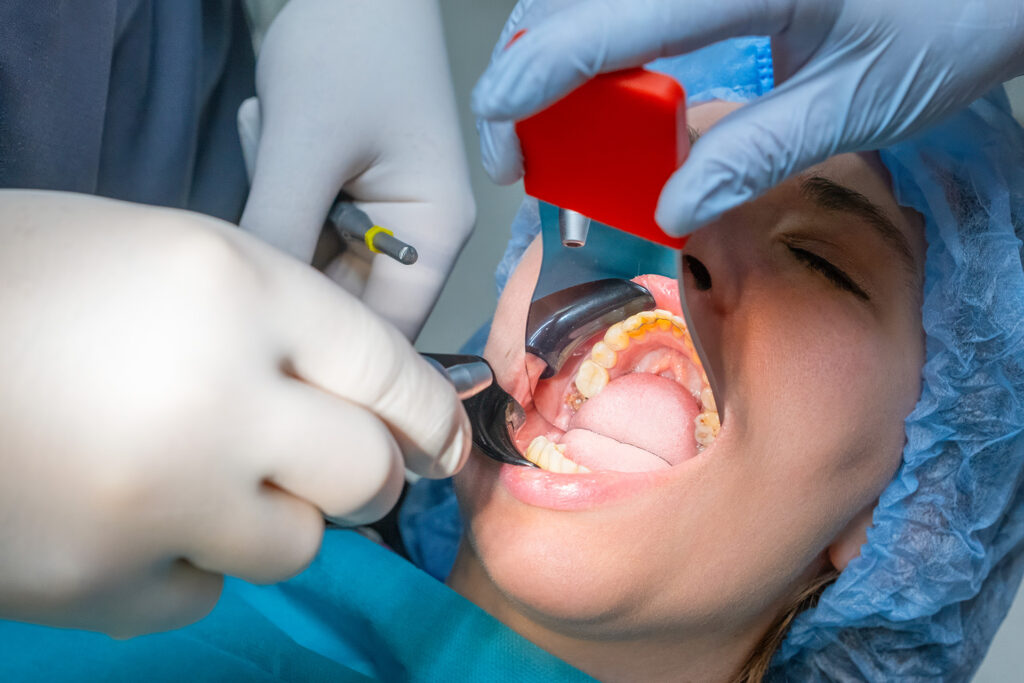
Not all root canals need a crown, but most do. Teeth at the back of the mouth, especially molars and premolars, are under constant biting pressure. Without reinforcement, they can fracture soon after treatment. Front teeth, used mainly for cutting, may not need a crown if they remain structurally sound after the procedure.
Root canal specialists assess factors such as the amount of remaining tooth structure, existing fillings, and the amount of chewing force the tooth endures before recommending a dental crown. Ultimately, a crown after a root canal isn’t just a cosmetic choice; it’s preventive care that protects your tooth for years to come.

The Dental Crown Procedure After A Root Canal
After a root canal, a dentist usually places a dental crown after a short recovery period to ensure the infection has cleared. Here’s what the process involves:
- Tooth Preparation: The dentist shapes the tooth to make room for the crown and takes precise impressions.
- Temporary Crown: A temporary crown, typically made of resin or acrylic, protects the tooth until the final crown is ready.
- Crown Fabrication: Using advanced digital or traditional techniques, the permanent crown is custom-made from porcelain, ceramic, zirconia or metal alloys to match your bite and natural tooth colour. A dental lab fabricates a custom crown from precise impressions.
- Final Placement: During the final visit, the dentist cements the root canal crown securely onto the tooth and checks the fit and bite alignment for comfort and function. Accurate crown placement is crucial to the restoration’s long-term success and durability.

Materials Used for Root Canal Crowns
The material chosen for a root canal and crown restoration depends on aesthetic preference, durability and cost.
- Porcelain fused to metal or full porcelain offers the most natural look and is ideal for front teeth. These materials mimic the translucency and appearance of natural tooth enamel.
- E-Max/Zirconia crowns combine strength with aesthetics and suit both front and back teeth.
Your dentist will recommend the best material based on the tooth’s position and your lifestyle needs.

Cost of Root Canal Treatment and Crown in Singapore
The cost of root canal treatment and a dental crown in Singapore varies by tooth type, treatment complexity, and materials used. Generally, root canal therapy for a front tooth costs less than for molars because of the simpler anatomy.
On average, a root canal and dental crown in Singapore costs between $1,690.00 and $2,888.50 per tooth. A breakdown might include:
- Root Canal Treatment: For front teeth, fees typically range from $491.00 to $872.00; for molars, which have more complex anatomy, fees range from $927.00 to $1,199.00. Additional procedures or re-treatment may increase the overall cost.
- Dental Crown: between $1,308.00 and $1,635.00 (incl. GST), depending on the material. When considering the cost of a root canal and crown, think of it as an investment in preserving your tooth.
While extraction and replacement options, such as root canal dental implants, can be significantly more expensive, a root canal with a dental crown allows you to keep your natural tooth and maintain proper bite function. Some clinics offer packages that combine both treatments for cost efficiency, while partial coverage may be available under dental insurance or corporate benefits.

What If I Skip the Crown?
Although skipping the dental crown after a root canal may seem like a cost-saving measure, it carries significant risk. The treated tooth can easily fracture or become re-infected, which may require extraction. Once a tooth is lost, replacement options such as implants or bridges are more expensive and time-consuming.
A dental crown after a root canal not only prevents such outcomes but also restores aesthetics, allowing the tooth to blend in with its neighbours. This type of dental restoration seals the vulnerable tooth from bacteria, preventing reinfection and extending its lifespan by years, sometimes even decades, to avoid a root canal extraction.

How Long Do Root Canal Crowns Last?
The lifespan of a root canal crown depends on the material used, oral hygiene and lifestyle habits. On average, dental crowns last between 10 and 15 years, though many last longer with proper care. Avoiding excessive biting pressure on hard foods, teeth grinding, or chewing ice helps preserve the crown’s structure.
Regular dental check-ups allow your dentist to monitor wear and detect early signs of damage, ensuring your crown continues to protect the treated tooth effectively. Good oral hygiene is essential for the longevity of the dental crown and the health of the restored tooth, as it prevents reinfection and promotes healing.

Book a Consultation at TEETH @ Tiong Bahru
A root canal and dental crown combination is one of the most effective ways to save a damaged tooth. While the cost of root canal treatment and a crown in Singapore may seem high, the long-term benefits of preserving your natural tooth, maintaining bite stability, and avoiding more invasive treatments make it worth the investment.
If you are experiencing tooth pain or think you need a root canal, early treatment can prevent complications and save your tooth. At TEETH @ Tiong Bahru, our team provides comprehensive care from precise root canal therapy to natural-looking crowns.
Contact us today to book your consultation and learn more about the cost of root canal and dental crown treatments in Singapore, as well as other options tailored to your smile and comfort.