
- Conditions treated · Braces at TEETH @ Tiong Bahru
Reasons to Get Braces
An assessment identifies where the problem comes from before treatment is planned.
- Malocclusion
What Can Dental Braces Fix?
Dental braces correct dental problems involving tooth position and bite, or how the upper and lower teeth meet. These problems, called malocclusion, may affect chewing, tooth wear and dental health, making them medical reasons to get braces.
If you are considering braces in Singapore, a dentist will assess whether the issue comes from the teeth, jaws, or both. Some reasons to get braces include crowded and crooked teeth, gaps, protruding teeth, excessive overjet, deep bite, underbite, crossbite, and open bite. These causes can vary in treatment and determine which orthodontic approach is most effective for you.
01
Crowded and Crooked Teeth
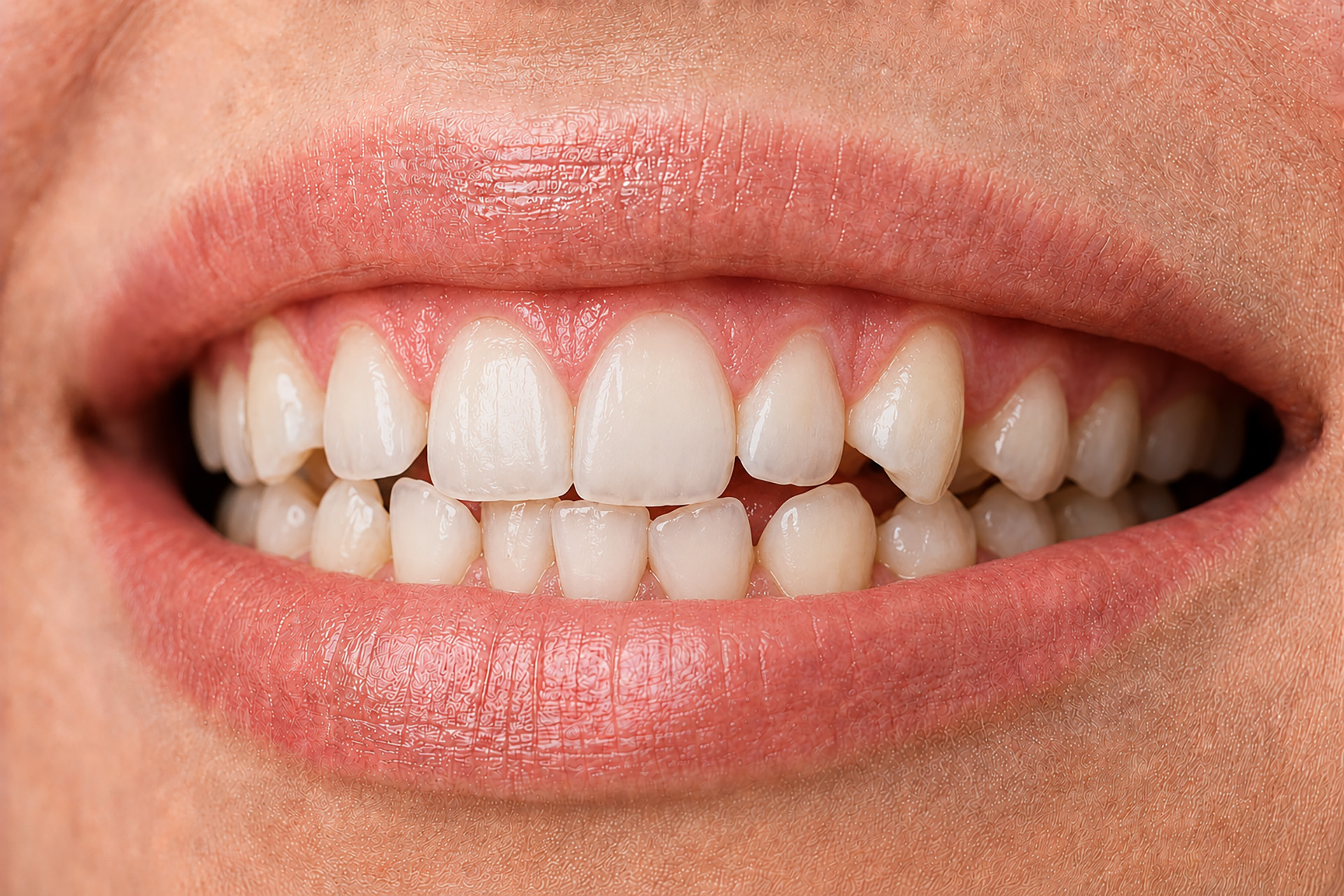
Dental crowding happens when teeth lack room to sit evenly. Crowded teeth may overlap, rotate or emerge outside the dental arch. Crooked teeth can also occur when space is adequate. Some people with dental crowding get braces for cosmetic reasons; others do so for medical purposes, to help with cleaning and overall oral health.
Braces address crowding by moving misaligned teeth into planned positions. The braces treatment plan may create room, guide the teeth towards a desired position, or both. Whether to have your teeth removed depends on the case. Not everyone needs tooth extraction before braces treatment. Your orthodontic specialist will assess and guide you through this process.
02
Gaps Between Teeth
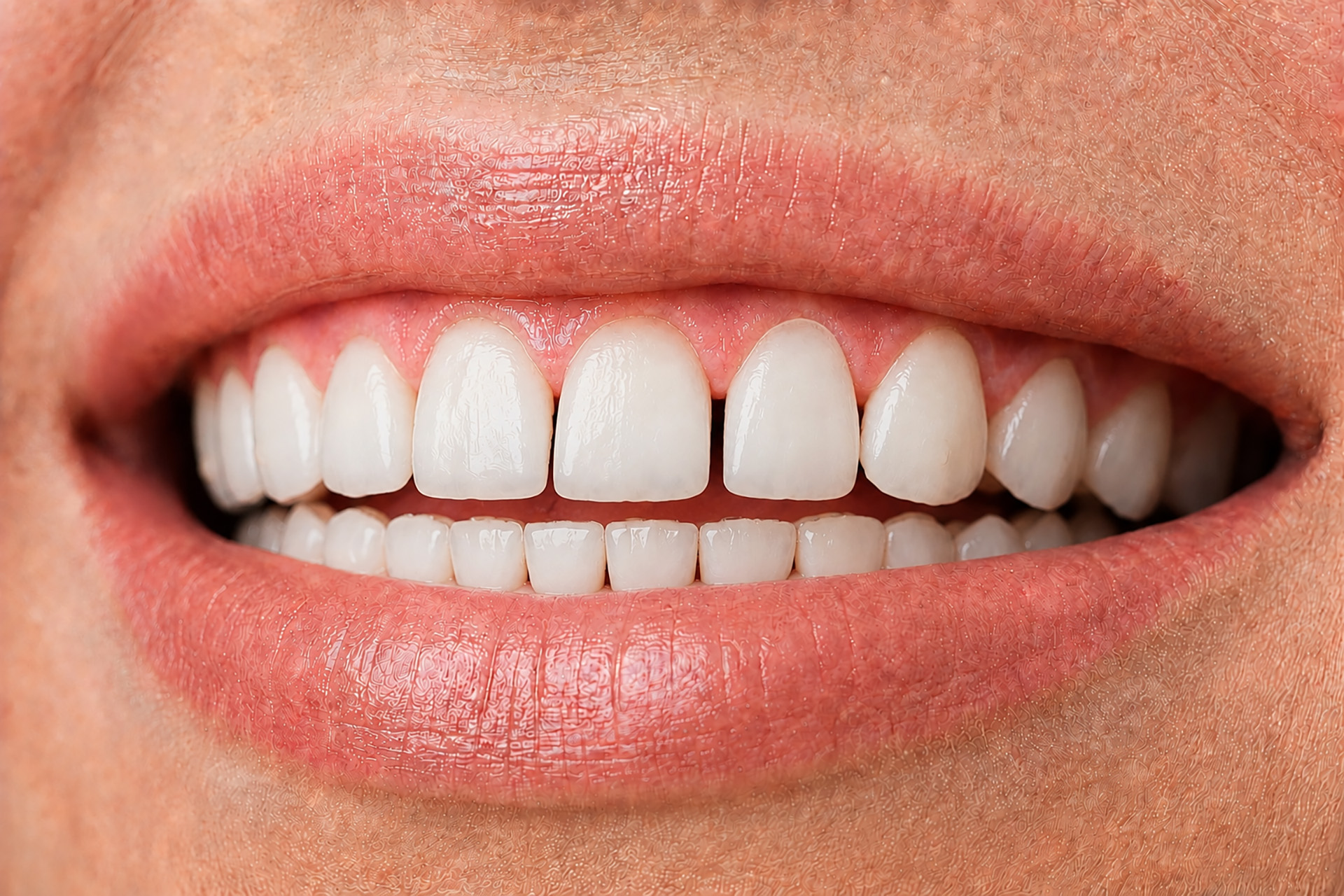
It is not uncommon for people to ask themselves, “Should I get braces for aesthetic reasons?” Spaces may occur naturally or result from small or missing teeth, tooth position, oral habits or gum changes. A space between the upper incisors is called a diastema, and can affect some people’s confidence.
Dental braces may close selected gaps or redistribute room for a crown, bridge or implant. The dentist or orthodontist will consider the cause and tooth proportions before your dental brace treatment.
03
Protruding Teeth and Excessive Overjet
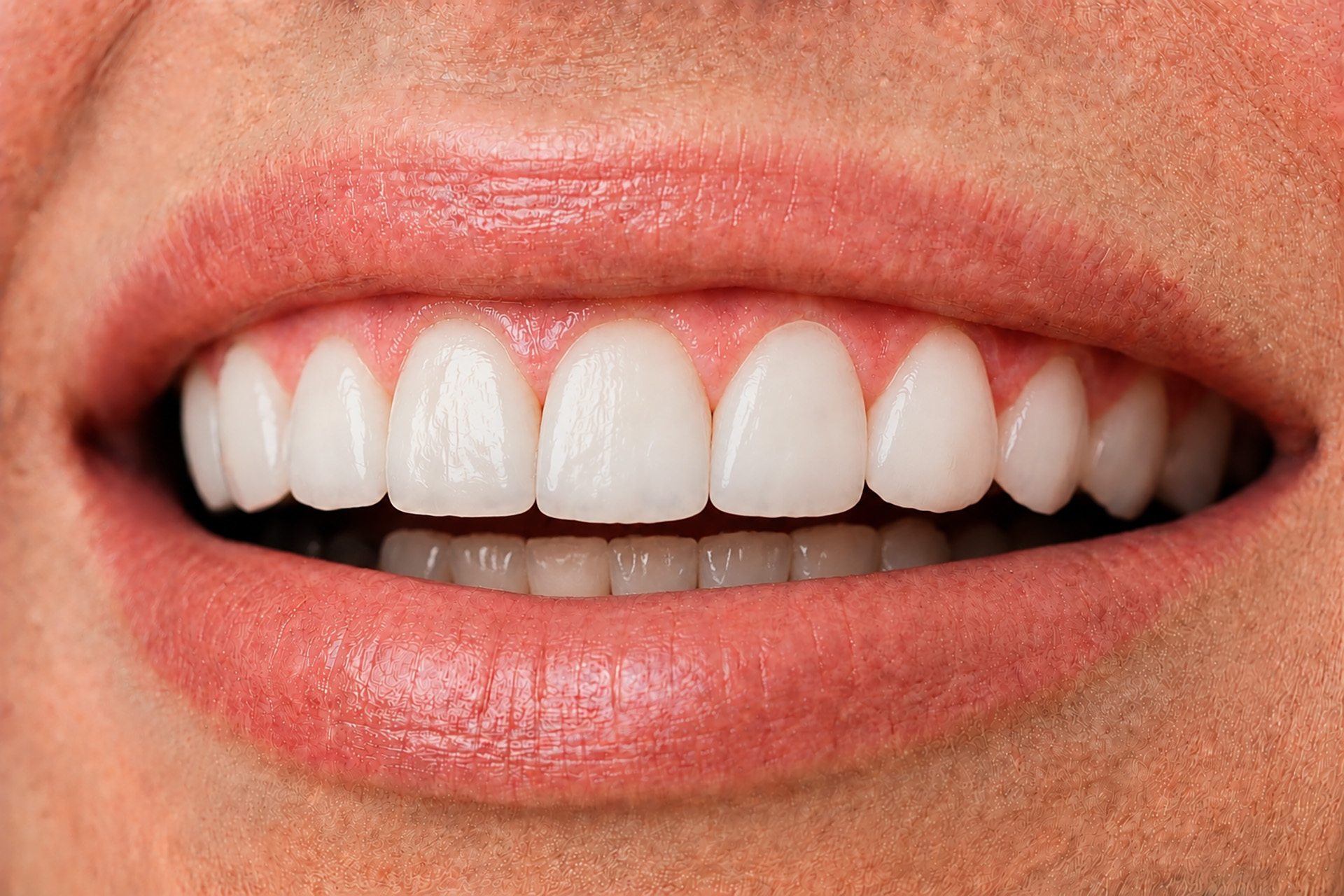
Overjet describes the horizontal distance between the upper and lower front teeth. Excessive overjet occurs when the upper front teeth extend too far ahead of the lower teeth and is one reason to wear braces.
Protruding teeth may be more exposed to injury or affect lip closure. Braces treatment for protruding teeth and excessive overjet depends on whether the cause is tooth position, the jaw relationship, or both.
04
Deep Bite
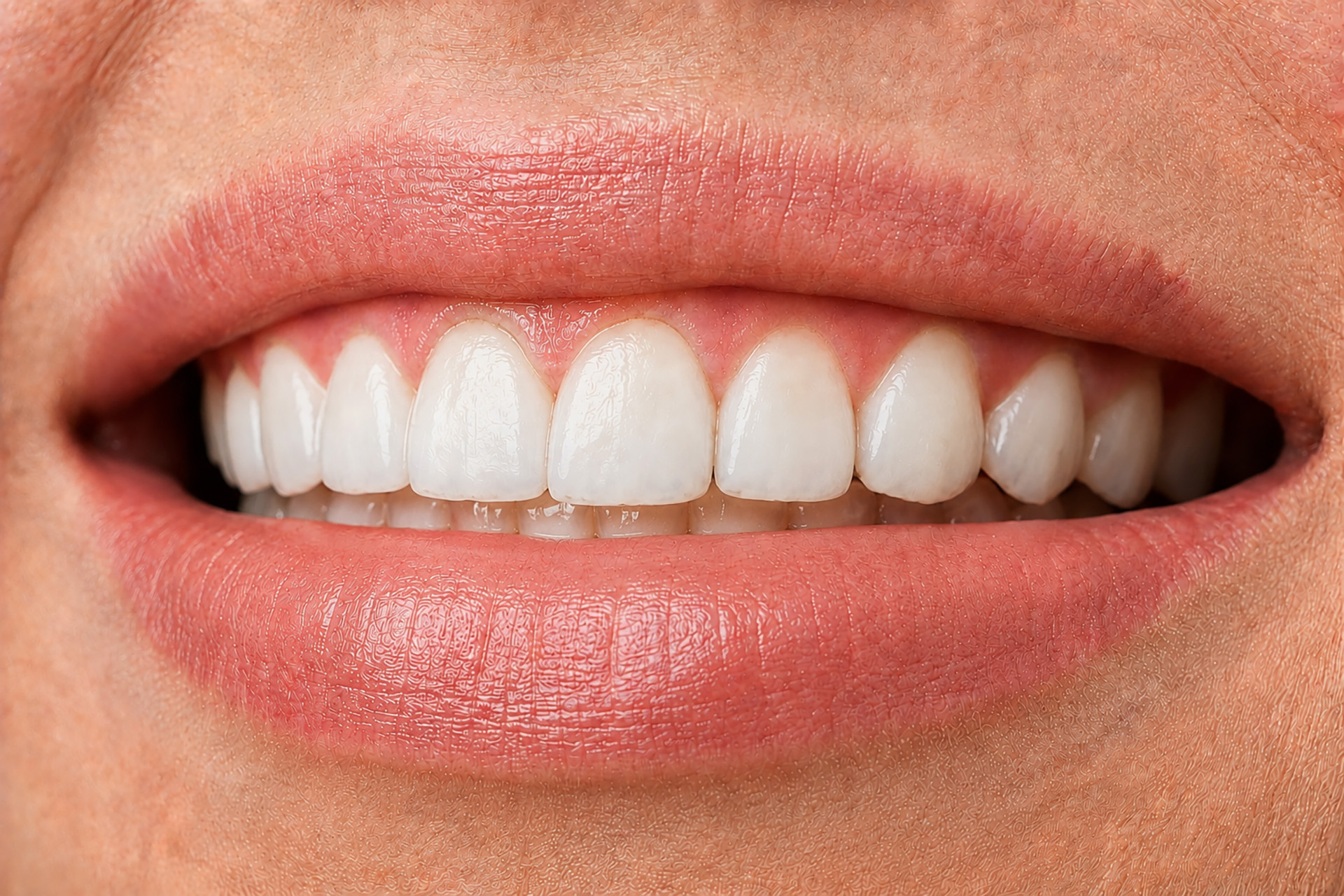
A deep bite, sometimes called an overbite, occurs when the upper teeth overlap the lower front teeth too far vertically. In a marked deep bite, the lower teeth may contact the gum or palate. Uneven wear may also develop, affecting long-term oral health.
Dental braces may improve a tooth-related deep bite by repositioning the front and back teeth. Jaw growth, facial proportions and gum support also shape the orthodontist’s dental brace treatment plan.
05
Underbite
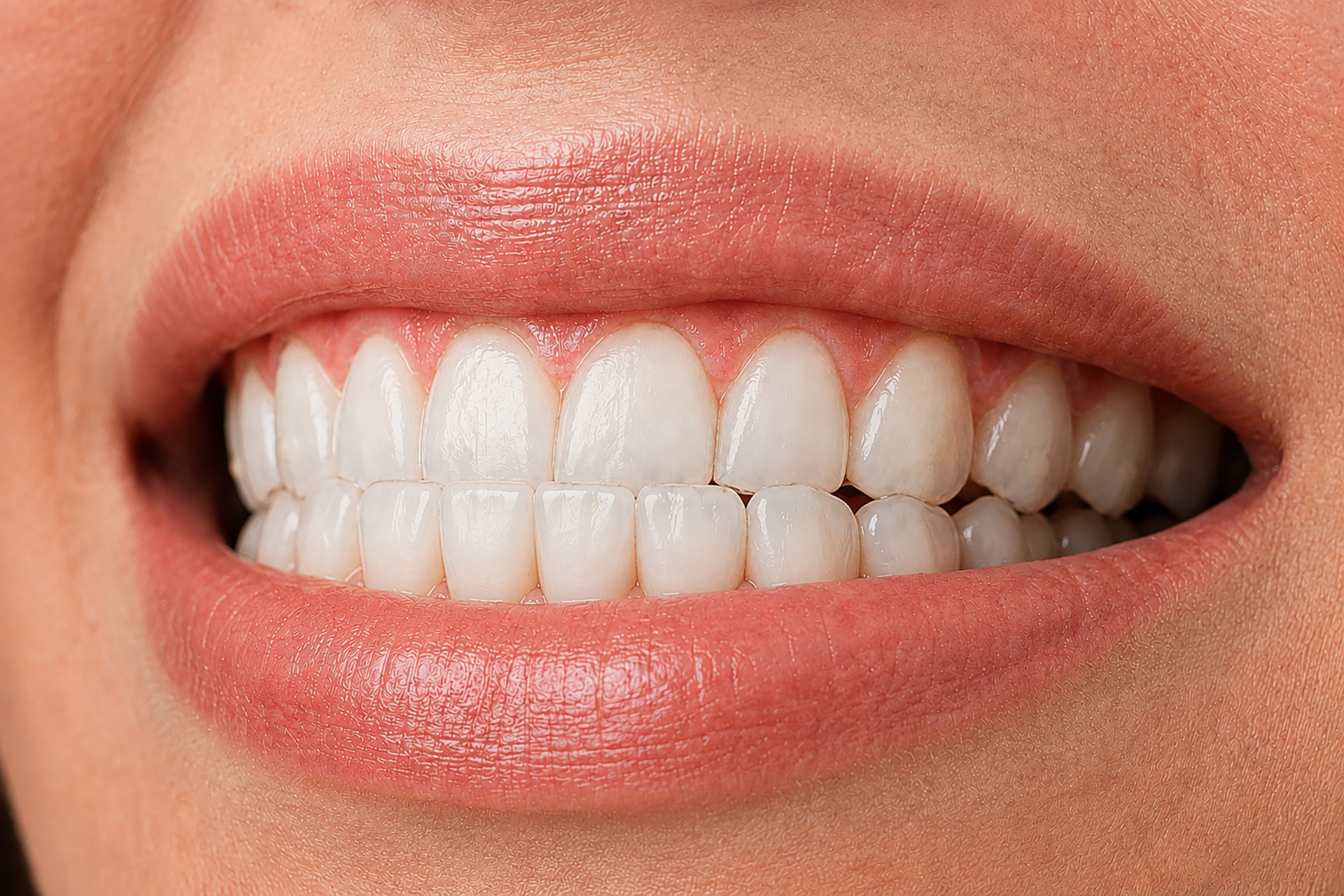
An underbite occurs when the upper teeth sit behind the lower front teeth when the mouth closes. This is called a reverse overjet.
Tooth-related underbites may respond to dental braces treatment or other orthodontic treatment. A jaw-related underbite may need growth-related treatment in a child or an orthodontist’s assessment in an adult. Whether early intervention is suitable and the ideal age to begin depend on the type of underbite and jaw growth. For some children, braces and early orthodontic treatment may be considered at a young age.
06
Crossbite
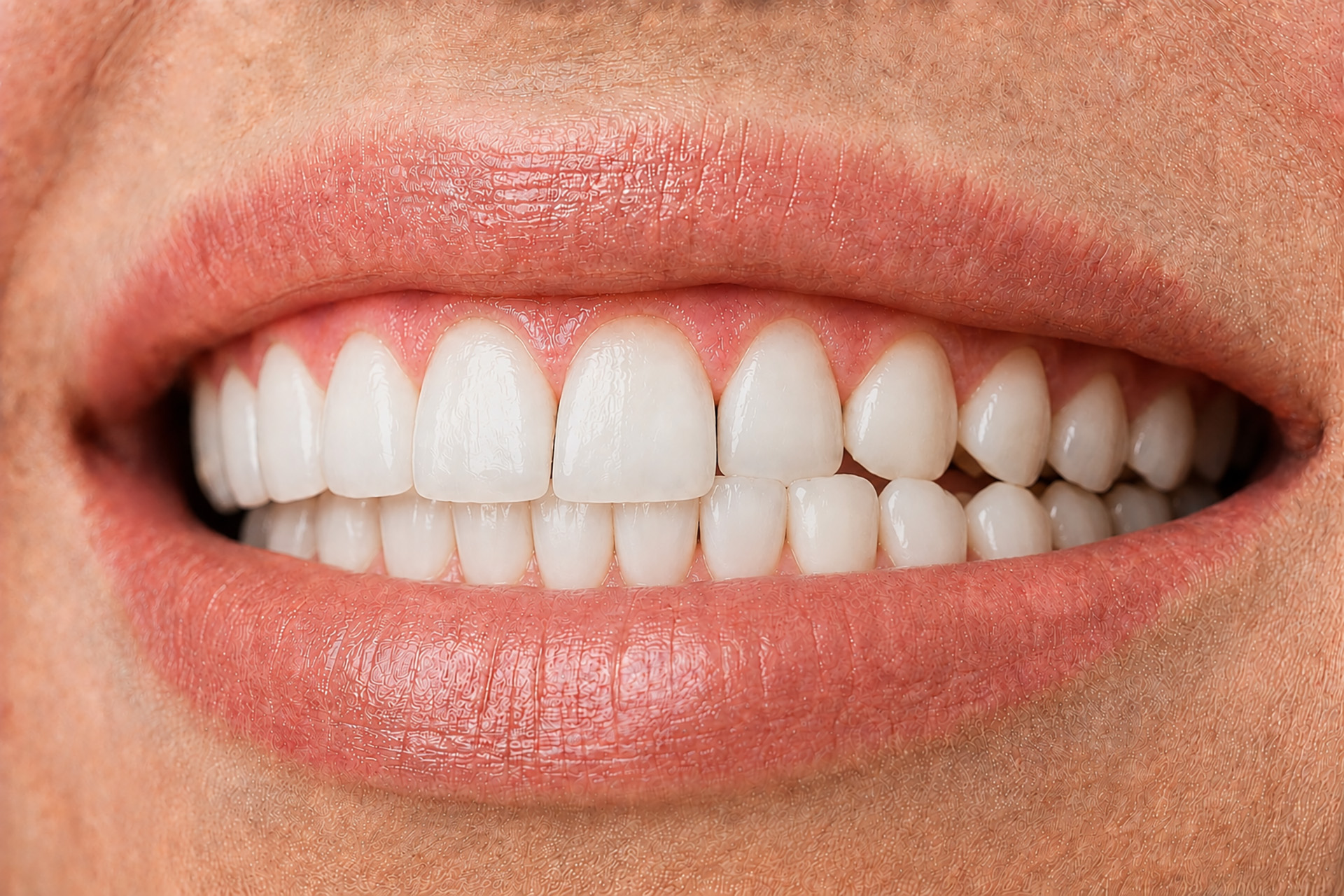
A crossbite occurs when one or more upper teeth bite inside the lower teeth. This may affect front teeth, back teeth or one side.
An orthodontist considers age, growth and crossbite extent before proceeding with treatment. A tooth-related crossbite may respond to braces. A narrow upper arch or jaw difference may require another appliance or an orthodontist’s assessment.
07
Open Bite
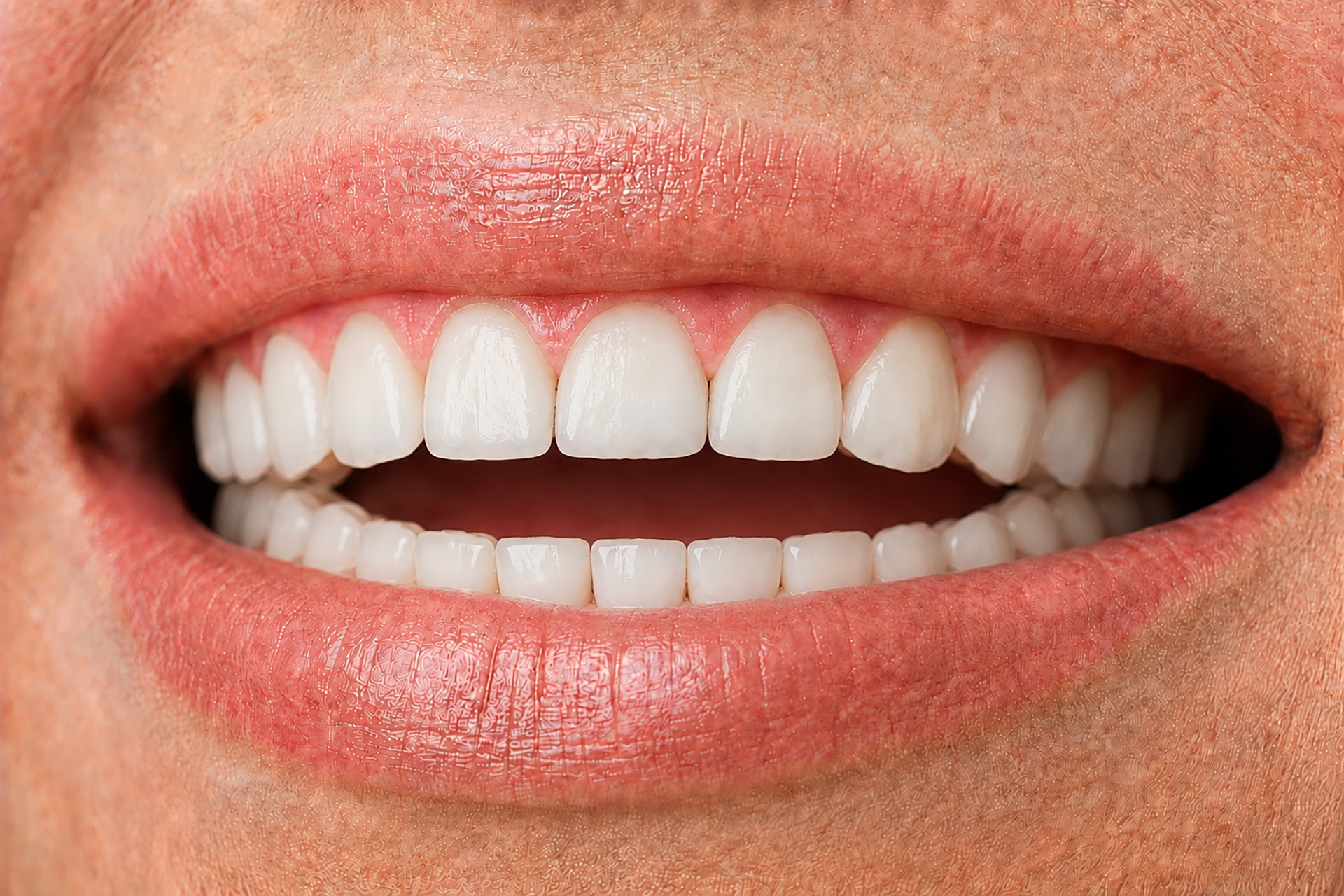
An open bite means that some upper and lower teeth do not touch when the other teeth are together. It commonly affects the front teeth but can also occur at the back.
An open bite may affect biting, speech or the ability to chew properly, impacting the overall quality of life. Causes include tooth eruption, prolonged oral habits, tongue position and jaw growth. Braces treatment needs to address the cause because some open bites return.
08
Impacted Teeth
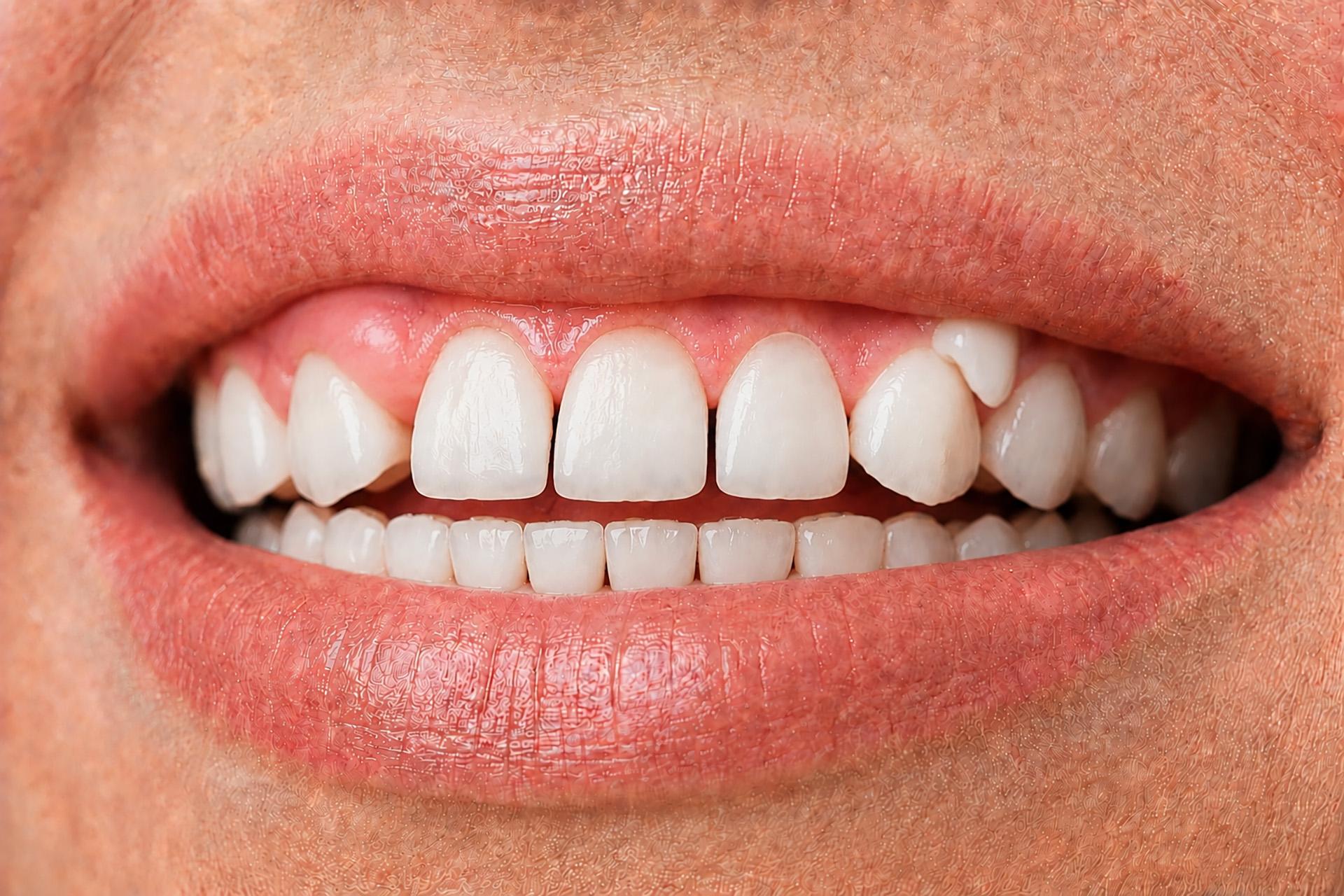
An impacted tooth remains beneath the gum or emerges abnormally. Permanent teeth, sometimes called adult teeth, can be affected. Canines are among the permanent teeth that may become impacted. Wisdom teeth can also be impacted and may require extraction.
Dental braces may create space and guide an impacted tooth into proper alignment. Minor surgery may be needed to expose it. Whether braces treatment can move the tooth depends on its location, direction, roots and nearby teeth. Removal may sometimes be more appropriate, especially for wisdom teeth.
09
Teeth That Have Moved After an Earlier Treatment
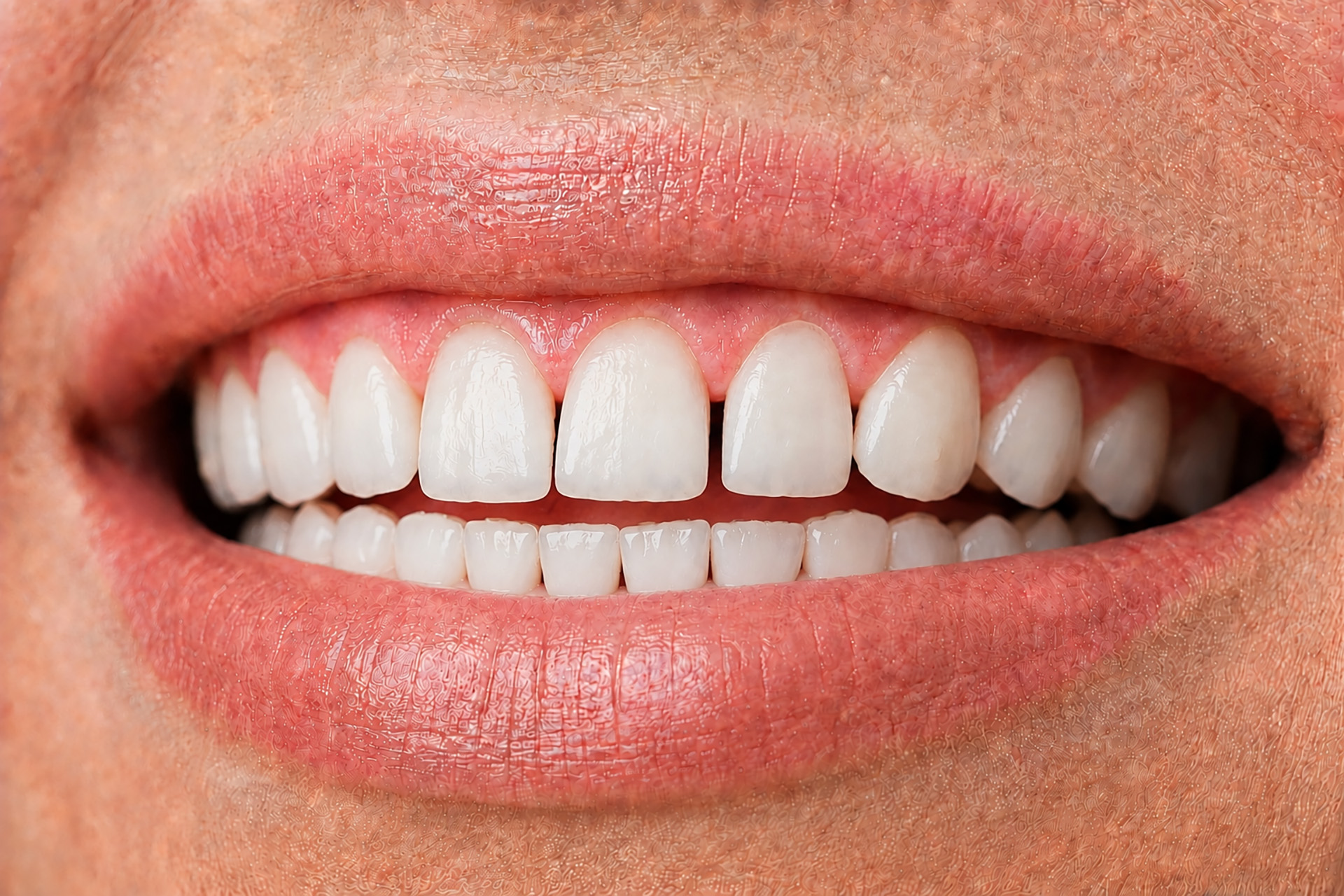
Orthodontic relapse means teeth move after orthodontic treatment with braces or clear aligners. It may follow failure to wear retainers, although ageing, jaw growth, and gum changes also contribute to a relapse.
Minor movements may need limited orthodontic treatment with braces or clear aligners. Greater relapse may require another course of braces. Fixed or removable retainers after braces help reduce unwanted movement, but they cannot prevent every long-term change. Regular visits with a dental specialist are the best way to track long-term growth or developments.
- An important distinction
Dental Problems Compared With Jaw Discrepancies
A dental malocclusion mainly involves tooth position within the jaw. Dental braces may manage these dental problems by moving misaligned teeth.
However, a skeletal discrepancy involves jaw size or position and cannot always be corrected with braces. In growing children, selected jaw problems may respond to growth-influencing appliances. After growth, dental braces treatment can move the teeth but cannot substantially reposition the jaw bones. A severe skeletal discrepancy may need assessment by an orthodontist or oral and maxillofacial surgeon. In selected cases, treatment combines dental braces with corrective jaw surgery. Jaw pain has many causes and does not by itself mean braces are needed.
- Limitations & considerations
What You Need To Know About Braces
While braces are sometimes treated as a catch-all solution for teeth alignment issues, it is worth knowing some of their limitations and other considerations.
Movement, not appearance
Dental braces move teeth but do not change tooth colour or fully correct tooth shape or size. Missing, worn, or small teeth may need restorative care as part of the braces treatment plan.
Hygiene still matters
Aligning crowded or crooked teeth with dental braces may make cleaning easier and help improve oral health. However, those who wear braces especially need to maintain good oral hygiene because traditional braces trap plaque and food particles.
Daily care during treatment
Brush with a fluoride toothpaste and avoid sticky foods that may damage the metal brackets. Good oral hygiene supports dental health during braces treatment, but braces do not prevent tooth decay or gum disease.
Healthy teeth come first
Before you wear dental braces, active decay, other gum problems and dental issues need care to protect your oral health. Braces may be postponed if the teeth lack adequate gum or bone support.
Aesthetics are personal
A straighter smile may have aesthetic benefits, but any change in confidence is personal and unpredictable. Appearance does not determine a patient’s clinical suitability for braces.
- Your consultation
How Suitability Is Assessed
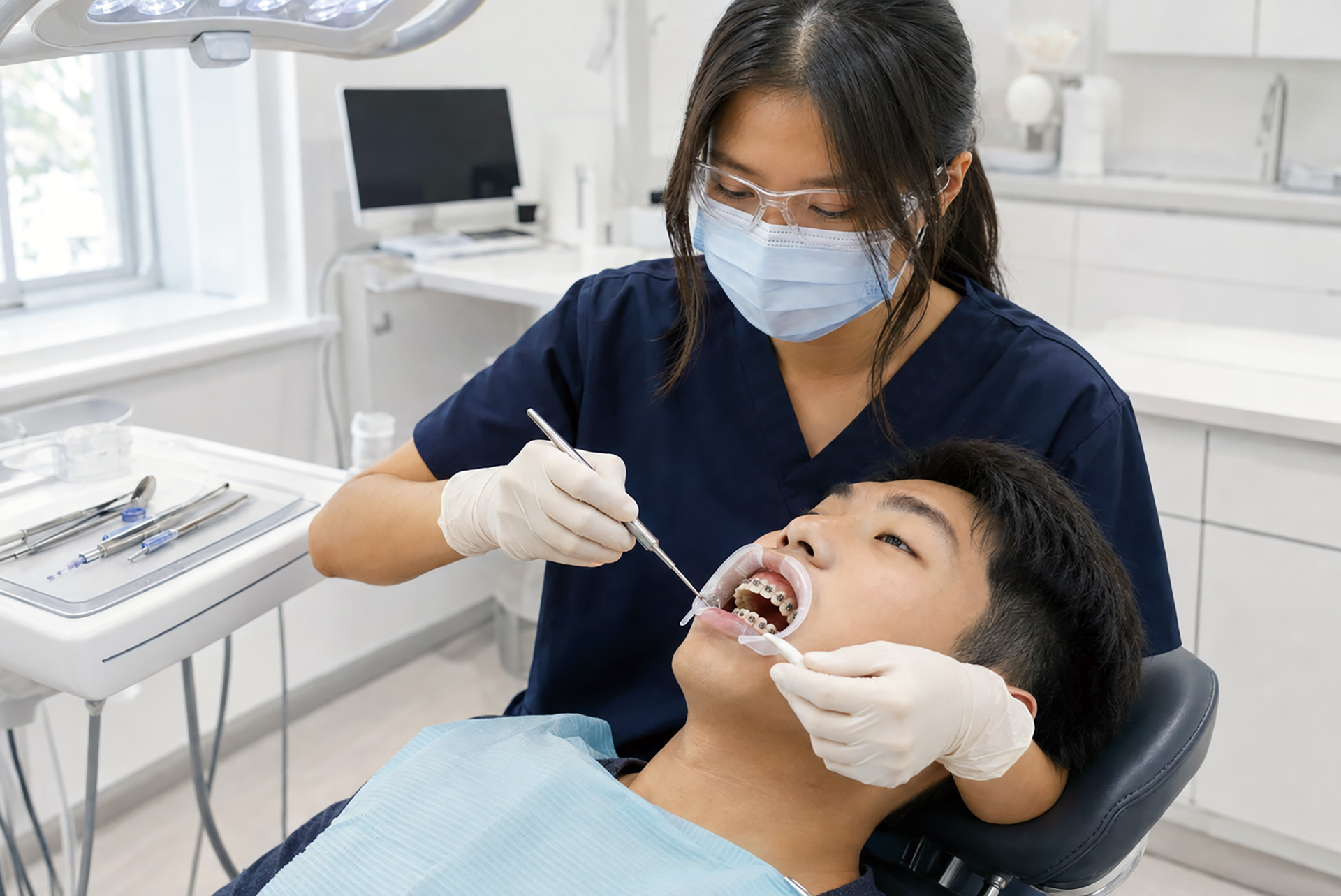
The cost of braces in Singapore varies by appliance and treatment complexity. Following dental braces care advice can limit plaque build-up, protect brackets and help manage minor problems during the orthodontic journey.
The initial consultation
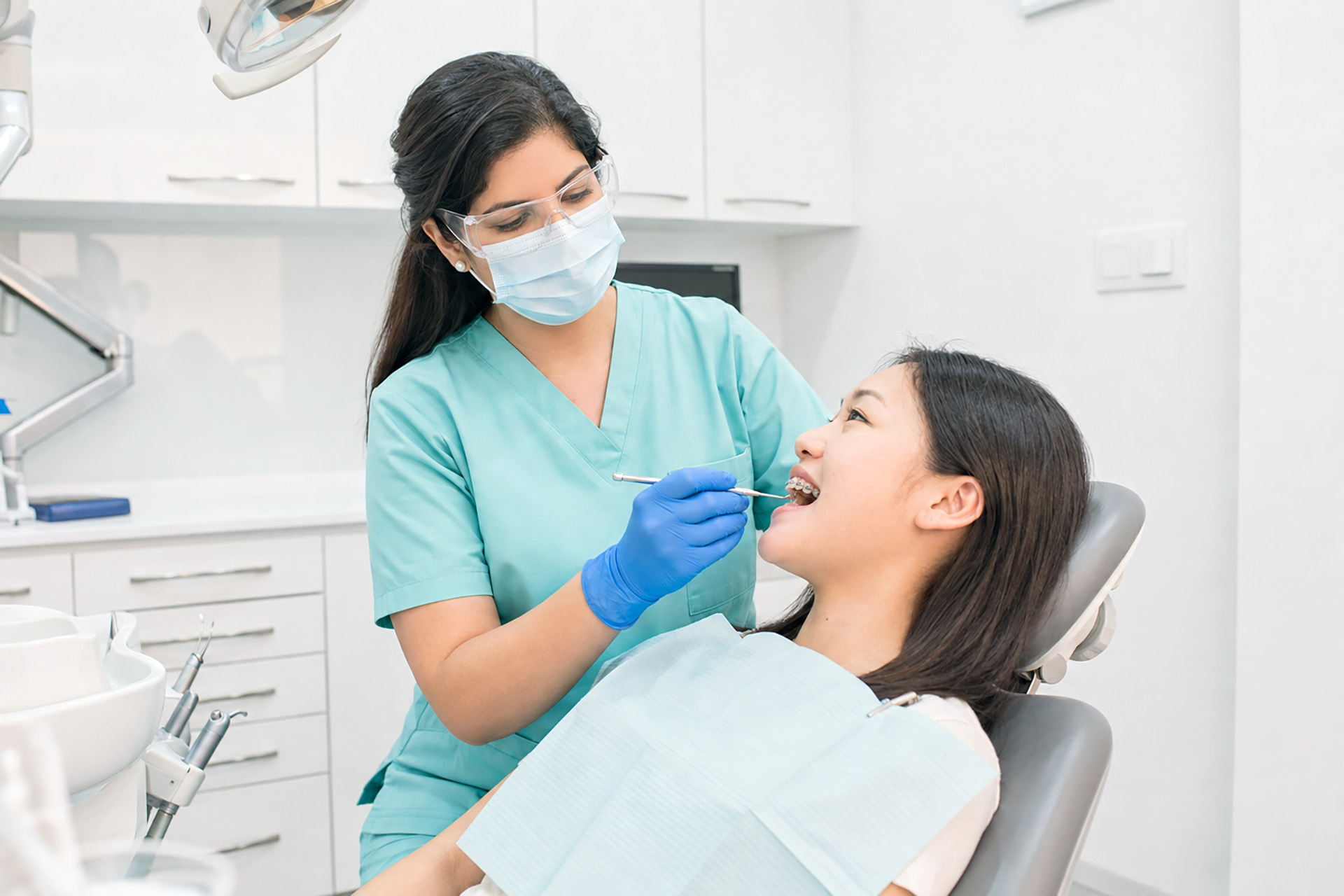
The initial consultation assesses the teeth, gums, bite and jaws. Photographs, X-rays, and digital scans or impressions may show tooth position, roots, bone support, and facial growth.
Braces or clear aligners
The findings will determine the braces treatment plan and whether different types of braces, clear aligners, or an orthodontist referral are appropriate. Some conditions suit fixed dental braces, while others may suit clear aligners. These removable aligners are sometimes called invisible braces, although they are not invisible and cannot manage every movement. The choice between braces and clear aligners depends on the required movement, the complexity of the case and consistent wear. Some patients prefer the discretion of clear aligners, which may lead them to choose Invisalign over braces, but this is best discussed with a dental professional.
Types of braces
All types of dental braces work by applying controlled pressure. Types of braces include traditional metal braces, ceramic braces, self-ligating braces, and lingual braces.
- Traditional braces usually mean traditional metal braces. These metal braces use stainless steel brackets, may include molar bands, and have wires held by elastic bands or colourful rubber bands. Metal braces and ceramic braces are fixed appliances. Ceramic braces use tooth-coloured brackets, and tooth-coloured wires may be available.
- Self-ligating braces use built-in clips instead of elastic bands. Although self-ligating braces are sometimes described as faster than metal braces, they do not consistently shorten treatment time. Lingual braces sit behind the teeth. Ceramic braces and lingual braces may be less noticeable. Some types of braces are more visible than others, but the best appliance still depends on the required tooth movement.
Duration & reviews
Dental braces treatment often takes 15 to 24 months, while complex dental braces treatment may take up to 3 years. Treatment time depends on more than the type of braces. It also depends on the complexity of the case, teeth movement and the patient’s cooperation. Adults may need braces for longer, although age alone does not determine the duration of dental braces treatment. Patients who wear braces need reviews and adjustments, often every 4 to 12 weeks, not necessarily monthly. Braces may also cause discomfort initially, especially after adjustments.
- At our clinic
Braces Assessment at TEETH @ Tiong Bahru
An assessment at TEETH @ Tiong Bahru considers your oral health, malocclusion, and braces goals. There is no single ideal age for braces treatment, so if you are wondering whether dental braces can improve your oral health, give us a call. Our dentists will explain which problems may improve, the limitations of orthodontic treatment and whether referral to an orthodontist is appropriate.
The dentists at TEETH @ Tiong Bahru can assess the bite, discuss suitable orthodontic services and explain the available orthodontic options. Make your appointment today.
Block 11A Boon Tiong Road, Singapore